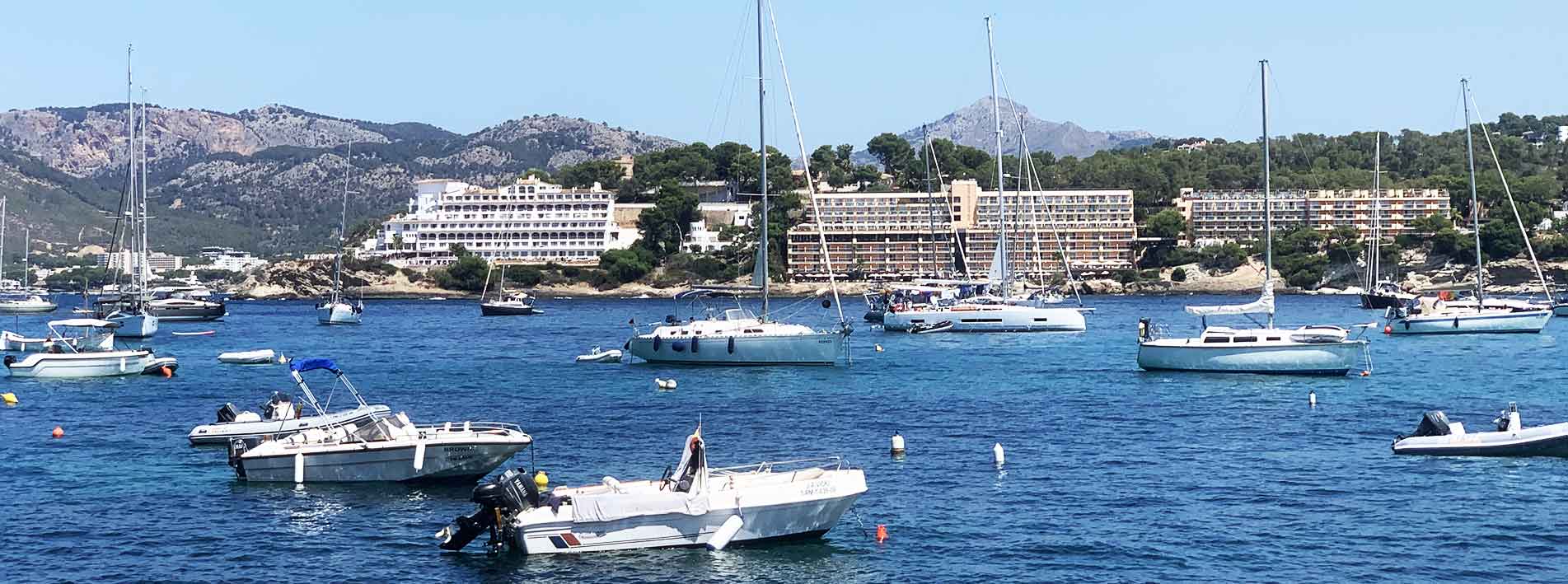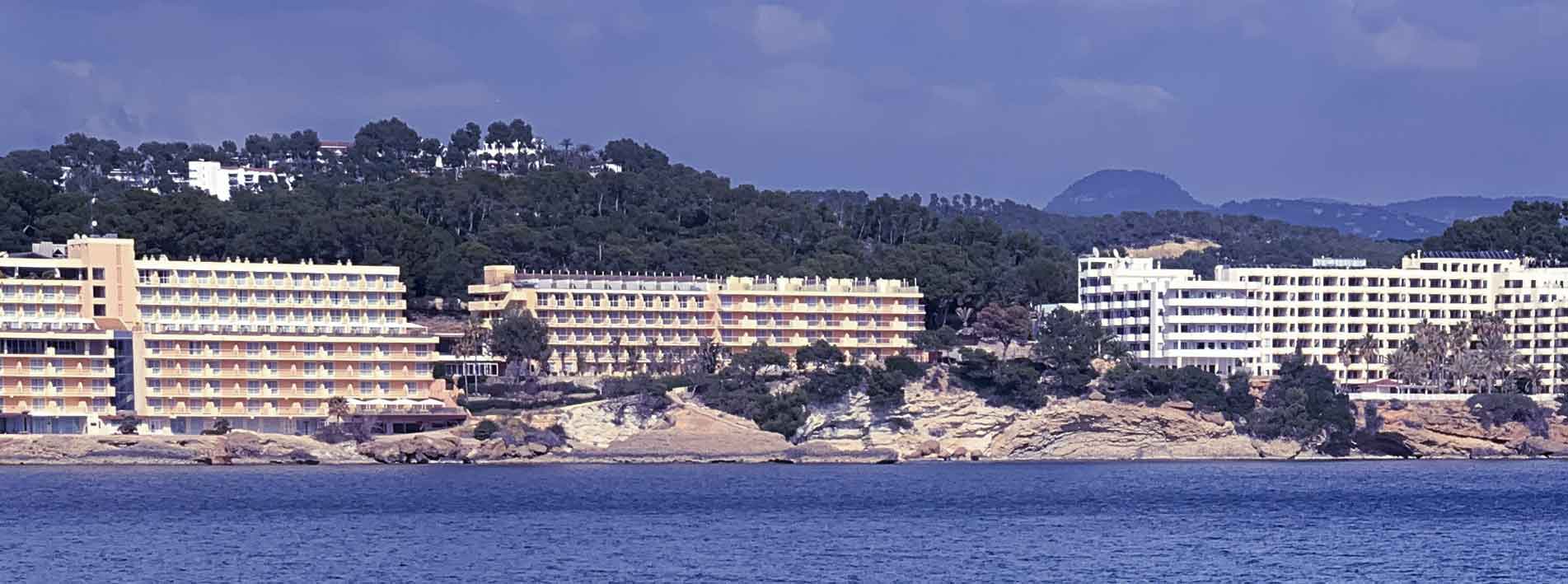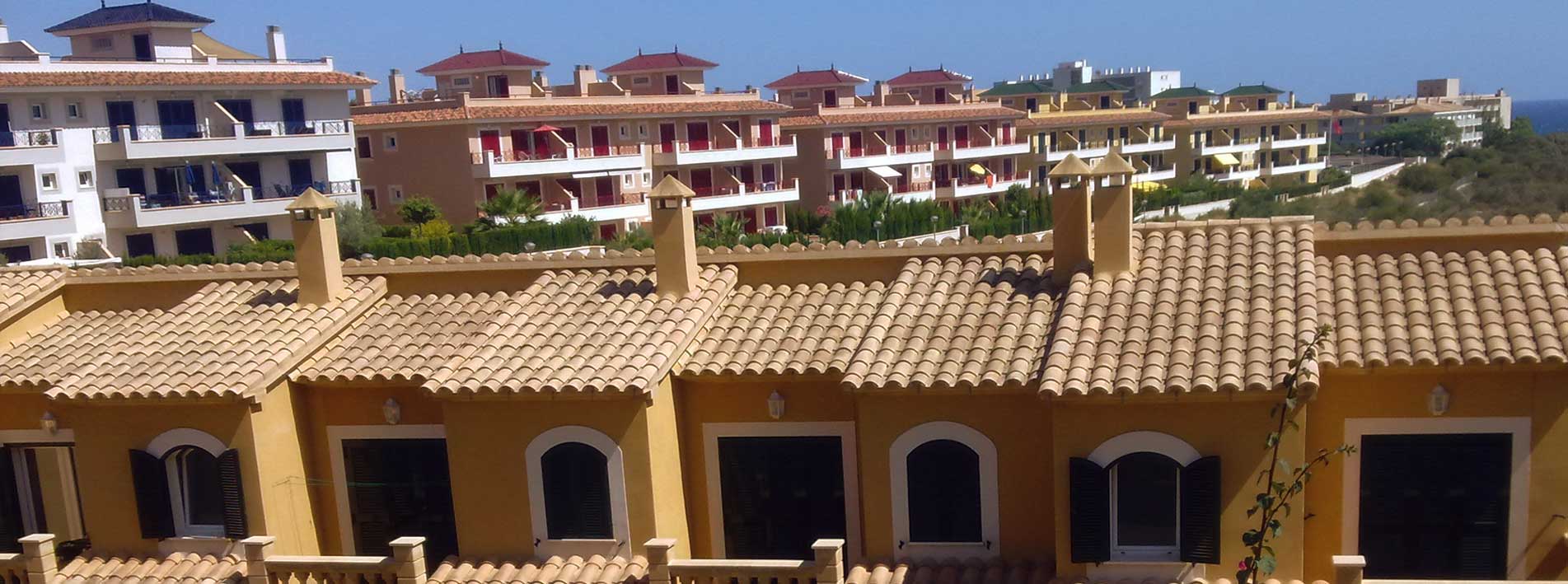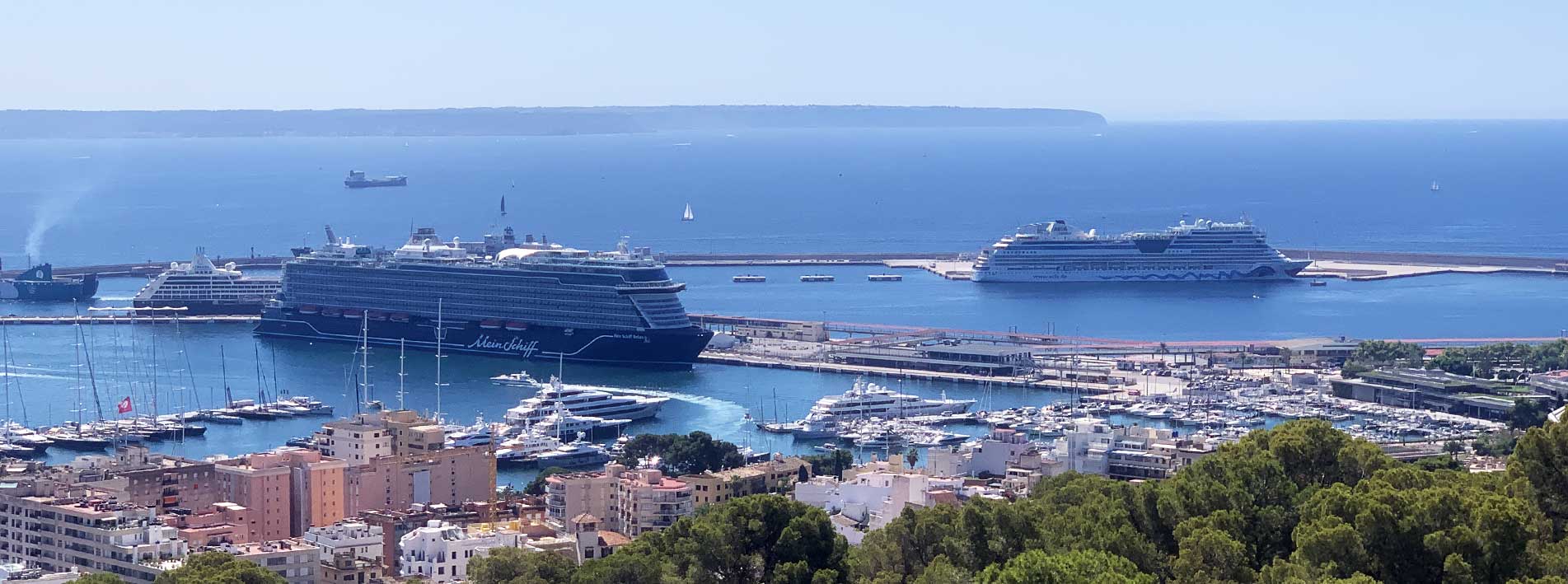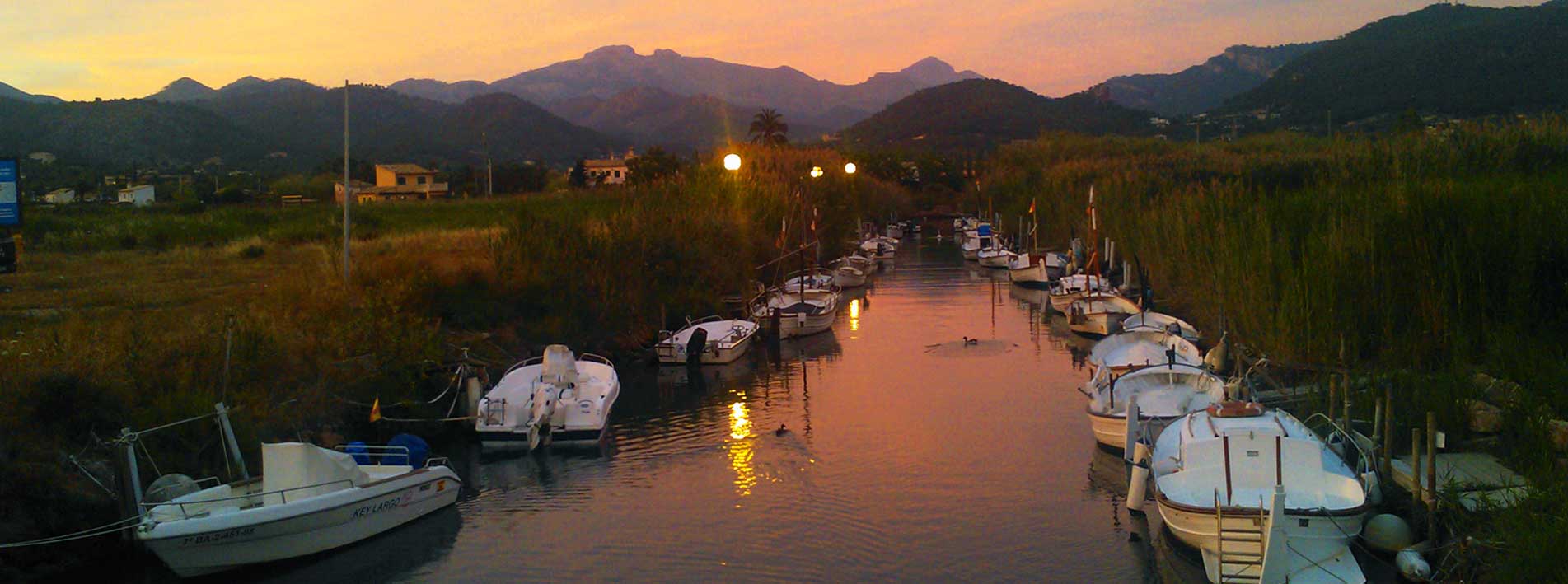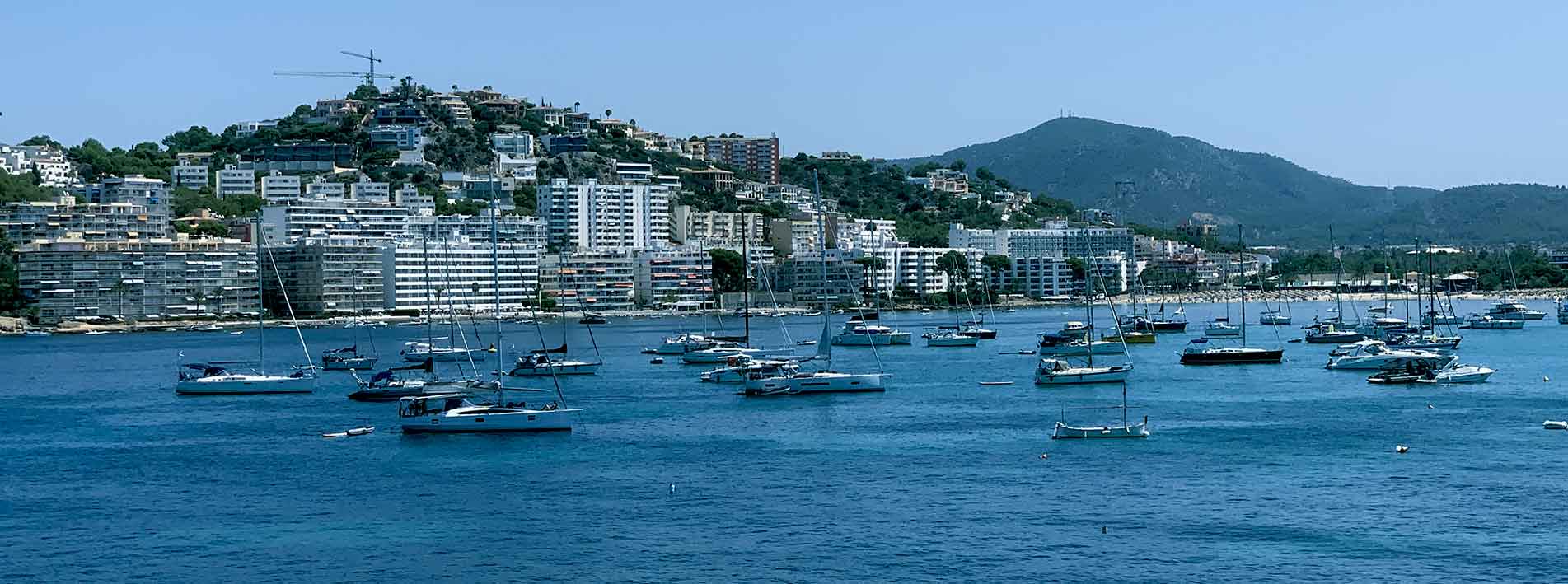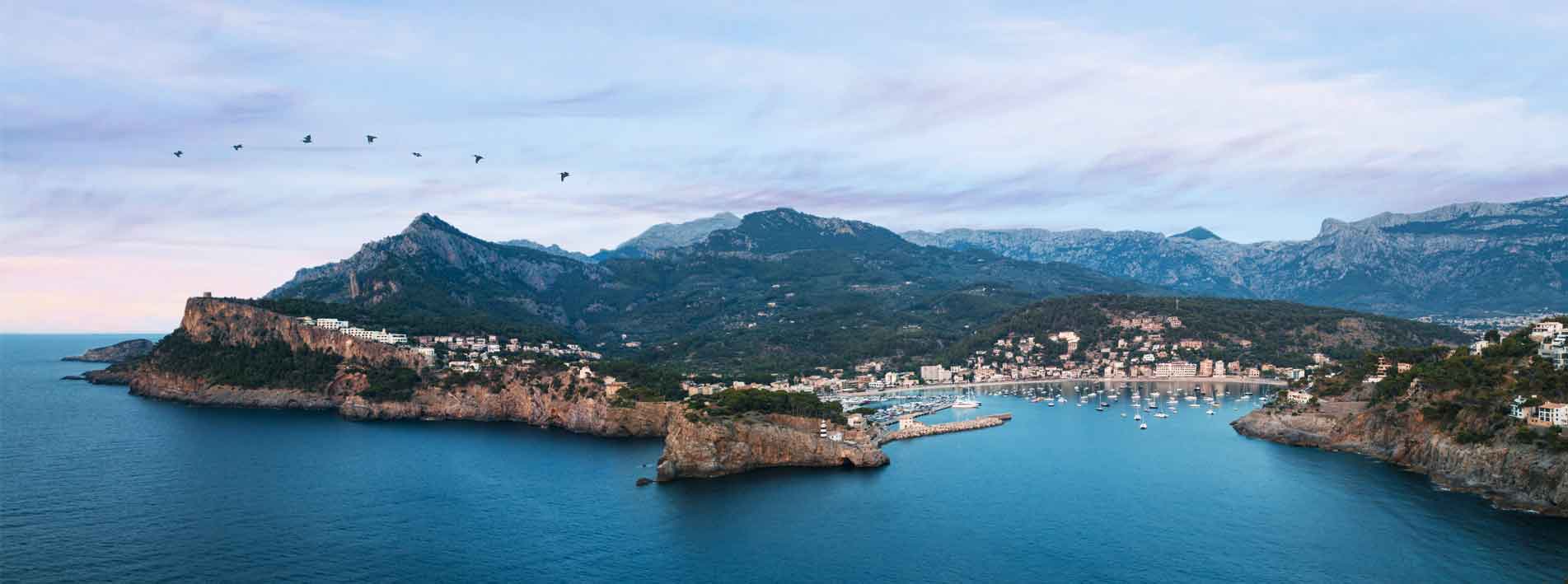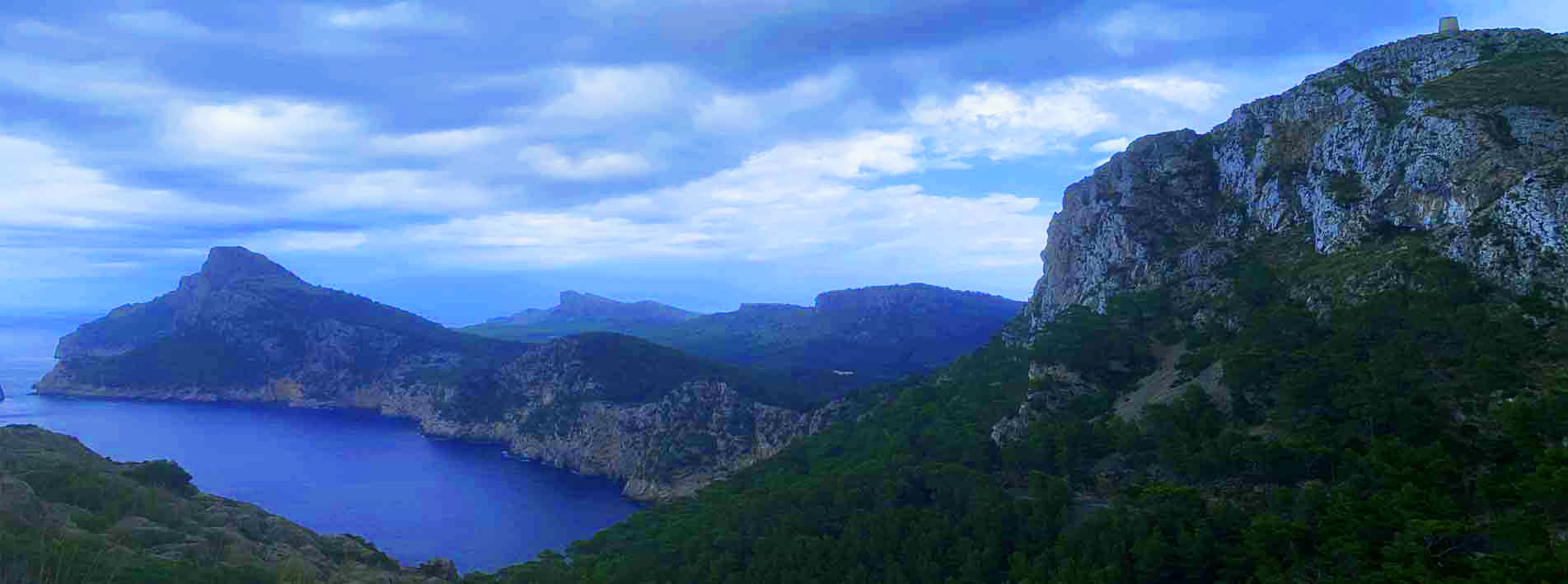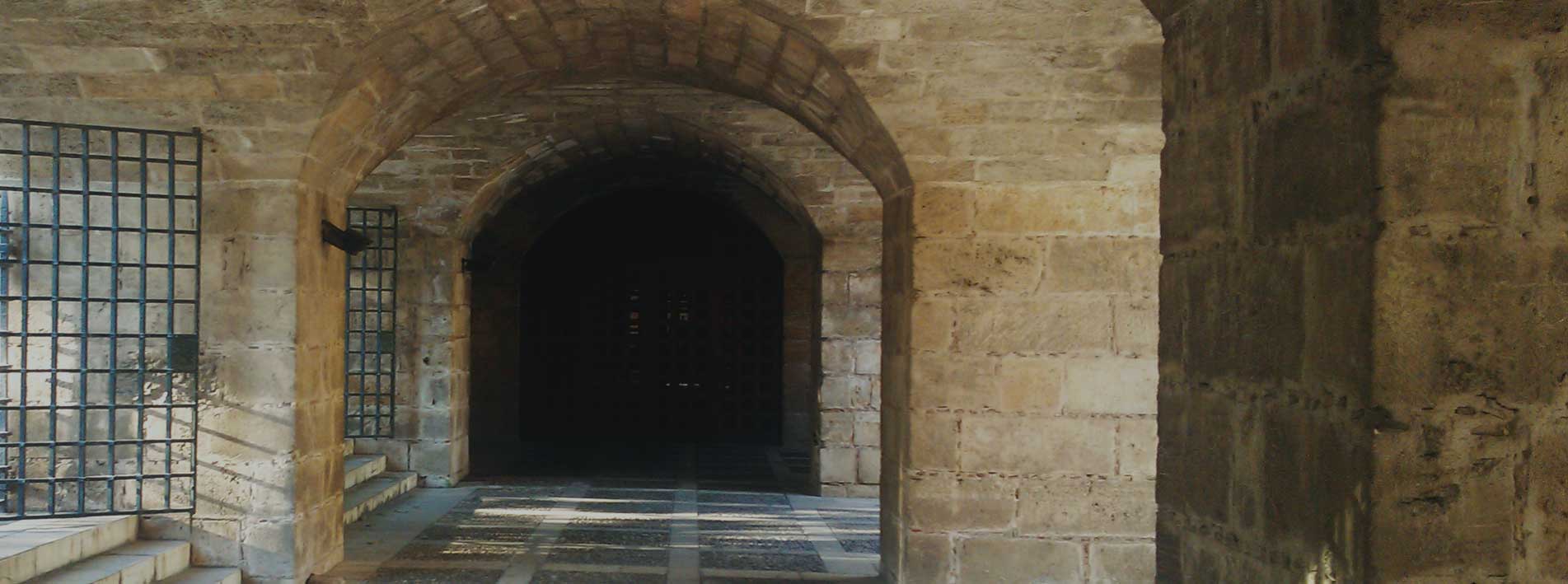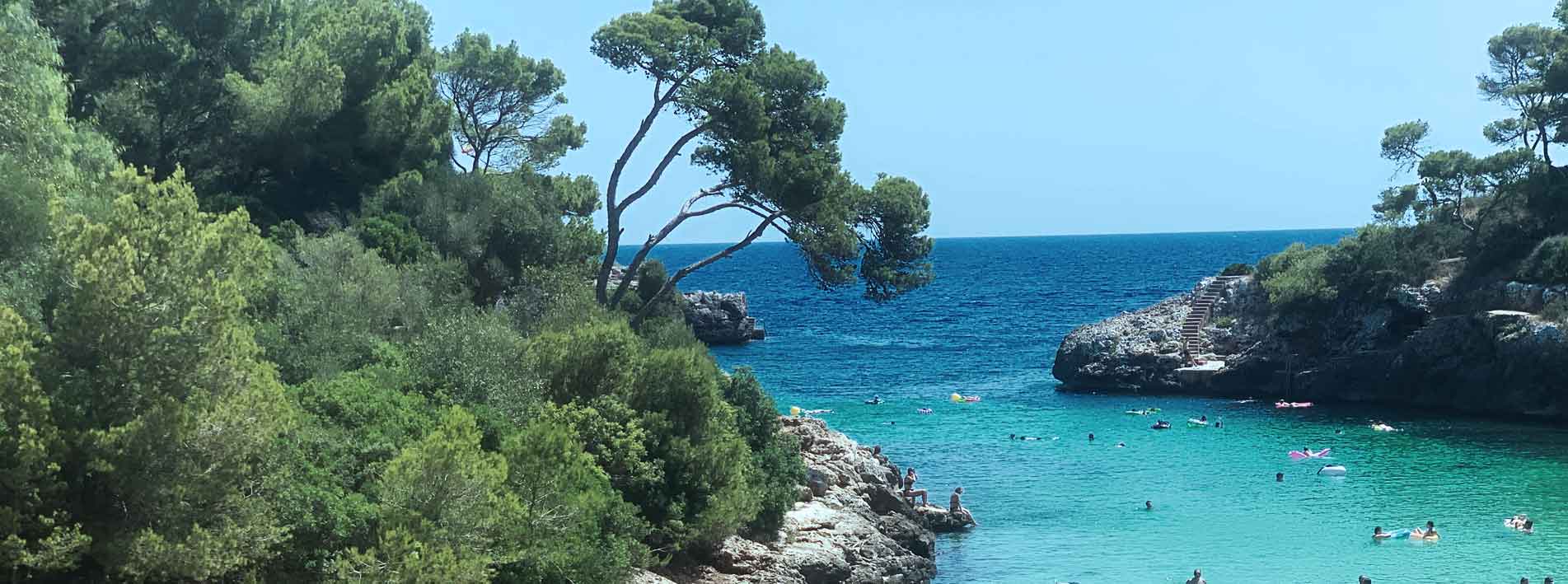

The Port of Alcúdia is an important tourist center and commercial port on the north of Mallorca, known for its long sandy beach and its Alcudiamar marina and commercial port. It functions as a logistics center for the island, receiving goods and connecting Mallorca with Menorca and the mainland via ferry services. In addition to leisure activities such as water sports and walks, it offers cultural attractions in the surrounding area, such as the old town of Alcúdia and the Roman ruins of Pollentia. It is a popular holiday destination with a wide range of restaurants, shops, water sports and leisure activities.
Toponymy of Port of Alcúdia (Port d’Alcúdia)
The toponymy of Port of Alcúdia (Port d’Alcúdia) is linked to its Arab and Roman past. The name Alcudia comes from the Arabic “al-kúdya,” which means “the hill,” in reference to the mountainous area of the municipality where the old town is located. The name of the city Pollentia is its Roman name, an important commercial center that gives its name to the bay and, by extension, to the port.
 Key aspects of Port of Alcúdia (Port d’Alcúdia)
Tourism: It is a very popular vacation area with a long promenade, restaurants, shops and the Alcudiamar marina, which has 745 moorings.
Services: It offers a wide range of vacation accommodation with hotels, apartments and services for visitors, as well as a varied gastronomy.
Activities: It combines a commercial port for supplying the island and maritime transport with a marina for recreational boats and a fishing port. It offers a wide range of leisure activities, such as water sports (diving, kitesurfing, paddle boarding), boat trips, a water park (Hidropark) and night and weekly markets.
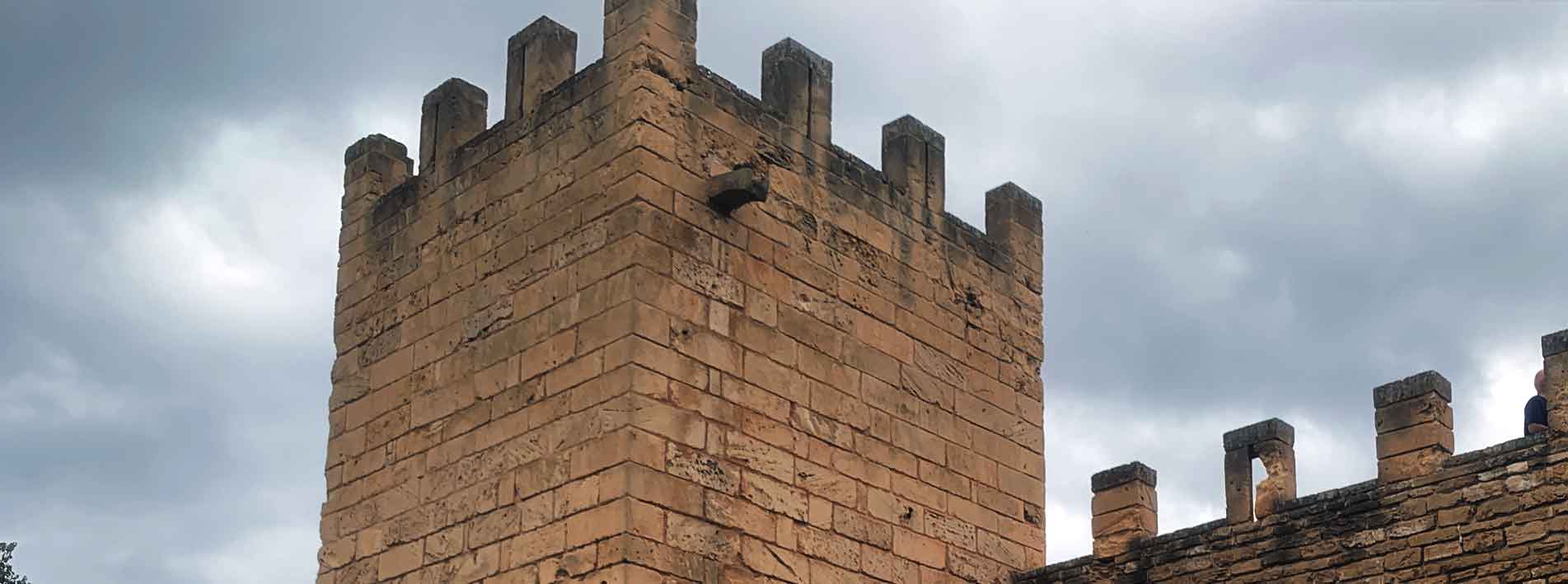
Culture and history: It is located near places of historical interest, such as the old town of Alcúdia, the city walls and the Porta del Moll. It is also home to the Roman ruins of Pollentia, the ancient capital of the island.
How to get to Port of Alcúdia
Port of Alcúdia is in the north of Mallorca, approximately 60 km from Palma. It is mainly accessed via the Ma-13 highway, either by car, taxi, or bus from Palma. By bus, there are lines connecting the airport and the city center with Port of Alcúdia. Once in the area, there are parking lots near the beach and the port.
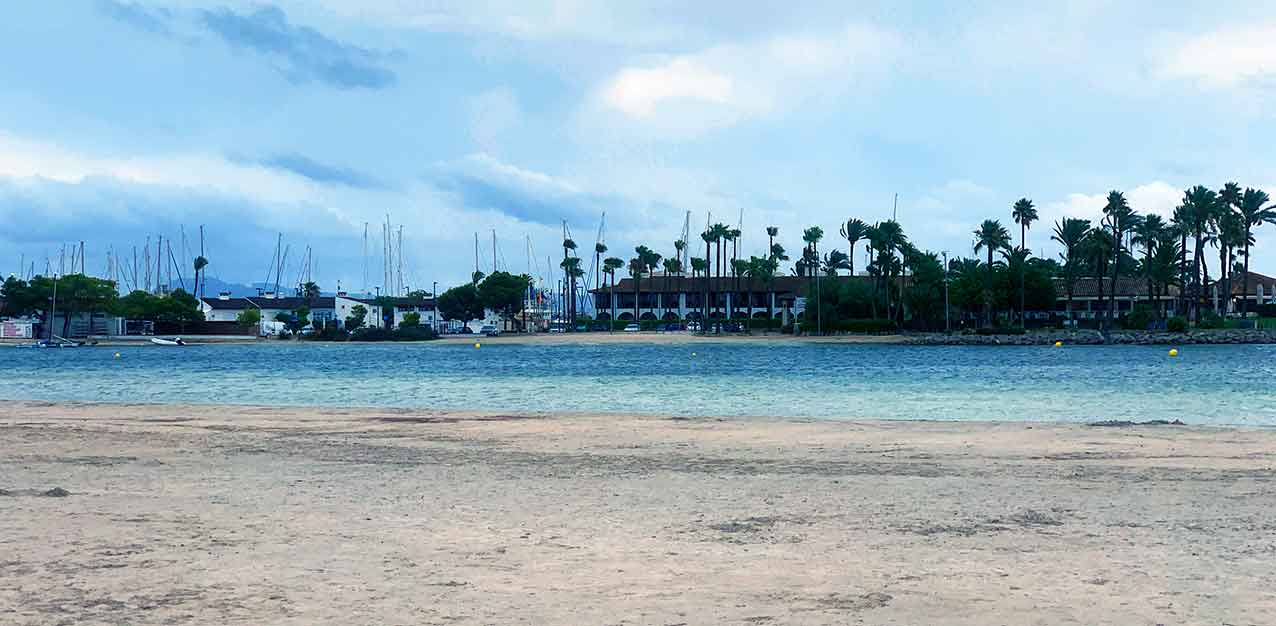 Getting there by car
By car: Take the Ma-13 highway from Palma, following the signs to “Port of Alcúdia.” There are several parking options in the area, although they can fill up quickly during high season. Port d’Alcúdia is about 60 km from the city of Palma and can be reached in approximately 45-50 minutes.
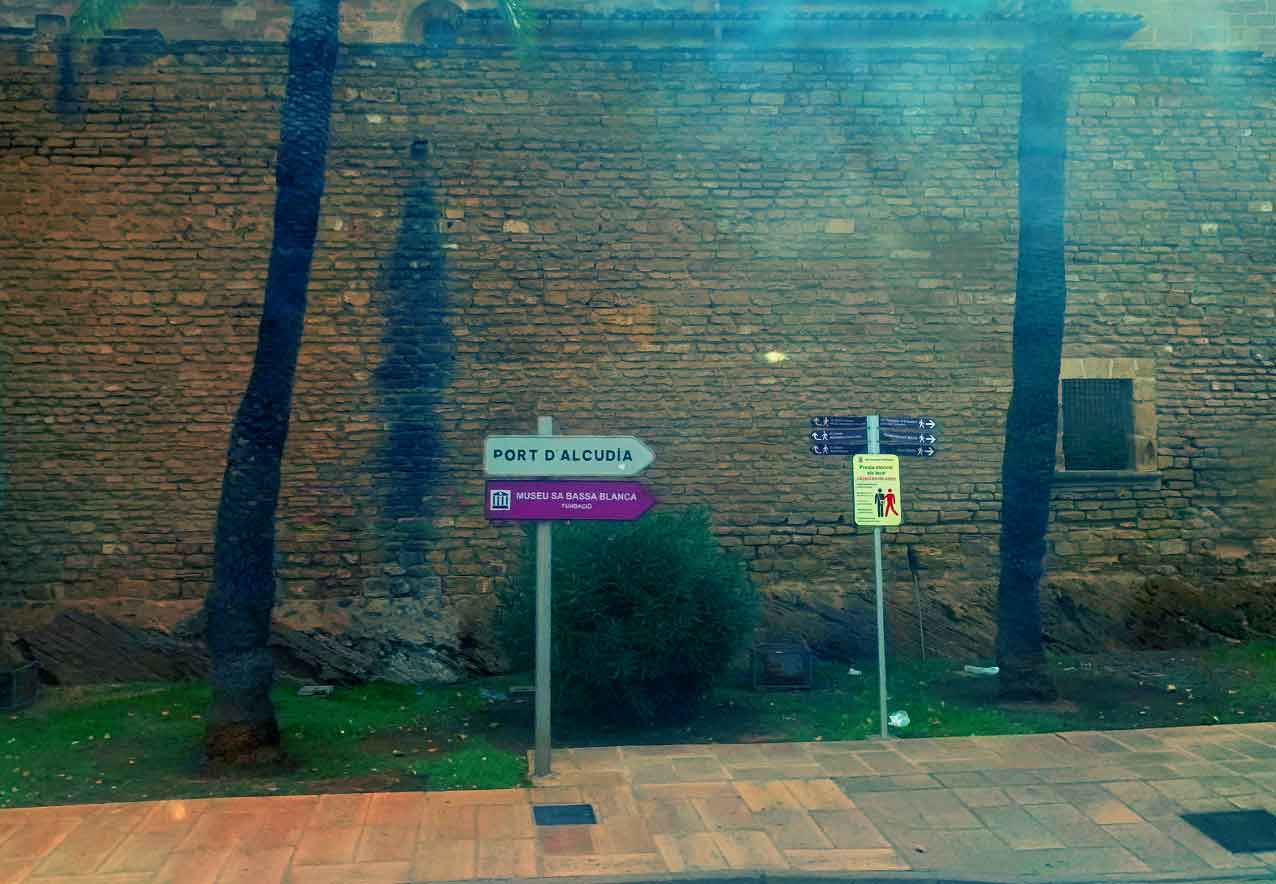 Getting there by bus
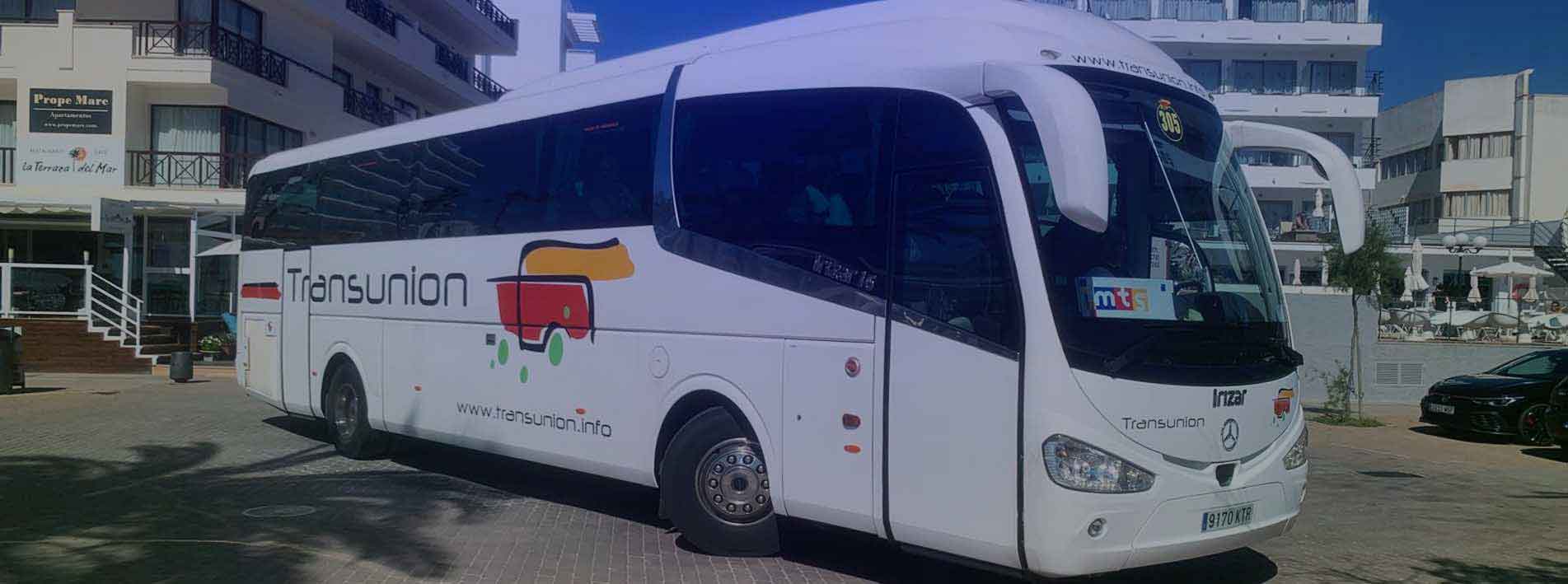
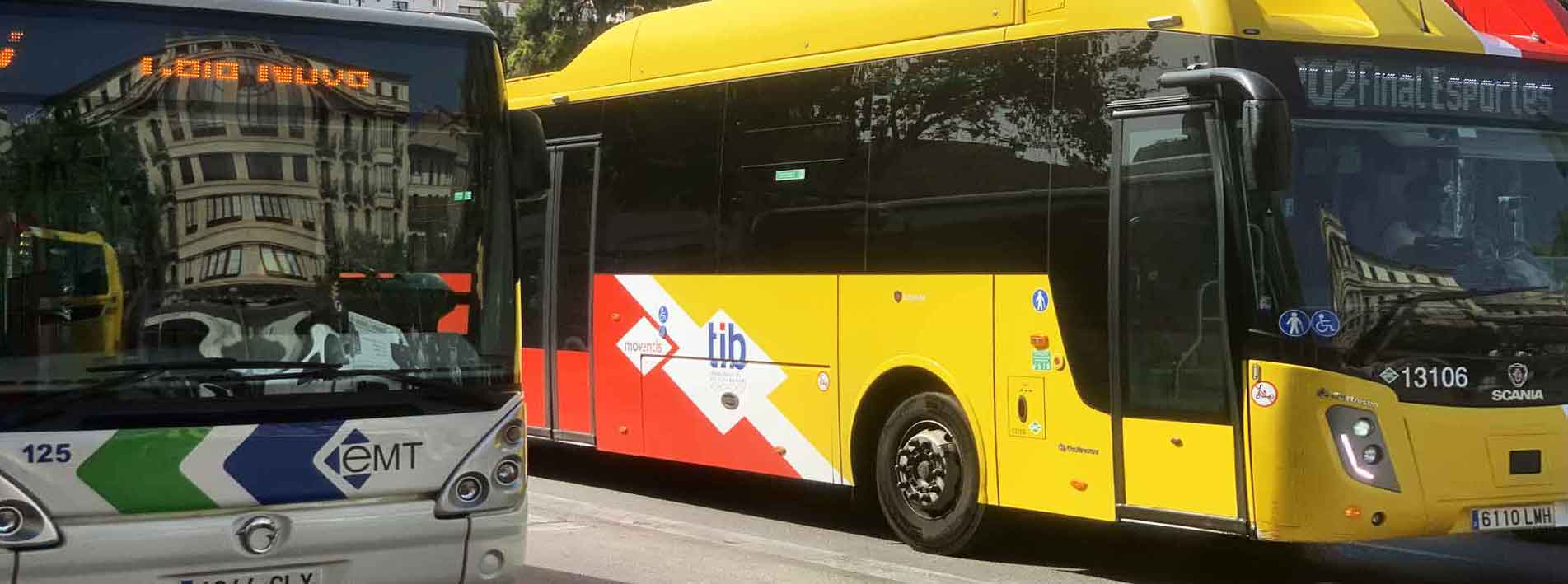
By bus: From the airport: the A32 line connects the airport directly with Port of Alcúdia. From Palma: There are bus routes connecting the city with Port d’Alcúdia, with stops near the port.
The most common form of public transport to get to Port of Alcúdia is the bus from Palma, mainly via line 322 or 321 from Palma’s intermodal station, although there are other lines that go to the area, such as the 315. The bus journey takes approximately 1 hour and costs between €6 and €10 and buses usually leave every 30 minutes.
Line 322: This is the most popular and economical option. It connects directly to Port d’Alcúdia from Palma’s Intermodal Station as its main departure point. The journey takes about 41 minutes and buses operate every day.
Other bus lines connecting to Port of Alcúdia: Line A33: connects Port of Alcúdia directly to Palma airport. Line 322: connects Pollença to Port of Alcúdia. It is a short route that takes about 41 minutes. Line 302: passes through Can Picafort, Platja d’Alcúdia and arrives in Palma. Line 315: connects Sa Pobla with the Alcúdia Bay area. Line 323: connects the Port of Alcúdia area with Alcanada and other localities such as Es Mal Pas. Other lines (324, 325, 327): also pass through Alcúdia’s main station (Pol·lèntia), making them useful for connections.
Additional considerations: Bus tickets usually cost between €6 and €10. Buses on line 322 usually run approximately every 30 minutes. You can buy your ticket directly from the driver on board the bus, but it is important to note that only cash tickets up to €10 are accepted. Another option is to purchase a prepaid card in advance at authorized points of sale. Payment can also be made directly with a contactless bank card and up to five people can travel with the same card, benefiting from discounts per user. In this case, it is essential to validate the card both when boarding and alighting from the bus so that the system can calculate the cost of the journey correctly. To plan your trip, we recommend checking the timetables on the TIB (Transport de les Illes Balears) website.
Getting there by ferry
Ferry: It is possible to arrive by ferry, but only if traveling from other cities such as Barcelona or Ciutadella, not from Palma.
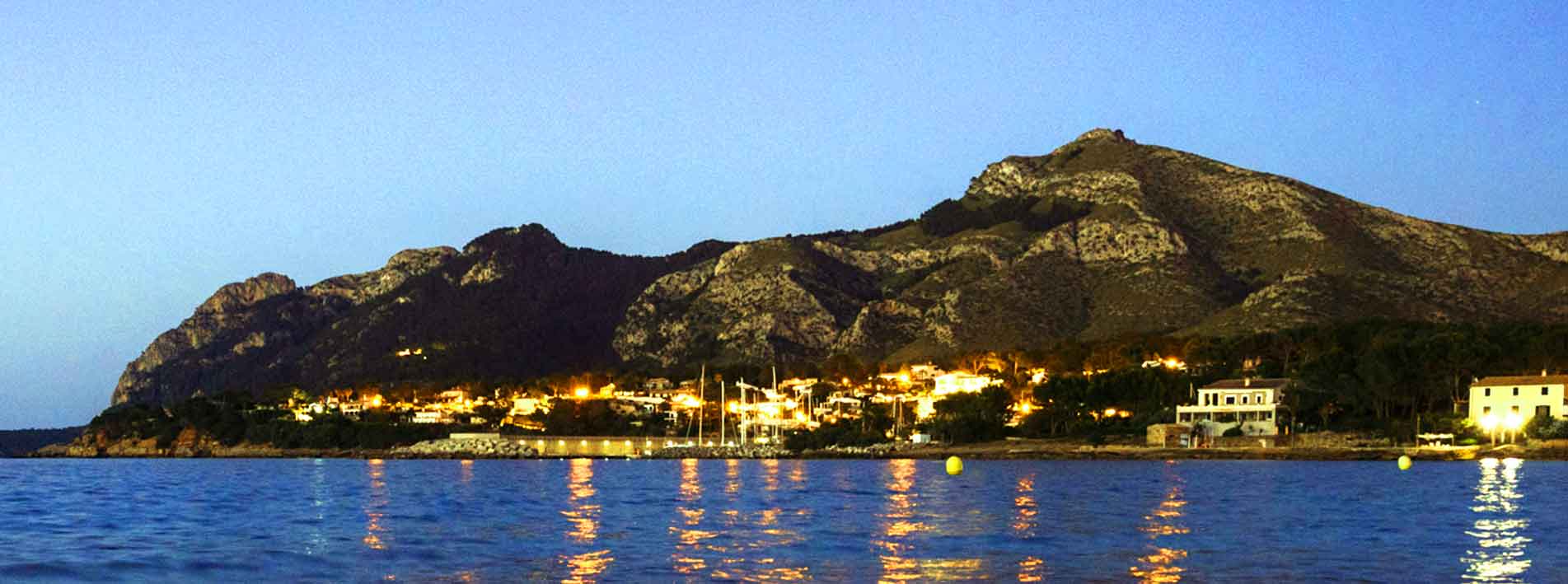 Getting there by taxi
By taxi: This is a quick option from the airport or any other area of the island. A taxi from Palma airport to Port de Alcudia takes approximately 45-60 minutes and costs around €90, depending on the point of origin and the time of day. The time and price may vary depending on the route, time and taxi company, as there may be a slight increase due to the meter or supplements, so it is always recommended to check directly with the provider beforehand.
Fixed rate: Several companies offer a fixed rate for the transfer from Palma airport to Alcúdia, which is around €90 for daytime service.
What to see in Port of Alcúdia (Port d’Alcúdia)
Seafront promenade: A lively place with lots of restaurants and shops. The Port of Alcúdia promenade is a lively walkway that runs along the long beach and marina, offering a wide variety of restaurants, shops and bars. It is a perfect place to stroll, enjoy sea views, practice water sports such as windsurfing or paddle surfing and visit the Alcúdiamar marina.
Marina and commercial port: It has a marina and the second largest commercial port on the island, from where ferries depart for Menorca. The Port of Alcúdia is an important commercial and marina port in the north of Mallorca that offers a mix of services for tourism, commerce and sailing. It combines a large commercial port with the Alcúdiamar marina (with 745 moorings) and has a promenade lined with restaurants, bars and shops. It is also a key point for maritime connections with Barcelona and Menorca and is next to the long beach of Alcúdia.
Connect with nature: Port of Alcúdia combines nature with a tourist and commercial port on the north coast of Mallorca. Highlights include the S’Albufera Nature Reserve, a wetland area with great biodiversity and the Parque Natural de la Victoria, with cliffs and wild beaches. The port also offers the Roman site of Pollentia and various water activities such as boat trips, kayaking and snorkeling in Alcúdia Bay. The area is ideal for hiking or cycling.
Nearby: It is close to the historic center of Alcudia, which offers medieval walls and streets steeped in history.
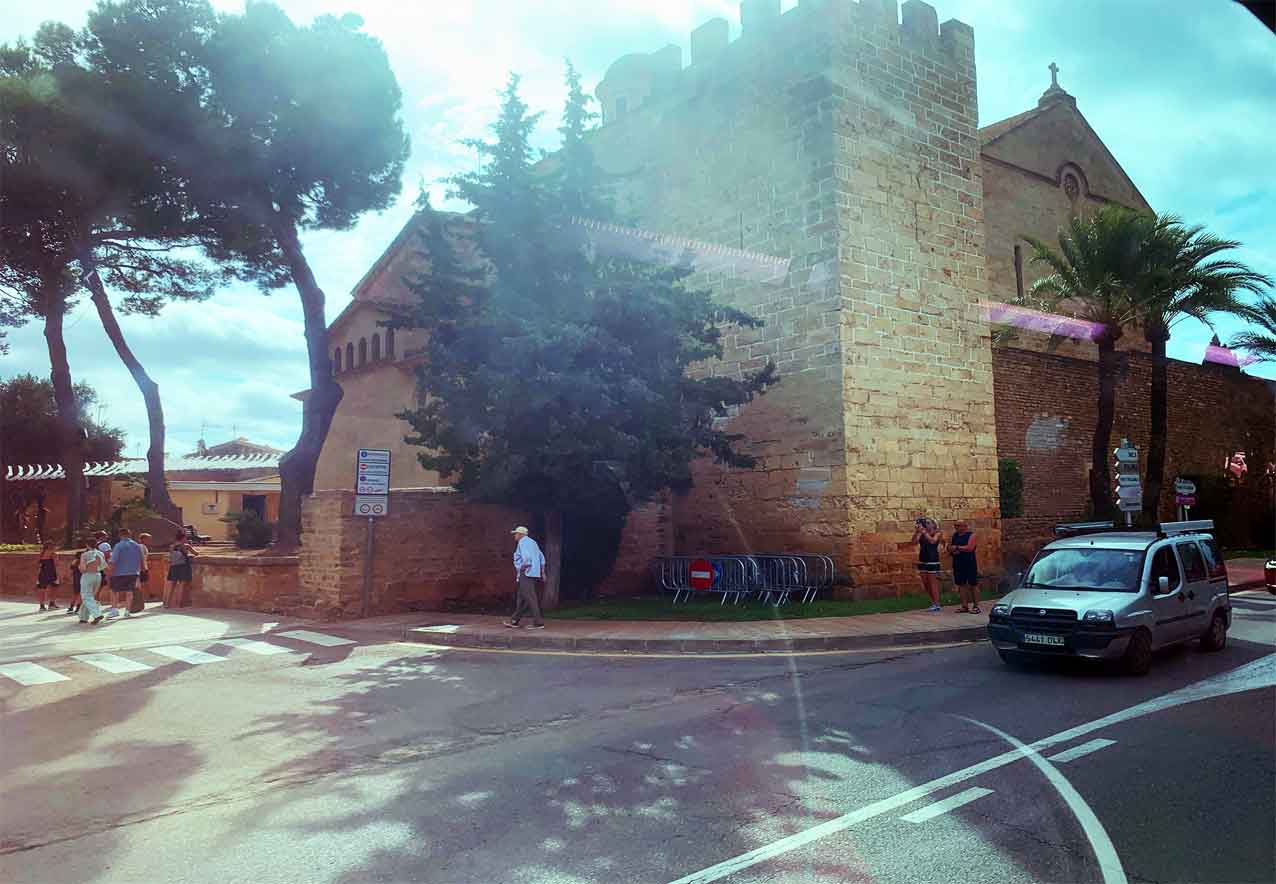 What to do in Port of Alcúdia (Port d’Alcúdia)
Enjoy the beach: Alcúdia Beach is a long and popular urban beach with white sand in the north of Mallorca. It is around 3 kilometers long and has been awarded the Blue Flag. It is divided into two sections: one near the port with a promenade full of amenities and another that merges with Muro Beach and is a little quieter. It is ideal for families and water sports due to its calm, shallow waters.
Practice water sports: In Port of Alcúdia, water sports include a wide variety of motorized and non-motorized activities, such as jet skiing, parasailing and snorkeling, as well as wind sports such as kitesurfing and windsurfing in zones such as Can Cap de Bou beach. In addition, there are options for boat rentals and boat trips to explore the coast and there is also a water park in the area.
Stroll along the promenade: This promenade is full of restaurants, bars and shops.
Explore the port: Visit the Alcudiamar marina and the commercial port, which is the second largest on the island.
Visit Hidropark Alcudia: A family water park located in Port of Alcúdia, offering various water attractions such as slides, wave pools and children’s areas. It is the only water park in the northern part of Mallorca and has facilities and slides for different ages, from the youngest to those seeking adrenaline.
Connect with nature: Go hiking in the nearby s’Albufera Natural Park, a reserve of great ecological value.
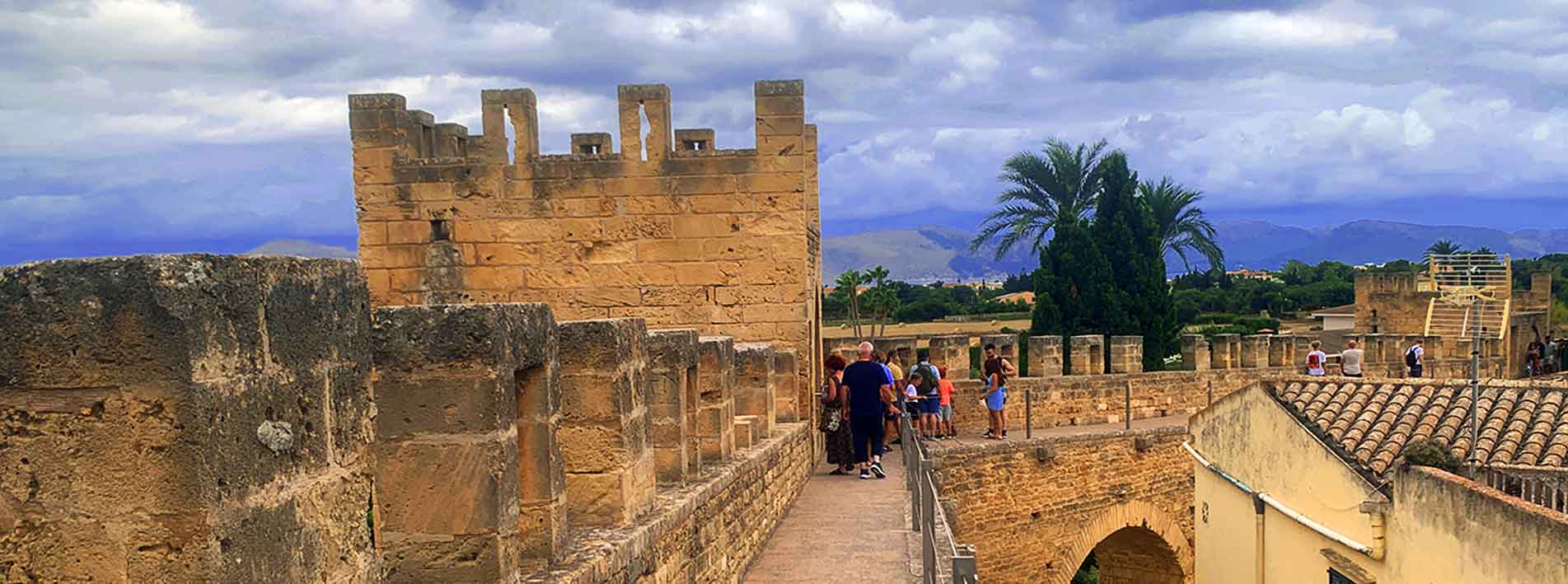
Discover the history of Alcudia: Visit the old town, known for its medieval walls, cobbled streets and historical heritage. The port is only 1 km away. Alcúdia and Port of Alcúdia are very close to each other, only 0.7 miles apart, a walk of just 20-25 minutes. You can get there quickly by bus (about 5 minutes, with frequent services) or by taxi (about 3-4 minutes). While Alcúdia is the historic old town, Port of Alcúdia is the coastal area, offering a combination of cultural and beach tourism very close to each other.
Shopping: Check out the weekly markets and summer night markets held in the area.
 Historical overview of Port of Alcúdia (Port d’Alcúdia)
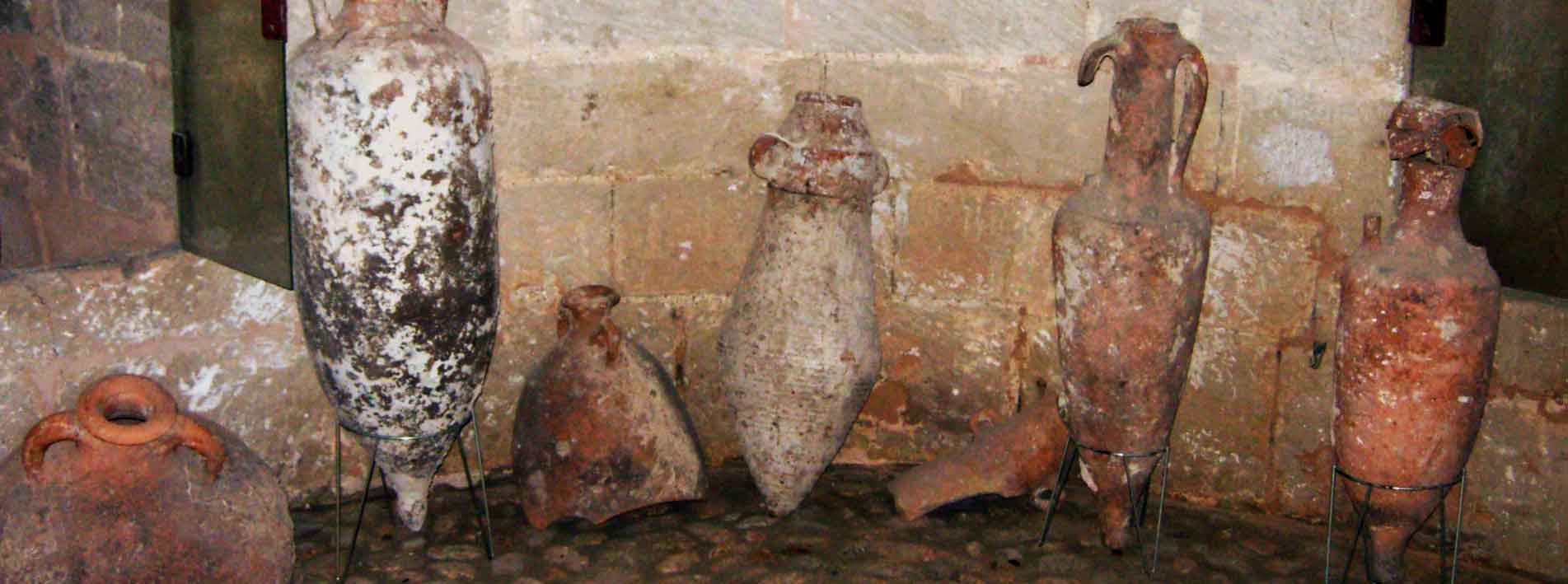
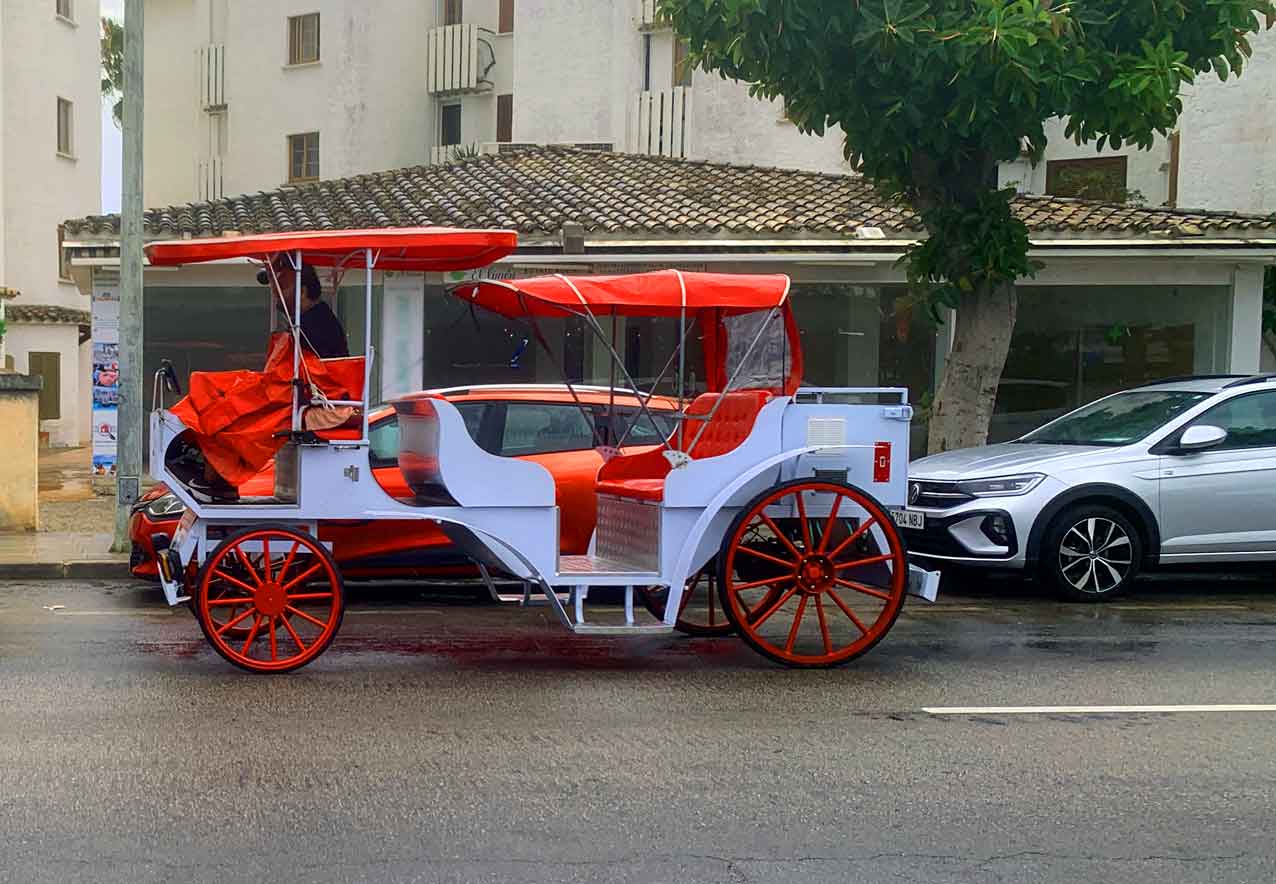
The history of Puerto de Alcudia is linked to the ancient city of Pollentia, founded in 123 BC and the medieval foundation of Alcudia, evolving from a Roman trading area to a modern commercial and sporting port. Initially, the area was used for maritime trade in Roman times, but the current port facilities were significantly developed from the 17th century onwards and, above all, during the 20th century, expanding in the 1990s and becoming Mallorca’s second strategic entrance.
After the Arab invasion, Jaume I reconquered the island and, in 1298, Jaume II founded the village of Alcudia (the current walled city), which became a strategic center.
The port facilities developed more solidly from the 18th century onwards. Throughout the 20th century, expansion work continued and especially in the 1990s, the growth in freight traffic necessitated a substantial extension of the quay.
The port established itself as a strategic alternative to Palma, handling both passenger and freight traffic. Today, it is a tourist area with a marina and a promenade, as well as maintaining its commercial function and connection with Menorca and the mainland.
 Hospitality and Tourism in Port of Alcudia
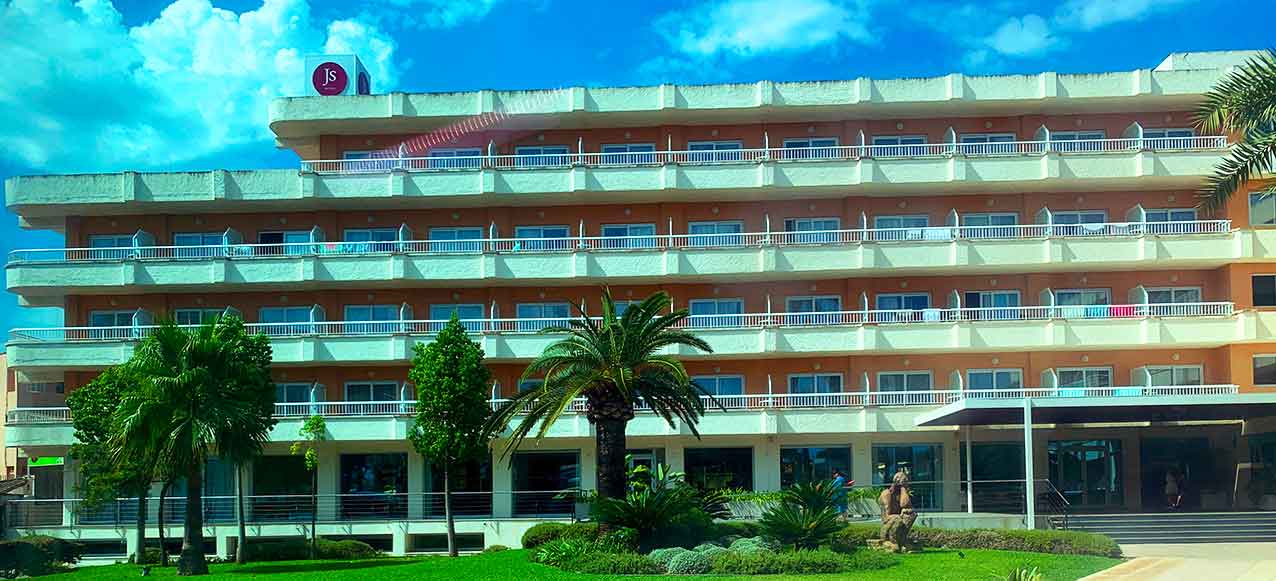
Port of Alcúdia is an important tourist area with a wide range of accommodation options, including luxury hotels, resorts, apartments and more affordable options, mainly located near the extensive Alcudia Beach. Tourist activity is concentrated in this coastal area and in terms of services, the hospitality industry diversifies its offerings with restaurants and shops, while leisure activities range from daytime (water parks, golf, beaches) to nighttime (bars and nightlife on streets such as Calle Dollar).
Accommodation in Port of Alcudia
Variety: There is a wide range on offer, from 4- and 5-star hotels to apartment blocks and tourist complexes, allowing you to choose options for different budgets.
Categories: There are adults-only hotels, all-inclusive complexes, resorts and holiday apartments.
 Hotels and services in Port of Alcudia
Restaurants: The area has numerous restaurants, including haute cuisine options and more informal establishments.
Nightlife: Port of Alcúdia has a lively nightlife, especially on the main avenue, known as “Dollar Street” or Avenida Pedro Mas i Reus.
Port d’Alcúdia in 1, 2 or 3 days
Port d’Alcúdia in one day focuses on the beach and the promenade: morning on the town beach, lunch on the promenade and an afternoon stroll around the port and Alcudiamar. If you still have energy, you can head to the old town of Alcúdia, about 20-25 minutes on foot.
Port d’Alcúdia in two days lets you add history and nature. On the second day you can visit the old town of Alcúdia and the Pollentia ruins, and in the afternoon head to s’Albufera or repeat the beach. It’s a good rhythm if you’re travelling with family or as a couple.
Port d’Alcúdia in three days gives you room to combine beach, culture and outings. One day for the beach and promenade, another for Alcúdia village and Pollentia, and another for Playa de Muro, Can Picafort or a trip to Formentor. It’s ideal if you want to alternate rest and short outings without changing accommodation.
 What to see near Port d’Alcúdia
Ordered from nearest to furthest, these are the easy getaways from Port d’Alcúdia:
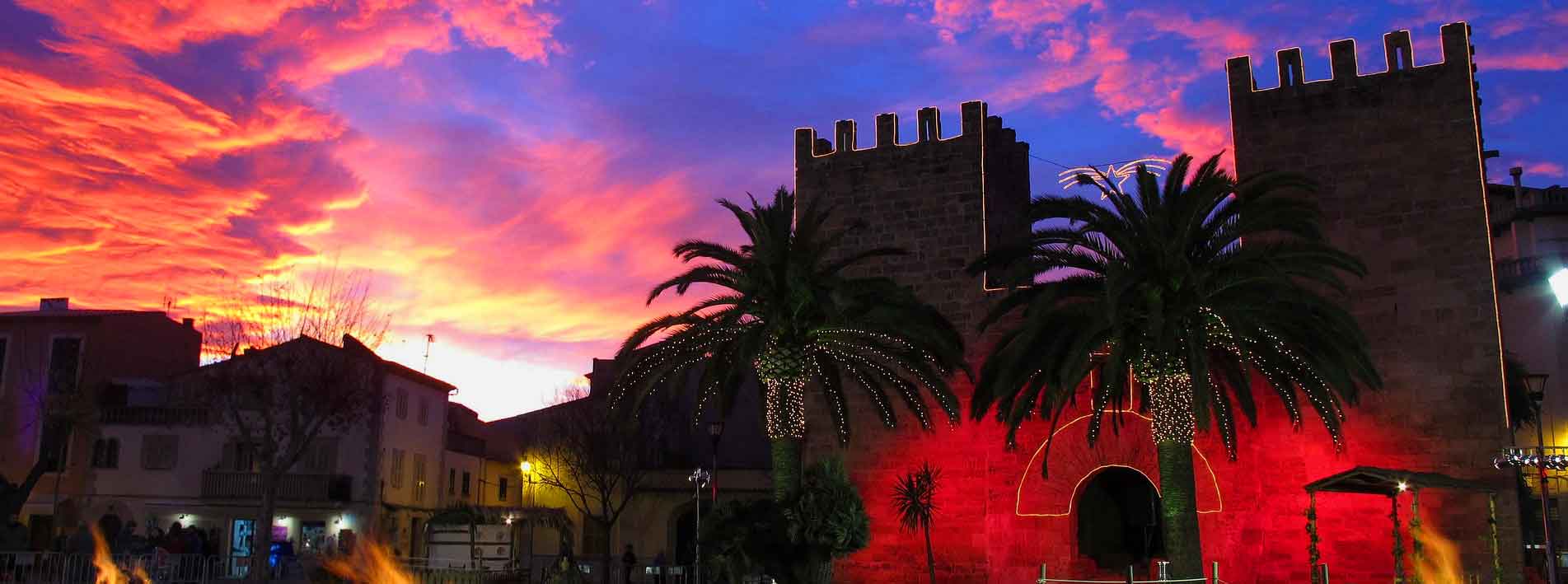
Alcúdia village (about 5 minutes by car or 20-25 on foot): walled old town, Porta del Moll and streets steeped in history. The most comfortable combination is bus or taxi if you don’t want to walk.
Playa de Muro (about 10-15 minutes): long, family-friendly beach that merges with Alcúdia beach. A good option if you’re after wide sand and services.
Can Picafort (about 20-25 minutes): coastal centre with a promenade and a lively atmosphere, useful for a change of beach or scene.
Pollença (about 25-30 minutes): charming town, Calvari and Roman Bridge. A good stop for a morning or an afternoon.
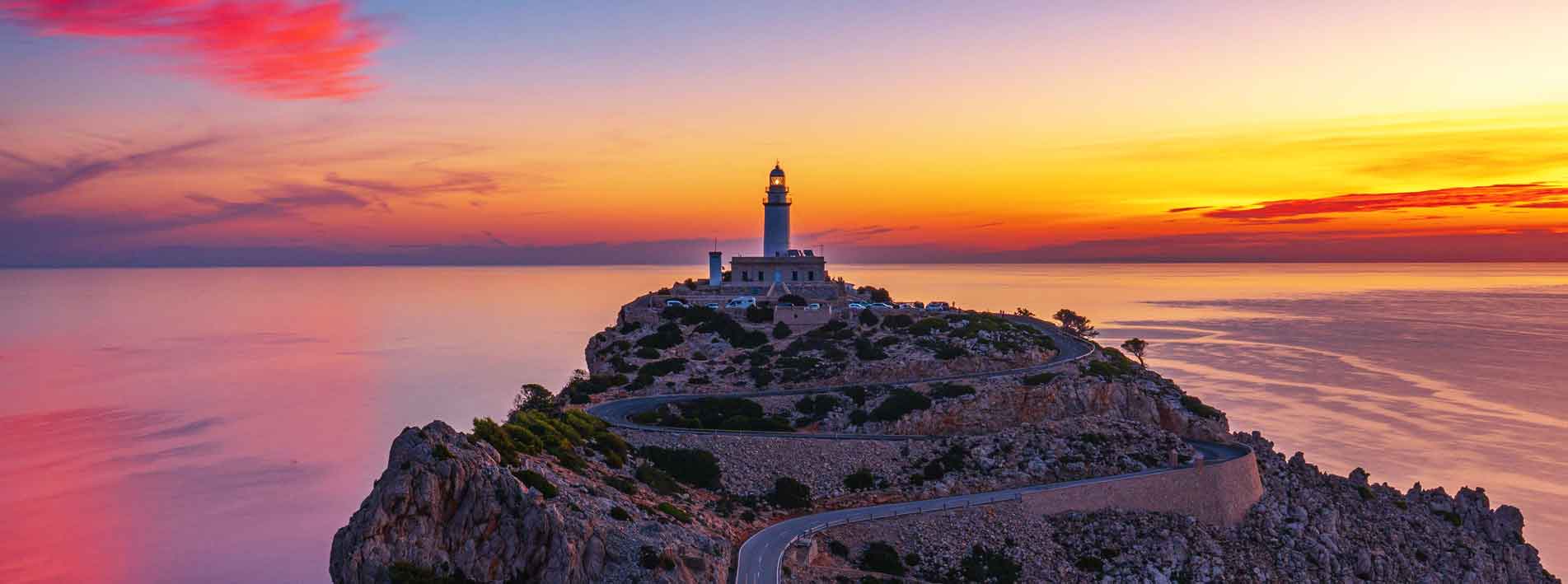
Formentor (about 30-40 minutes): lighthouse, beach and viewpoints. It’s best to go early or outside peak hours due to car access.
Palma (about 45-50 minutes): city with an old town and cathedral. Perfect for a full day.
If you want to go further, the Serra de Tramuntana and the Pollença area offer routes and charming villages within an hour, and the bay of Alcúdia lets you combine beach and nature without going too far.
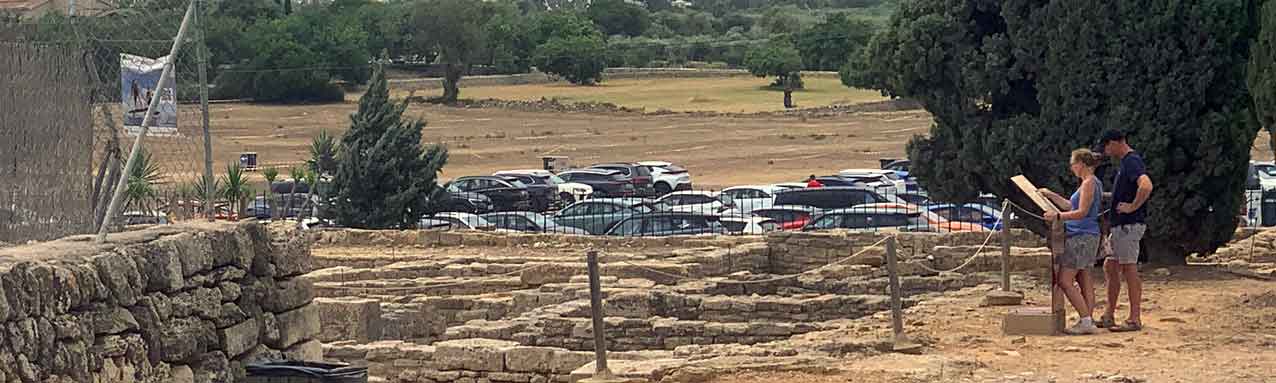 Port d’Alcúdia without a car: what you can do on foot
The port is compact and flat, so it’s easy to explore on foot: promenade, town beach, Alcudiamar and the restaurant area. On foot you can easily cover the port’s day-to-day life and the beach.
For Alcúdia village, the distance is short (about 20-25 minutes on foot) and there are also frequent buses. For Playa de Muro or Can Picafort, the most practical option is the bus (lines 302, 322 and others passing through the area). For Formentor or Pollença, consider bus or taxi if you don’t want to depend on timetables.
If you want to get around without a car, stay in the port and use bus and walking for short outings. For Formentor or Sa Calobra, consider an organised excursion if you don’t want to drive.
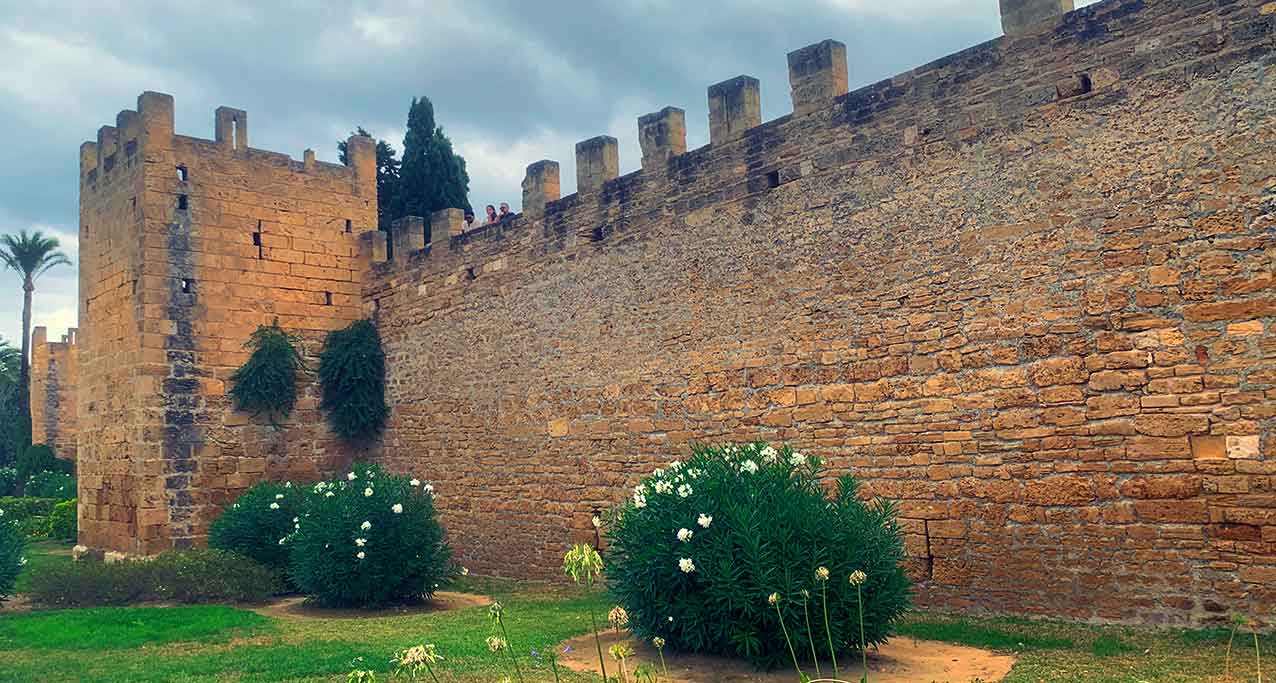 Port d’Alcúdia for families
Port d’Alcúdia is one of the most comfortable destinations in the north for families: long beach, calm waters and flat promenade. The town beach has services and lifeguards, and the promenade lets you stroll without traffic.
With children, these usually work well: the beach and promenade, Hidropark and a short visit to the old town of Alcúdia to see the walls. On hotter days, it’s best to keep the beach for early morning and leave visits for mid-afternoon.
If you’re looking for more peace, the Playa de Muro area can be a good alternative base, with a more family-friendly atmosphere and similar services just a few minutes away.
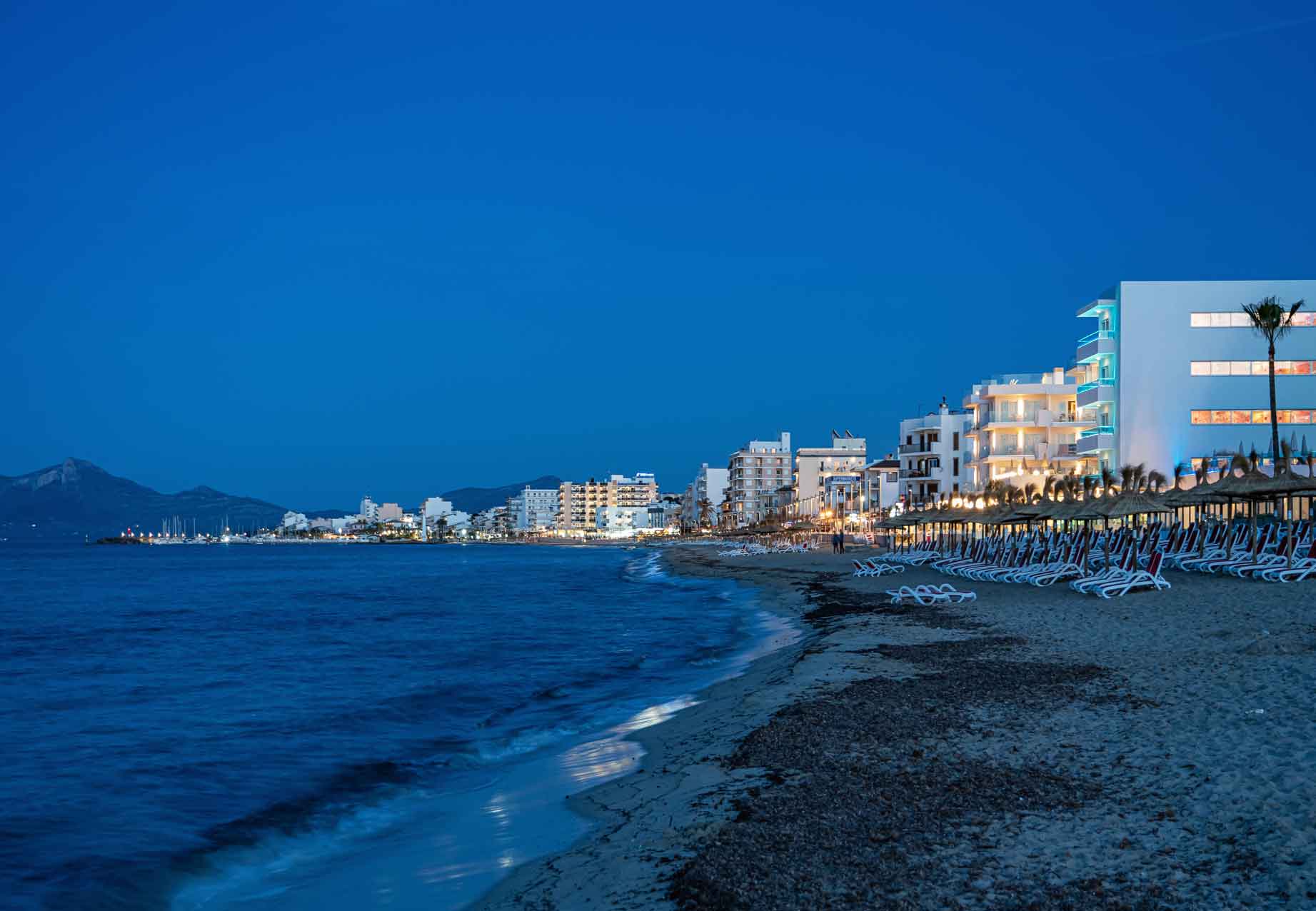 Curious facts and insider tips about Port d’Alcúdia
A port with two faces. Port d’Alcúdia combines the commercial port (the second largest on the island) with the marina and fishing port. It’s common to see ferries, yachts and fishing boats in the same bay.
The beach wasn’t always this long. The current town beach has been consolidated with the tourist development of the 20th century, and today it is one of the longest stretches of sand in the north.
Alcúdia village and Port d’Alcúdia aren’t the same. Although they’re just a few minutes apart, the village has walls and an old town, and the port is the coastal, tourist area. Many visitors confuse them and book one thinking they’re in the other.
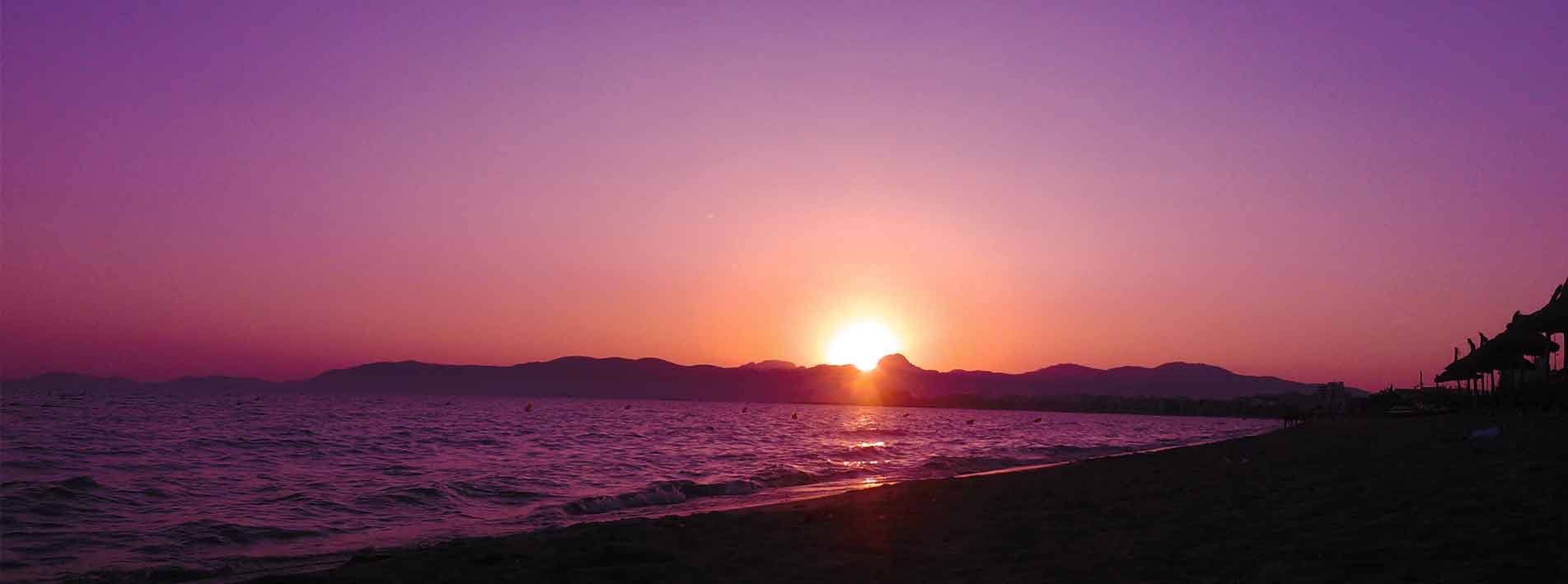
Insider tip: in high season, parking near the beach fills up and promenade restaurants book up in advance. If you’re coming for lunch, book or arrive early; if you’re just strolling, early morning or sunset is best.
Another practical note: the ferry to Menorca and Barcelona leaves from the commercial port, not the marina. If your plan is a ferry trip, check beforehand and arrive with time for checks.
Frequently asked questions about Port d’Alcúdia
Where to park in Port d’Alcúdia? There is parking near the beach and the port, but it fills up in high season. If you’re staying in the centre, the easiest thing is to walk and use the car only for outings.
Is it better to stay in Port d’Alcúdia or in Alcúdia village? The port is more coastal and tourist-oriented, with beach and promenade; the village is more historic and quiet, with walls and a local atmosphere. The choice depends on whether you prioritise the beach or the old town.
Is there a party scene in Port d’Alcúdia? It has a lively atmosphere, especially in the “Dollar Street” area and on the promenade, but it’s not an intense party destination like other areas of Mallorca. It’s more about terraces and dinners than mass clubs.
When is the best time to go to Port d’Alcúdia? From May to October there are full services and good weather. July and August are the busiest months; May, June and September usually offer the best combination of good weather and fewer people.
Do you need a car to visit Port d’Alcúdia? For the beach and promenade, no. For Alcúdia village, Playa de Muro, Pollença or Formentor, it is recommended. You can also combine bus and taxi for short outings.
Can you drink tap water in Mallorca? In general, the mains water is potable, although the taste may vary. Many visitors choose bottled water for drinking, but for cooking and washing it is suitable.
And that’s it for this brief overview of Port of Alcúdia, in Mallorca. We hope it helps.
By the way: Are you coming to Mallorca on a tourist trip? If you find it helpful, you can also check out our travel guide to Mallorca and more tourist information about the island