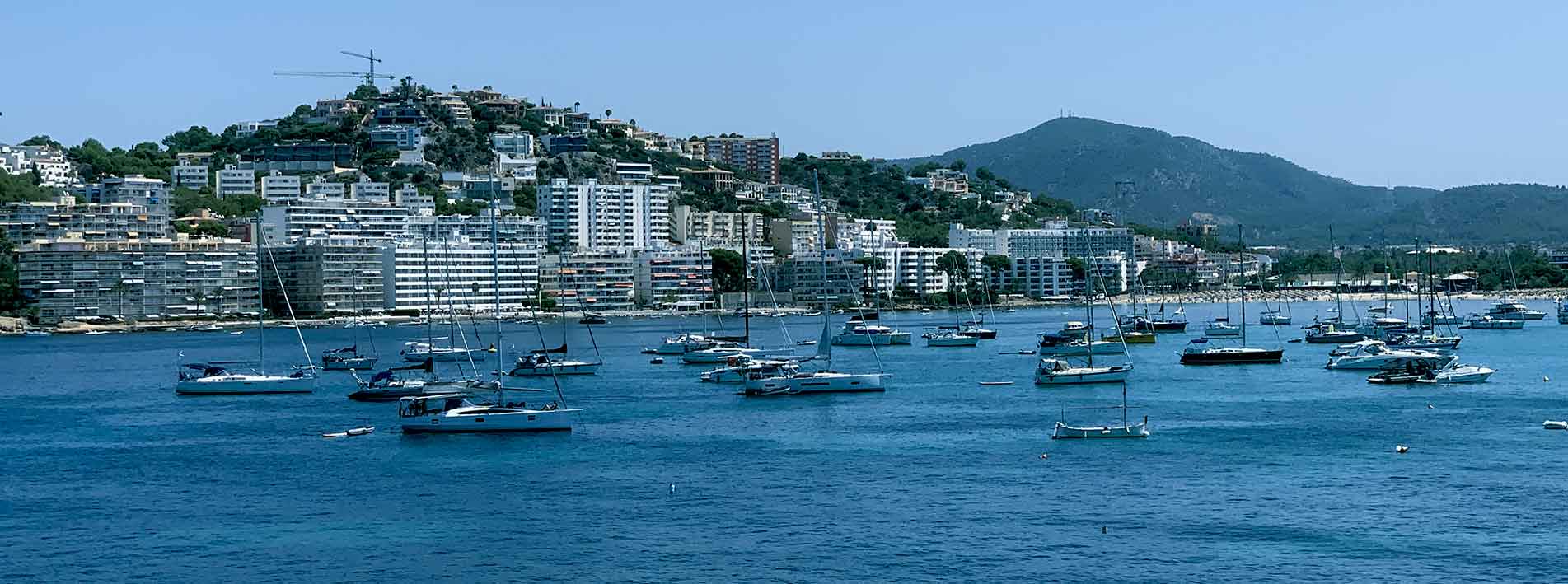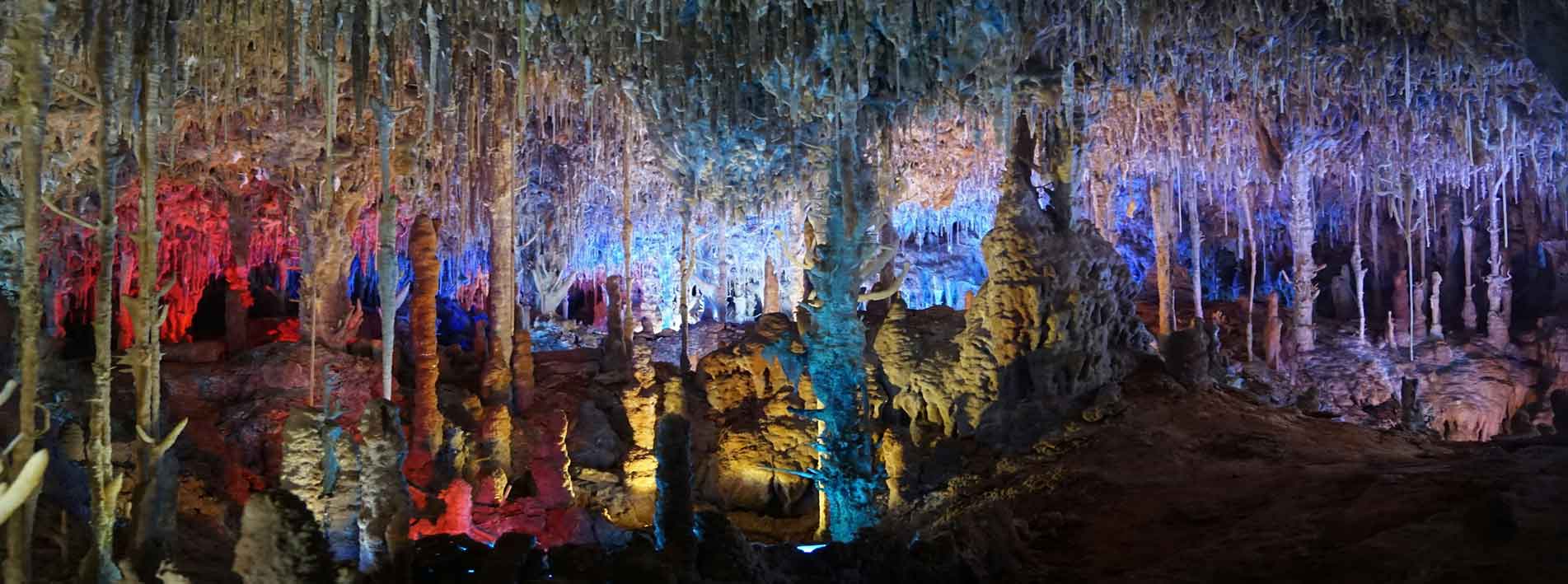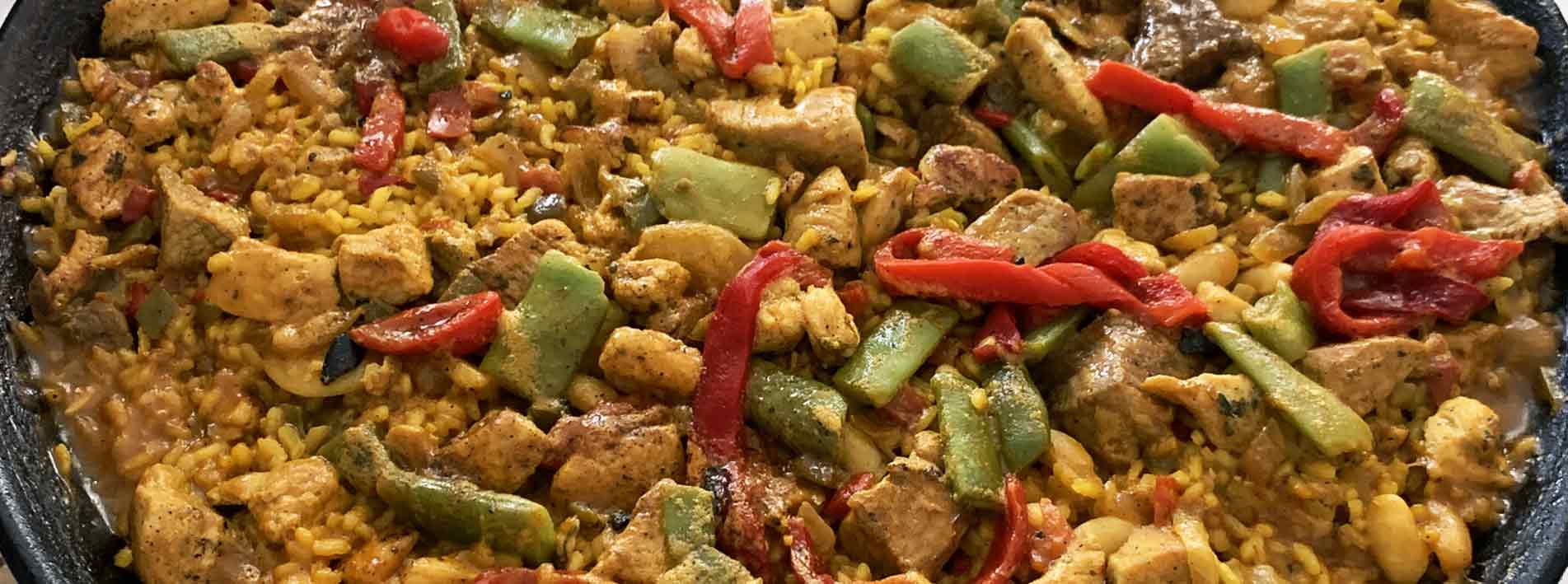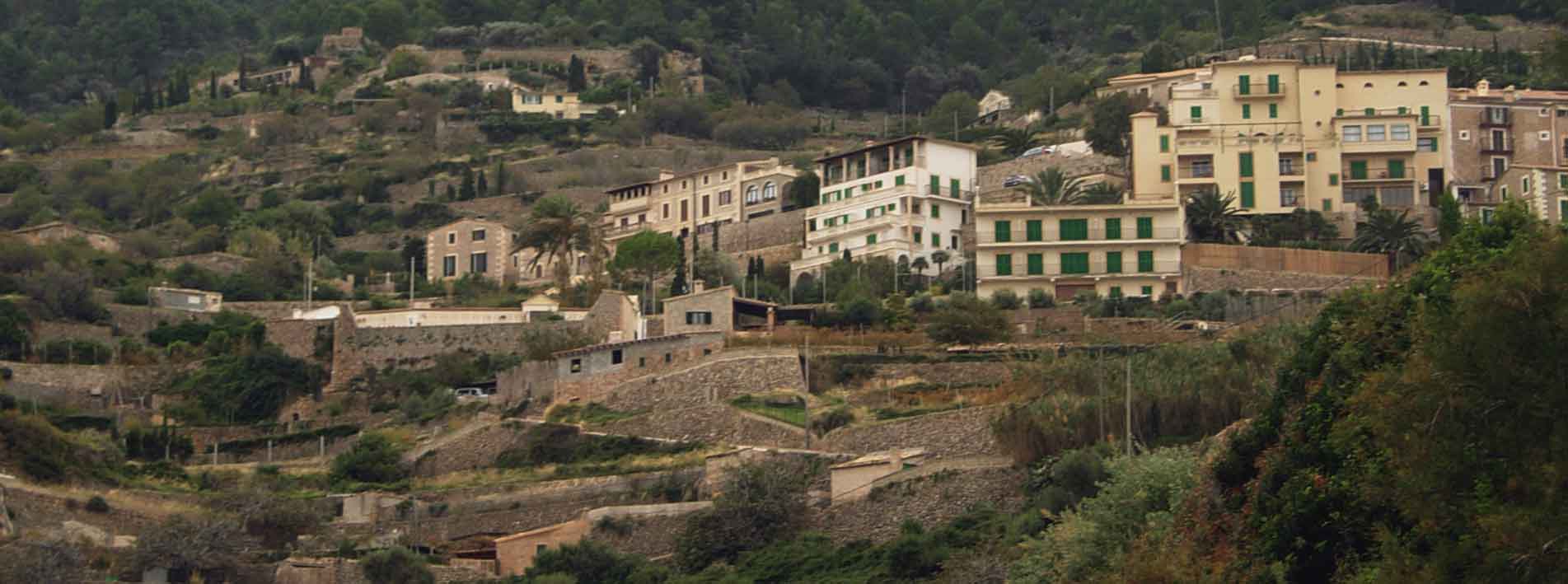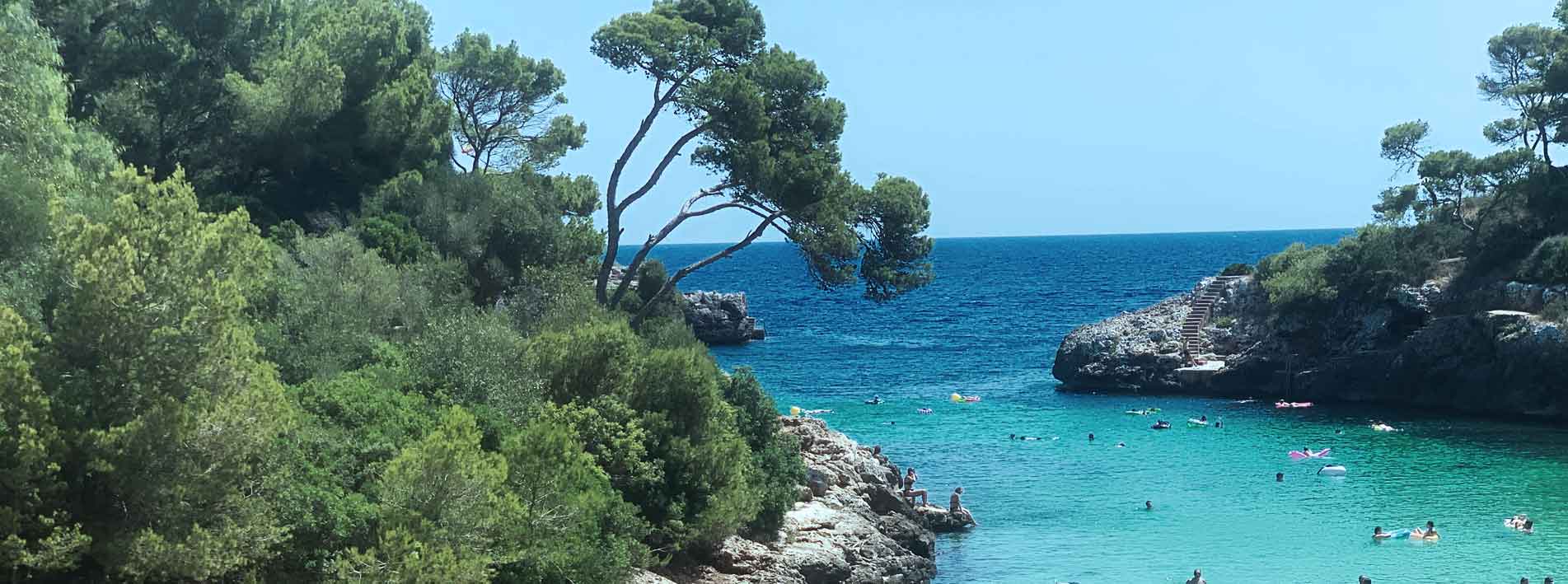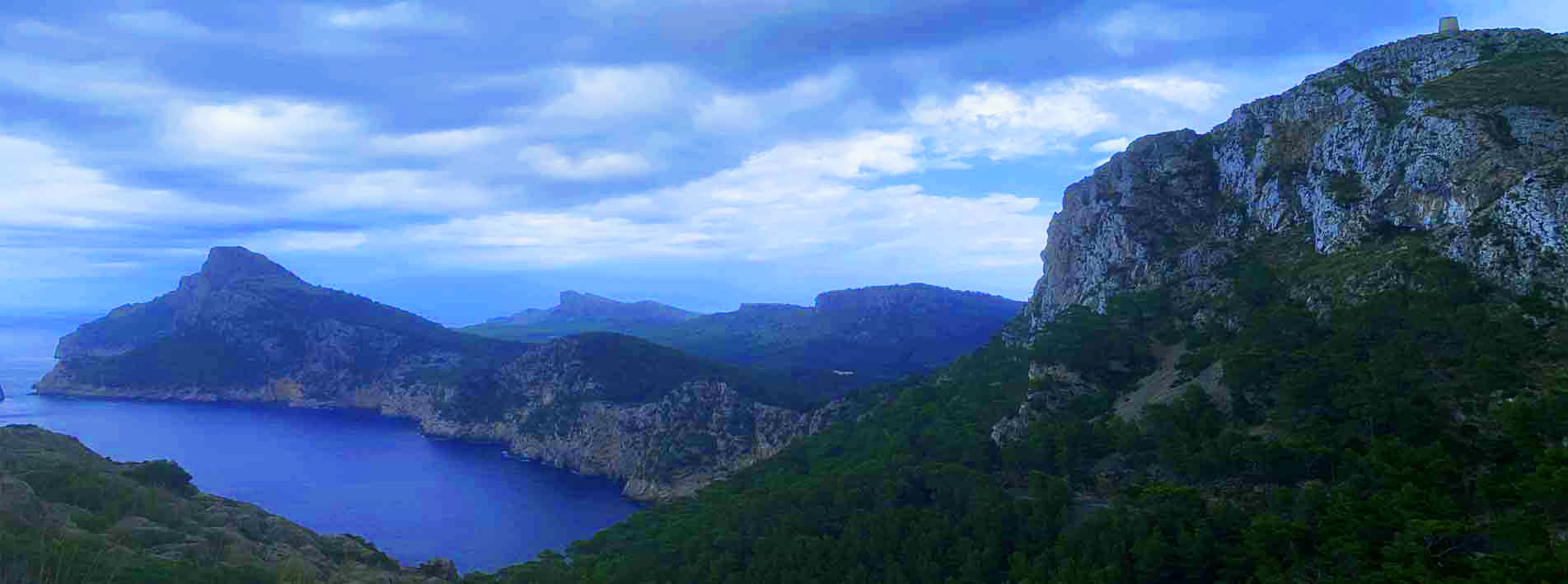

Can Picafort, also known as ‘Ca’n Picafort’, is a locality belonging to the municipality of Santa Margalida, in the northern part of Mallorca. Located on the north coast of Mallorca, Can Picafort is known for its sandy beach and its peaceful atmosphere, surrounded by natural areas such as the Albufera. The town has a population of approximately 13,000 inhabitants, of which 25% are foreign residents.
In environmental terms, it stands out for its strategic location between two natural parks, the Son Real Public Estate and the Natural Park of s’Albufera de Mallorca, a Wetland Area of International Importance, included in the Ramsar Convention and in the Natura 2000 Network.
 Toponymy
According to tradition, its name comes from Jeroni Fuster ‘Picafort’, one of the first inhabitants who built his summer house (a fishing hut) right here at the end of the 19th century, giving rise to the development of the village. In Catalan, ‘can’ means ‘house of’ or ‘place of’ and is used to indicate someone’s property or residence. ‘Picafort’ is the surname of Jeroni Fuster, who is popularly considered to be the founder of the village as such.
Economy of Can Picafort
The local economy is mainly based on tourism, with an important offer of services for tourists. Although to a lesser extent, agriculture is also part of the local economy, with the participation of Mallorcan farmers in the weekly market and the production of local foodstuffs such as sausages, olives and olive oil.
Location of Can Picafort
Can Picafort is located on the northeast coast of Mallorca, in the Bay of Alcudia. It borders the Natural Park of S’Albufera to the west and the Natural Park of Llevant to the east. It is approximately 10 kilometres from Port d’Alcudia and 10 kilometres from Santa Margalida. The beach of Muro, a stretch of sand several kilometres long, starts in the centre of Can Picafort and stretches westwards…
 How to get to Can Picafort
Can Picafort, located in the northeast of Mallorca, is accessible in the public transport by road. By car, it can be reached from Palma by the Ma-13 motorway and then by the Ma-3431 road. There are also buses from Palma and the airport.
Getting to Can Picafort by car
Getting to Can Picafort by car: Can Picafort is easily accessible by road from Palma and other towns. From Palma, take the Ma-13 towards Alcúdia. Follow the signs to Can Picafort until the exit onto the Ma-3240 in the direction of Llubí and then follow the signs to Can Picafort on the Ma-3440. The distance by road from Palma is approximately 56 km. If you are on the coastal road, follow the signs to Alcudia and then to Can Picafort.
If you want to rent a car to get around the island freely and reach Can Picafort without relying on public transport, here you can compare prices, conditions and dozens of models to rent a car in Mallorca.
Getting to Can Picafort by bus
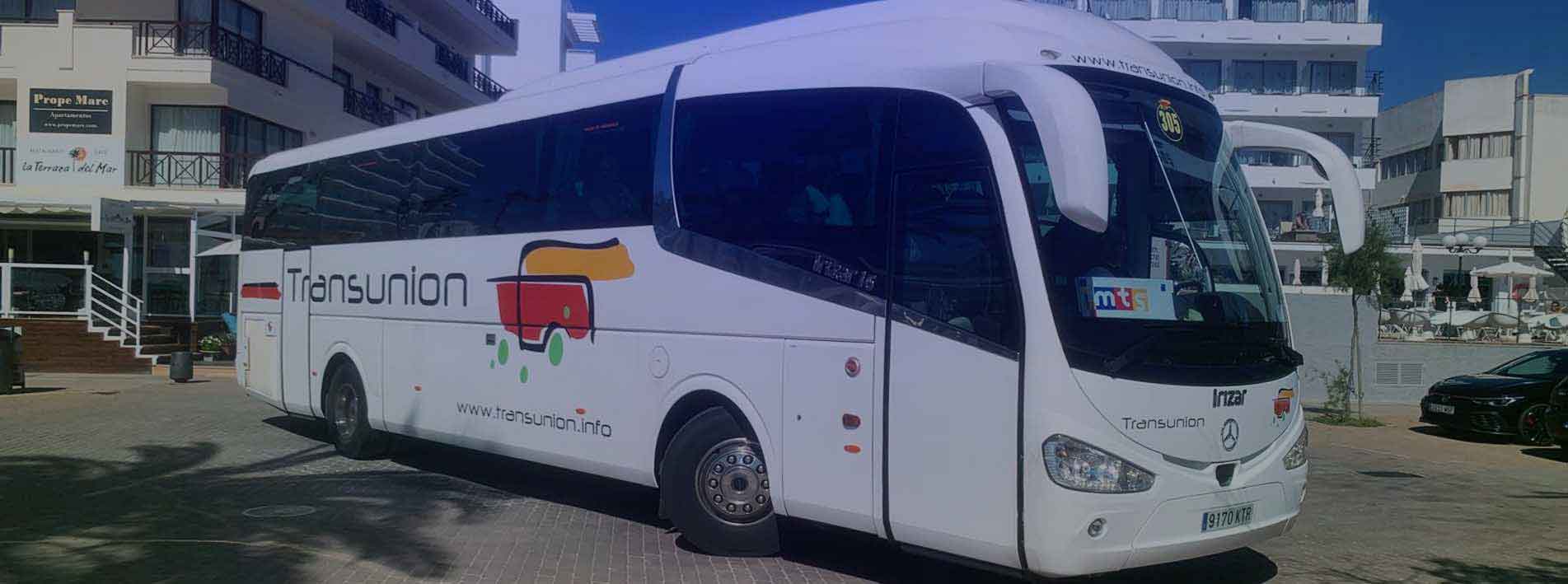
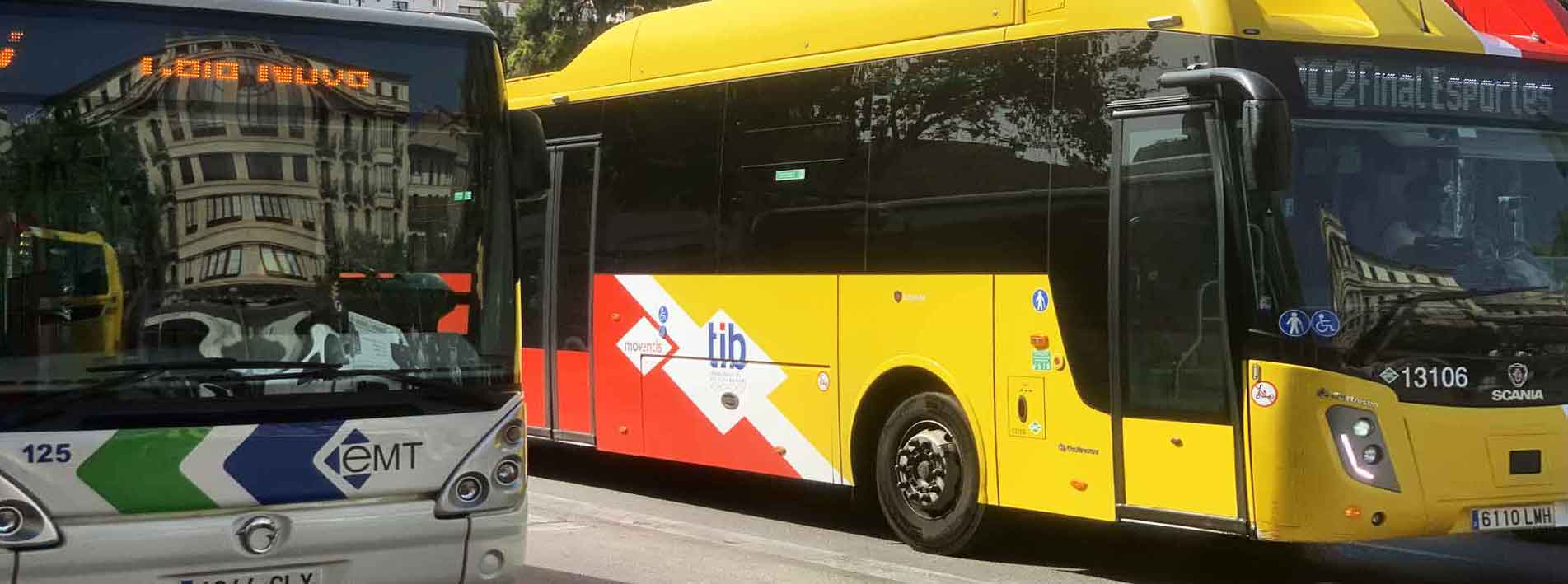
Getting to Can Picafort by public transport of Mallorca: From Palma, you can take bus line 302 from Plaza de España. This line operates between both points with intermediate stops. The journey takes approximately 1 hour and 26 minutes and the fare is between 7 and 10 euros.
From the airport, line A32 goes to Can Picafort, which is approximately one hour from Palma Son Sant Joan airport.
From Inca, line 395 also takes you to Can Picafort. Tickets can be purchased on board or online at the TIB website.
Getting to Can Picafort by taxi
The price of a taxi from Palma to Can Picafort can vary, but generally ranges from €90 to €120 during the day and €100 to €130 at night or weekends, depending on the rates of some providers. The journey takes approximately 45-50 minutes.
You can also request a taxi to get to the area. The distance and price of a taxi to Can Picafort depend on the starting point. For example, from Inca, the distance is about 26 km and the approximate price is €30-€40. From Palma de Mallorca, the distance is about 72 km (approximately 1h 27m duration) and the price could be around €90-€110, depending on the type of service.
Additional information
Can Picafort is approximately 9.4 km and 18 minutes by car from Alcúdia. It is approximately 22.7 km and 25 minutes by car from Artà…
Parking: Parking is available near the beach of Can Picafort and in other areas of this popular town.
Additional information: Can Picafort is about 70 km north of Palma de Mallorca, which translates to approximately 1 hour and 25 minutes by car. The exact distance varies depending on the route and transportation used.
Historical summary of Can Picafort
Can Picafort, originally a small fishing village, became an important tourist destination in Mallorca. Its history begins at the end of the 19th century, when several families from Santa Margalida built fishermen’s huts and some summer houses near the wetlands, in the area of the quay where the marina is now located.
In the middle of the 20th century, especially from the 70’s onwards, Can Picafort experienced a rapid growth as a tourist destination, from a small fishing village with barely 200 inhabitants to a tourist resort with a wide range of hotels and restaurants.
In recent years, Can Picafort has definitely become the population centre with the highest number of inhabitants and visitors within the municipality of Santa Margalida. In spite of this growth, Can Picafort has managed to maintain a certain village essence.
 Tourism in Can Picafort
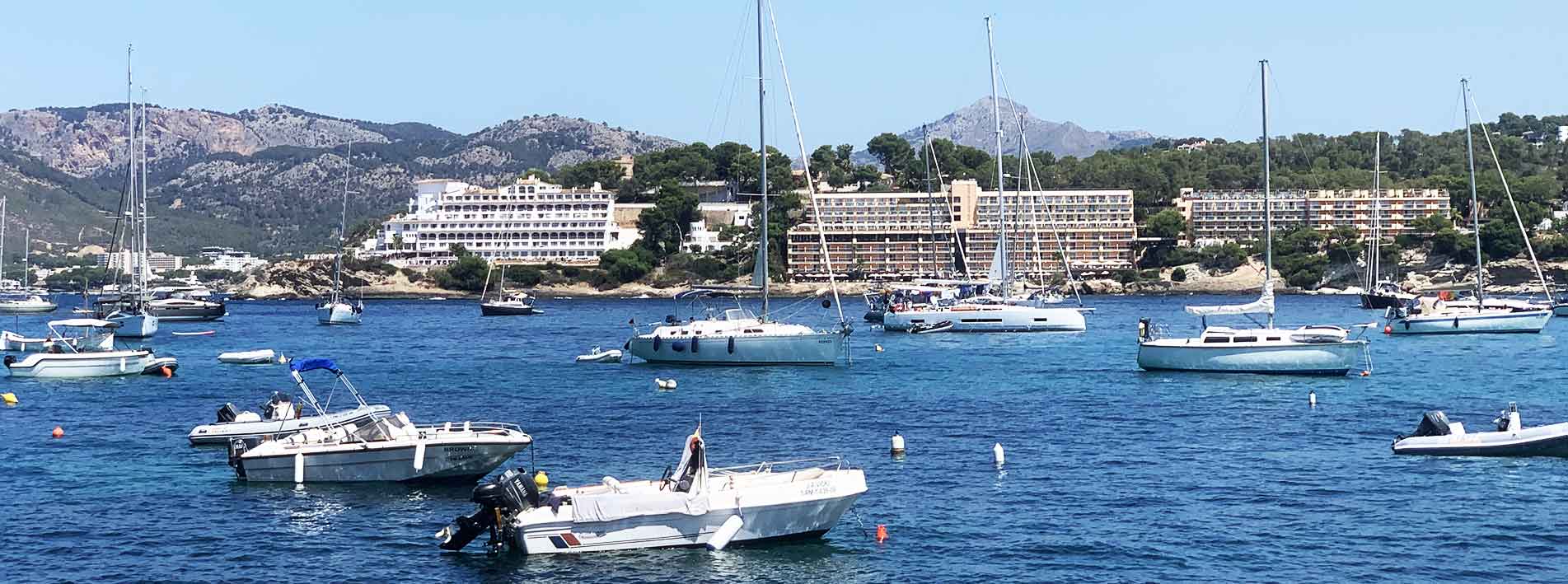
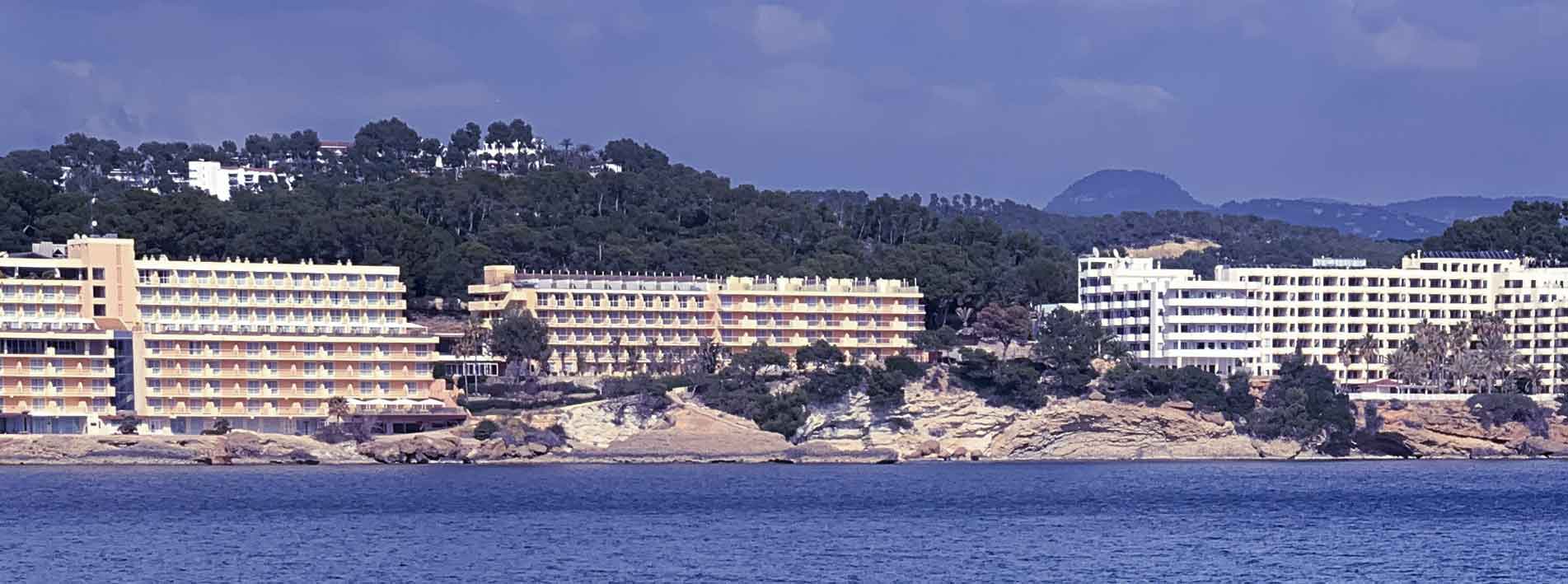
Can Picafort is a coastal tourist town located in the Bay of Alcudia, in the north of Mallorca. It belongs to the municipality of Santa Margalida and is one of the main tourist destinations on the island, with a wide range of hotels and restaurants. The area is known for its beaches, its hotels and tourist activities, as well as for its rich history and heritage.
Culture of Can Picafort
Can Picafort offers a rich mix of history, culture and nature. From its pre-Roman archaeological sites to its maritime traditions and contemporary cultural events, there is much to explore.
Among its archaeological and ethnographic heritage we can enjoy the Necropolis of Son Real. Also known as the Cemetery of the Phoenicians, it is an important archaeological site with tombs from the 7th to 2nd centuries BC. Son Real is a protected natural space with remains of constructions from different periods, including a dolmen and two hypogeum.
The Son Bauló archaeological sites are testimonies of life in the area from the Proto-Talayotic to the Talayotic and post-Talayotic periods, with emphasis on funerary rites. In the district of Son Bauló there is a small protected natural area where you can see a great deal of wildlife and there are important archaeological excavations.
The Talaiots from Son Serra de Marina are prehistoric archaeological sites with well-preserved stone constructions. The Quarries of Son Real are quarries from which stones were traditionally extracted until the mid-20th century. The jetties are also ancient shelters for boats dating back to the Middle Ages, some of which are cut into the rock itself.
 Traditions, festivals and markets
The Festes de la Mare de Déu is held in August, several days of festivities with music, dancing and the traditional ‘Sopar a la fresca’. The Flight of the rubber ducks is a traditional event that takes place during the Festes de la Mare de Déu d’Agost, usually on the 15th of August. It consists of throwing rubber ducks from boats into the sea and the participants swim out to catch them. Afterwards, a raffle is held with the numbers of the ducks, offering prizes to the winners.
The Saladina Art Fest is a cultural project that seeks to give a new image to the village through artistic events where international artists create murals in public spaces; while the Can Picafort Market is held on Friday mornings and offers local products and handicrafts.
Gastronomy and Hospitality
Can Picafort’s gastronomy is based on fresh, seasonal ingredients, including fish, seafood and produce from the Mallorcan market garden. It offers a wide variety of restaurants with local typical dishes, as well as events such as the annual Jornadas Gastronómicas del Calamar (Squid Gastronomic Days), which are held in the Plaza Cervantes.
In Can Picafort you can find restaurants offering a wide variety of gastronomic options, from international cuisine to typical Mallorcan dishes. Can Picafort is a good place to enjoy traditional Mallorcan gastronomy, with dishes such as the typical pa amb oli, the ensaïmades, Mallorcan sopes, frit de porc and the delicious sobrassada.
 What to see and do in Can Picafort
Can Picafort is a tourist destination that offers a mix of relaxed fishing village atmosphere and tourist services, with beaches, nature and leisure activities. The activities available are typical of a village atmosphere with its restaurants, bars and proximity to quiet beaches such as Son Real or Son Serra de Marina. This town also has a wide range of accommodation options, from hotels for adults to vacation homes and a weekly market with local products and crafts.
Beaches and nature
Can Picafort has a wide variety of beaches, from the largest and most popular, Can Picafort Beach, to quieter, unspoiled options such as Son Bauló Beach and Son Real Beach.
Muro Beach: A long golden sand beach with turquoise waters, perfect for swimming and water sports.
S’Albufera Natural Park: An extensive wetland ideal for hiking, cycling and bird watching, with bike paths and observation huts.
Son Real Public Estate: A nature and rural culture interpretation center located near the Son Real Necropolis.
Activities and services available
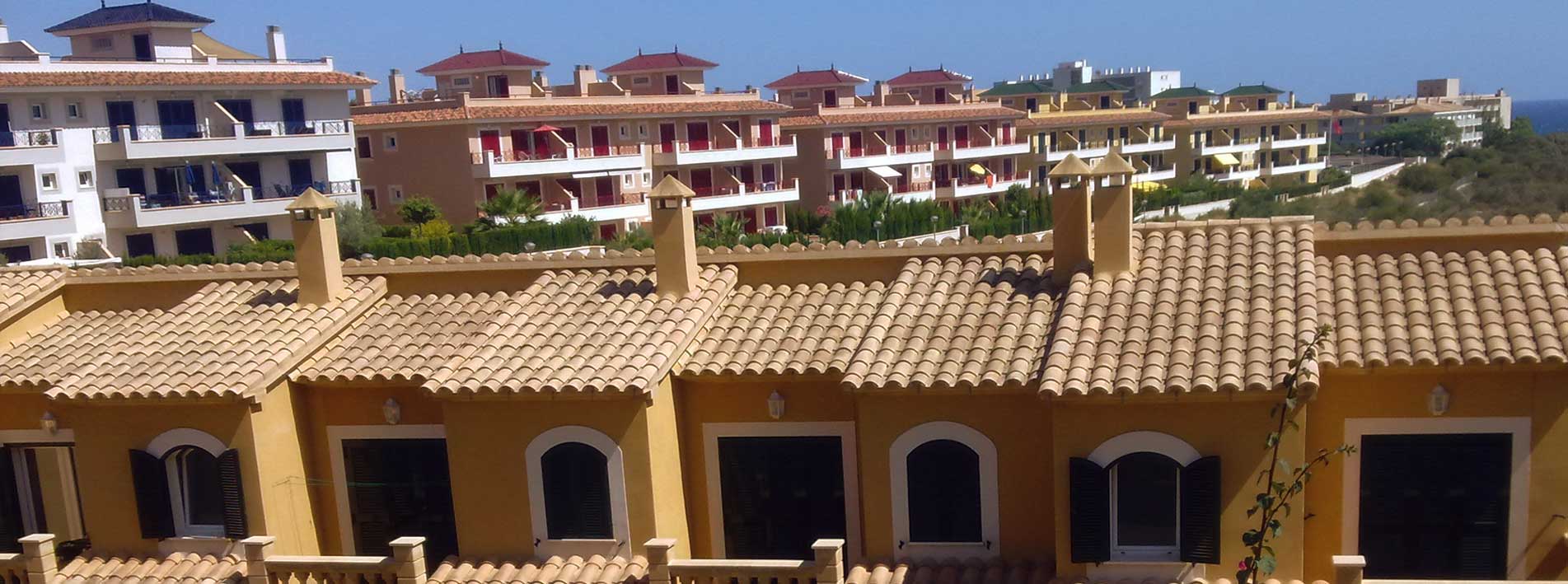
Hotels: There is a wide range of hotels, with hotels of all categories, aparthotels and vacation homes for families, couples, or large groups.
Weekly market: To sample local products, the weekly market in Can Picafort offers a wide variety of products, from cold cuts and cheeses to handicrafts.
Nightlife: Although the zone has numerous bars and restaurants, nighttime entertainment is limited, so it may not be the ideal destination if you are looking for a party atmosphere.
Pure tourism: Can Picafort is a popular tourist destination, especially with families and German tourists. If you prefer a more authentic and traditional area, it may not be the most suitable place. But there are options for all tastes. In Can Picafort, you can also enjoy everything from catamaran tours to water sports such as windsurfing and kitesurfing.
History and culture
The proximity of the Son Real and Albufera nature reserves offers an experience close to nature, with local wildlife and archaeological remains. So in Can Picafort you can see and visit:
Son Real Necropolis: A fascinating archaeological site with prehistoric tombs from the Talayotic period.
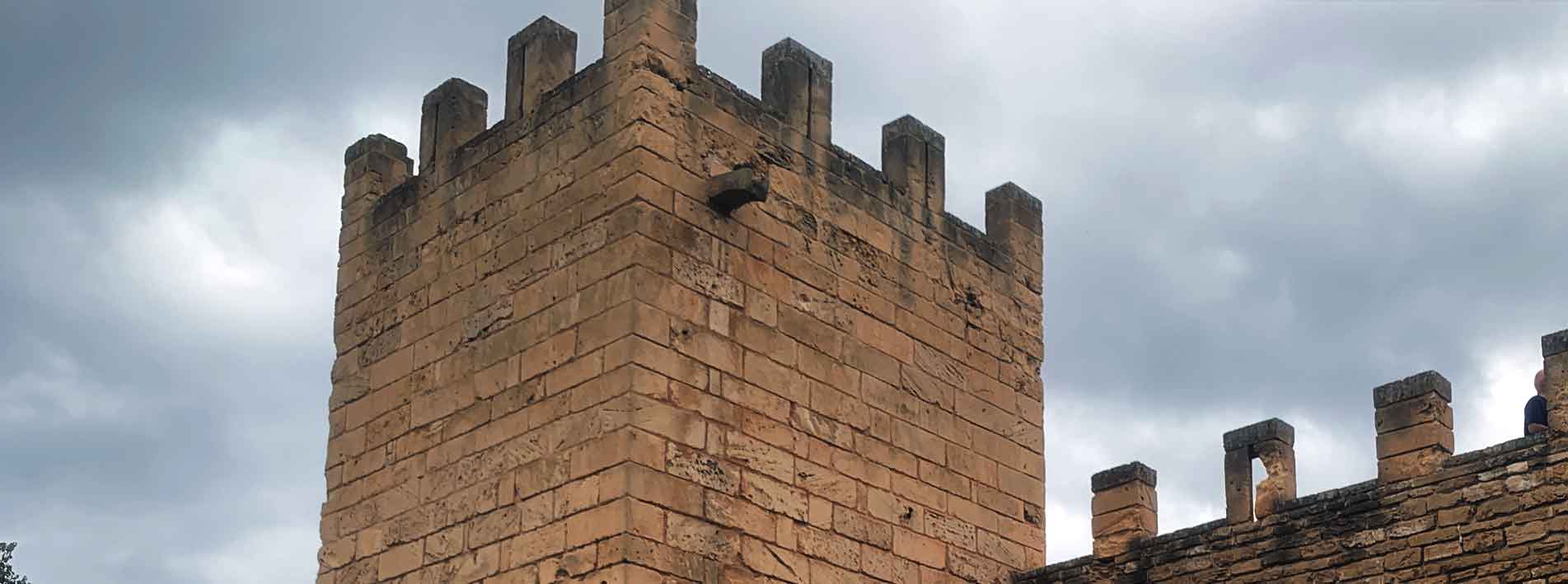
Alignment Towers: Eight defense towers built in the 1940s, which were part of a navigation system for submarines and now form part of the coastal skyline.
Church of Santa Margalida: A 17th-century church located in the nearby village of Santa Margalida, an example of Mallorcan architecture.
Hiking
In Can Picafort, the Blue Trail refers to the “Camí de sa Marina de Son Real,” a route that connects Can Picafort with Son Serra de Marina, passing through the Son Real Necropolis. This trail, awarded the Blue Trail distinction, stands out for its natural, heritage and cultural value, as well as connecting Blue Flag beaches and promoting sustainable use of the coastline.
Sports activities
In Can Picafort, you can enjoy a wide variety of sports activities, both aquatic and terrestrial. There are options for all tastes, from water sports such as sailing, windsurfing and scuba diving, to land activities such as cycling, tennis, golf and paddle tennis.
 Water activities
Can Picafort is ideal for sports such as sailing, windsurfing, kitesurfing, water skiing, jet skiing and scuba diving. You can rent sailing boats, motor boats, kayaks and other equipment to explore the coast and enjoy the sea. The town offers excursions by catamaran, sailboat or glass-bottom boat to explore the north coast of Mallorca and visit places like Formentor or the Llevant Natural Park. You can also sign up for fishing tours and charters.
Other activities
In addition to these excursions, you can enjoy horse riding to enjoy the landscape, while motor and speed lovers will be able to explore the surroundings by going on karting rides….
All in all, Can Picafort is known for its lively atmosphere, especially during the summer season, with many activities for tourists. It attracts mainly European visitors, especially Germans. The locality has experienced a significant growth in tourism, transforming from a small fishing village into a tourist resort with an impressive infrastructure. The local population cohabits with the foreign population, resulting in a multicultural environment.
 Can Picafort in 1, 2 or 3 days
Can Picafort is a compact, quiet destination, ideal for combining beach, nature and village life. One day is enough for the beach and the promenade; with two or three, you can add Son Real, s’Albufera or a getaway to Alcúdia or Pollença.
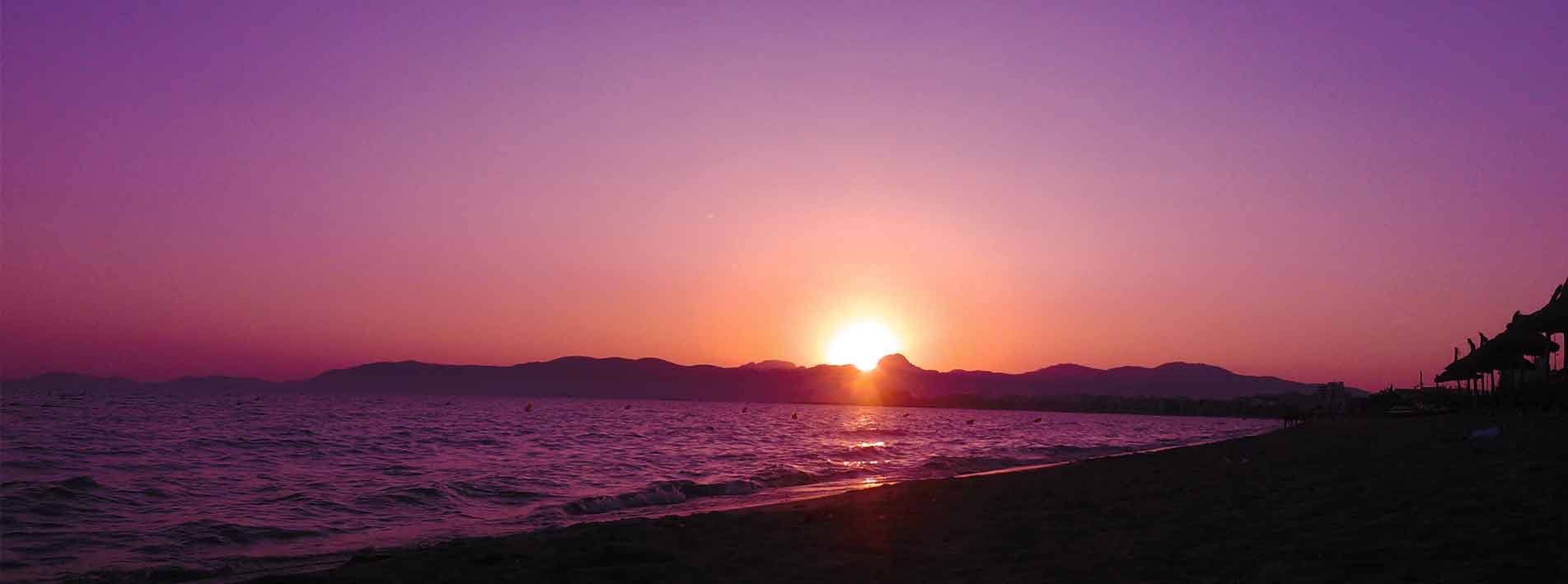
One day in Can Picafort: Morning at Can Picafort Beach (fine sand, shallow waters and all services). Lunch on the promenade. Afternoon at Son Bauló beach (quieter) or a walk to the marina. At sunset, a stroll along the promenade and dinner in the centre.
Two days in Can Picafort: Day 1 beach and promenade. Day 2 route along the Camí de sa Marina de Son Real (Blue Trail) to Son Serra de Marina, with a stop at the Son Real Necropolis. Lunch in Son Serra or back in Can Picafort. If you have time, visit s’Albufera Natural Park (10 minutes by car).
Three days in Can Picafort: Add a getaway to Alcúdia (walled old town and Pollentia) or Pollença (Calvary and Sunday market). You can also spend the third day on water activities (windsurfing, kitesurfing, paddle surfing) or a catamaran trip along the north coast.
Tip: In high season, start early for the beach and book a restaurant if you want to have dinner on the promenade. A car is useful for s’Albufera, Son Real or Alcúdia, but for day-to-day life in Can Picafort it is unnecessary.
 What to see near Can Picafort
Can Picafort is well located in the Bay of Alcúdia, with nature on one side and charming villages on the other. These are the most practical getaways.
Son Serra de Marina (10 min by car): A small coastal centre with an unspoiled beach and a quiet atmosphere. You can walk there along the Camí de sa Marina (Blue Trail), one of the most beautiful routes in the area.
S’Albufera Natural Park (10 min by car): The most important wetland in the Balearics, ideal for birdwatching, hiking and cycling. It has signposted routes and birdwatching hides.
Son Real Public Estate and Necropolis (10 min by car / on foot via the Blue Trail): A protected natural area with archaeological sites (dolmen, hypogea, Talayotic necropolis) and coastal hiking trails.
Alcúdia (10-15 min by car): The walled old town, the Roman city of Pollentia and the Tuesday and Sunday market. A historical contrast to the coast.
Pollença (20-25 min by car): The village of the Calvary and its Sunday market, with a very well-preserved stone old town.
Port d’Alcúdia (10 min by car): The marina and tourist port, with a promenade, restaurants and ferries to Menorca.
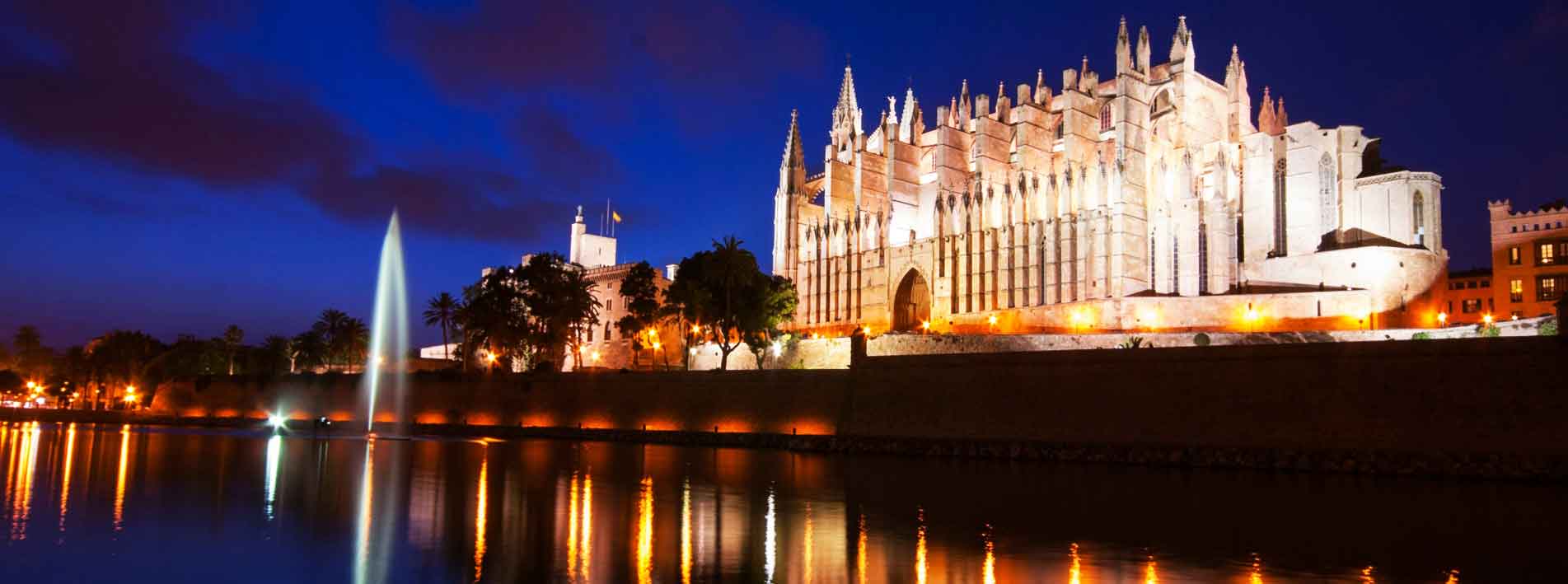
Palma (1 hour by car / 1h30 by bus line 302): The capital, with the Cathedral and the old town. It is a full-day excursion.
 Can Picafort without a car: what you can do on foot
Can Picafort is a very walkable destination: the beach, the promenade and the nearby centres are all within easy reach.
Beach and promenade: Can Picafort beach can be explored on foot and the promenade connects the centre with Son Bauló and the marina. It is the simplest option for day to day.
Son Bauló (15-20 min on foot from the centre): A quieter beach than the main one, with fewer services but a more local atmosphere. You can walk there along the promenade.
Marina (15 min on foot): A pleasant walk from the centre. Departure point for boat and catamaran trips.
Camí de sa Marina de Son Real (on foot from Can Picafort): The Blue Trail that connects Can Picafort with Son Serra de Marina, passing through the Son Real Necropolis. It is a flat, well-signposted route, ideal for walking or cycling.
If you want to go further: For s’Albufera, Alcúdia or Pollença, a car or bus is recommended. Line 302 connects with Palma; line 395 connects with Inca; the A32 connects with the airport.
 Can Picafort for families
Can Picafort is one of the most family-friendly destinations in the Bay of Alcúdia, with safe beaches and services designed for children.
Beach: Can Picafort Beach has shallow waters, fine sand and services such as lifeguards, sun loungers and access ramps. It is ideal for small children.
Promenade: Flat and with a bike lane, perfect for walking with a pushchair or by bike. There are playgrounds and shaded areas.
Son Bauló: A quieter beach, with fewer crowds and a more natural setting. A good option if you are looking for a more relaxed atmosphere with children.
S’Albufera: The natural park has flat routes and bird observatories, ideal for a short family excursion.
Blue Trail: The Camí de sa Marina is flat and suitable for families, although you should carry water and sun protection in summer.
Leisure: There is minigolf, karting and water activities suitable for families. The general atmosphere is quiet and safe.
 Curious facts and insider tips about Can Picafort
The name: “Can Picafort” comes from Jeroni Fuster “Picafort”, the fisherman who built his summer hut here at the end of the 19th century. “Can” means “house of” in Catalan, so the name literally means “Picafort’s house”.
The youngest village in the municipality: Can Picafort is the centre with the most inhabitants and visitors in Santa Margalida, but it was born as a small fishing village with barely 200 inhabitants in the mid-20th century. In a few decades it went from fishing huts to a tourist resort.
Between two natural parks: Few destinations in Mallorca can boast of being between two natural parks: s’Albufera to the west and Son Real to the east. That gives it an environmental value that other more crowded areas do not have.
The rubber duck race: During the Festes de la Mare de Déu d’Agost (15 August), rubber ducks are thrown into the sea from boats and participants swim out to collect them. There is then a raffle with prizes. It is one of the most unique traditions in the area.
Blue Trail: The Camí de sa Marina de Son Real is one of the few trails in Mallorca awarded the Blue Trail distinction, for its natural, heritage and cultural value.
Insider tip: If you want to avoid the crowds on the main beach, walk towards Son Bauló or south towards the Son Real area. There you will find quieter beaches and a more natural atmosphere, even in high season.
 Frequently asked questions about Can Picafort
Where can I park in Can Picafort? There is parking near the beach and in other areas of the village, but it fills up in high season. Free parking areas are on the outskirts of the centre; if you are staying in the centre, it is best to park outside and walk.
Is Can Picafort for families or for partying? Can Picafort is a distinctly family-friendly destination: wide, shallow beach, flat promenade, playgrounds and a quiet atmosphere. There are bars and restaurants, but nightlife is limited compared to other areas such as Magaluf or Playa de Palma. If you are looking for a party, it is not the ideal place.
What is the best time to visit Can Picafort? May to June and September to October: good weather, beach open but not crowded and more reasonable prices. July and August are the busiest months. In winter the destination is very quiet and many establishments close.
Do I need a car to get around Can Picafort? Not for the beach, the promenade, Son Bauló or the marina: they are all walkable. For s’Albufera, Son Real, Alcúdia or Pollença, a car or bus is recommended.
Can you drink tap water? Yes, the water is drinkable, although many people prefer bottled water for the taste.
Tipping: Not mandatory, but it is appreciated to leave 5-10% in restaurants if the service has been good.
By the way, are you coming to Mallorca on a tourism trip? If you find it helpful, you can also consult our travel guide to Mallorca and more tourist information about the island.