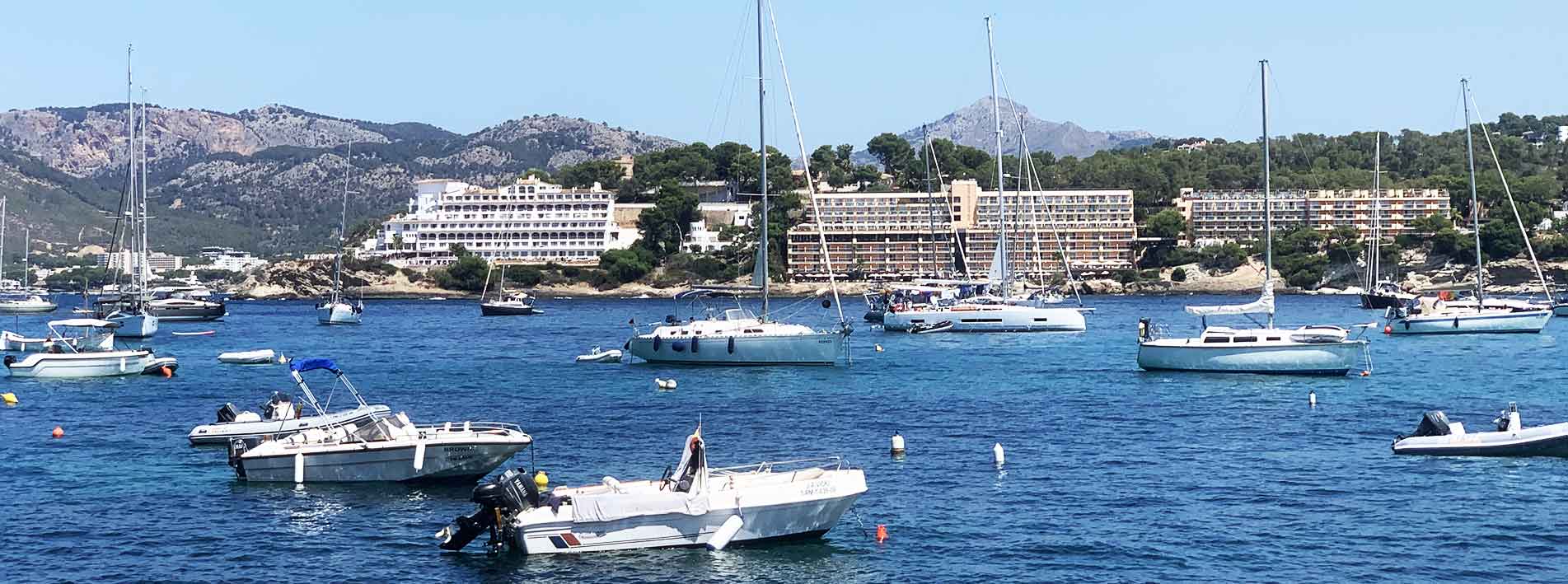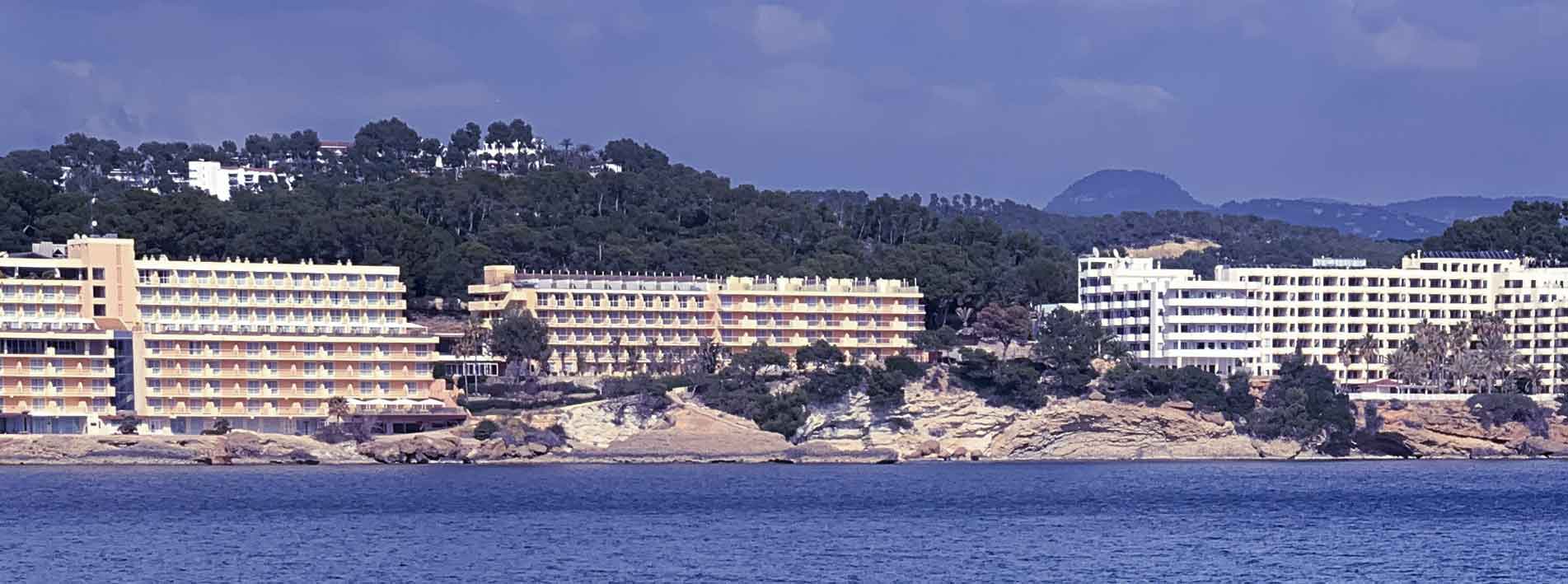
Magaluf is a locality and the main tourist centre of the municipality of Calvià, on the southwest coast of Mallorca, very close to Palma. The town has around 4,500 inhabitants. It is known for its lively nightlife and its extensive beach, considered an important tourist destination for young people in search of partying and fun.
From a tourist point of view Magaluf is a popular tourist destination, especially for young British and Irish people. In this Mallorcan resort there is a well-developed tourist infrastructure with a high availability of hotels with a wide range of facilities. In popular British culture Magaluf is known for its party atmosphere and debauchery and has come to be known as “Shagaluf” and “Megamuff”, derogatory terms (especially the former) associated with its nightlife.
Magaluf is widely known for its vast array of lively nightlife, although in recent years, the destination has undergone a conversion of some hotel establishments into accommodation with conference and event facilities.
Location of Magaluf
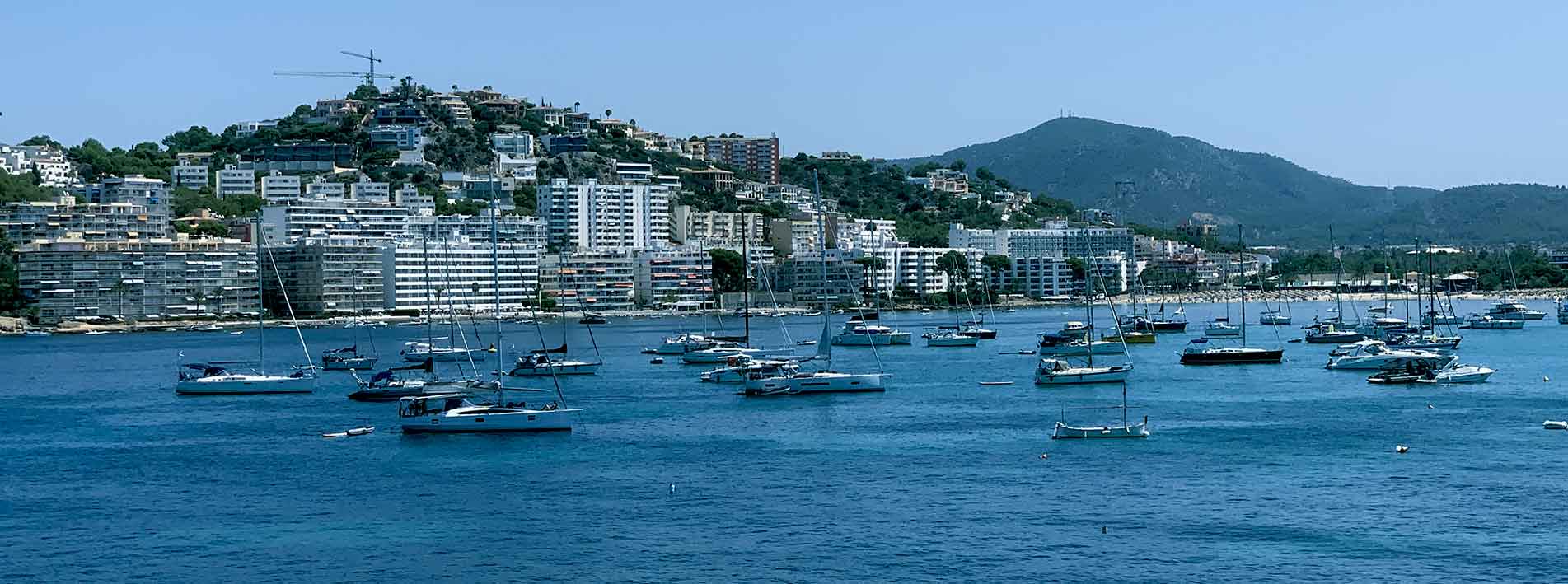
Magaluf is located on the southwest coast of Mallorca, within the municipality of Calvià. It is located between Cala Vinyes and Punta de sa Torre Nova or sa Porrassa, very close to other tourist resorts such as Palmanova and Santa Ponsa, in the bay of Palma. It is approximately 17 km from Palma de Mallorca, 28.7 km from Palma Airport (25 min. driving) via Ma-20 and Ma-1 and 9 km from Calvià.
 How to get to Magaluf?
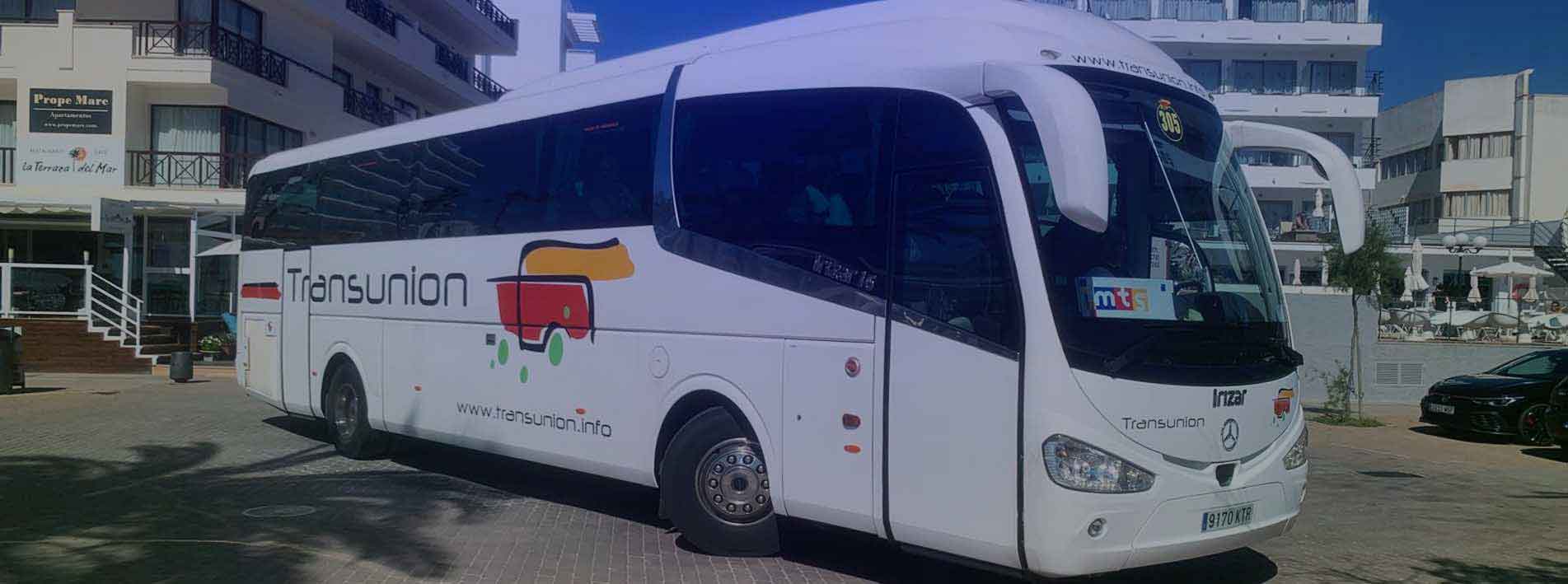
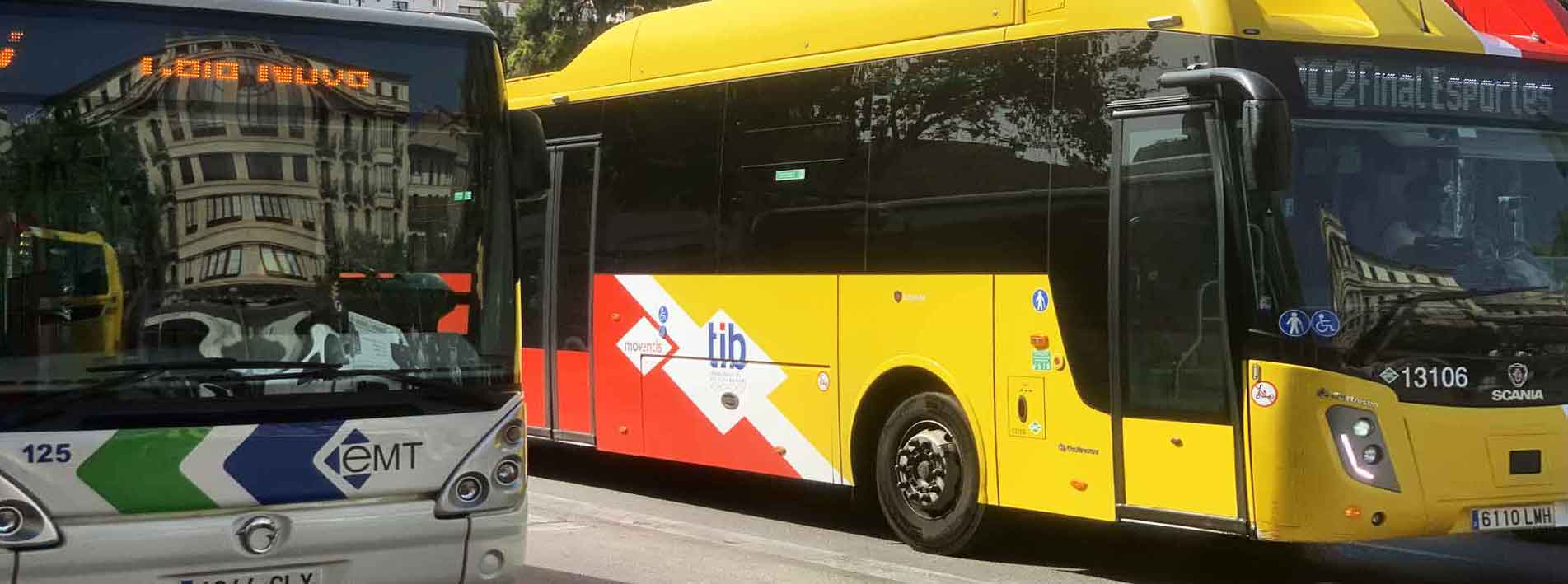
Magaluf is easily accessible, both by car and by public transport. You can get there by car by following the signs. In addition, bus lines 107 and 104 connect Palma with Magaluf, with a journey time of approximately 50 minutes.
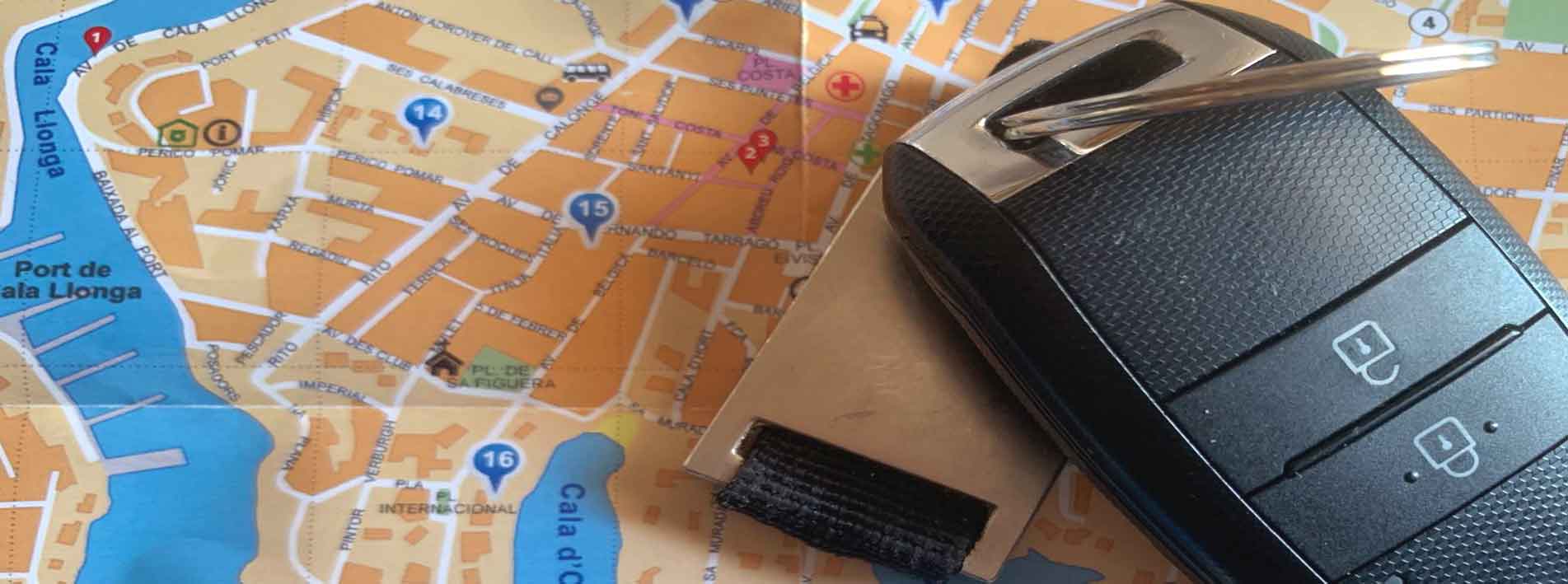
Getting there by car
To get to Magaluf by car from Palma: take the MA-1 Palma-Andratx motorway or highway and look for exit 14, which indicates Magaluf or El Toro. At the first roundabout, continue towards Magaluf. At the second roundabout, repeat the same action. At the third roundabout, follow the signs for Camí de sa Porrasa. Continue along this street until the next roundabout, where you should turn right. Look for parking in the area and then you can walk to the beach or anywhere else in the area. You can also ask for a taxi to get to the area.
If you want to rent a car to get around the island freely and reach Magaluf without relying on public transport, here you can compare prices, conditions and dozens of models for renting a car in Mallorca.
Parking: Parking is available near the beach and in other areas of this town.
Additional information: Magaluf is approximately 15-17 km from Palma and about a 25-minute drive away.
 Getting there by bus
Buses to Magaluf from Palma de Mallorca are a convenient and frequent option. Line 104 is the main option, with departures every 20 minutes and a journey time of approximately 23-36 minutes. The estimated cost is between €3 and €5.
About intercity bus payments: In Mallorca, intercity bus payments are mainly made with the Intermodal Card or a contactless bank card on the bus, validating it upon boarding and exiting. Other options include purchasing tickets in advance online, or if neither option is available, paying in cash with single tickets.
Information about line 104 (Palma – Magaluf): Bus line 104 connects Palma with Magaluf, stopping at the beach area and other locations in the town. Frequency: every 15 to 30 minutes. Timetable: from 6:15 a.m. to 1:00 a.m. Route: departs from the Intermodal Station and arrives at Camí Porrassa 2 in Magaluf. Duration: approximately 63 minutes for the entire journey.
Other bus lines to Magaluf: Line 107: you can also use line 107 (or other routes that combine to connect Palma and Magaluf). Line 107, in particular, covers this and other neighboring areas in the municipality of Calvià. Line A11 (Airport): this is an excellent option if you are going to Magaluf from the airport. This line runs approximately every 45 minutes.
Toponymy of Magaluf
The toponym Magaluf, associated with the tourist resort of Calvià in Mallorca, has an uncertain origin and several theories about its meaning. Some studies suggest an Arabic origin, possibly related to “dirty water” or “people of the word”. A connection with soap-making has also been proposed, although this theory is not widely accepted. The variant “Magaluf” appears in documents from the 16th century (exactly in 1531), with references to the area as “Platges de Magaluf“.
Possible Origins:
Arabic: Some studies suggest that Magaluf comes from the combination of “ma” and “haluf”, meaning “dirty water” in Arabic, referring to possible sources of unhealthiness in the area. According to the researcher Cantarero Verger, another meaning could be the term “magalofa”: “people of the word”.
In Arabic, “magaluf” could also refer to a volcanic mud puddle, although this interpretation does not seem to fit the geography of Magaluf.
Catalan: “Casa de los jaboneros”. Another theory, more widely accepted by locals, suggests that the name comes from the Catalan “Magaluf”, which means “House of the Soapmakers”, referring to the soap-making activity that used to take place in the area. This theory is supported by the fact that soap making was a common activity in medieval times in the area.
Hebrew: Traces of Jewish presence in Mallorca have been found, but there is no evidence that directly links this presence with the name Magaluf. However, it has been pointed out that “Magaluf” was also a Hebrew name for a person.
In short: The exact origin of Magaluf remains a mystery with multiple interpretations attempting to explain its name.
 Historical Context: Development and Transformation
Unlike other localities, Magaluf does not have an extensive historical past, as it was created specifically for tourist purposes. Magaluf presents contrasts between its agricultural past and its present as a party tourist destination. Prior to its tourist development, the area was agricultural, with the Muslim farmhouse of Sa Porrassa as one of the main activities.
Its history is relatively recent, focusing on tourism from the 20th century onwards, with a boom in the 1960s and 1970s thanks to British package tourism. Although Magaluf beach is extensive and attractive, it was originally an area of marshland that was artificially modified.
What to see and do in Magaluf
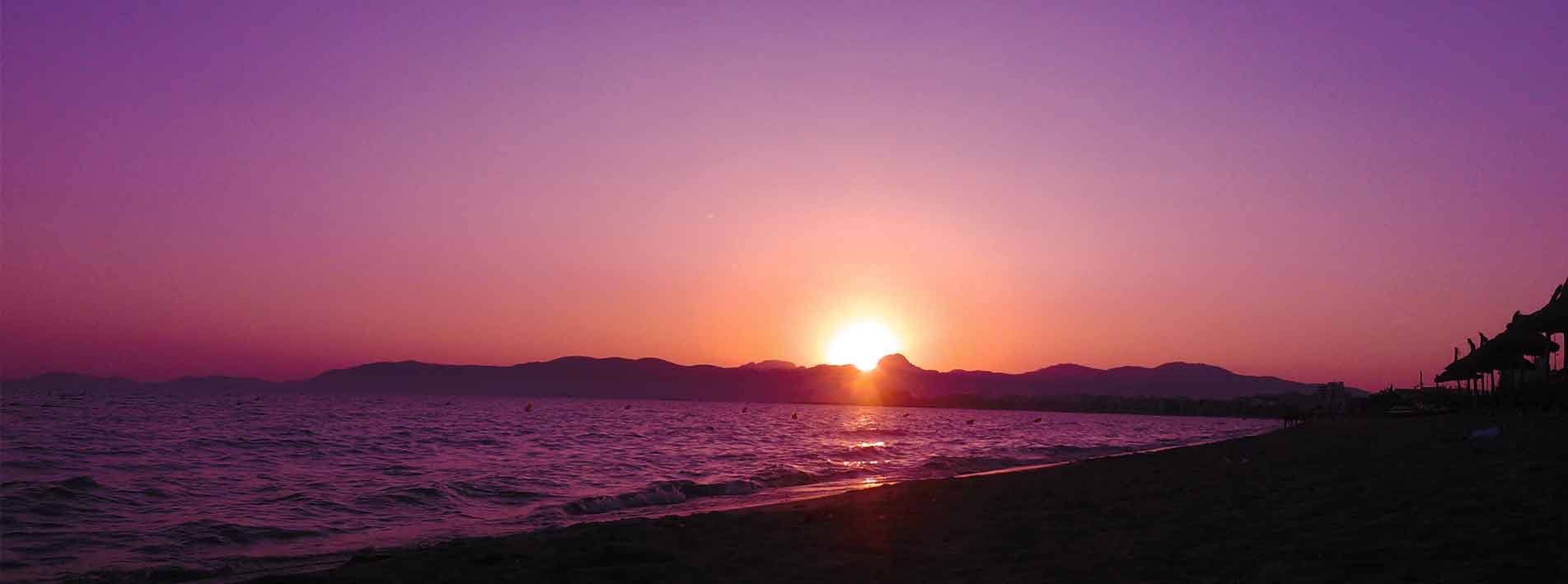
Magaluf, one of the main tourist destinations in Mallorca, is known for its fine sandy beach and crystal clear waters, as well as its lively nightlife. It offers a wide range of accommodation options, restaurants and activities to suit all tastes, including water sports, water parks and theme parks. Magaluf offers a variety of activities and attractions, such as theme parks, water parks, live shows and golf courses.
Available activities
Magaluf Beach: Long beach with fine sand and calm waters, ideal for swimming and water sports.
Nightlife: Known for its lively nightlife with nightclubs and bars, mainly in the area of Punta Balena.
Theme and water parks: Aqualand and other parks offer entertainment for the whole family.
Water sports: Possibility of practising water sports such as jet skiing and others.
Sports activities: Golf course, athletics track and hiking and cycling routes.
Punta Ballena: A street full of bars and discotheques, where the party is more unbridled and open until late at night.
 Nearby attractions
Katmandu Park: Theme park with attractions such as 4D cinema, climbing nets, giant see-saw, mini-golf and more.
Western Water Park: Water park with water rides, shows and activities for the whole family.
Pirates Show: Pirate-themed acrobatic show, dancing and music.
House of Katmandu: Building with illusions and mysteries, based on Ripley’s Believe It or Not, also with 4D cinema, mini-golf and new attractions such as the Desperados laser shot and the Asylum ghost train.
Nearby coves
Cala Vinyes: A sandy beach with calm waters, ideal for families.
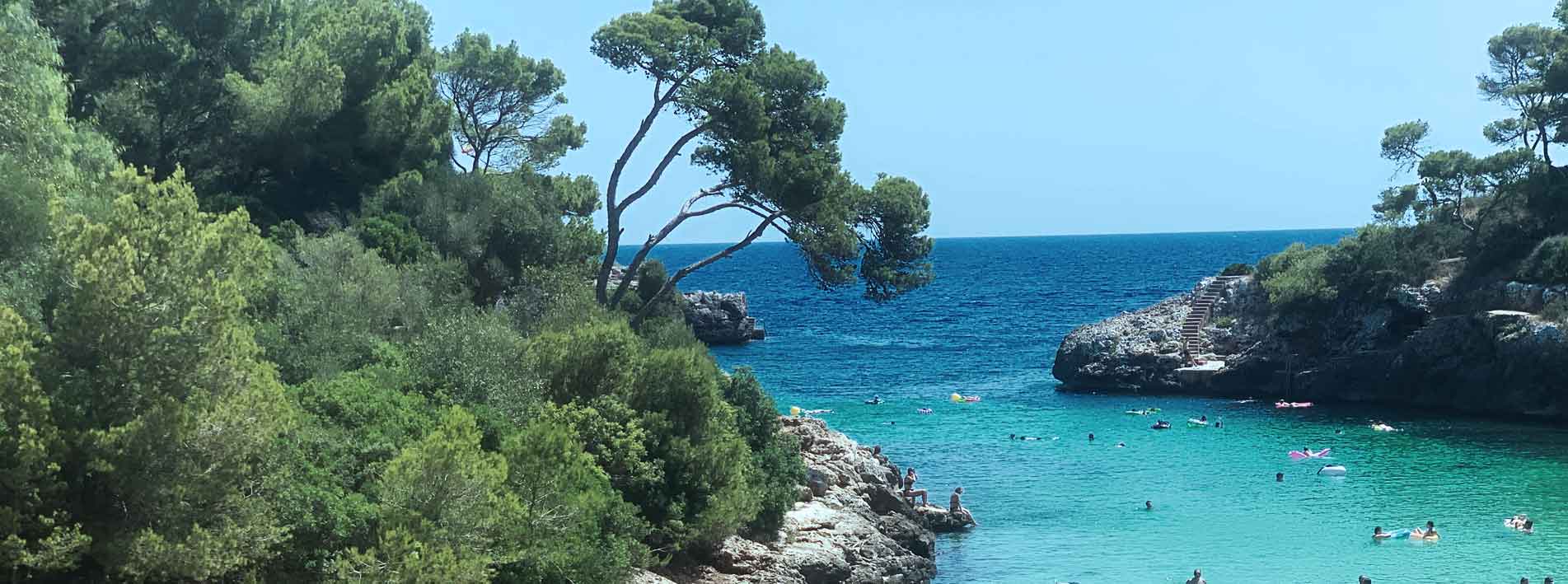
Cala de Cap Falcó: Rocky and natural cove, surrounded by trees, ideal for enjoying nature.
Cultural offerings
Theater and music: Culture is promoted through theater and musical performances, including local productions in Catalan and Spanish, with plans to include plays in English for international audiences.
Festivals and events: The area hosts music festivals of various genres, from electronic to rock, as well as performances by local and international musicians.
Attractions: In addition to nightlife, Magaluf offers attractions such as Katmandu Park and Pirates Adventure, aimed at families and tourists of all ages.
Cosmopolitan character and lifestyle
Diversity: Magaluf’s culture is defined by its cosmopolitan character, with a mix of nationalities and lifestyles coexisting in the destination.
Leisure and sport: The destination has evolved to offer a wide range of leisure, culture, gastronomy and sports activities in a modern and vibrant atmosphere.
Nightlife and atmosphere
“The Strip” (Calle Punta Ballena): The nightlife area is especially popular, with a large number of bars, nightclubs and restaurants on the famous “Strip” or Calle Punta Ballena.
Musical diversity: The nightlife covers all genres, from electronic dance music (EDM) to pop music, with options for dancing the night away.
Other options: The offering includes nightclubs, pubs and venues with live music, as well as other types of establishments such as arcades, bowling alleys and movie theaters.
 Gastronomy and hospitality in Magaluf
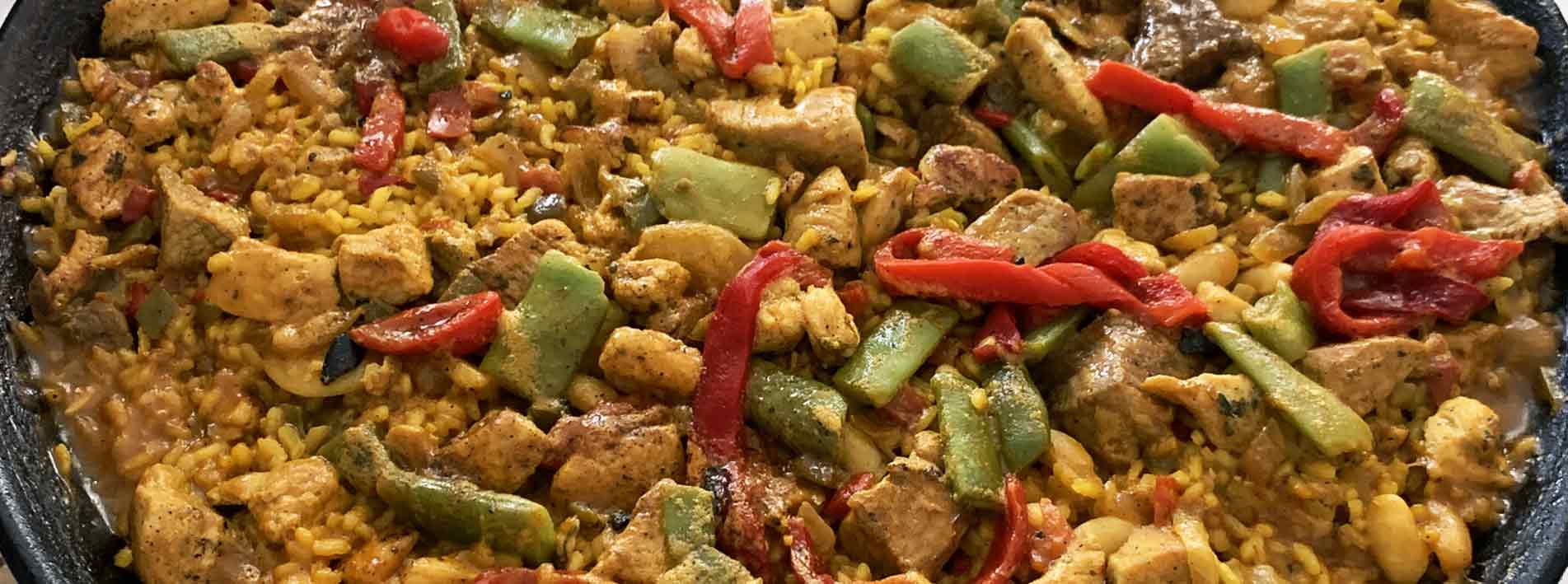
Magaluf beach offers a varied gastronomic offer, from fast food and British options to Mediterranean cuisine and international experiences. You can find beach restaurants with international elegance and Mediterranean delicacies, as well as fast food options such as fish & chips and Italian food. In addition, there are establishments serving traditional Mallorcan cuisine, with an emphasis on meat, fish, fruit, vegetables, garlic, local herbs and olive oil.
Prices: Magaluf offers a wide range of accommodation options, from hotels to holiday flats. Many hotels in Magaluf are all-inclusive, but if you eat out, the average cost can be around 15-20 € per person.
Events and markets
Magaluf’s weekly market is held on Fridays, with a focus on local food products and handicrafts. It is located in the residential area between El Toro and Magaluf, specifically on Rossinyol and Colom streets in Son Ferrer. The market is an initiative to promote local produce and combat seasonality.
Day: Friday
Location: Son Ferrer (between El Toro and Magaluf), Carrer Rossinyol and Carrer Colom.
Products: Mainly fruit, vegetables, bread, cured meats, cheese, clothes, footwear, handmade products and gift items, with an emphasis on local and seasonal products.
Opening hours: From 8:30 to 13:30
In addition to the Magaluf market, Calvià offers other weekly markets, such as Calvià (Monday), Peguera (Tuesday), El Toro (Wednesday) and Santa Ponça (Saturday), among others.
Shopping in Magaluf: Shopping Centres and Shops
In Magaluf, you can find two main shopping centres: Momentum Plaza and Centro La Vila. Momentum Plaza, located in the centre of Magaluf, offers a variety of shops, restaurants and outdoor entertainment options. Centro La Vila, also located close to the promenade and beach, has a selection of shops, restaurants and other services. In addition to these shopping centres, Magaluf has a variety of shops in its commercial area, including supermarkets, fashion, accessories, home and sports.
Year-round activities and events in Magaluf
Magaluf organises events, promotions and activities throughout the year, both in the shopping centres and in the public square. In addition to nightlife, Magaluf offers options such as theme parks and water parks for the whole family to enjoy. Live shows and golf courses can also be found to complement the leisure offer.
 Hotels and accommodation
Magaluf, a popular tourist destination in Mallorca, offers a wide range of accommodation and hospitality options. From hotels with swimming pools and buffet restaurants to self-catering flats with balconies, there are options to suit all tastes and budgets. Magaluf has a wide range of hotels, including hotels of various categories and styles. Many all-inclusive hotels in Magaluf, such as in El Arenal, Playa de Palma and Sant Antoni, limit alcohol consumption to six drinks a day.
All in all, Magaluf has been an important tourist centre since the 1960s, especially for British tourists. The nightlife in Magaluf is concentrated in the Punta Balena area, with a large number of nightclubs and bars. Despite its popularity with young people, Magaluf offers a variety of activities for families and other types of tourists. It offers a wide variety of attractions to suit all tastes, from theme parks and water parks to live shows and white sandy beaches. Some of the highlights include Katmandu Park, the Western Water Park, the Pirates show, Katmandu House, Magaluf Beach and the quieter coves.
 Magaluf in 1, 2 or 3 days
Magaluf in one day focuses on what the destination is known for: beach, promenade and an afternoon of parks or nearby coves. Spend the morning on the beach, have lunch in the promenade area and in the afternoon choose between Katmandu Park, Western Water Park or a quiet cove such as Cala Vinyes.
Magaluf in two days lets you add coast and leisure. On the second day you can take a short trip to Palmanova or Santa Ponsa, return to the beach in the afternoon and save the night for the Punta Ballena area if you’re into nightlife, or for a quiet dinner if you’re travelling with family.
Magaluf in three days gives you room to combine Magaluf with Palma (about 25 minutes by car) and with other areas of Calvià. One day for the beach and parks, another for Palma or Palmanova, and another for a cove or to repeat whatever you liked most. It’s a good rhythm if you’re travelling with children or want to alternate partying and rest.
 What to see near Magaluf
Ordered from nearest to furthest, these are the easy getaways from Magaluf:
Palmanova (about 5-10 minutes): wide beach, promenade and a more family-friendly atmosphere. A good option to change beaches without going far.
Cala Vinyes (about 5 minutes): sandy cove with calm waters, comfortable for families and for days with a calm sea.
Santa Ponsa (about 10-15 minutes): wide bay with services and a lively atmosphere, useful if you’re after more restaurants and promenade.
Portals Nous (about 15 minutes): marina with a more upscale feel and a pleasant promenade, ideal for a quiet afternoon.
Calvià village (about 15-20 minutes): inland centre with charm and a local atmosphere, a good stop to see another pace of the island.
Palma (about 20-25 minutes): city with an old town, cathedral and urban life. Perfect for a full day or an afternoon.
If you want to go further, Andratx and its port are about 20-25 minutes away, and the Palmanova–Portals area lets you combine beach and promenade without going too far.
 Magaluf without a car: what you can do on foot
Magaluf is comfortable without a car if you stay near the beach or the promenade. The tourist centre is compact and flat, and on foot you can easily cover the beach, the promenade, the Punta Ballena area and the shopping centres.
On foot you can also reach Palmanova along the coast, and Cala Vinyes in a short walk. For Santa Ponsa, Palma or Calvià village, the most practical option is the bus: line 104 connects with Palma and there are local connections to other areas of Calvià.
If you want to get around without relying on the car, combine bus and walking: line 104 runs frequently in season and lets you go to Palma and back the same day without hassle.
 Magaluf for families
Although Magaluf has a reputation as a party destination, it also works for families if you choose the right area and timing. The beach is wide, with fine sand and calm waters, with services and easy access, and the promenade is flat and pushchair-friendly.
With children, these usually work well: the beach and promenade, Cala Vinyes (smaller and quieter) and the theme and water parks in the area, which are already detailed above in this post. To avoid crowds, it’s best to go to the beach early and save the parks for less hot days.
If you’re travelling with family, the Palmanova or Santa Ponsa area can be a good alternative base, with a quieter atmosphere and similar services just a few minutes away.
 Magaluf: party or family, depending on your profile
Magaluf is one of the destinations in Mallorca where choosing well according to your traveller profile matters most, because two very different atmospheres coexist within a few metres.
If you’re looking for nightlife: the Punta Ballena area (The Strip) concentrates bars and clubs, with an intense atmosphere in high season. It’s the option if you’re travelling with friends and want nightlife without moving around.
If you’re looking for family or rest: the beach, the promenade and the Cala Vinyes area are quieter. You can also stay in Palmanova or Santa Ponsa, a few minutes away, and use Magaluf only for the beach or the parks.
If you’re looking for balance: stay in the part closest to Palmanova or in the residential area, use the beach during the day and decide on the night depending on the plan. That way you avoid the noise without giving up the leisure offer.
In the Mallorca zones post you’ll find a broader comparison of profiles and areas to choose a base.
 Curious facts and insider tips about Magaluf
A destination born from tourism, not from a previous village. Unlike other towns on the island, Magaluf was planned and grew as a tourist centre in the 20th century, with a very marked boom in the 1960s and 1970s. That explains its urban layout and hotel concentration.
The beach wasn’t always like this. The area was marshland and was artificially modified to gain sand and urban space. Today it is one of the longest and busiest beaches in Calvià.
A quiet makeover. In recent years, part of the hotel offer has shifted towards conferences, events and higher-spending tourism, and practices such as unlimited alcohol consumption in some all-inclusive hotels have been limited.
The Friday market isn’t in the centre. It’s held in Son Ferrer, between El Toro and Magaluf, with local products and crafts. It’s a good way to see the non-tourist side of Calvià.
Insider tip: in high season, the Punta Ballena area is very noisy at night. If you sleep nearby, ask for a room on a high floor or on the opposite façade. And if you go to the beach in August, arrive before mid-morning to find a spot with shade.
Another practical note: many terraces and venues in the party area apply different prices depending on the time and the event. Check the menu before ordering and be clear about the minimum spend if you enter a venue with a promotion.
 Frequently asked questions about Magaluf
Where to park in Magaluf? There is parking near the beach and in areas of the centre, but it fills up in high season. If you’re staying in the centre, the easiest thing is to walk and use the car only for excursions.
Is Magaluf only for young people and partying? No. The reputation comes from the Punta Ballena area, but there is a beach, promenade, parks and quiet coves. Families and couples also find options if they choose the right area and season.
When is the best time to go to Magaluf? From May to October there are full services and good weather. July and August are the months with the most atmosphere and also the most noise and crowds. May, June and September usually offer the best combination for those seeking beach without extreme crowds.
Do you need a car in Magaluf? For the beach, the promenade and the leisure area, no. To explore Calvià, Palma or distant coves, it is recommended. You can also combine bus and walking.
Can you drink tap water in Mallorca? In general, the mains water is potable, although the taste may vary. Many visitors choose bottled water for drinking, but for cooking and washing it is suitable.
Is there night transport in Magaluf? Line 104 has broad hours in season and connects with Palma, but frequency drops in the early hours. To get back at night, a taxi is the safest option if you’re not staying nearby.
Is Magaluf safe at night? The party area concentrates a lot of people and alcohol in high season. As in any nightlife destination, it’s wise to watch your belongings, not leave your drink unattended and avoid conflicts. The rest of the centre is quiet.
By the way, are you coming to Mallorca on a tourism trip? If you find it helpful, you can also consult our travel guide to Mallorca and more tourist information about the island.