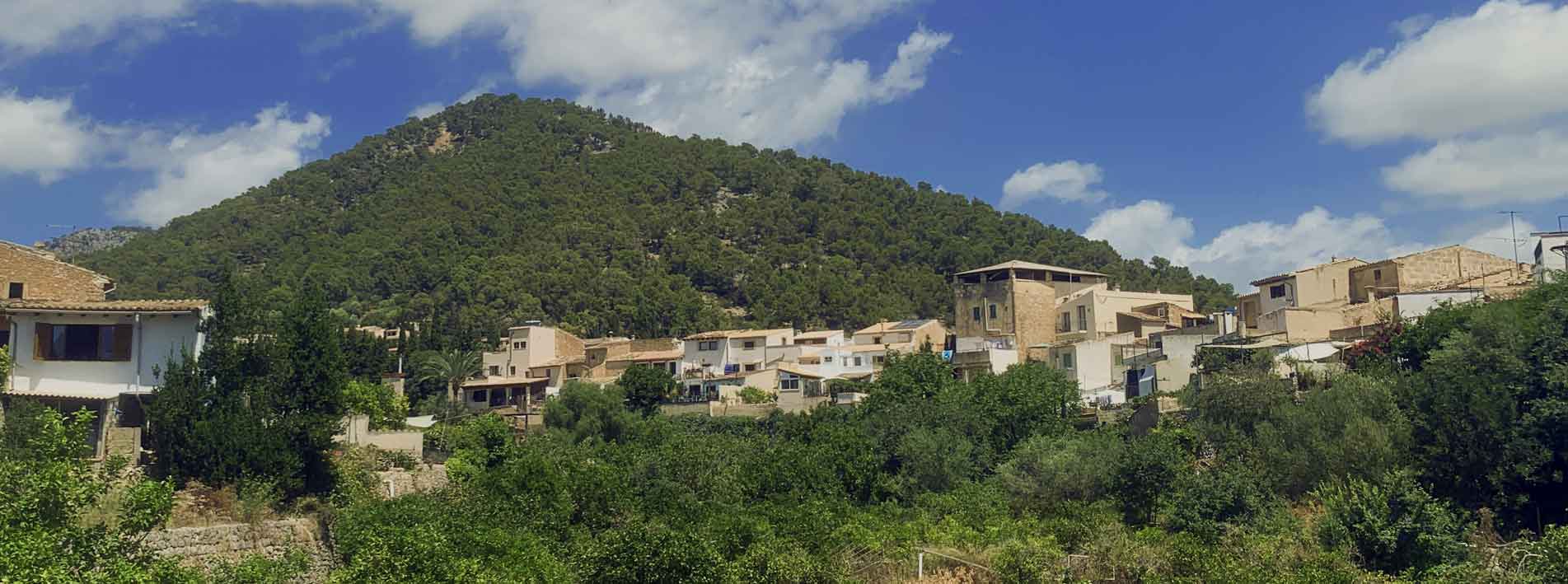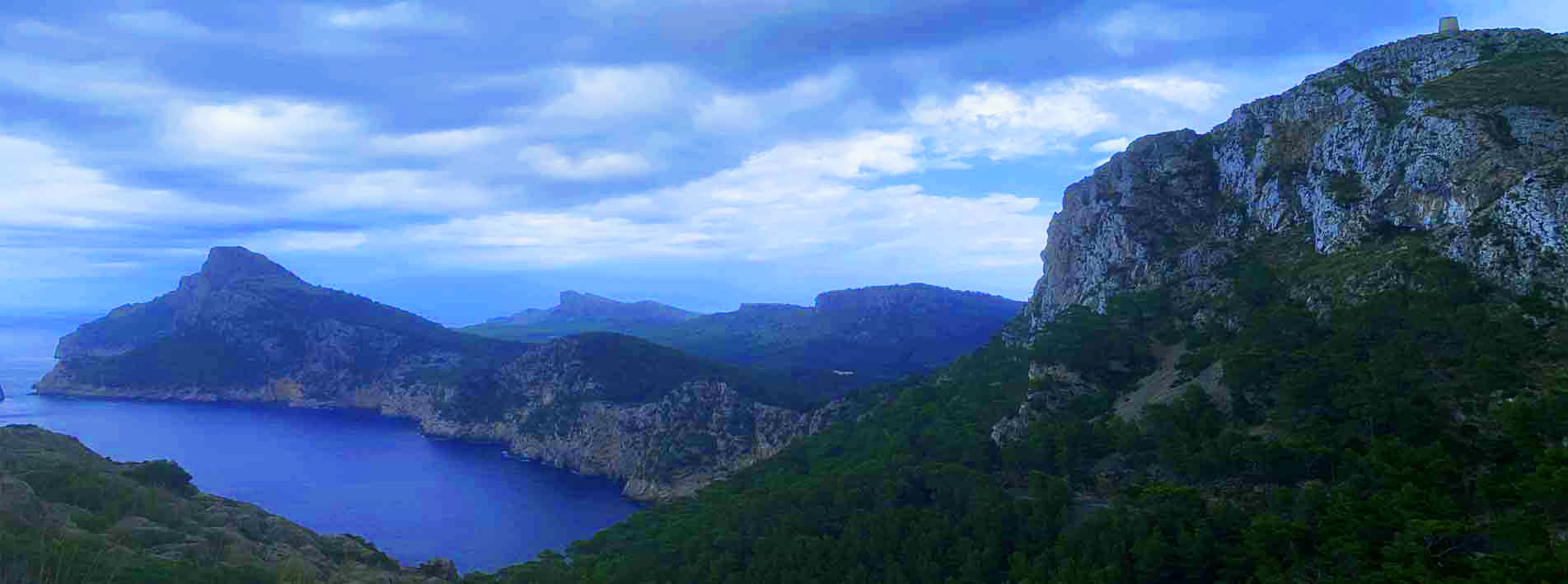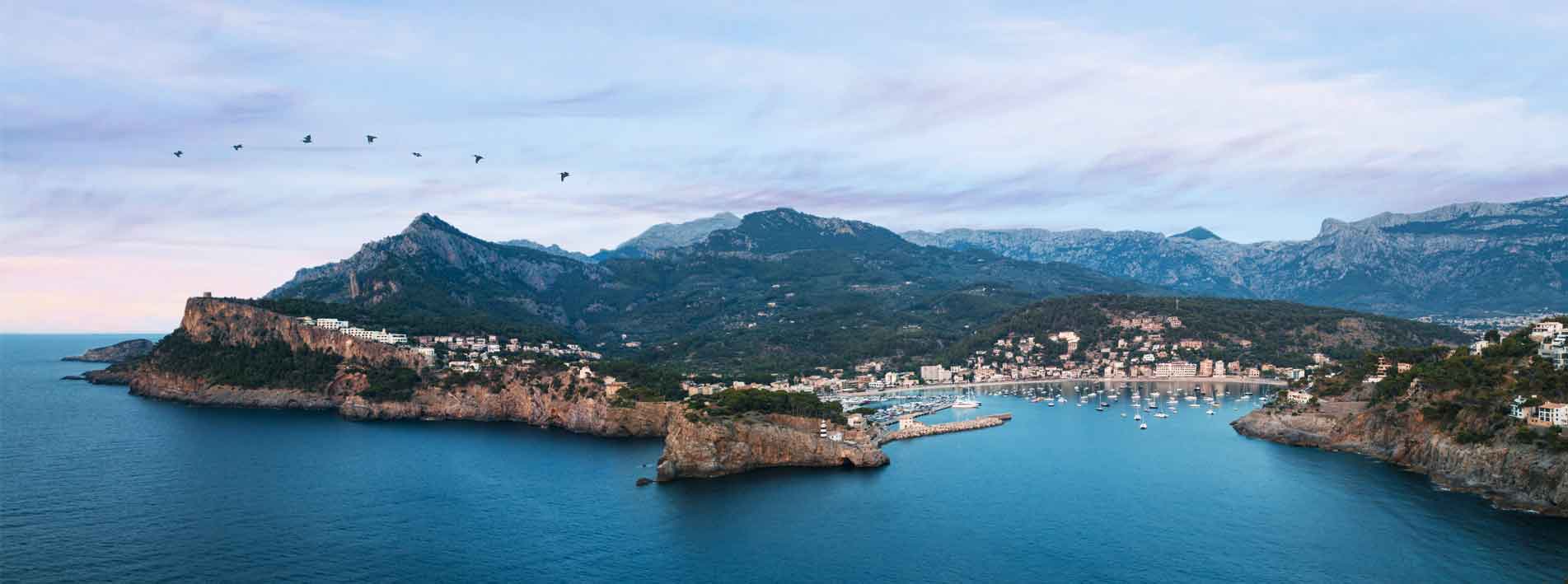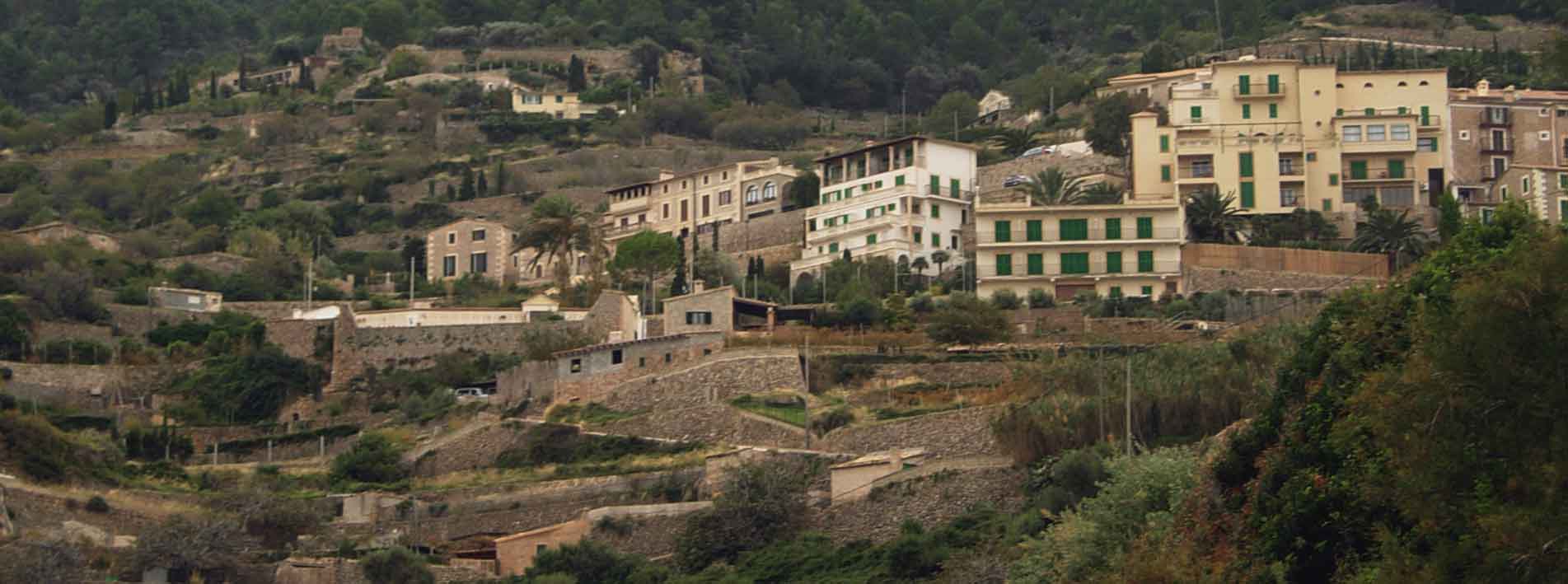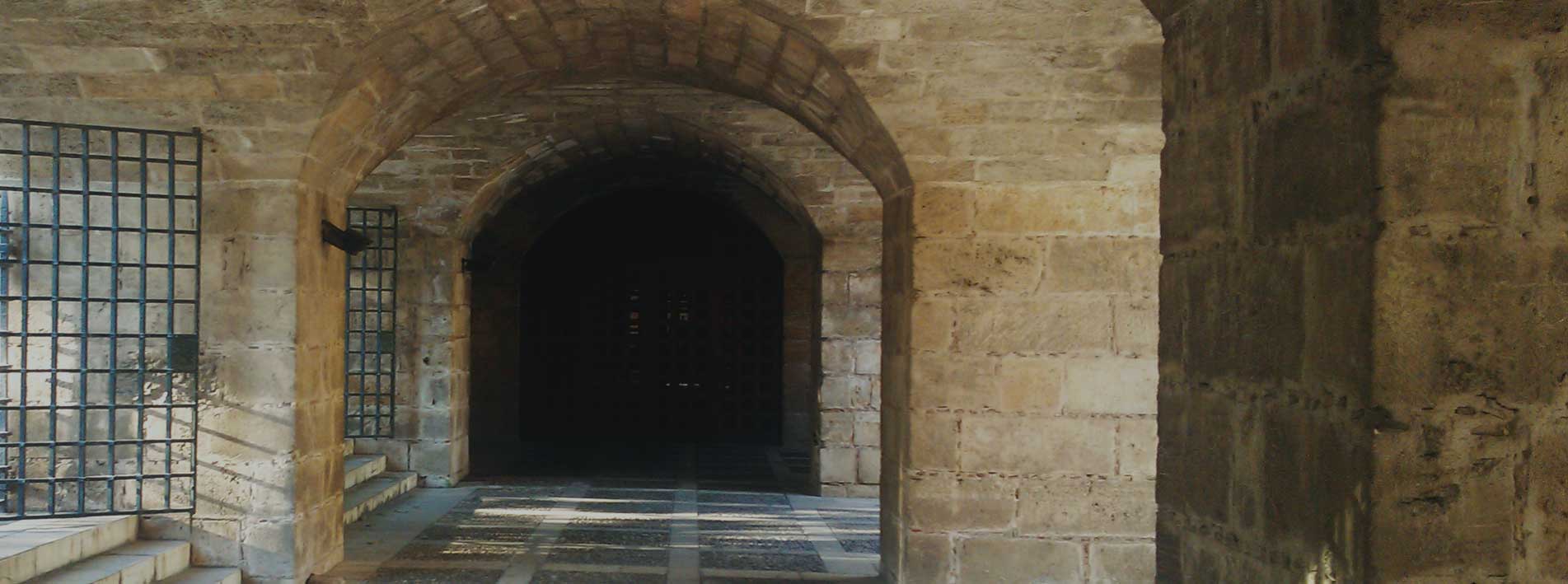
Cala Ratjada is a town, fishing port and major tourist resort in northeast Mallorca, known for combining its seafaring past with a vibrant vacation destination. It offers beautiful beaches and coves such as Cala Agulla and Cala Gat, a busy marina, an active nightlife and restaurants, as well as the historic Capdepera lighthouse and nearby archaeological heritage sites such as the Talayotic finds at Son Sastre.
Main features
Cala Ratjada emerged in the 17th century as a port for fishermen working in the area. It has become a popular tourist destination since the 1960s, maintaining a local atmosphere thanks to its “slow town” character. Located at the easternmost tip of Mallorca, about 80 kilometers from Palma, it has the following main features:
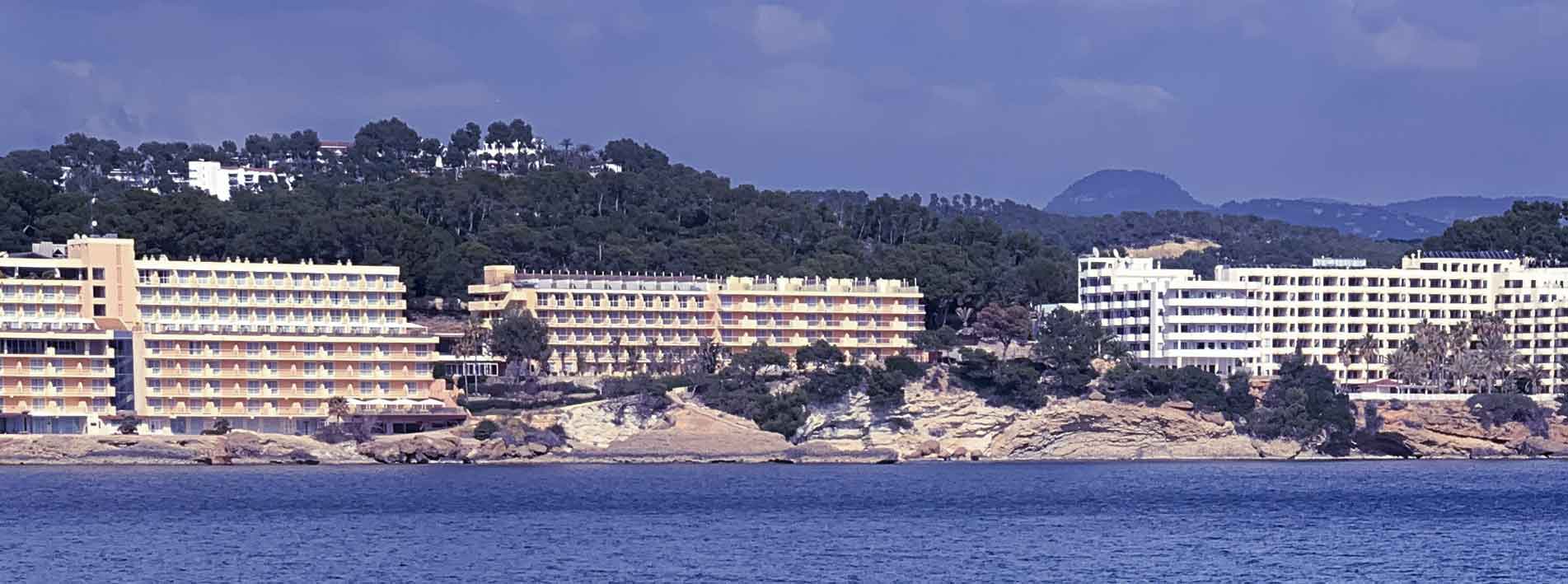
Landscape and beaches: It is located in a coastal area with cliffs, coves and beaches with fine golden sand, such as Cala Agulla, Son Moll, Cala Gat and Cala Lliteras.
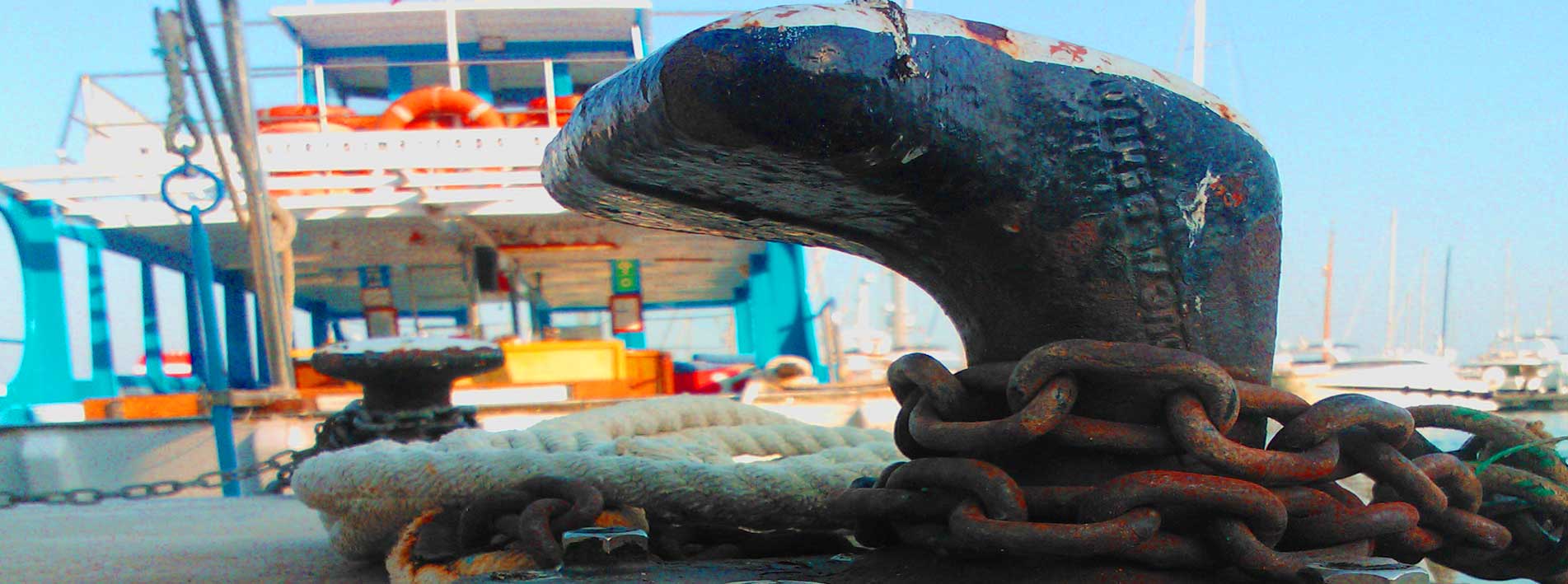
Port and fishing atmosphere: It maintains the atmosphere of an old fishing village with an active port where traditional boats (llauts) can still be seen, despite its tourist boom.
Proximity to Menorca: It is the closest point in Mallorca to Menorca, allowing you to see the neighboring island on clear days from the coast or the Capdepera lighthouse.
Leisure activities: It offers a wide variety of activities for all tastes, from water sports such as diving and snorkeling to golf, hiking and cycling.
Nightlife: It is a popular destination for those looking for nighttime entertainment, with a wide range of bars, restaurants and nightclubs.
Tourist infrastructure: It has excellent infrastructure, including numerous accommodations, restaurants, shops and boardwalks.
Natural environment: Being close to the Llevant Natural Park, it offers hiking trails and the opportunity to enjoy its native vegetation and wildlife.
 Toponymy
The toponymy of Cala Ratjada is related to the stingray, as it means “Cala de la Raya” in Catalan, referring to the abundant fishing of stingrays in the area since the 17th century. However, there is a historical debate about the correct spelling, as some sources defend the form with a “t” (Ratjada) and others the form without it (Rajada), arguing that the place name in Mallorcan sounds like “ratjada” and the official form should be Cala Rajada, according to the regulations.
 How to get to Cala Ratjada
Cala Ratjada is located at the easternmost tip of the island of Mallorca, belonging to the municipality of Capdepera. It is located in the northeast, about 50 miles from Palma de Mallorca. Due to its location, Menorca can be seen on a clear day from the promontory of Punta de Capdepera.
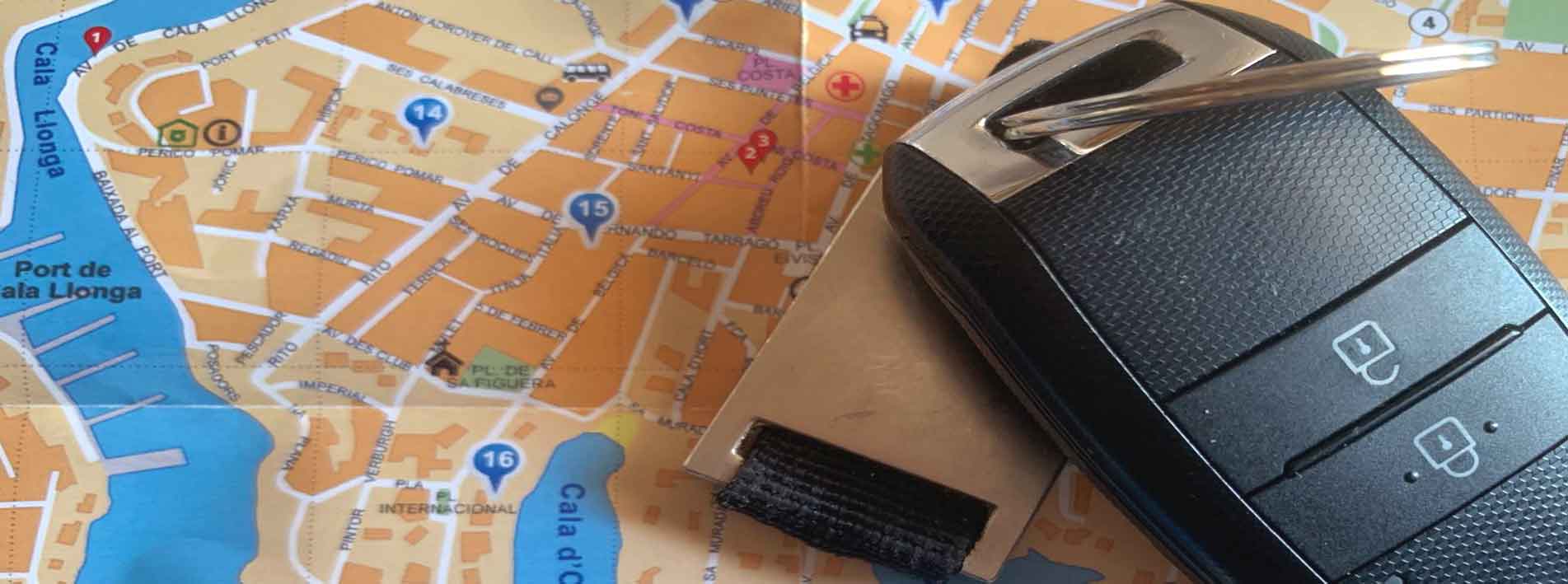
Getting there by car
From Palma: Take the Ma-15 highway eastbound. The route is well signposted and takes approximately 1 hour and 30 minutes, passing through Manacor and Capdepera.
From the airport: Follow the signs for the Ma-15. The journey takes around 1 hour and 30 minutes.
From other locations: If you are coming from Artà, take the Ma-15 highway; from Cala Millor, you can take the Ma-4040.
Tip: Renting a car is highly recommended if you want to explore other coves and corners of the island.
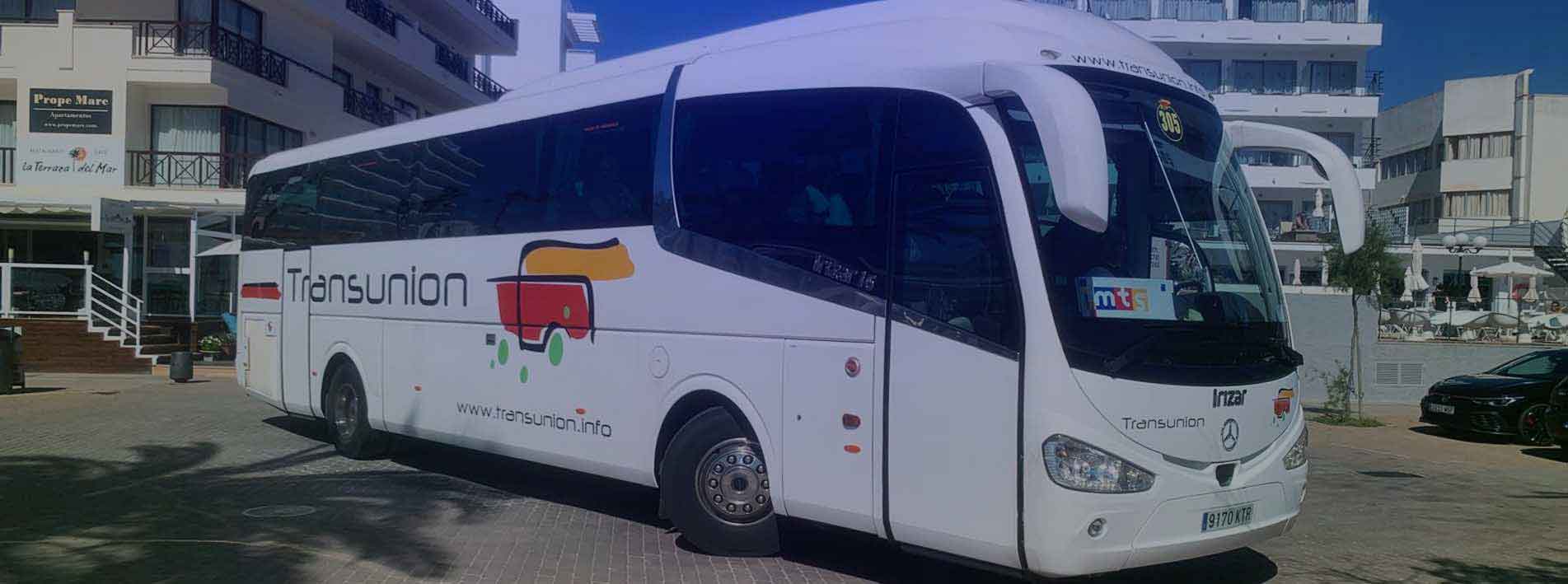
Getting there by bus
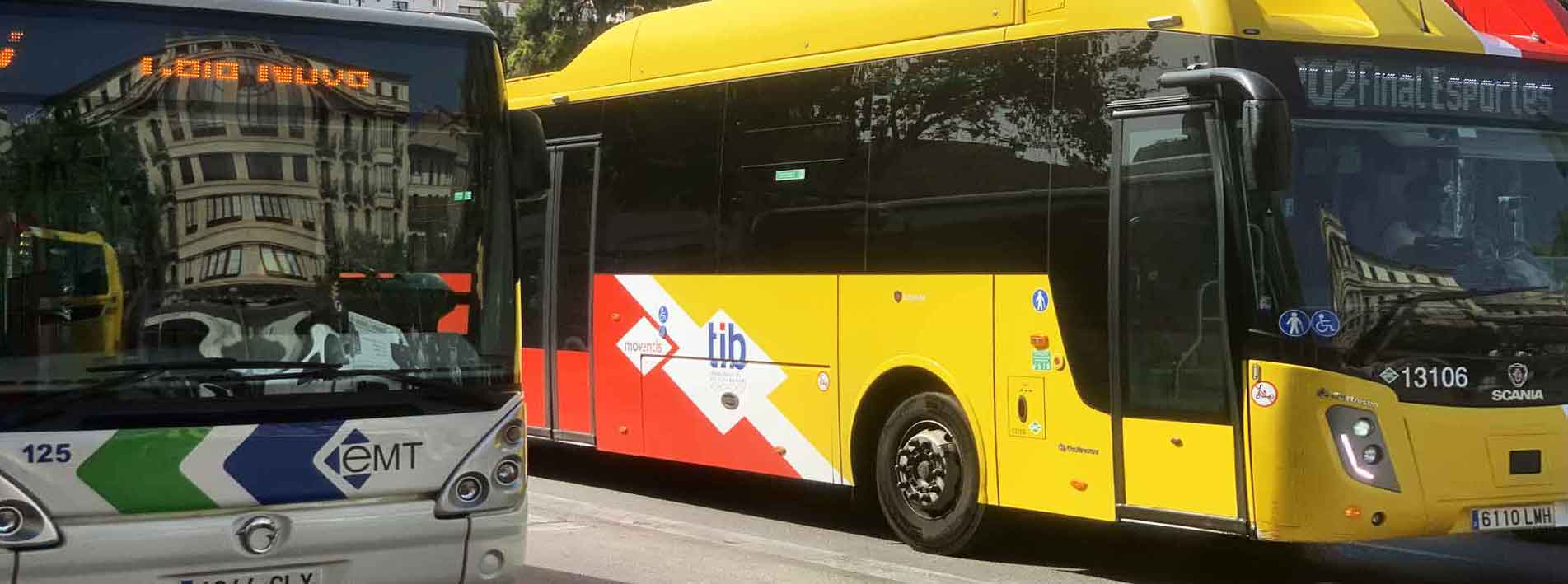
From the airport: Take the A42 line to Manacor and, from there, the 411 line to Cala Ratjada. This option can take around 2 hours.
From Palma (Intermodal Station): Take the 411 line directly from the Intermodal bus station in Palma.
Other lines: In summer, there are other lines such as the 422, 423 and 424 that also connect to Cala Ratjada from different areas or villages of Mallorca.
Main lines: The L411 connects Cala Ratjada with Manacor and Palma. The L325 connects with Alcúdia. The L422 connects with Cala Mesquida. The L423 connects with Font de sa Cala. The L424 connects with Portocristo.
Stops: Cala Ratjada has multiple stops. Some of the main ones are on Leonor Servera Street, Cala Agulla Avenue and in the center of Cala Ratjada.
Purchasing a ticket: You can purchase a ticket directly from the driver on board the bus, but it is important to note that only cash tickets up to 10 euros are accepted. Another option is to purchase a prepaid card in advance at authorized points of sale. Payment can also be made directly with a contactless bank card and up to five people can travel with the same card, benefiting from discounts per user. In this case, it is essential to validate the card both when boarding and alighting from the bus so that the system can calculate the cost of the journey correctly.
Express bus: There is an express line between Cala Rajada and Palma, the 411E line, which may be faster.
 Getting there by taxi
You can also arrive by taxi to Cala Ratjada if you are looking for a faster option. A taxi ride from Palma takes approximately 45 to 60 minutes and the price is usually around €105-120, although the cost may vary depending on the fare and the pick-up point. You can request a taxi through well-known mobile app services. It is recommended to book in advance, especially during high season.
Cala Ratjada: Historical overview
The original settlement was founded in the 17th century, when the inhabitants of nearby Capdepera established the port for fishing. The port focused on catching rays and lobsters, activities that remain important today. The historic white buildings on the seafront, called “lobster houses,” were used to keep the catches alive.
In 1885, the first hotel, the “Hostal Ca’s Bombu,” opened and has been run by the same family ever since. In the 1930s, it attracted exiled German writers and artists seeking refuge in its atmosphere. From the 1960s onwards, the town experienced rapid growth in tourism. Despite the increase in the construction of large hotel complexes in the surrounding area, the town center has retained much of its original charm.
The port is now the second largest fishing port in the Balearic Islands, after Palma. It has become one of the most popular tourist destinations on the island, attracting visitors from all over the world. Despite the tourist boom, it has managed to retain its fishing village atmosphere, with narrow streets and a Mediterranean feel.
 What to see and do in Cala Ratjada
Cala Ratjada is a vibrant tourist center in the northeast of Mallorca, known for its beautiful sandy beaches, crystal clear waters and lively nightlife. Originally a fishing port, it has retained its traditional charm while becoming a major holiday destination with a wide range of leisure activities, restaurants and shops. Among its main features are its proximity to Menorca, its diverse beaches such as Cala Agulla and Son Moll and its lively atmosphere both day and night.
 Places of interest
Port: Combines the tradition of fishing boats with a modern marina. The Port of Cala Ratjada retains its character as a fishing port, being one of the most important in the Balearic Islands, although it has also evolved into a tourist destination.
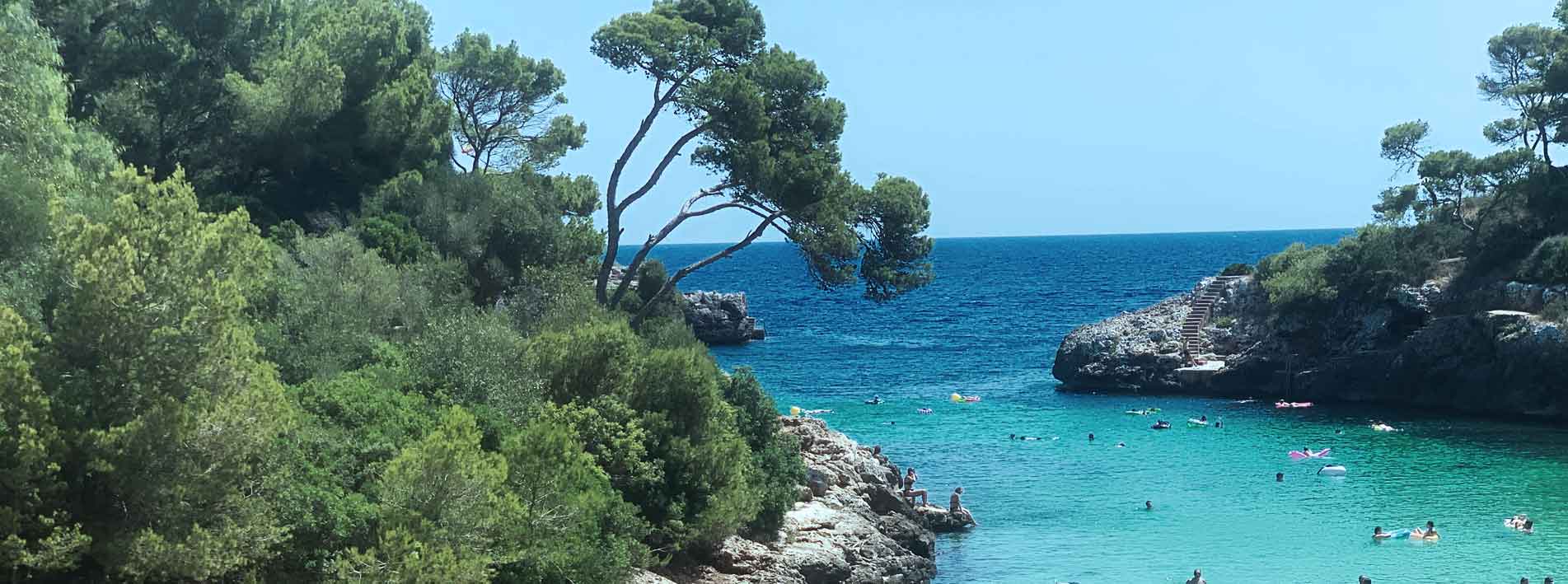
Beaches and coves: These include the long, natural Cala Agulla, the small, popular Cala Gat, the urban Son Moll and Cala Lliteres, along with other rocky coves and cliffs along the coast.
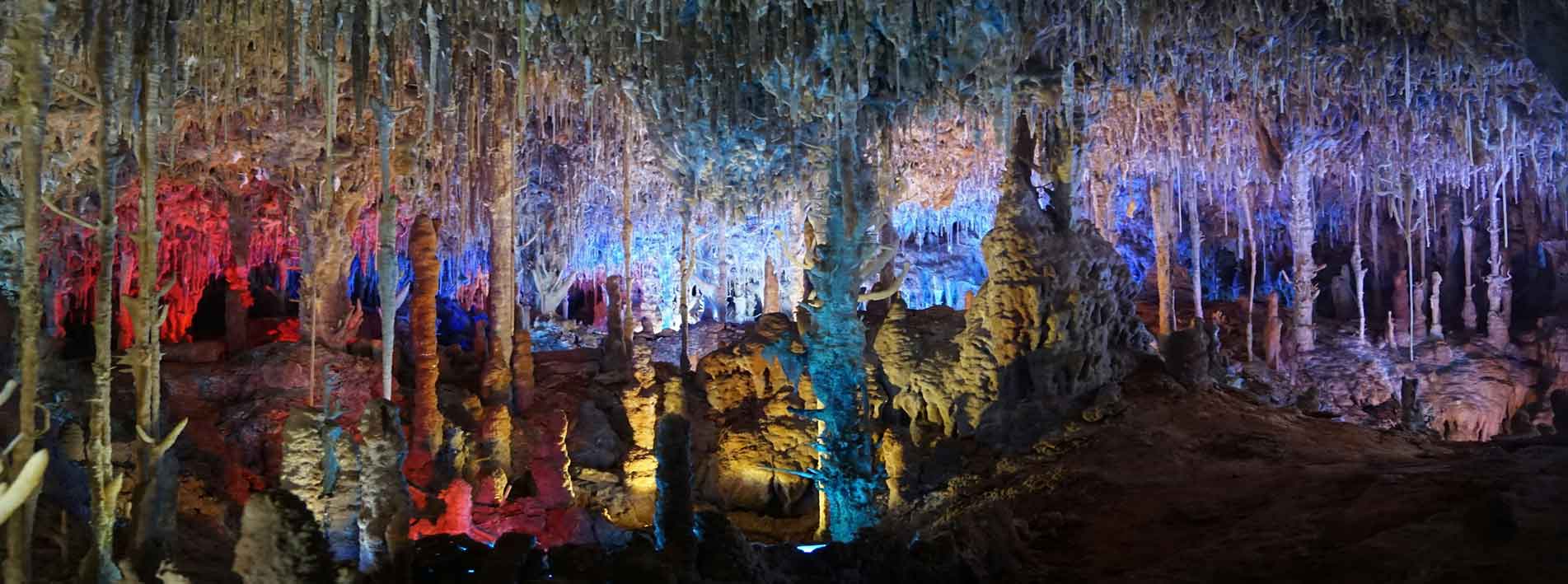
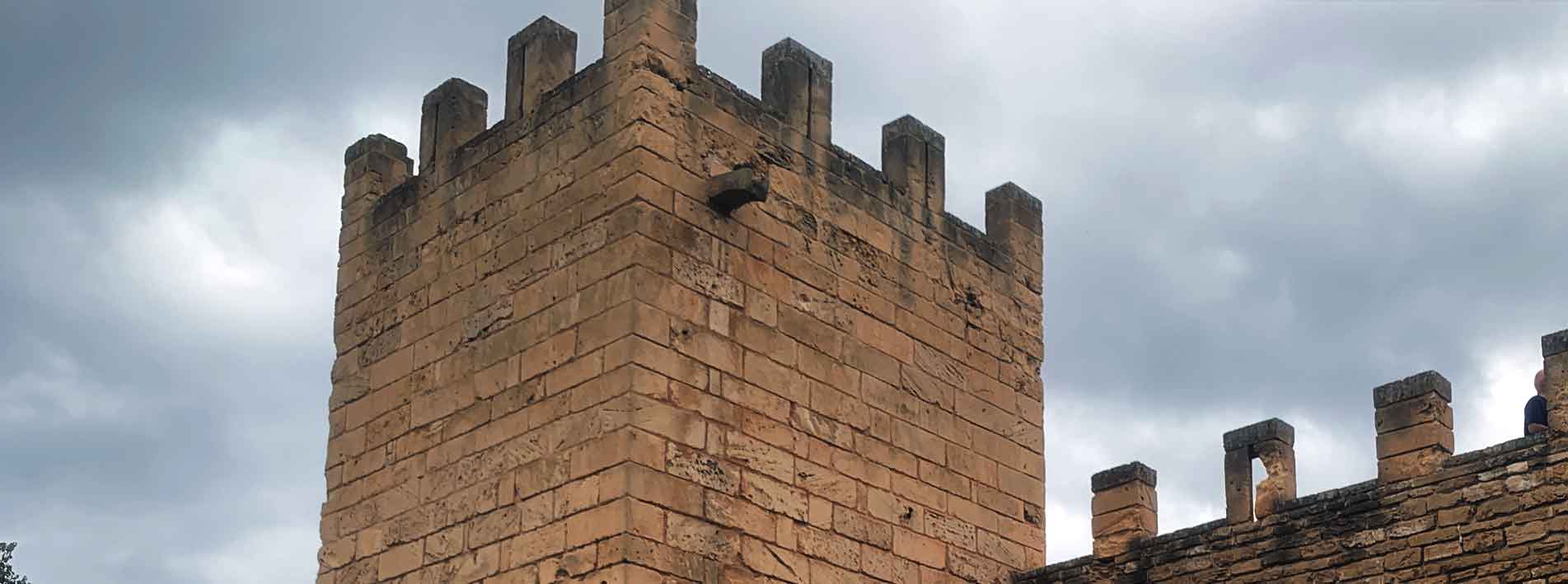
Archaeological, architectural and geological heritage: Near the town are Talayotic remains and lime kilns on the Son Sastre estate. Cala Ratjada offers outstanding archaeological heritage nearby, such as the Torre de Miquel Nunis (an Islamic fortification) and the Capdepera Castle (a 14th-century fortress). The Llevant Natural Park is also of interest to those seeking history and nature, with hiking trails that connect with its past. The Caves of Artà are included in various excursions and guided tours; visits to these impressive caves can be combined with a boat trip through the port of Canyamel.
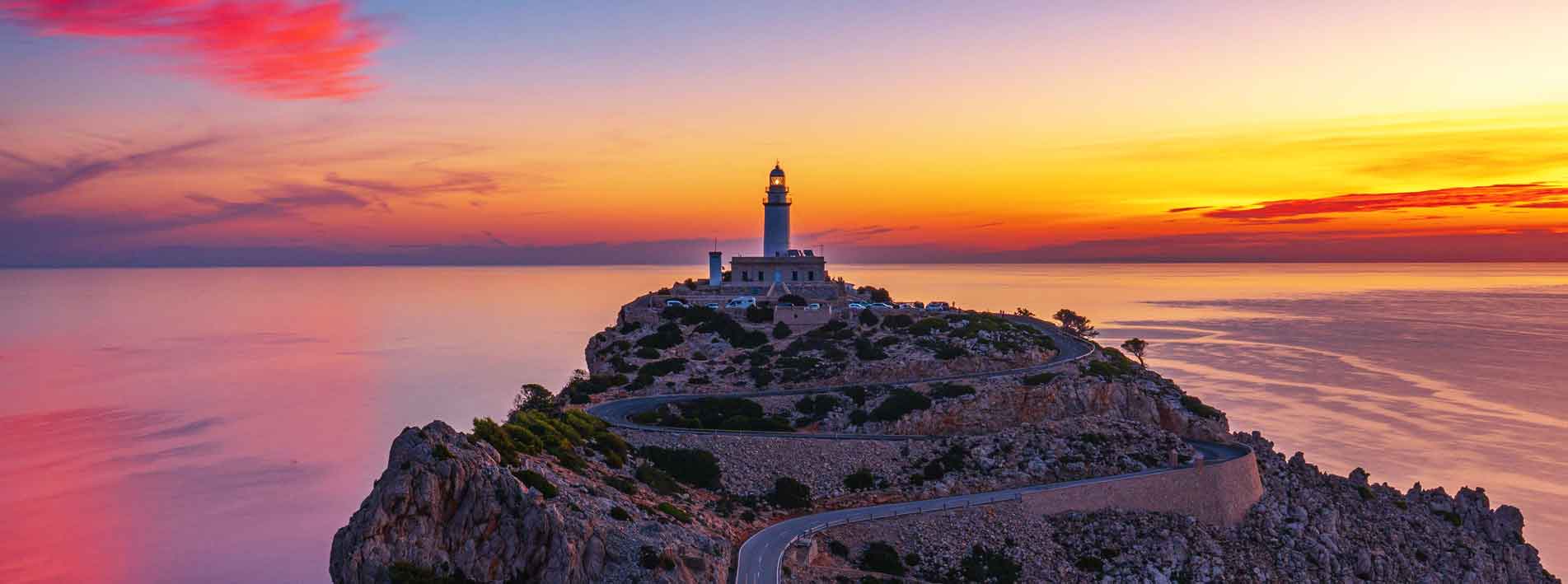
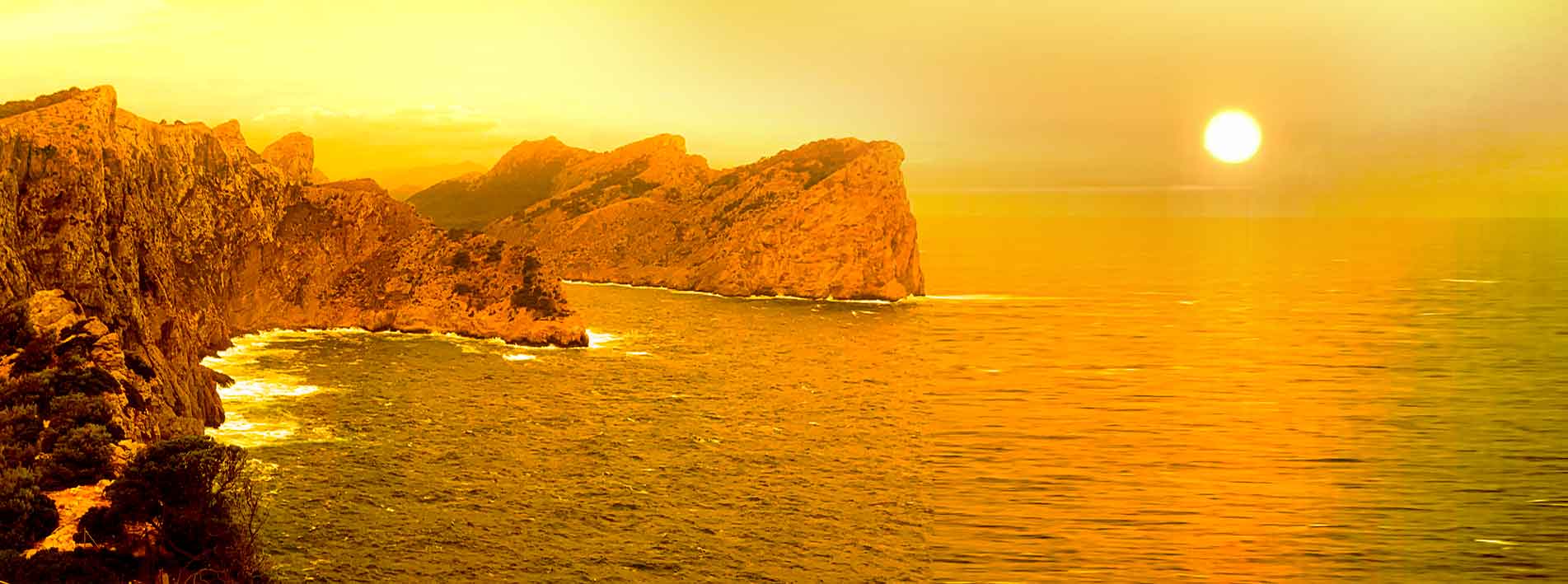
Capdepera Lighthouse: Offers panoramic views of the coast and, on clear days, Menorca.
Parish church: It is the venue for the classical music cycle “A Winter in Mallorca”.
Palacio March: Owned by the March family, it is of cultural interest. Visit the historic Sa Torre Cega estate.
CAP Vermell cultural center: Located in a natural setting of centuries-old pine trees.
 Activities and leisure
Water sports: Ideal for diving, snorkeling and water sports due to its clear waters. Boat rental, catamaran trips and speedboat rides are popular options.
Hiking and cycling: Explore trails in the nearby Llevant Natural Park, such as the one leading to the Capdepera Lighthouse or the Talaia de Son Jaumell, or enjoy bike rides around the area.
Sports: In addition to water sports, you can play golf, tennis, paddle tennis and go horseback riding. Jeep Safari offers tours to explore the island in off-road vehicles.
Culture: Attend the classical music series “A Winter in Mallorca” at the parish church.
Enjoy the beaches and coves: Cala Agulla, Son Moll, Cala Gat and Cala Lliteres are some of the most notable, along with other rocky coves and cliffs along the coast.
Stroll along the promenade (Avinguda d’Amèrica): Offers views of the bay and the port.
Visit the weekly market: Held on Saturdays and featuring regional products, fish and seafood.
Nature: Explore the nearby natural beauty by visiting beaches such as Cala Mesquida or the Llevant Natural Park.
Gastronomy: Enjoy local cuisine, especially fresh fish dishes. Cala Ratjada offers a varied gastronomy focused on fresh fish and seafood, with a large number of restaurants in the port. Visitors can enjoy traditional Mallorcan dishes such as fideuás and the local specialty llampuga, especially during its fair in October. For more modern or sophisticated experiences, there are Michelin-starred restaurants and other venues with sea views.
 Water excursions
Catamaran trips: Departures from Cala Ratjada that usually include stops for swimming, food and drinks.
Speedboat excursions: A popular option for reaching the Caves of Artà; some departures include entrance to the caves.
Dolphin watching: Specific tours to see cetaceans in their natural habitat.
Glass-bottom boat: A relaxing way to see the seabed.
 Summary
In short, Cala Ratjada offers a complete tourist experience, with options for all tastes and budgets, highlighting its beaches, vibrant nightlife, outdoor activities and local cuisine.
Cala Ratjada in 1, 2 or 3 days
Cala Ratjada is compact and best enjoyed without rushing. One day is enough for the port and the main coves; with two or three, you can add Capdepera, Cala Mesquida or an excursion to the Llevant Natural Park.
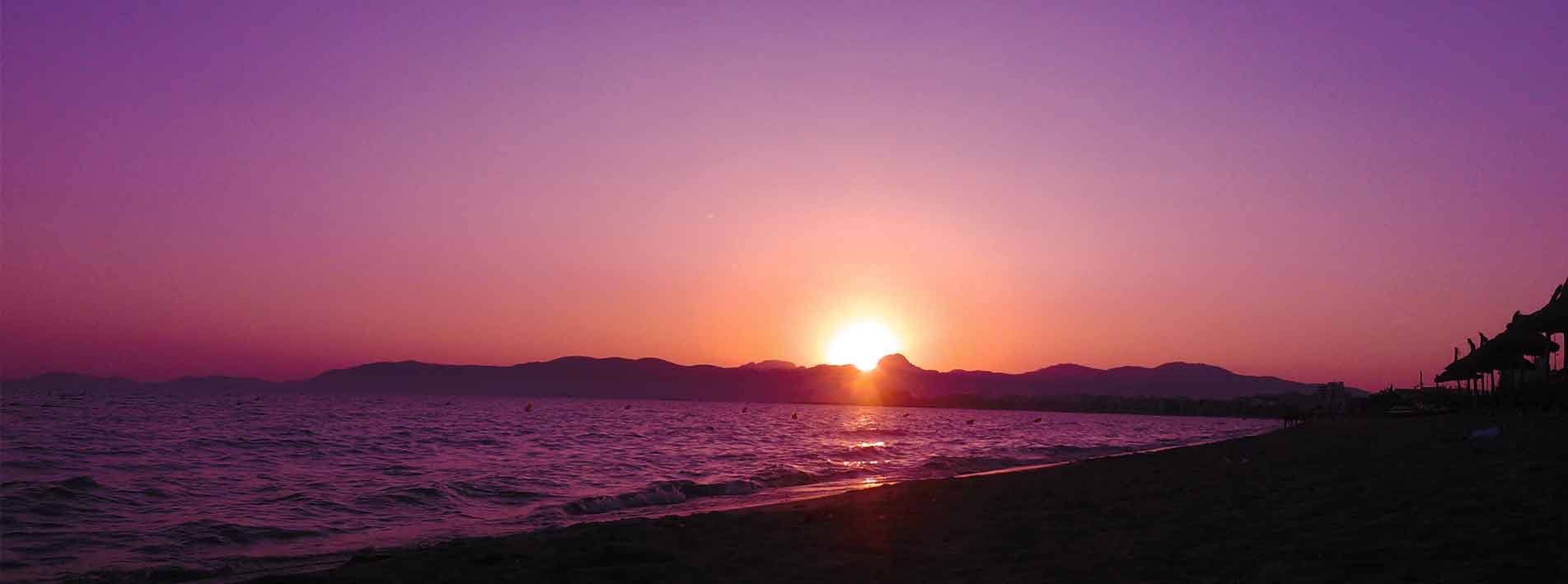
One day in Cala Ratjada: Morning at Cala Agulla (the most emblematic beach, with white sand and a protected natural setting). Lunch at the port. Afternoon at Cala Gat (small and sheltered, ideal for snorkelling) and a stroll along the promenade at sunset. If you still have energy, climb to the Capdepera Lighthouse for views of the coast and, on clear days, Menorca.
Two days in Cala Ratjada: Day 1 beach and port. Day 2 Capdepera (medieval castle and Wednesday market) + Cala Mesquida (natural, less crowded beach). Lunch in Capdepera or at the port of Cala Ratjada.
Three days in Cala Ratjada: Add a hiking route in the Llevant Natural Park (for example, towards the Talaia de Son Jaumell or the Capdepera Lighthouse) and an excursion to the Cuevas de Artà, combined with a boat trip through Canyamel. If you are travelling as a family, the third day can be beach and water activities.
Tip: In high season, start early for the most popular beaches (Cala Agulla fills up quickly) and book a restaurant if you want to eat at the port. A car is useful for Capdepera, Cala Mesquida or Artà, but for day-to-day life in Cala Ratjada it is unnecessary.
 What to see near Cala Ratjada
Cala Ratjada is at the northeastern tip of Mallorca, but well connected. These are the most practical getaways, ordered from closest to furthest.
Capdepera (5 min by car): The walled medieval village that gives its name to the municipality. Its 14th-century castle is one of the best-preserved enclosures on the island, with views of Menorca on clear days. The Wednesday market in the square is a good excuse to go up [citation:3][citation:12].
Cala Mesquida (10 min by car): One of the most natural and least crowded beaches in the northeast. Fine sand, dunes and pines, with stepped access that keeps mass tourism at bay. Ideal for those seeking tranquility [citation:3][citation:7].
Capdepera Lighthouse (10 min by car / 30 min on foot from Cala Gat): The easternmost point of Mallorca. Panoramic views of the coast and, on clear days, of Menorca. A short walk from Cala Gat makes it an easy excursion [citation:3][citation:8].
Artà (20-25 min by car): A charming inland village, known for its Tuesday market, the Sant Salvador sanctuary on top of the hill and a quiet old town [citation:3][citation:12].
Cuevas de Artà (25-30 min by car): The most spectacular caves in the area, in Canyamel bay. An underground route among stalactites and natural vaults that can be combined with a boat trip through the port of Canyamel [citation:3][citation:12].
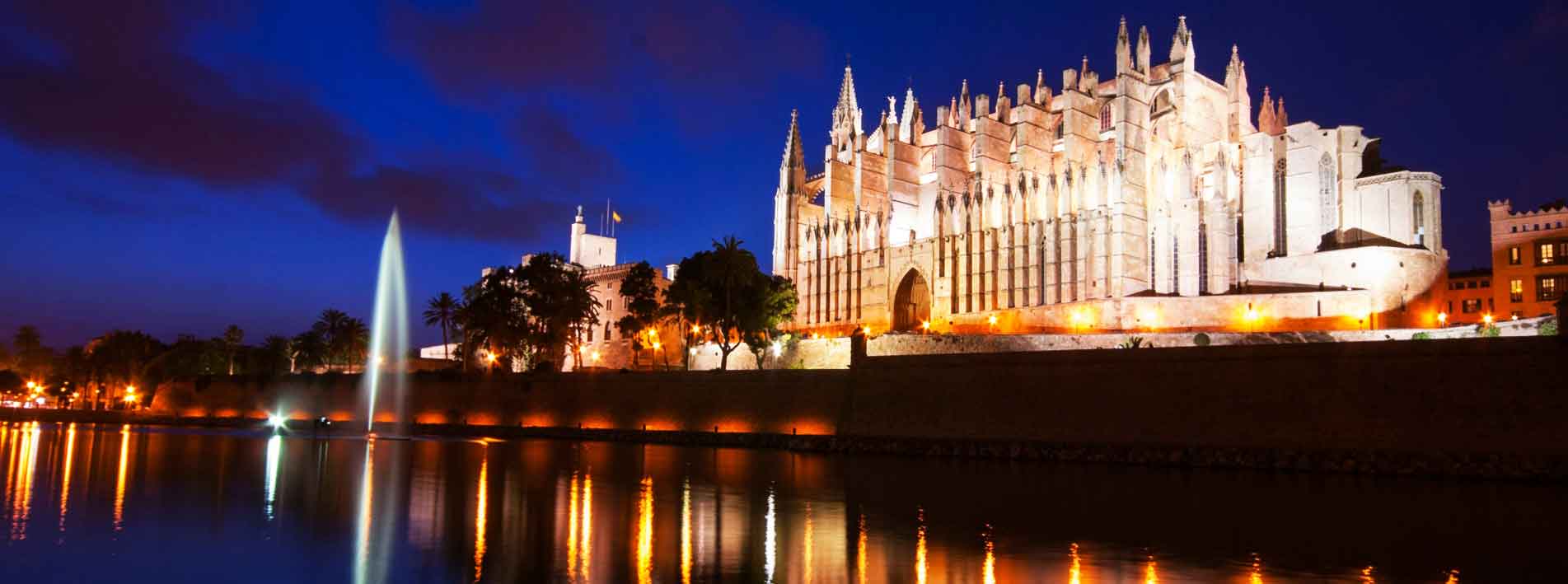
Palma (1h30 by car / 2h by bus line 411): The capital, with the Cathedral and the old town. It is a full-day excursion.
 Cala Ratjada without a car: what you can do on foot
Cala Ratjada is a very walkable destination: the port, the main coves and the promenade are all within easy reach.
Port and promenade: The heart of the town. The renovated promenade connects the port area with the urban beaches and is ideal for sunset. Bars, restaurants and terraces just steps away .
Cala Gat (15-20 min on foot from the port): A small, sheltered cove, less crowded than the big beaches. Ideal for snorkelling thanks to the clear water and for those looking for a quiet corner [citation:7].
Cala Agulla (20-25 min on foot from the centre): The most emblematic beach in Cala Ratjada, with white sand and a protected natural setting. You can walk there from the centre, although the walk can be hot in summer [citation:3][citation:7].
Capdepera Lighthouse (30 min on foot from Cala Gat): A simple coastal walk (about 1 hour round trip) that leads to the most popular viewpoints in the area [citation:8].
If you want to go further: For Capdepera, Cala Mesquida or Artà, a car or bus is recommended. Line 411 connects with Palma and Manacor; summer lines (422, 423, 424) reach Cala Mesquida, Font de sa Cala and Porto Cristo.
Frequently asked questions about Cala Ratjada
Where can I park in Cala Ratjada? Parking is limited, especially in high season. There are street parking areas and some private car parks, but you should allow time to find a space. For Cala Agulla there is a paid car park near the beach [citation:5]. If you are staying in the centre or near the port, it is best to park outside and walk.
Is Cala Ratjada for families or for partying? It depends on the season. In July and August the profile is more family-oriented, with wide beaches and services. In spring (especially around Pentecost) and in September, the port area and nearby streets fill with groups looking for nightlife, and it can be noisy until late [citation:10]. If you are looking for tranquility, stay near Cala Agulla or Son Moll, not in the streets behind the port.
What is the best time to visit Cala Ratjada? May to June and September to October: good weather, beaches open but not crowded and more reasonable prices. July and August are the busiest and most expensive months. In winter many hotels and restaurants close [citation:10].
Do I need a car to get around Cala Ratjada? Not for the port, Cala Gat, Cala Agulla and the promenade: they are all walkable. For Capdepera, Cala Mesquida, Artà or the caves, a car or bus is recommended.
Can you drink tap water? Yes, the water is drinkable, although many people prefer bottled water for the taste.
Tipping: Not mandatory, but it is appreciated to leave 5-10% in restaurants if the service has been good.
And that’s it for this brief guide to Cala Ratjada, Mallorca. We hope it helps.
By the way: Are you coming to Mallorca on a tourist trip? If you find it helpful, you can also check out our travel guide to Mallorca and more tourist information about the island