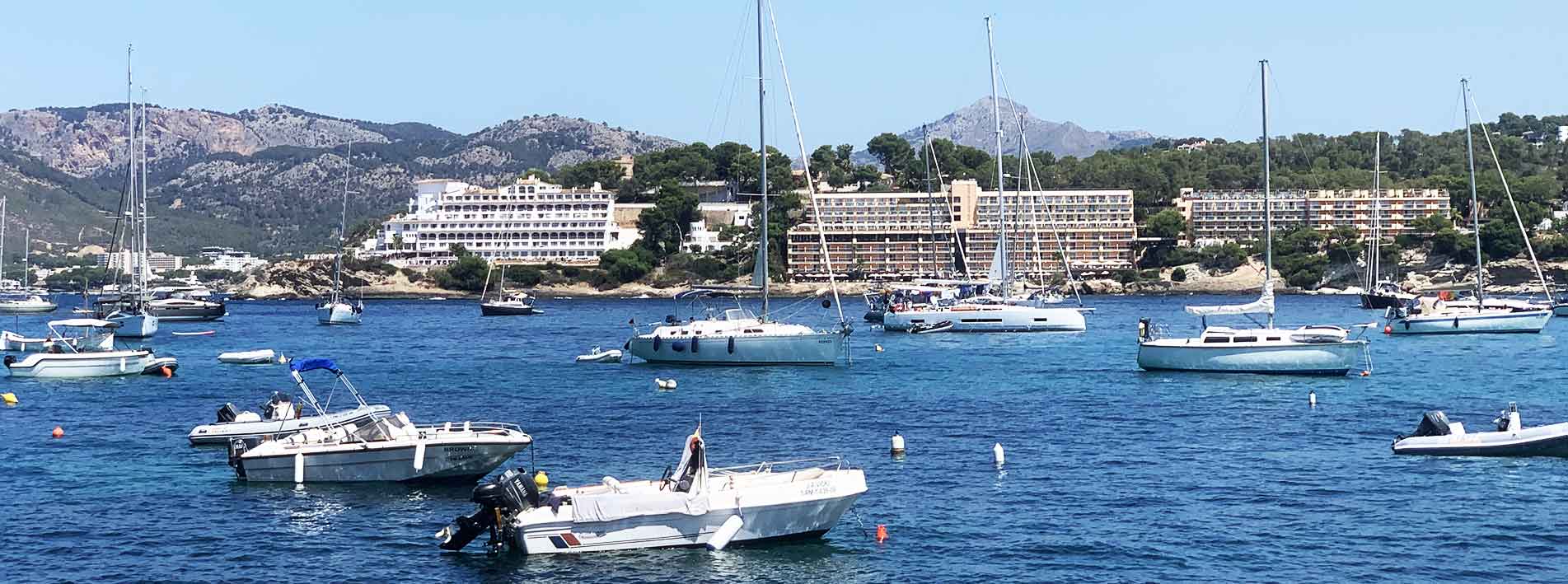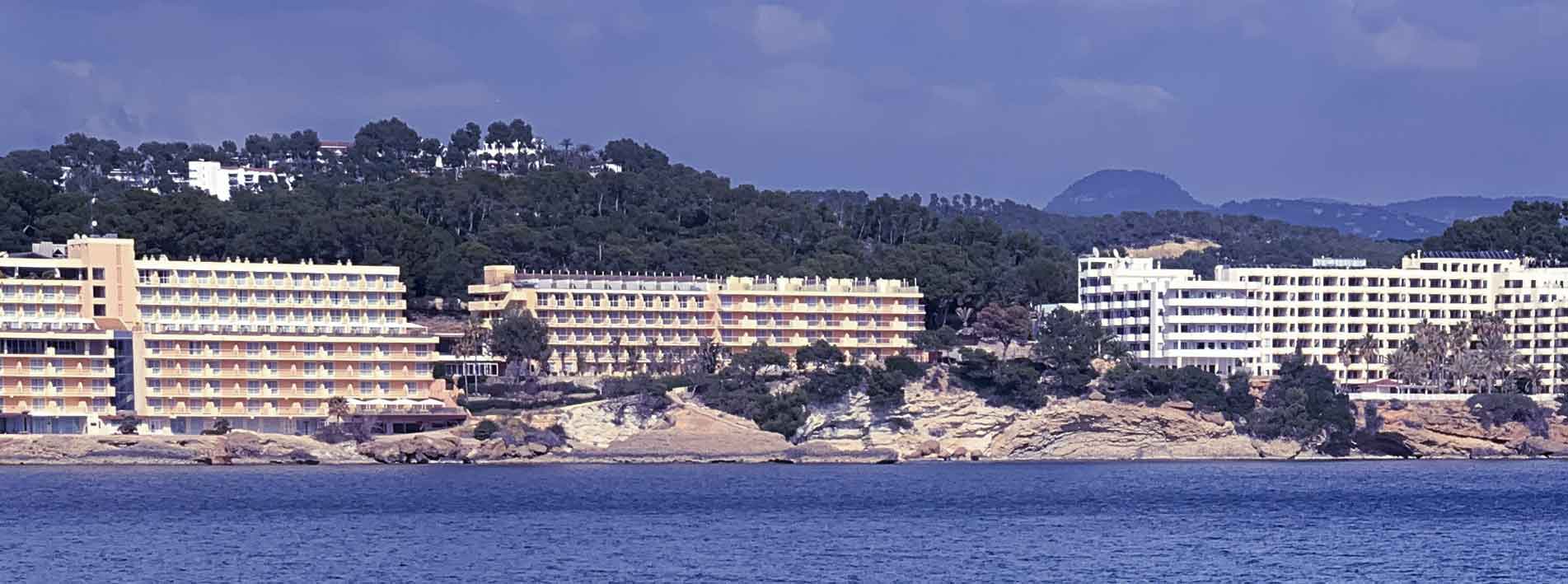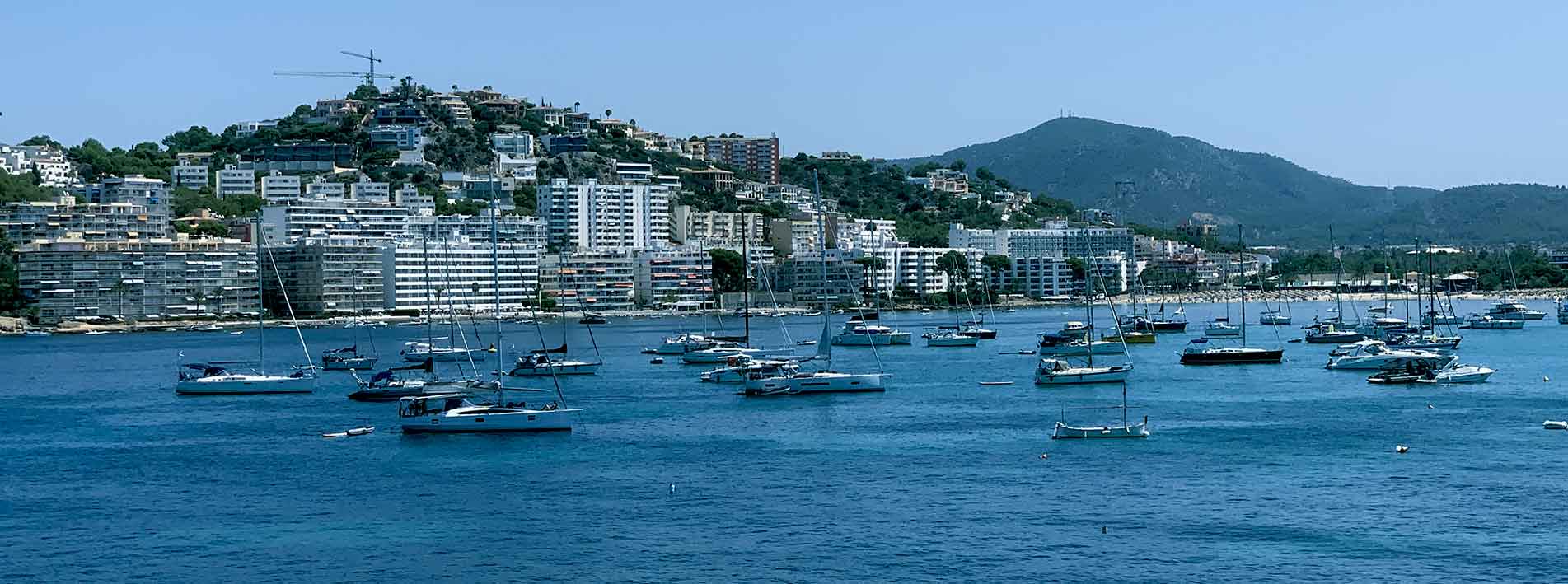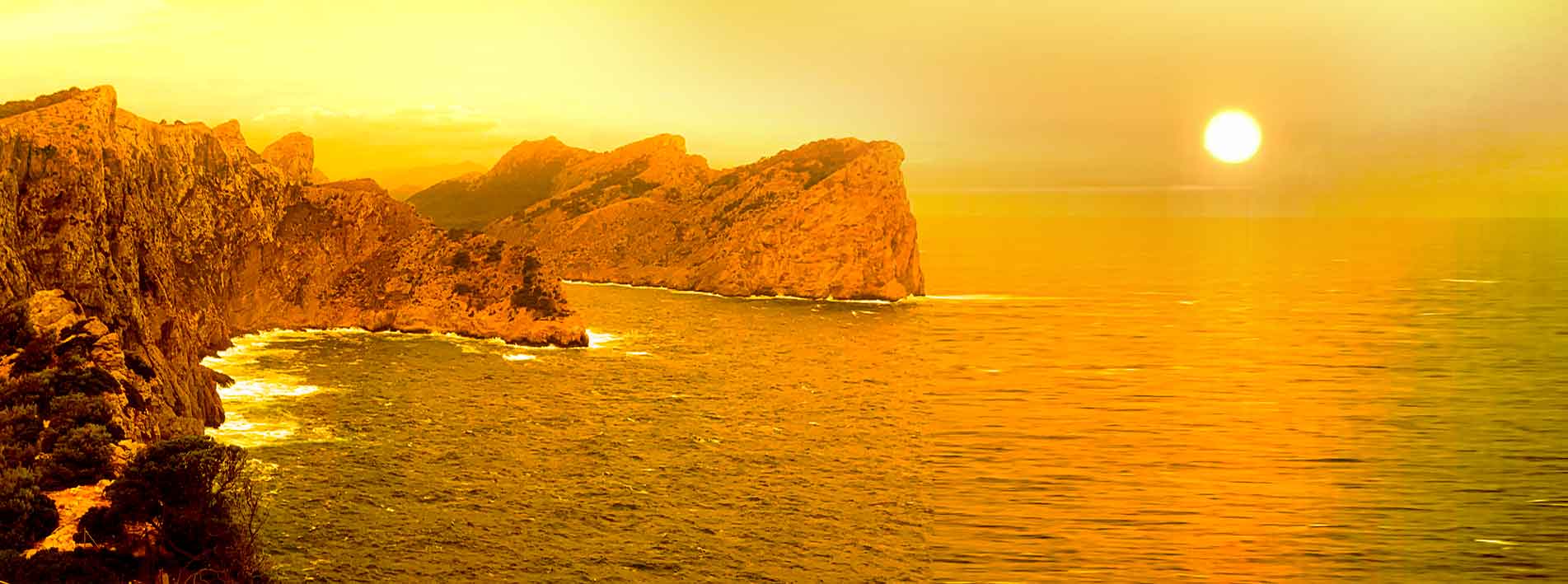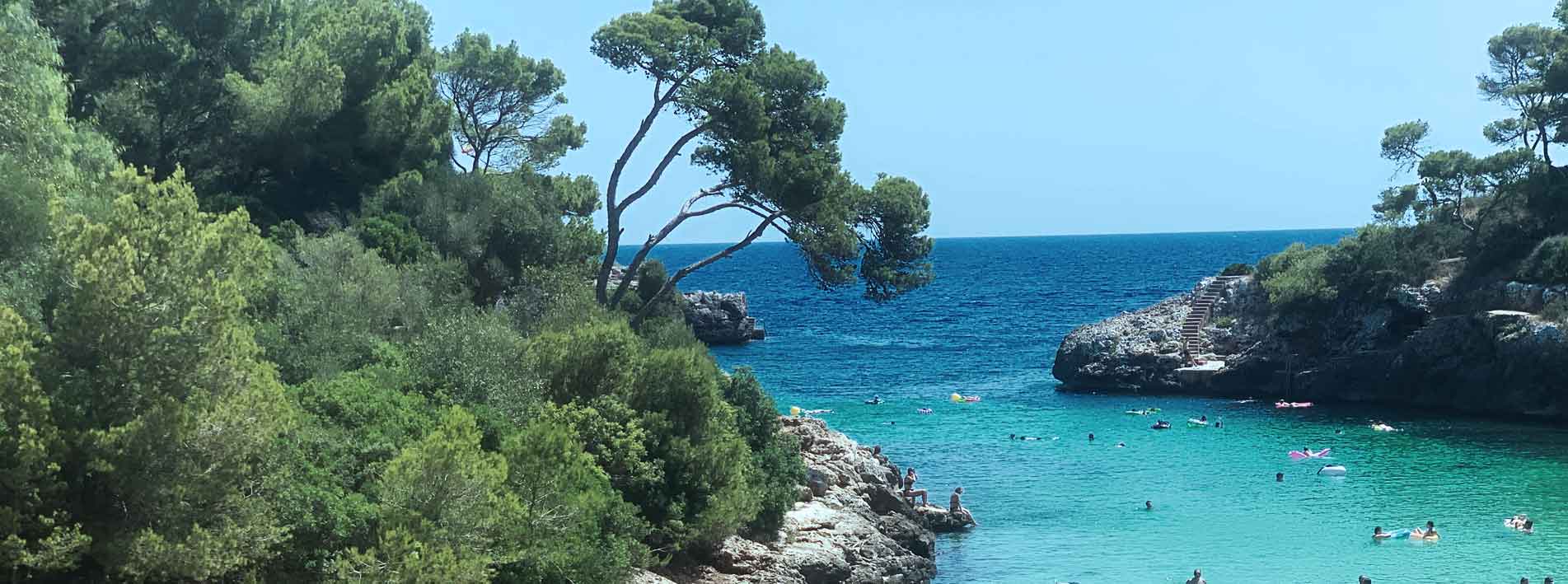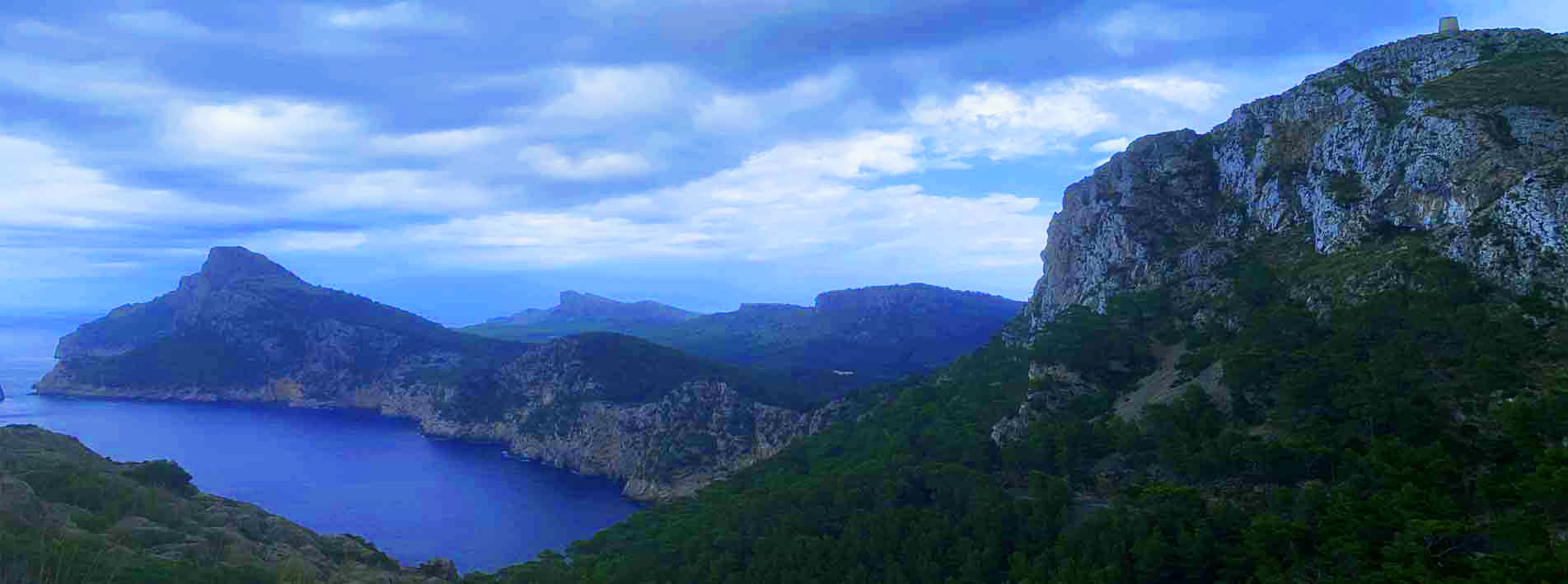
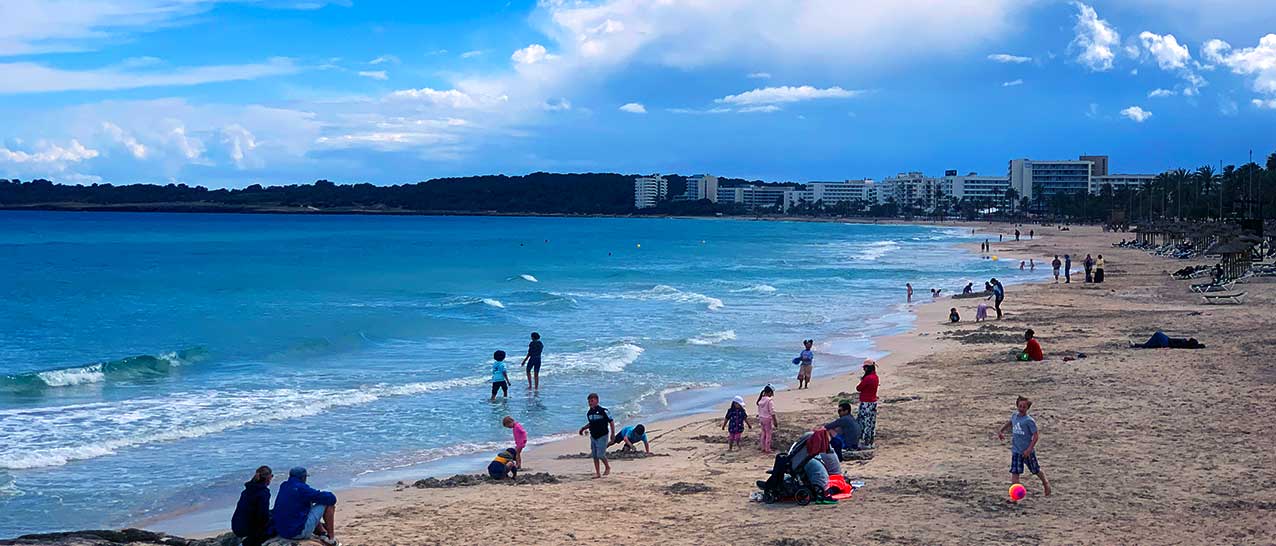
Cala Millor is a village of Mallorca, a popular tourist destination and an important resort on the east coast of the island, known for its long white sand beach and crystal clear waters, ideal for families. Cala Millor is a coastal town belonging to the Mallorcan municipalities of Sant Llorenç des Cardassar and Son Servera, approximately 70-75 km from Palma and about 60-65 km from the airport. Access by car is usually the fastest option, taking around an hour.
Toponymy of Cala Millor
The toponymy of Cala Millor means “the best cove” or “the best bay” in Catalan. Its name refers to and extols the beauty of its beach, which is considered one of the most beautiful in Mallorca. The name could also distinguish it from other nearby beaches and coves.
 Administrative division of Cala Millor
Cala Millor belongs to the municipalities of Son Servera and Sant Llorenç des Cardassar. The administrative division divides the northern part of Cala Millor into the municipality of Son Servera, while the southern part, including the areas of Sa Coma and s’Illot, belongs to Sant Llorenç des Cardassar.
 How to get to Cala Millor
Cala Millor is a tourist resort on the east coast of Mallorca. The fastest way to get there is by car or taxi from Palma Airport (PMI), taking the Ma-15 highway (approximately 1 hour). The bus option is less recommended due to its slowness, as the journey is longer.
Distances
Distance from Palma: Approximately 60 km.
Distance from the airport (PMI): Approximately 70 km.
Getting there by car
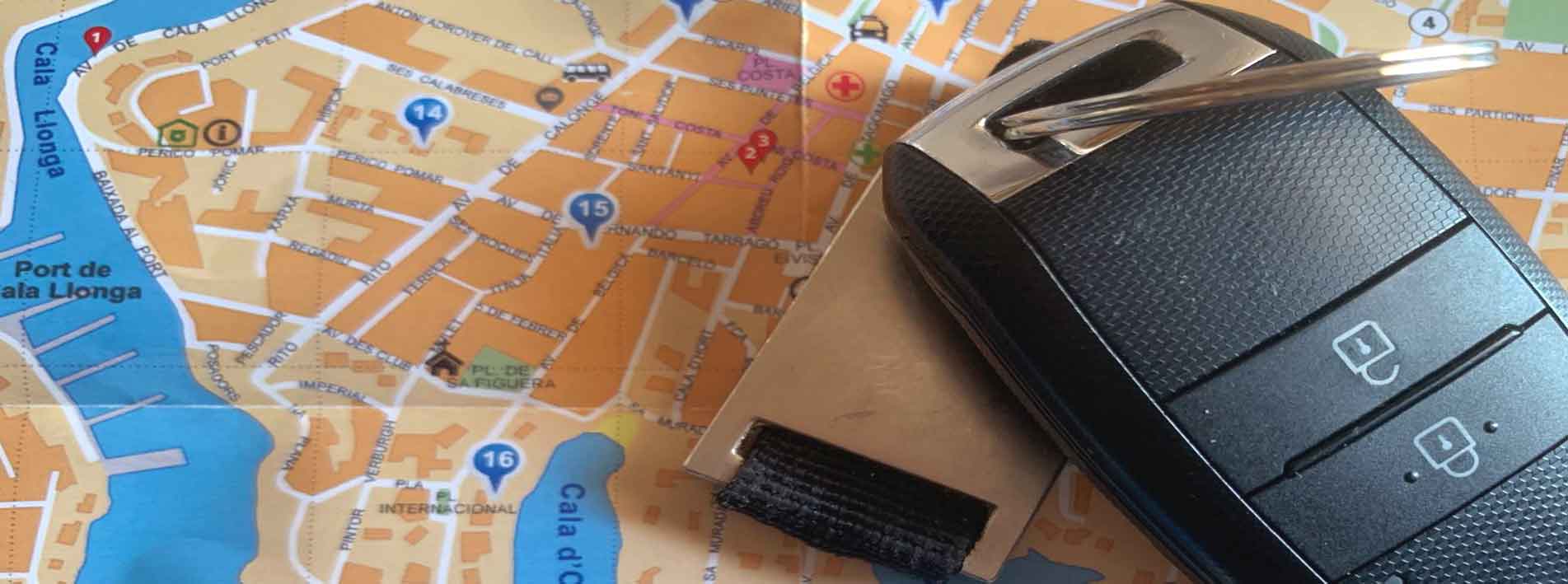
Getting to Cala Millor by car: This is the most recommended option, especially if you want to get around the island. From Palma airport, take the Ma-15 towards Manacor. Continue on the Ma-15, passing through Manacor and Sant Llorenç and then follow the signs to Cala Millor. The journey takes around 1 hour. Once in Cala Millor, there is street parking (if painted white) or public car parks, although you may have to search a little depending on the time of year.
Getting there by bus
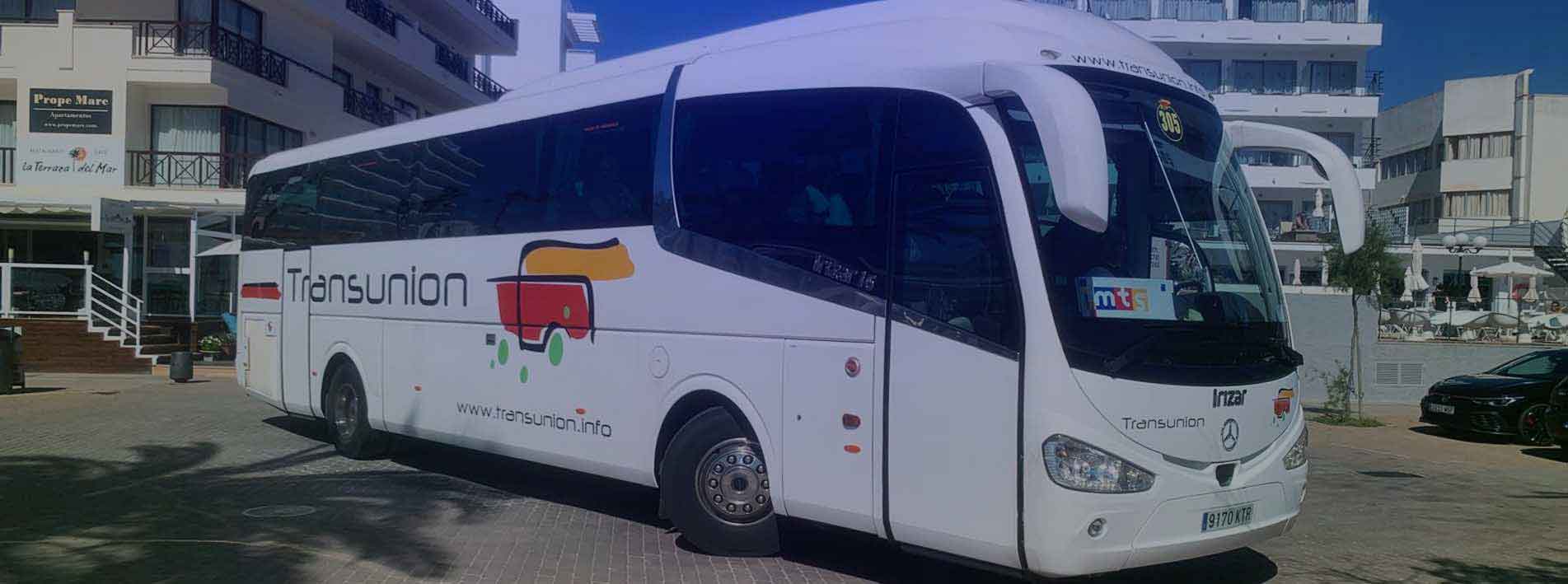
Getting to Cala Millor by bus: It is possible to get there, but it is not the fastest option. The journey time is considerably longer than by car.
Getting to Cala Millor from the airport: Take the A42 line, which goes directly to the center of Cala Millor.
Getting to Cala Millor from Palma: Take the 401 line from Palma’s Estació Intermodal, with a journey time of approximately 1 hour and 45 minutes. You can buy tickets on board, with cash or card, or through the TIB website.
Recommendation: Although it is possible to get there by public transport, it is recommended to rent a car if you want to get around the area, as connections to other points of interest on the island can be limited by bus.
Main lines: Line 401: connects Cala Millor with Palma (Estació Intermodal ↔ Cala Millor Centre; duration approx. 103 minutes; operates every day). Line A42: connects Cala Millor with Palma de Mallorca Airport (route Airport ↔ Cala Bona ↔ Cala Millor ↔ Sa Coma ↔ S’Illot ↔ Porto Cristo ↔ Manacor; operates all year round). Line 424: summer line connecting Cala Millor with Porto Cristo (operates June 1 to October 31).
Ticket purchase: You can buy your ticket directly from the driver on board the bus, but it is important to note that only cash tickets up to 10 euros are accepted. Another option is to purchase a prepaid card in advance at authorized points of sale. Payment can also be made directly with a contactless bank card and up to five people can travel with the same card, benefiting from discounts per user. In this case, it is essential to validate the card both when boarding and alighting from the bus so that the system can calculate the cost of the journey correctly.
Timetables: The timetables for the different lines and stops can be found on the TIB official website.
Getting there by taxi
You can also get to Cala Millor by taxi if you are looking for a faster option. A taxi ride from Palma takes approximately 60 to 75 minutes and the price is usually around €95 to €105 during the day and €105 at night/on weekends. If you are coming from a closer location such as Cales de Mallorca, the journey takes about 28 minutes. You can request a taxi through well-known mobile app services. It is advisable to check with the taxi service provider in advance.
 What to see and do in Cala Millor
Cala Millor offers a wide variety of beach and nature-focused leisure activities, including water sports such as snorkeling and kayaking, boat trips, hiking in Sa Punta de n’Amer and guided mountain biking tours. The offerings focus on family options such as tourist trains, playgrounds and nightlife, with a wide range of restaurants and bars. In addition, cultural events, weekly markets and summer festivities are organized. Highlights of this popular Mallorcan town include:
Beach and water sports
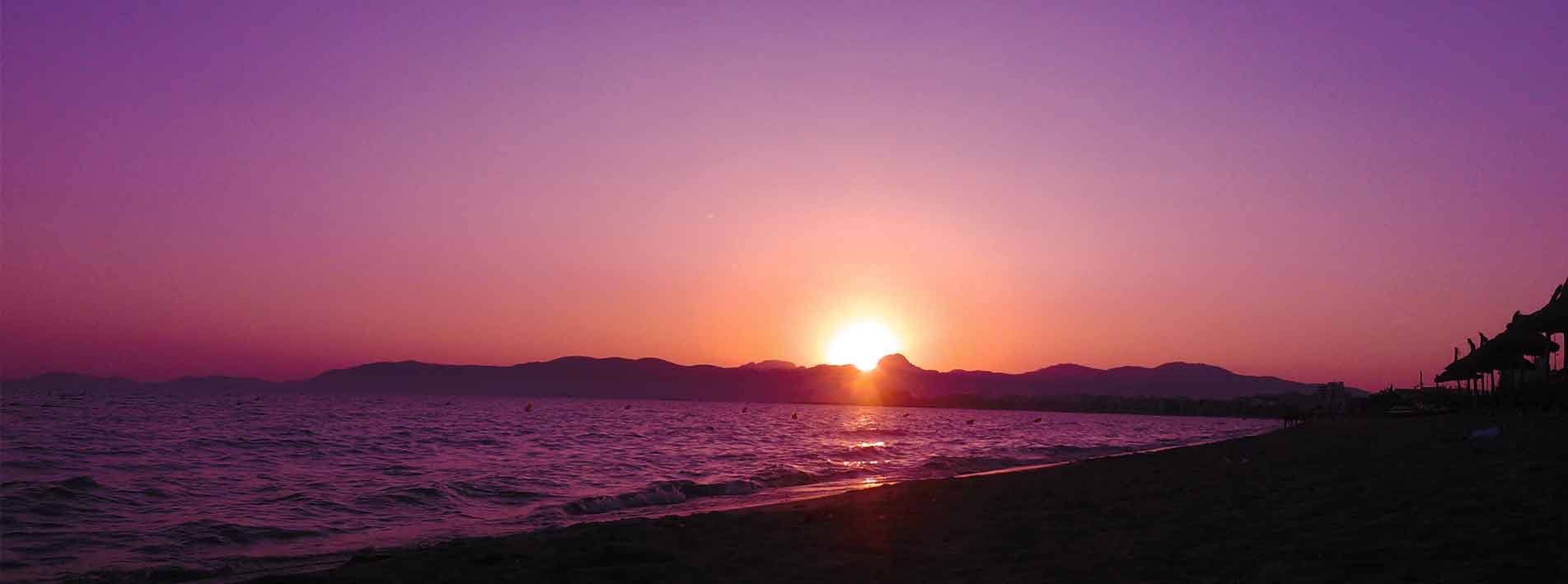
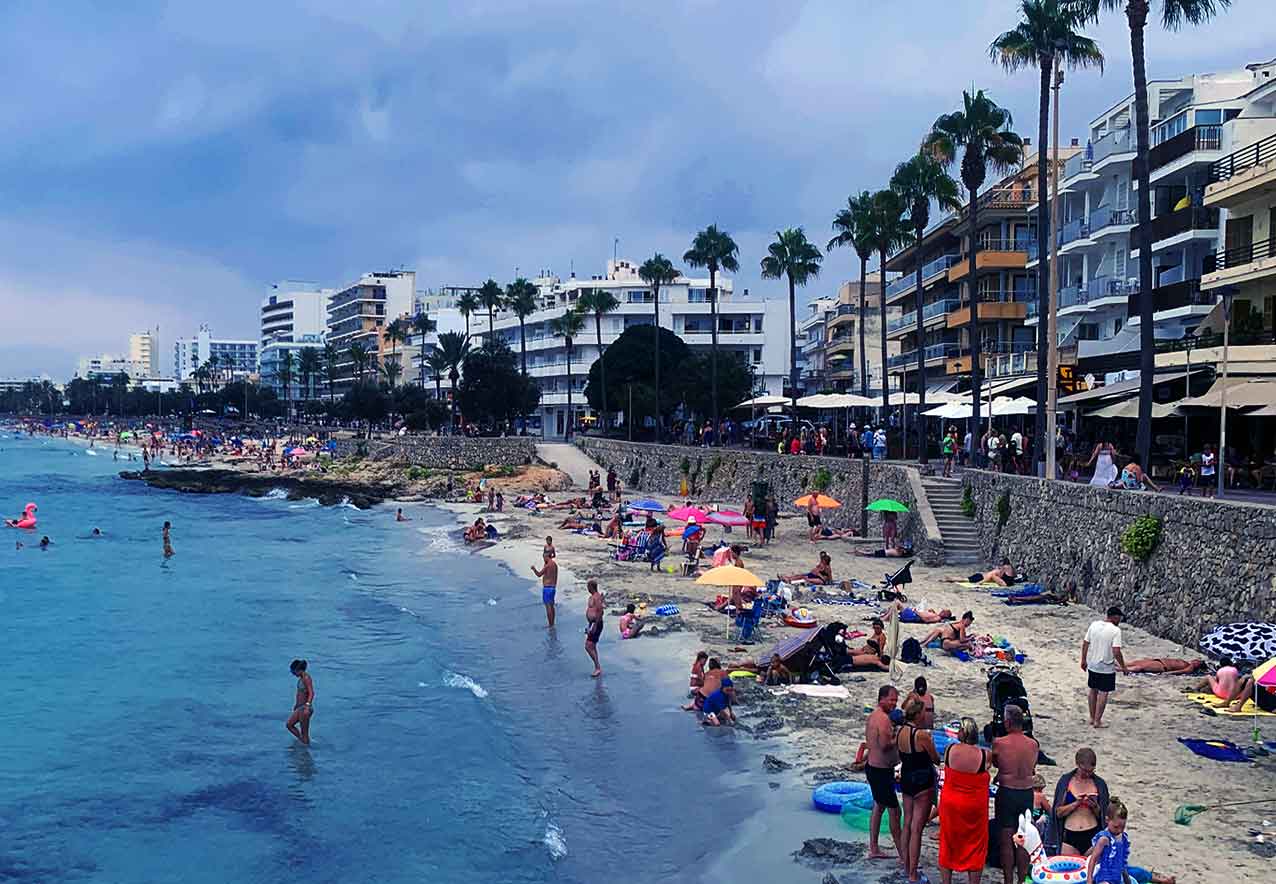
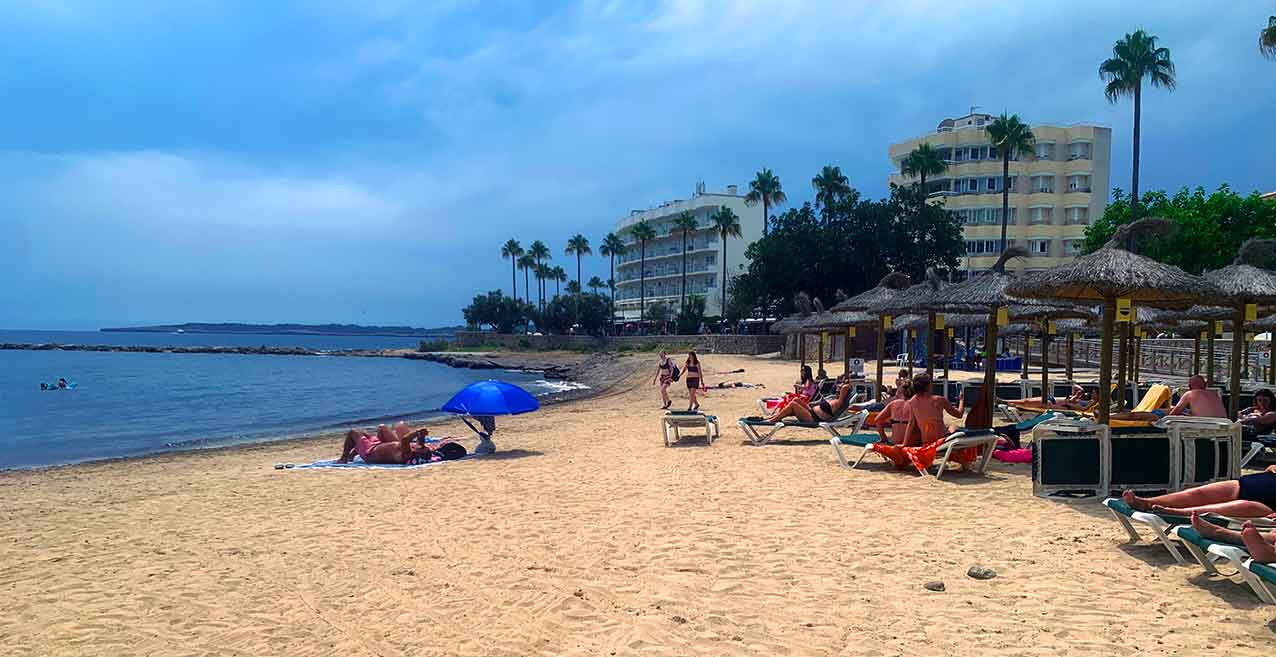
Cala Millor Beach: Cala Millor has a long beach of fine white sand that stretches for almost 2 km, with crystal clear, shallow waters, ideal for families. It is equipped with services such as lifeguards, sun loungers and access ramps, as well as a promenade with bike lanes and numerous restaurants, bars and shops.
Water sports: In Cala Millor, you can enjoy a variety of water sports, including adrenaline-pumping activities such as water skiing, windsurfing and flyboarding, as well as more relaxed options such as diving and snorkeling. Activities such as parasailing are also available, allowing you to enjoy aerial views of the sea. You can also go kayaking and paddle surfing.
 Walks and excursions
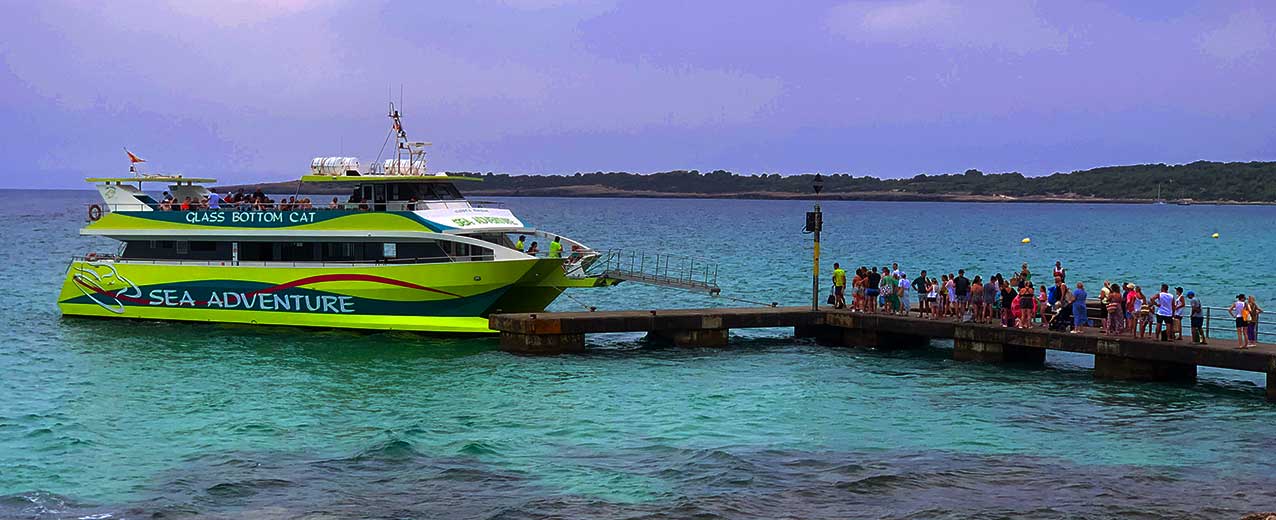
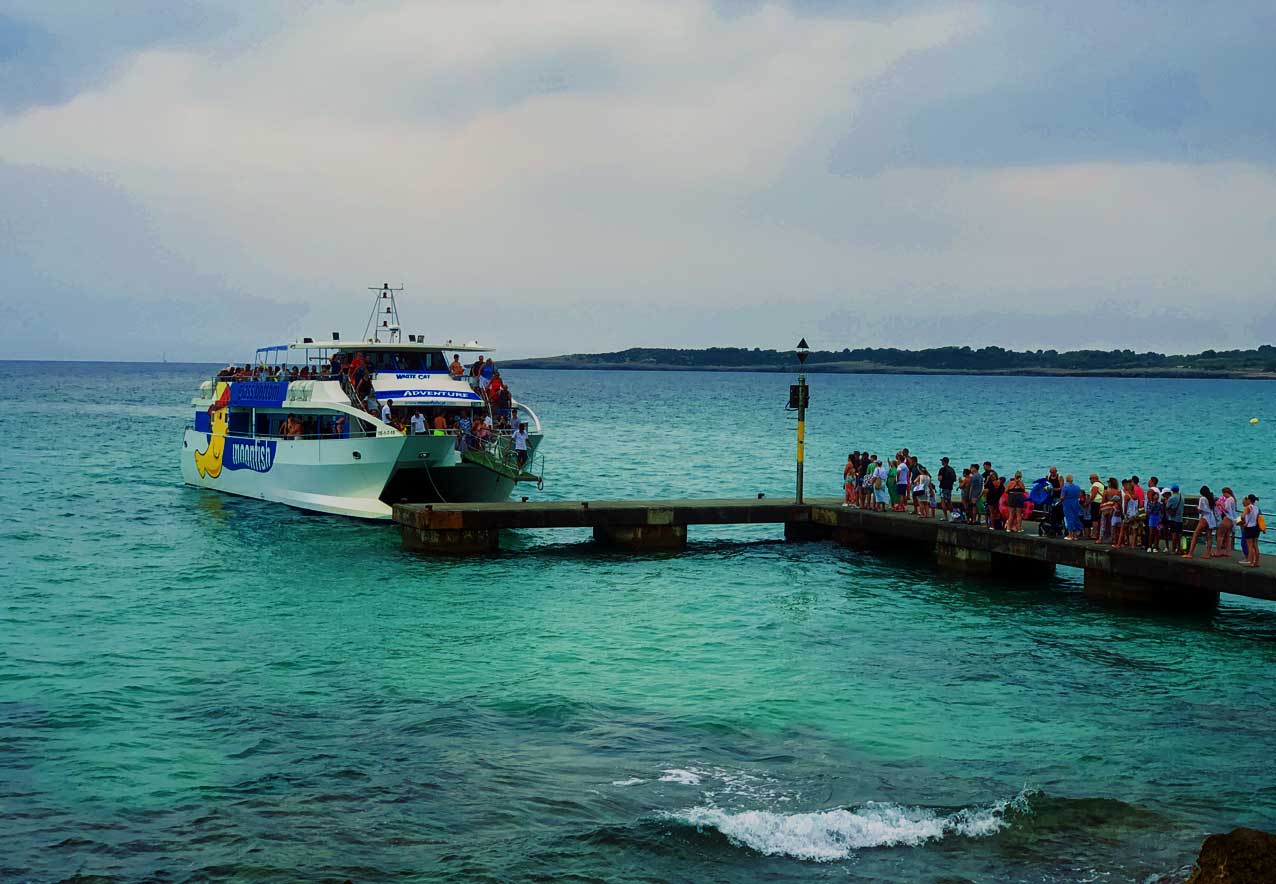
: Walks and water routes in Cala Millor include boat trips (with or without a glass bottom) to the south to places such as Porto Cristo, Cala Romántica and the Pirate’s Cave, or to the north, as well as jet ski excursions that can also head north or south. These routes usually include stops for swimming and allow you to discover sea caves, coves and the east coast of Mallorca. You can also enjoy horseback riding or stroll along the promenade, which also has a bike lane.
 Nature in Cala Millor
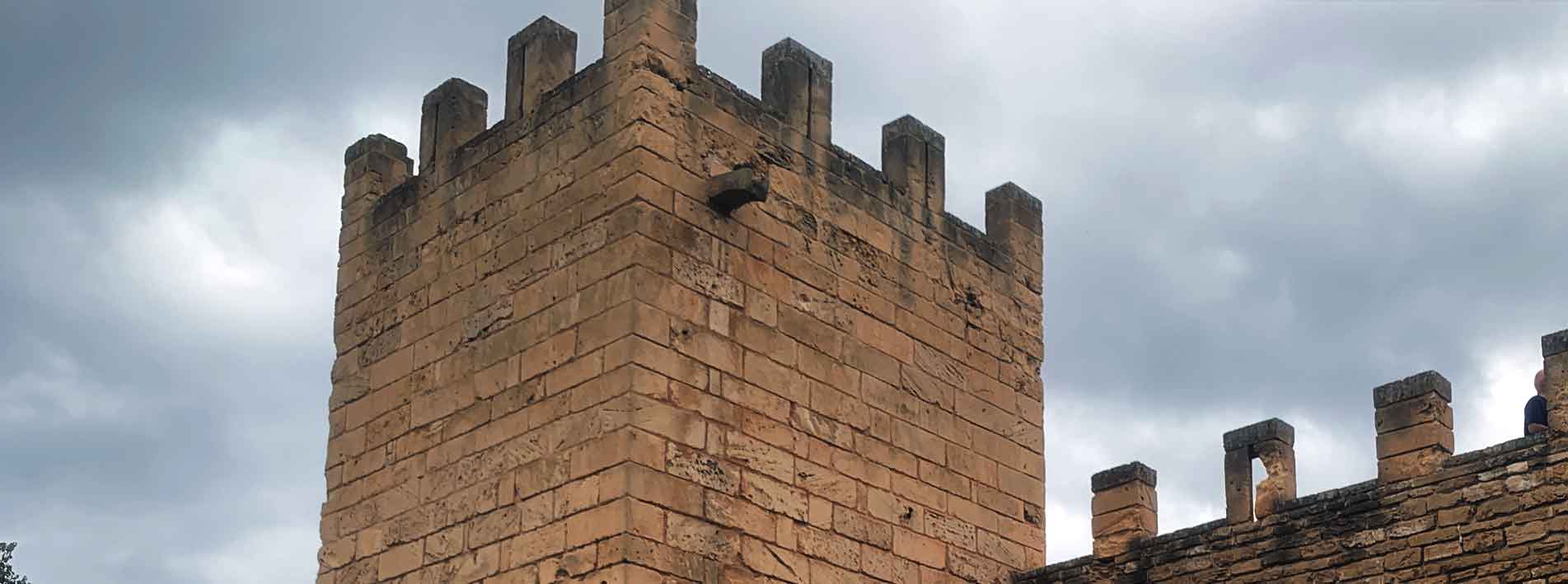
Punta de n’Amer Natural Park: The Punta de n’Amer Natural Park is a 200-hectare protected area, declared a Natural Area of Special Interest (ANEI) in 1985, located between Cala Millor and Sa Coma. It is notable for its landscape, with a mixture of dunes, scrubland and pine forests, ideal for hiking and for its natural and cultural wealth, with a 17th-century defensive tower (“Es Castell”) as its main point of interest.
Flora and fauna: The flora of Cala Millor includes Mediterranean garrigue vegetation (mastic, rosemary) and dune vegetation (barrón, sea iris), as well as pine, juniper and holm oak forests. The fauna is diverse, including seabirds such as gulls, mammals such as hedgehogs and ferrets, reptiles such as the Balearic lizard and marine fauna such as rockfish, groupers, squid and sea urchins.
 Culture and leisure in Cala Millor
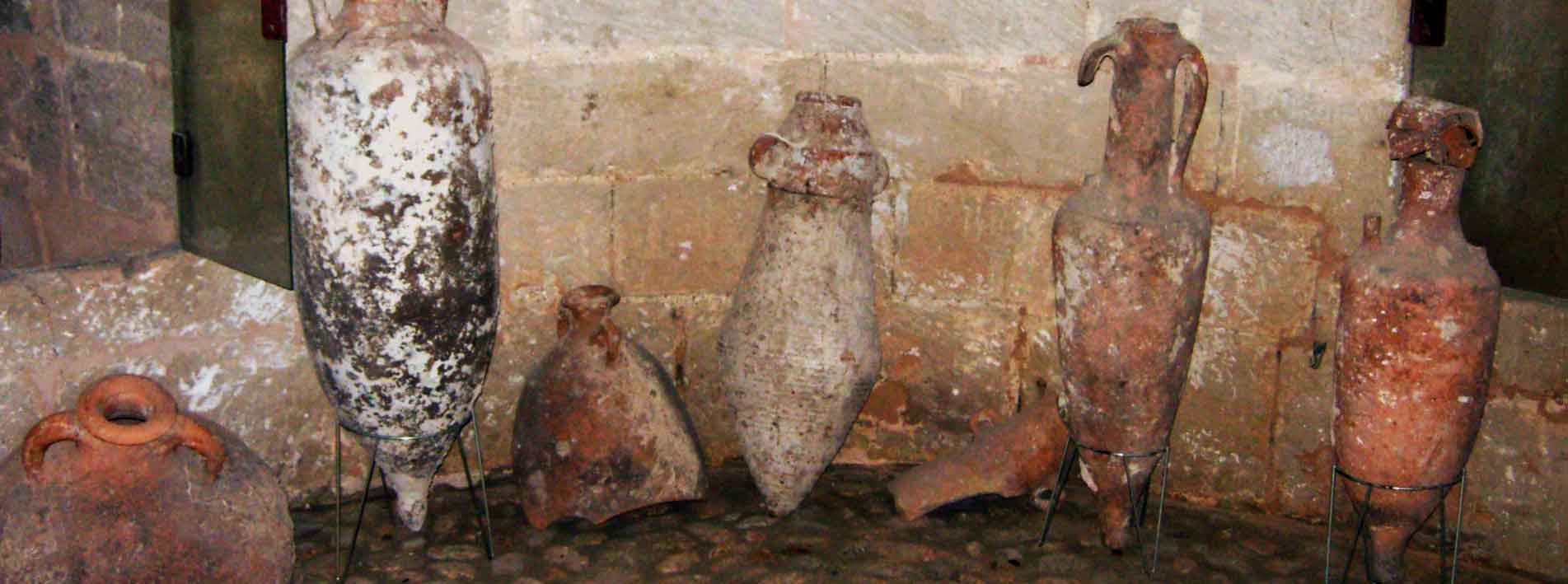
Culture: The culture of Cala Millor is fused with the history of its past, which includes vestiges of Talayotic culture and adapts to the present as a popular tourist destination. Among the most notable cultural elements are the ruins of the Talayotic settlement of S’Illot, a reflection of its pre-Hispanic past, the construction of the fortress of Sa Punta de n’Amer in the 17th century and its evolution into a modern resort since the 1960s. The area also has a cultural center, the Sa Màniga Auditorium, which offers shows throughout the year.
Festivals: Traditional festivals such as Sant Antoni (January), Sant Miquel (May), Sant Joan (June) and Mare de Déu del Carme (July) are celebrated in the nearby municipalities that form part of the area.
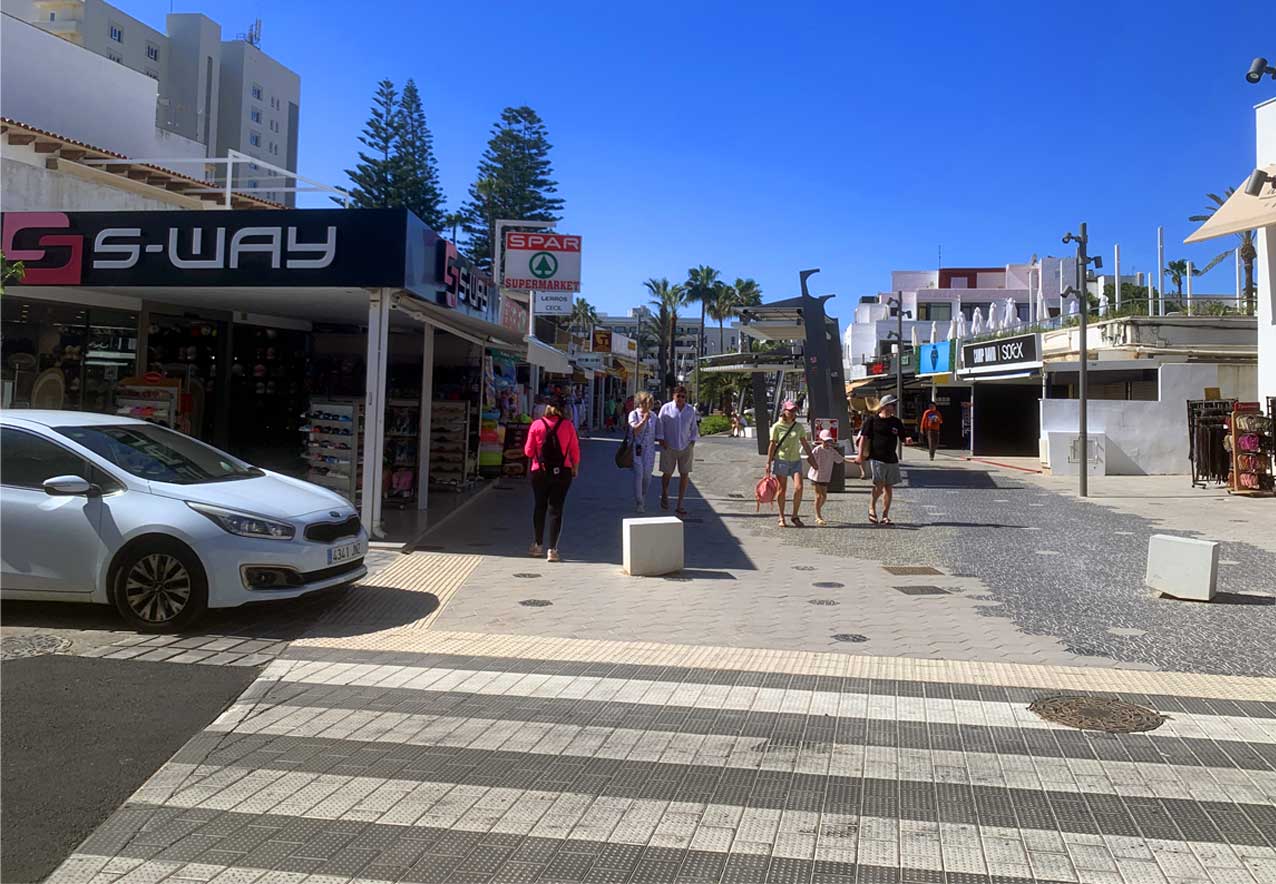
Shopping and gastronomy: Cala Millor offers a main pedestrian street with international brand stores, jewelry stores, boutiques and souvenir shops. The promenade and nearby streets offer a wide range of restaurants, bars, shops and boutiques. In terms of gastronomy, there is a wide range of restaurants, although many are geared towards international tourism. However, you can find restaurants serving traditional Mallorcan cuisine and local products in supermarkets and weekly markets. You can try typical Mallorcan dishes such as sobrasada and ensaimada and local wineries are producing an increasing number of Mallorcan wines.
 History and evolution of Cala Millor
Cala Millor evolved from an area of farmers and small settlements into a major tourist destination in the 1950s and 1960s. The first hotel was built in 1934 and the real boom began with the massive construction of hotels and apartments during the tourism boom of the 1960s. The development expanded to the neighboring village of Cala Bona, with which it now forms a tourist unit.
Today, it is an established vacation spot, with a promenade designed by Joan Llinàs in 1962. It has undergone several stages of urban development, crisis and renovation to focus on quality and sustainable tourism, although the natural regeneration of the sand has required artificial interventions.
 Hospitality and tourism
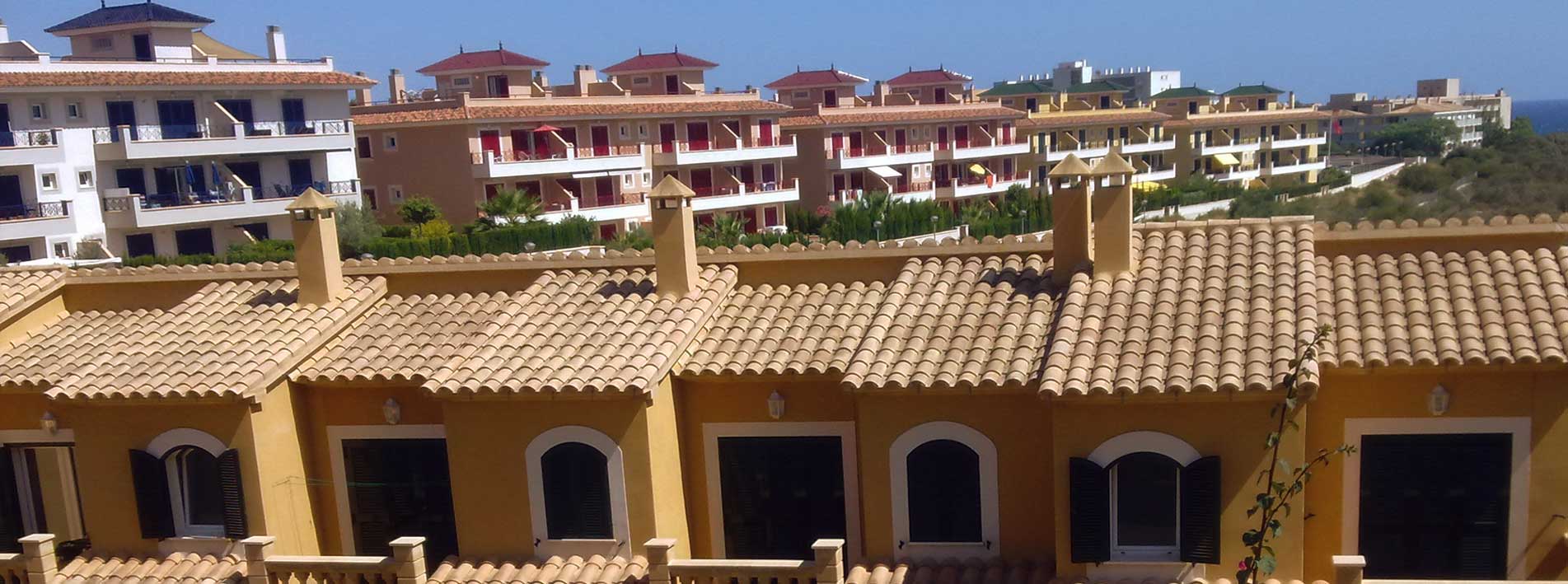
Tourism: Cala Millor is a tourist center with a wide variety of accommodation options, from large international chain hotels to vacation apartments, many of them located on the beachfront.
The hotels are mainly geared towards families and senior tourists, offering services such as swimming pools, restaurants and entertainment, although there are also “adults only” hotels for couples. In the low season, it may seem like a quiet or almost empty destination, but in reality, Cala Millor is one of the most important tourist destinations on the island, with a large concentration of hotels and a tourist industry that has been developed since the 1960s.
 What to see near Cala Millor
Cala Millor is an excellent base for exploring the east coast and the nearby interior. These are the most practical getaways, ordered from closest to furthest.
Cala Bona (on foot or 5 min by car): A small fishing harbour that retains a quieter atmosphere than Cala Millor. The promenade connects both centres and is ideal for a sunset walk. A good place for fresh fish by the water.
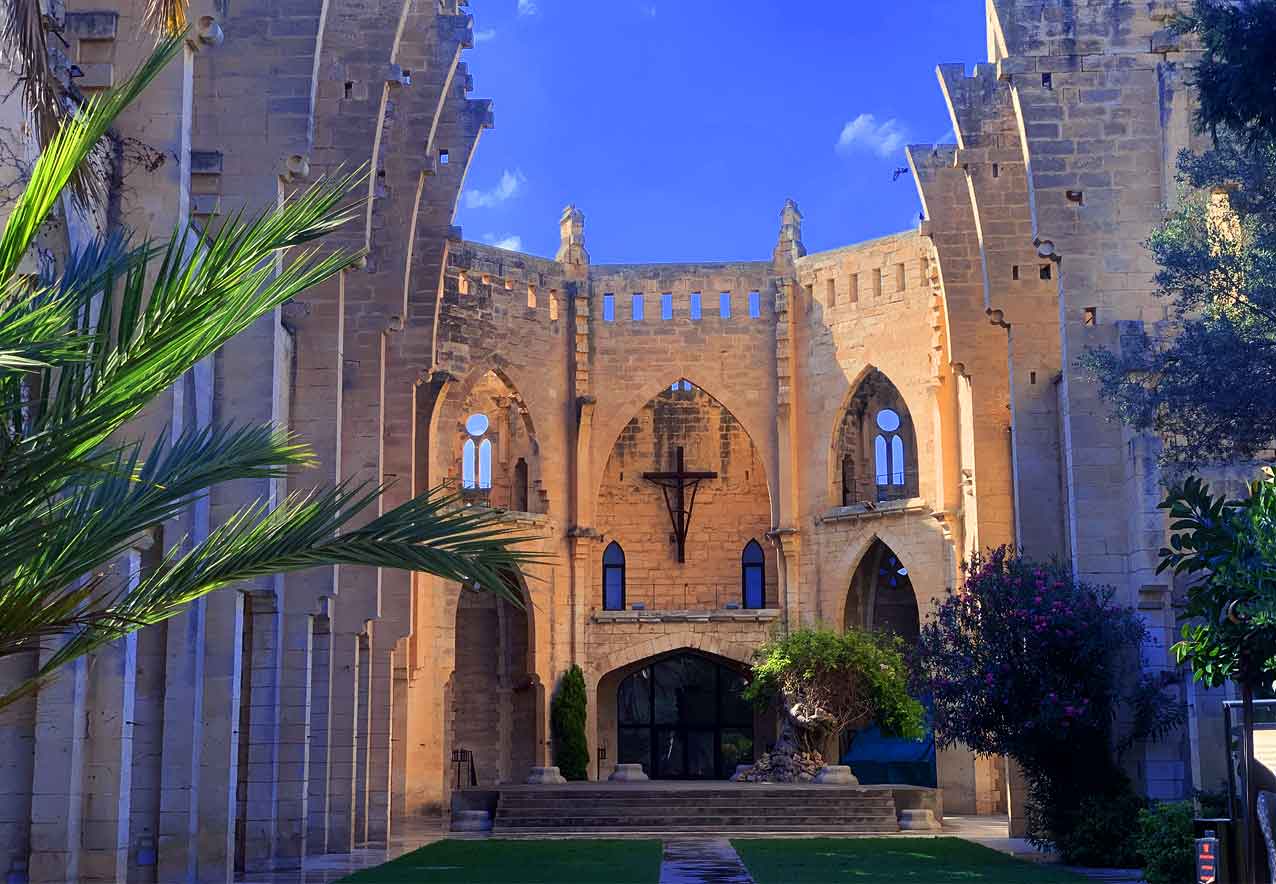
Son Servera (5-10 min by car): The nearest inland village, with its unfinished neo-Gothic church (Església Nova) and the Friday market. A contrast of local atmosphere with the coast.
Punta de n’Amer and Sa Coma (on foot or 10 min by car): The nature reserve between Cala Millor and Sa Coma, with its 17th-century defensive tower. From Sa Coma you can continue to S’Illot and its Talayotic settlement.
Artà (15-20 min by car): A charming inland village, known for its Tuesday market, the church of Sant Salvador and the hilltop sanctuary. Ideal for half a day.
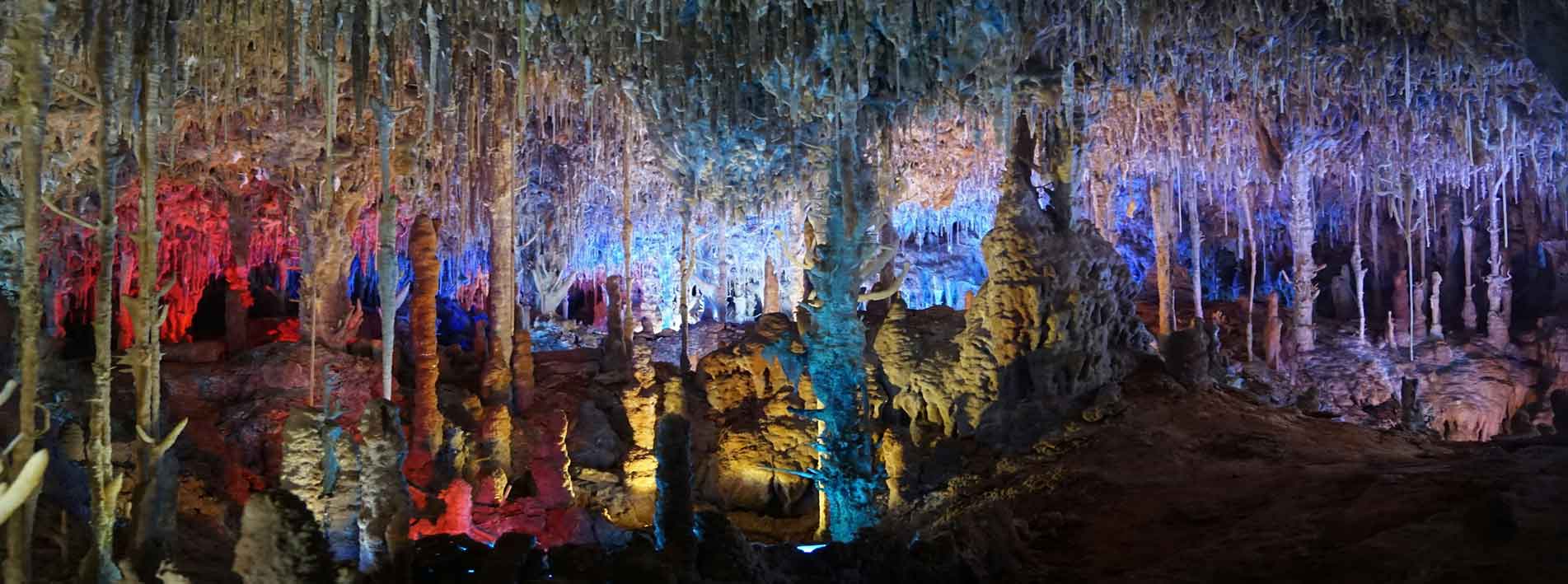
Cuevas de Artà (25-30 min by car): The nearest caves to Cala Millor, in Canyamel bay. An underground route of about 40 minutes among stalactites and natural vaults.
Cuevas del Drach, Porto Cristo (15-20 min by car): The classic excursion in eastern Mallorca. The route ends at Lake Martel, with a short classical music concert. Porto Cristo also has a pleasant natural harbour for a stroll.
Palma (1 hour by car / 1h45 by bus line 401): The capital, with the Cathedral and the old town. It is a full-day excursion.
 Cala Millor without a car: what you can do on foot
One of the advantages of Cala Millor is that the promenade and the neighbouring centres allow you to get around without a car for the essentials.
Promenade and beach: The promenade runs along the entire beach and has a bike lane. It is the simplest option for day to day: beach, restaurants, shops and terraces.
Cala Bona (15-20 min on foot): You can walk along the promenade to the small fishing harbour. It is a flat, pleasant walk, ideal for sunset.
Sa Coma (15-20 min on foot from the south of Cala Millor): You can walk there along the beach or the promenade. Sa Coma has a wide beach and access to Punta de n’Amer.
Punta de n’Amer (on foot from Sa Coma or Cala Millor): The nature reserve has signposted trails that can be explored on foot. It is the best nature option without needing a car.
If you want to go further: For Artà, the caves or Porto Cristo, a car or bus is necessary. Line 424 connects Cala Millor with Porto Cristo and Canyamel in season [citation:7][citation:14].
 Frequently asked questions about Cala Millor
Where can I park in Cala Millor? Parking is limited, especially in high season. There are street parking areas (white-painted spaces) and some public car parks, but you should allow time to find a space. The municipality of Son Servera has created resident parking zones in Cala Millor and Cala Bona, so visitor spaces are more limited [citation:6]. If you are staying in the centre, it is best to park outside and walk.
Is Cala Millor for families or for partying? Cala Millor has a distinctly family-friendly profile: a wide, shallow beach, a promenade with a bike lane, playgrounds and a hotel offering geared towards families. There is nightlife along the promenade and places for a drink, but it is not a mass nightclub area like Magaluf. For more partying, Cala Ratjada is about 17 km away [citation:8].
What is the best time to visit Cala Millor? May to June and September to October: good weather, beach open but not crowded and more reasonable prices. July and August are the busiest months. In winter the destination is very quiet and many establishments close.
Do I need a car to get around Cala Millor? Not for the beach, the promenade, Cala Bona or Sa Coma: they are all walkable. For Artà, the caves or Porto Cristo, a car or bus is recommended.
Can you drink tap water? Yes, the water is drinkable, although many people prefer bottled water for the taste.
Tipping: Not mandatory, but it is appreciated to leave 5-10% in restaurants if the service has been good.
And that’s it for this brief guide to Cala Millor, in Mallorca. We hope it helps.
By the way: Are you coming to Mallorca on a tourist trip? If you find it helpful, you can also check out our travel guide to Mallorca and more tourist information about the island