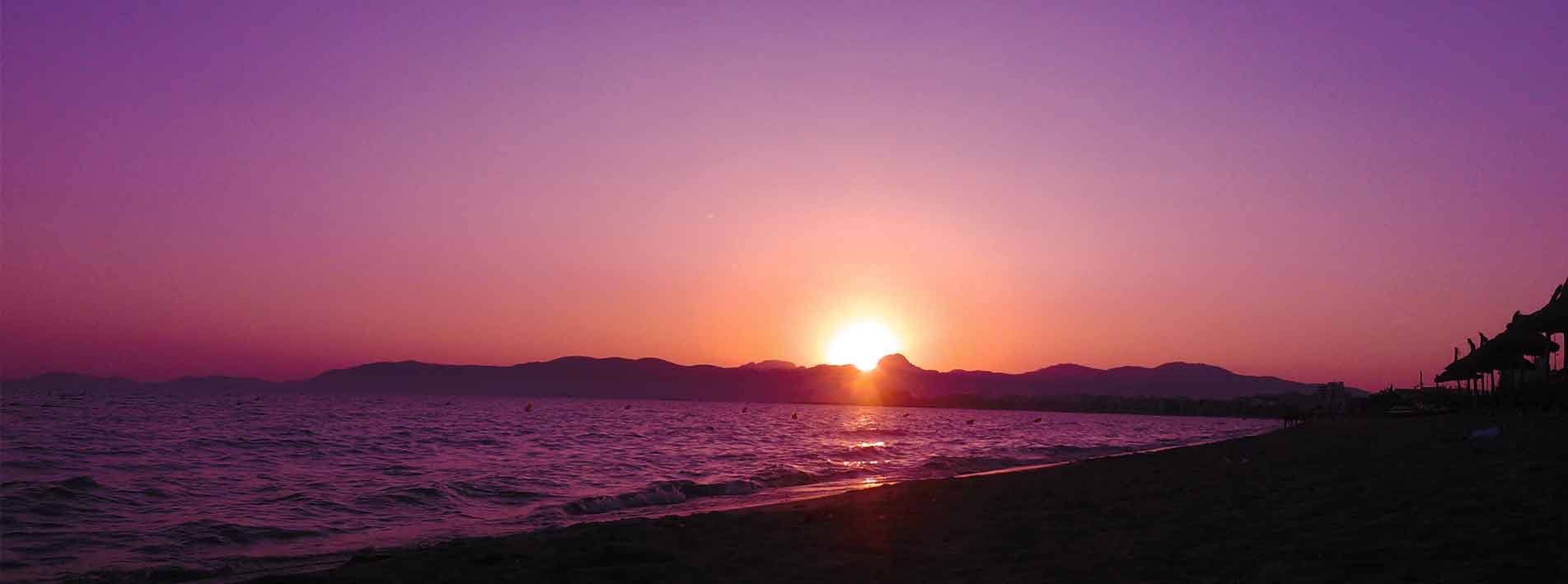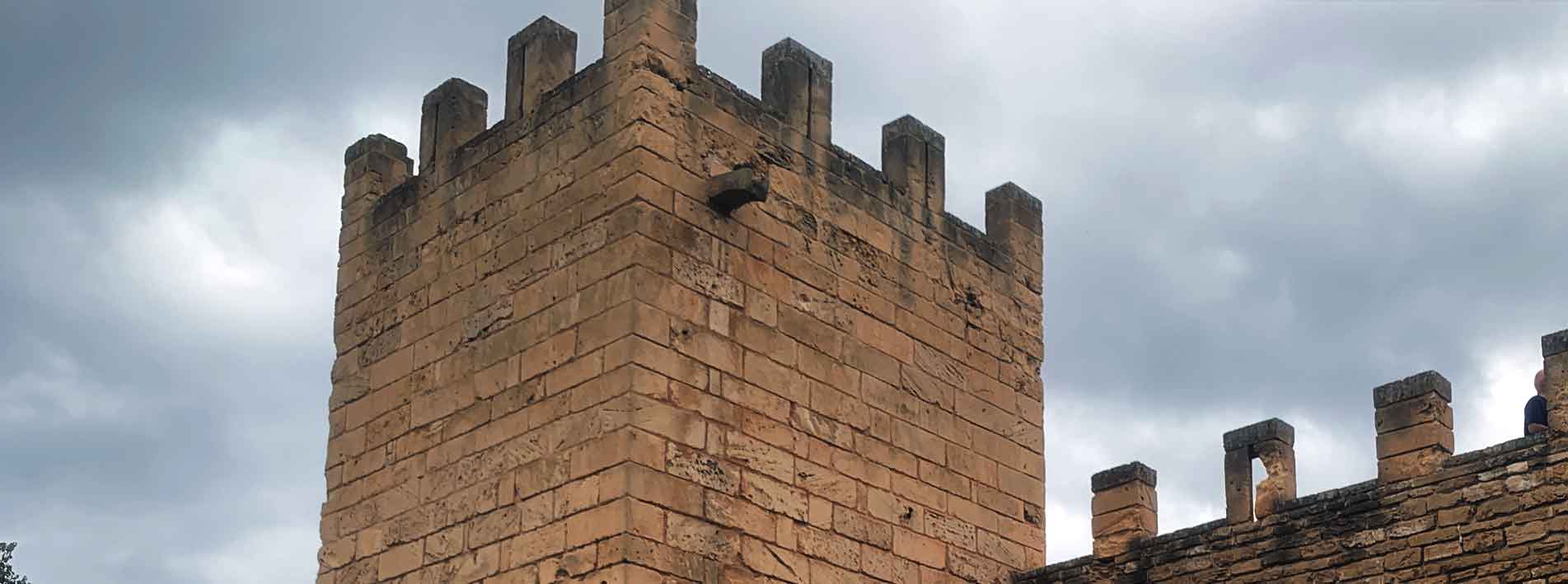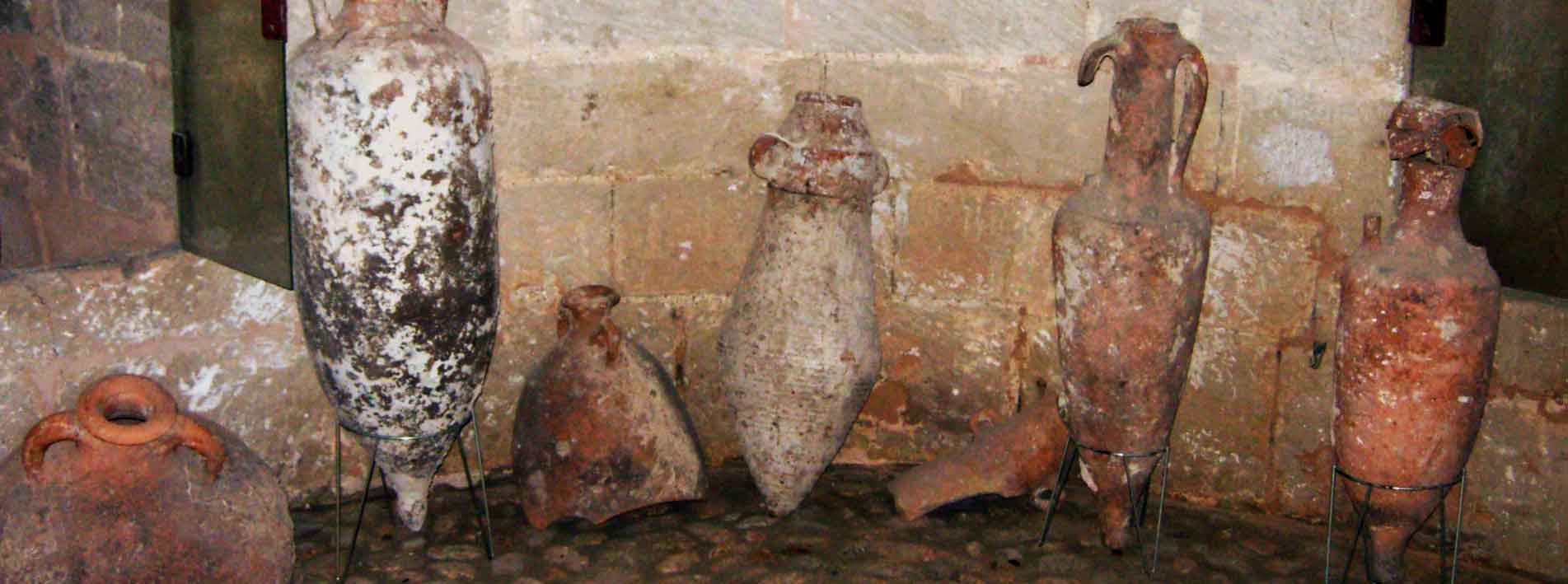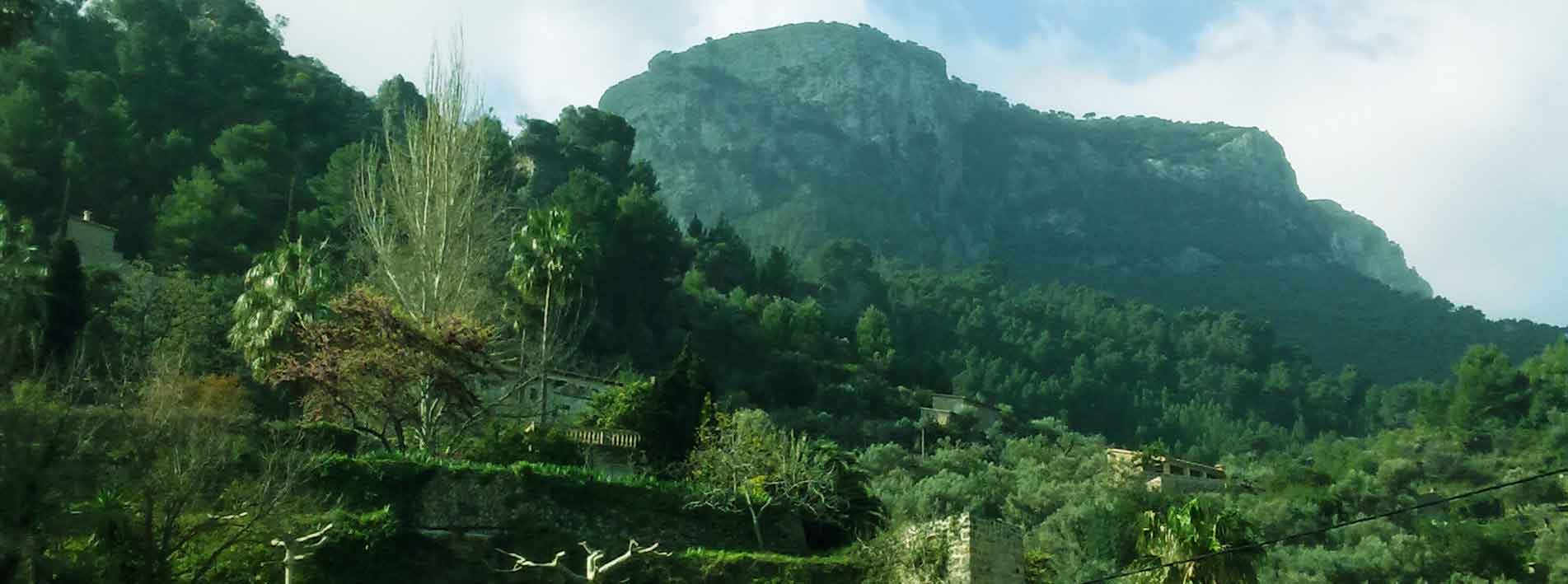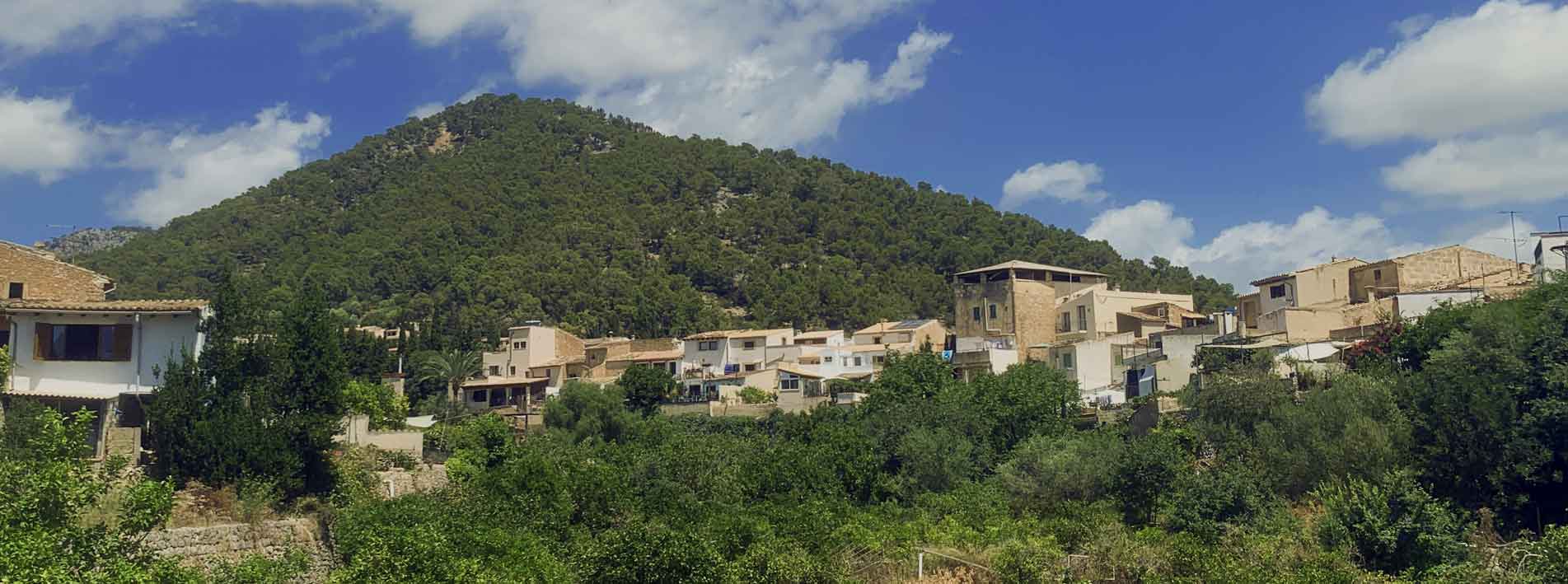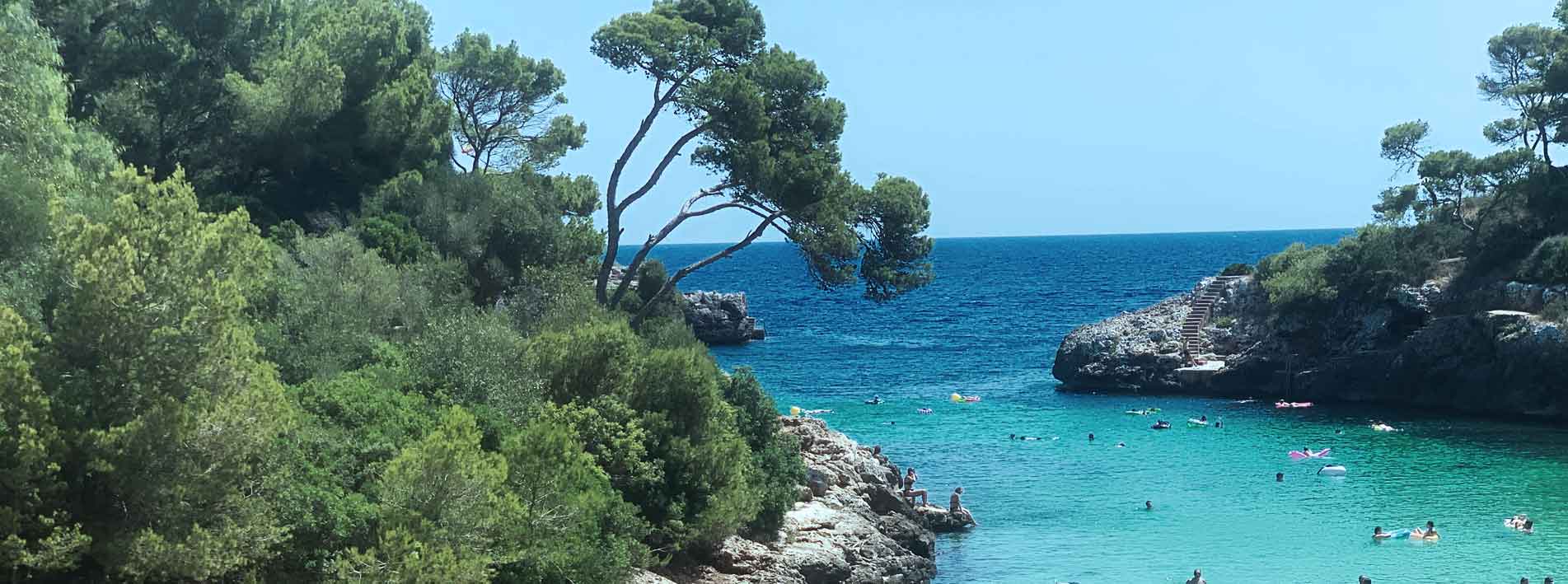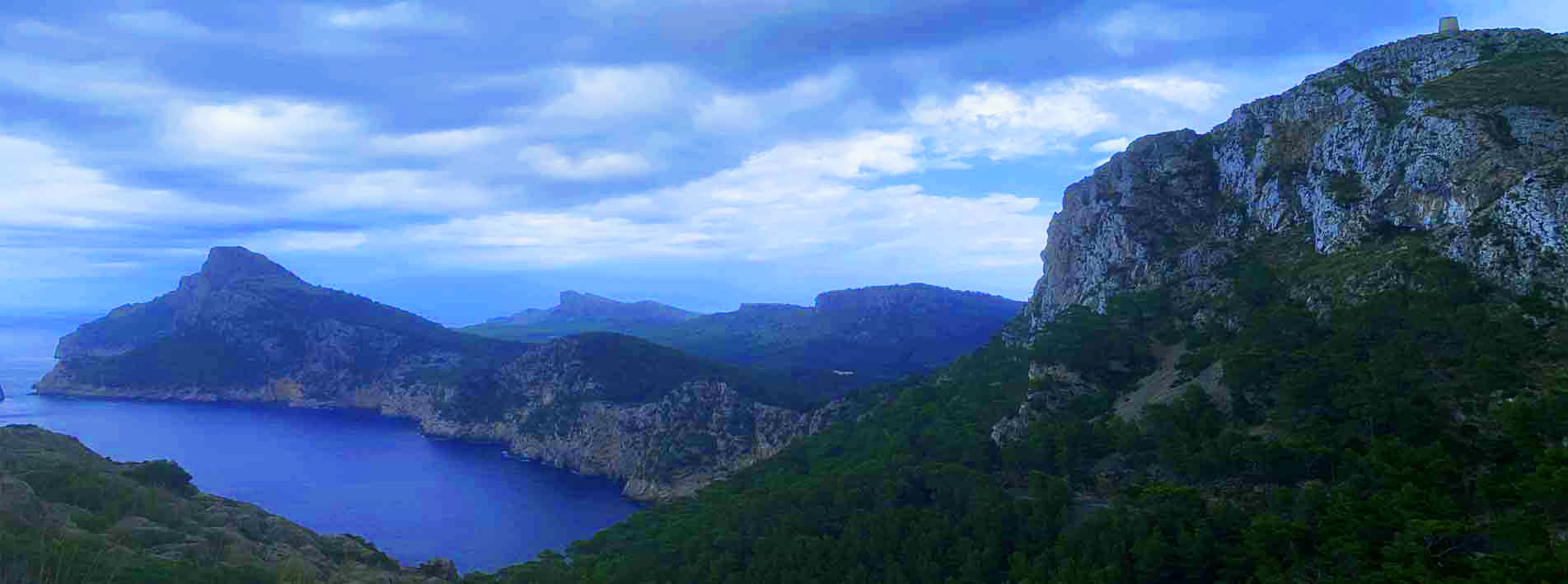

Alcúdia is a town or village of Mallorca located in the north of the island. It is notable for its rich history and natural beauty. Its historic center, surrounded by a medieval wall, is home to the remains of the ancient Roman city of Pollentia, museums, and traditional markets. It also has extensive beaches with crystal-clear waters, ideal for families, and is close to the Serra de Tramuntana mountains, offering a variety of outdoor activities.
Location of Alcúdia
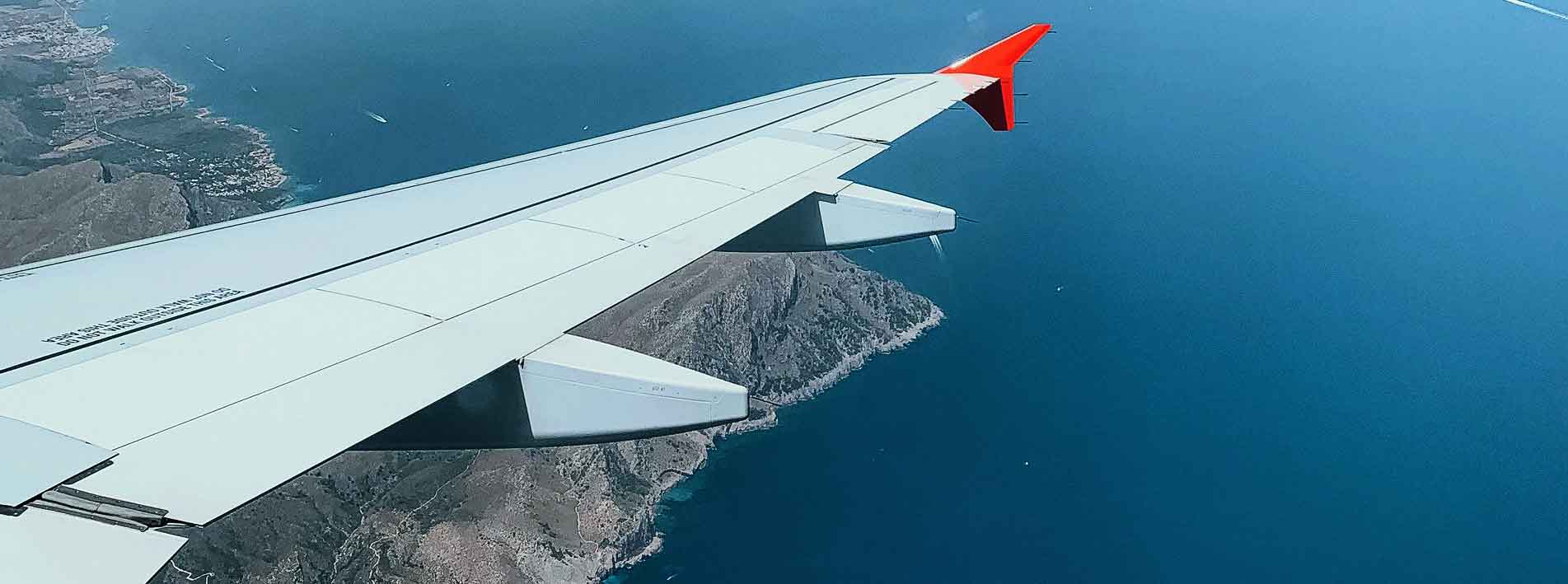
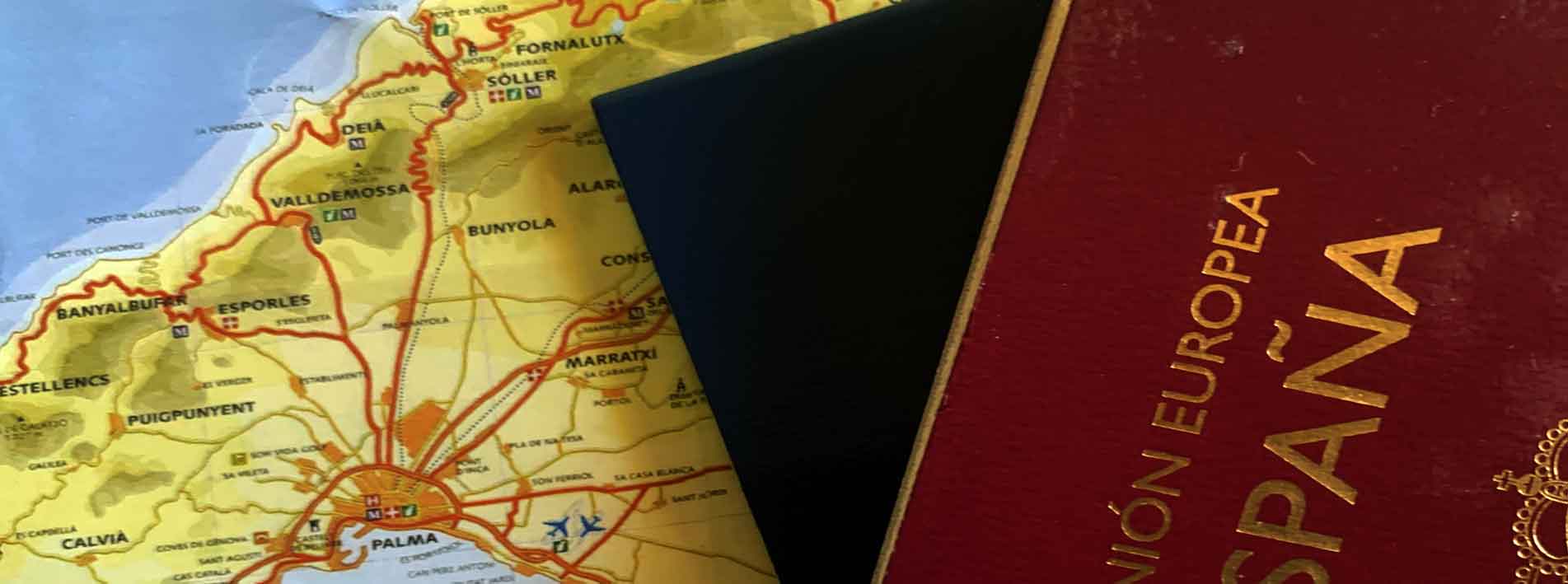
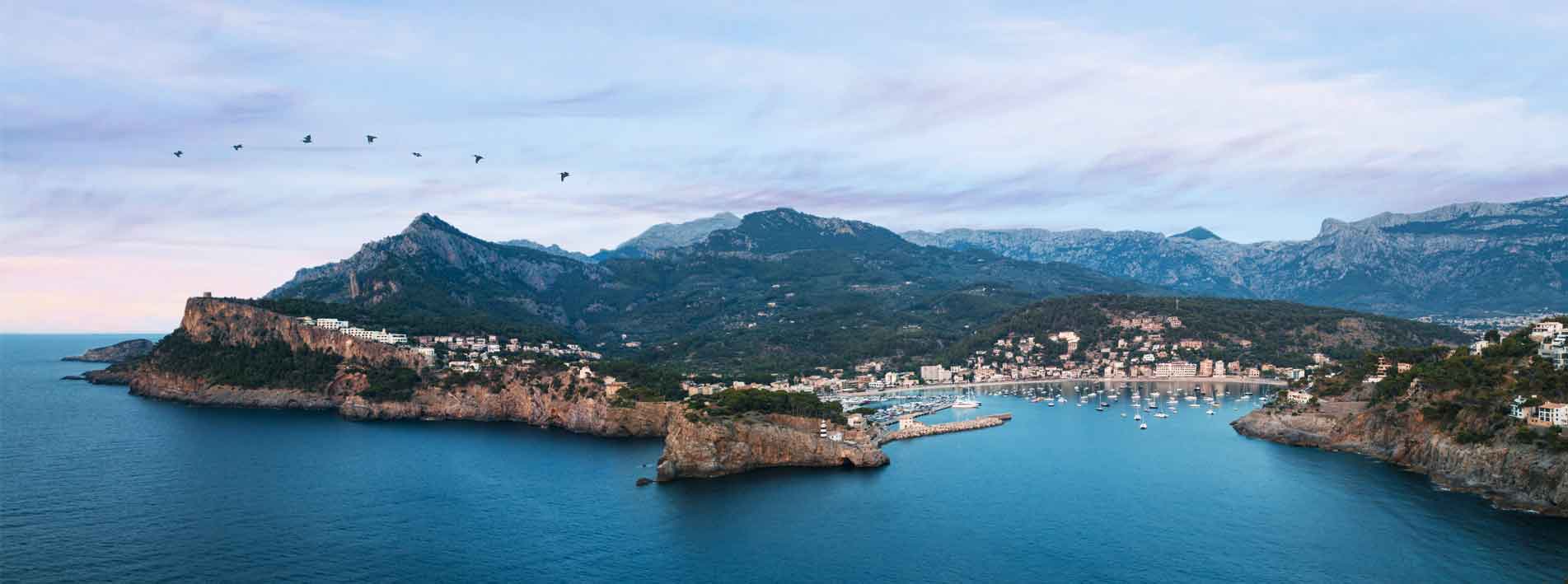
Alcúdia is located on the north coast of Mallorca, in the Balearic Islands, Spain, about 60 kilometers from Palma, the island’s capital. It lies between the bays of Alcúdia and Pollença, offering a diverse landscape with beaches, coves, cliffs, and mountains. Its strategic location has played an important role throughout its rich history.
 Toponymy
The name Alcúdia, in Mallorca, derives from the Arabic word “al-kúdya,” which means “hill, hillock, or hill.” Originally, Alcúdia was a Muslim farmstead, and its name refers to the elevated location of this important municipality of Mallorca.
How to get to Alcudia?
To get to Alcudia, you can travel by car or taxi from the airport or Palma, with a journey time of approximately 45 minutes, or by public transport (bus) from different points on the island.
 Access by car or taxi
From Palma Airport: Take a taxi directly from the taxi rank outside the terminal. The journey takes around 45 minutes, depending on traffic.
From Palma city center: You can take a taxi directly to your destination in Alcudia. Taxis are easy to find on the streets or at designated taxi ranks.
By car from Palma: The most direct route is to take the road connecting Palma with Alcúdia: Take the Plaza de España exit that connects to the Ma-13 (Palma to Alcúdia highway). The route is fairly direct and uncomplicated. The journey is about 60 km and takes approximately 50-60 minutes, depending on traffic. There are no tolls on this route.
If you are coming from the airport: Take the MA-19 and merge onto the MA-13 from the city and continue on this main highway heading north/northeast. As mentioned, the route to Alcudia is well signposted. After 60 kilometers, look for and take the exit for Alcudia, following the signs to the town center.
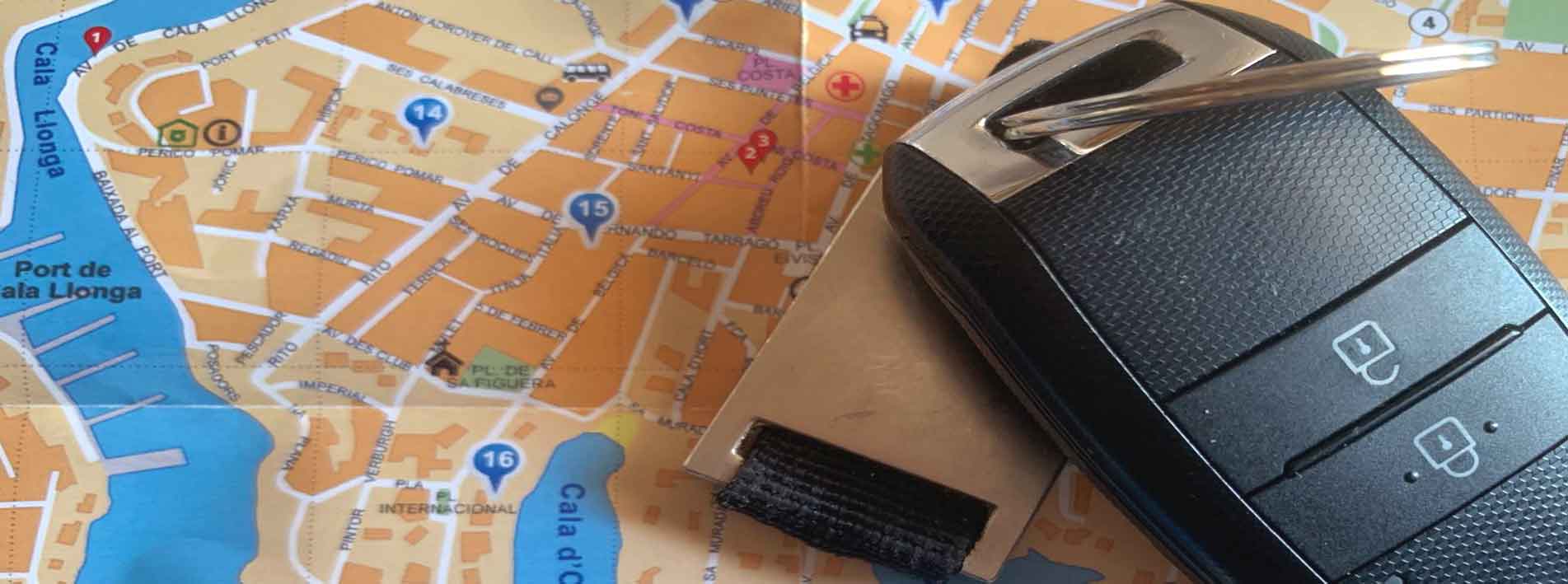
Parking: In Alcudia, especially in the old town, it can be difficult to find parking, so it is advisable to look for information on parking zones before arriving.
By taxi from Palma: You can take a taxi from the airport or from any taxi rank in Palma. The journey costs approximately €70-100 and takes about 45 minutes.
Parking in Alcúdia without losing your mind
The old town of Alcúdia is pedestrianized and the streets are narrow, so the car is unnecessary inside. The strategy is to park outside and walk in.
Park-and-ride areas: There are several designated areas around the city walls and at the entrances to the town. In high season they fill up early (before 10:00-10:30), so it is worth arriving early.
Paid car parks: There are private and municipal car parks near the center. They are the most convenient option if you are short on time or have luggage.
Port and beach: In Port d’Alcúdia and the beach area there is regulated parking (ORA) and paid zones. In summer, they also fill up.
Alternative: If you are staying in the old town, ask your accommodation about the recommended parking area; many have agreements with nearby car parks.
 Getting there by bus
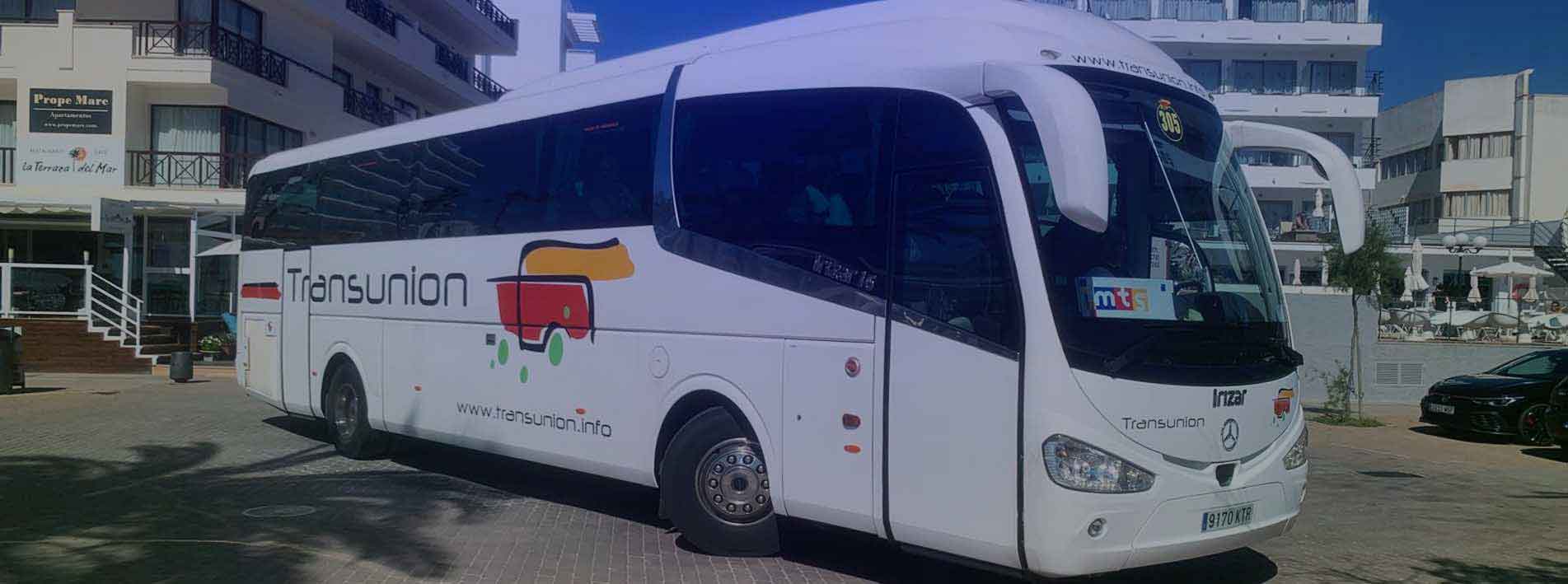
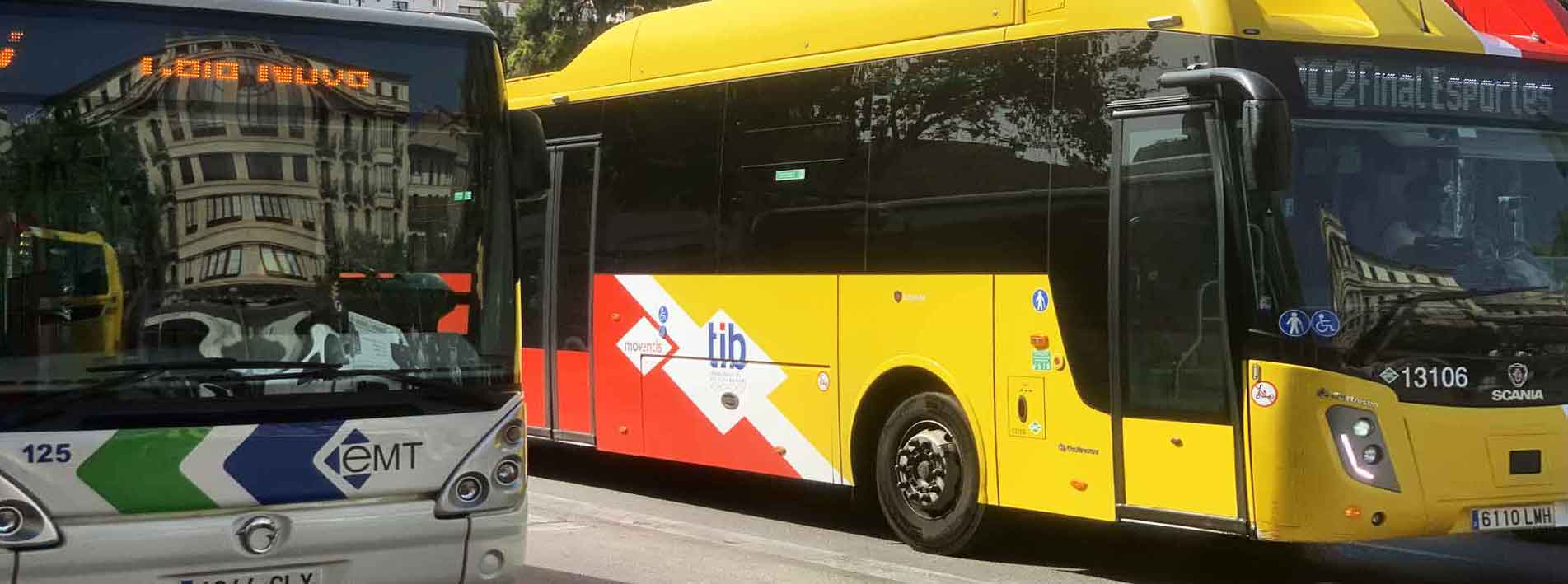
From Palma airport: Take the A32 line (May to October only) which goes directly to Can Picafort and stops in Alcudia. If you are traveling at other times of the year, you will need to take the A1 line to Palma and change to the 302 line at the intermodal station.
From Palma: The 302 line connects Palma’s intermodal station with Alcudia. Check specific timetables and destinations, as there are other routes that go to Alcudia.
Other routes: The TIB company offers other lines, such as the 322 to Port d’Alcúdia or the 334 to Formentor, among others.
Within Alcudia: To get between the center and the port there are bus lines connecting these areas (line 302 connects the center of Palma with the Port of Alcudia). To go to the market (Tuesdays and Sundays) there are bus stops nearby, such as Pla del Pinar 1. There are other local lines that run through different areas of Alcudia, such as lines 322, 323, 324, 325, 327, 334, and 231, which connect different neighborhoods and points of interest.
 How to pay
Pay on board: You can pay with cash (maximum €10) or by credit card. We recommend paying by credit card, as it is cheaper than paying in cash.
TIB card: If you live in Mallorca, it is a good idea to get a TIB card to get discounts on transport.
Buy online: You can buy tickets online and use the QR code to board the bus.
 Historical summary
Alcúdia is a city of Mallorca with a rich history dating back to Roman times, when it was the city of Pollentia. After the Catalan conquest, the current town was founded in the 13th century around an old Arab farmstead called Alqudya. The city grew and was fortified with walls, and has undergone various transformations over the centuries, including the construction of Renaissance buildings and the development of its port.
Alcúdia in one day (or two): old town, beach and port
Alcúdia has three parts you should understand before planning your visit: the walled old town (pedestrianized, with the city walls, Pollentia and the church of Sant Jaume), the beach (the long stretch of sand shared with Muro, with all services) and the Port d’Alcúdia (the marina and tourist port, with a promenade, restaurants and ferries to Menorca). They are not next to each other: the old town and the port are about 3 km apart, and the beach stretches between them. So it is worth deciding what to combine.
Alcúdia in one day: Morning in the old town (city walls, church of Sant Jaume, a stroll through the pedestrian streets and, if you are interested, the Pollentia site). Lunch in the square or on a terrace in the center. Afternoon at the beach or in Port d’Alcúdia, walking along the promenade. If it is Tuesday or Sunday, adjust your morning to stop by the market.
Alcúdia in two days: Day 1 old town + beach. Day 2 Pollentia + Port d’Alcúdia + a short getaway (Pollença, Formentor or s’Albufera). If you are travelling as a family, the second day can be beach and water activities.
Tip: The old town can be seen on foot in 2-3 hours. The car is unnecessary inside; park outside and move around on foot or by bus between the center, beach and port.
More info: Origins, foundation, and historical evolution of Alcudia
During Roman times, Alcúdia was originally the Roman city of Pollentia, an important settlement of the imperium on the island of Mallorca. After the Muslim conquest, a farmstead called Alqudya (meaning “on the hill”) developed near the ancient Pollentia. In the 13th century, after the Catalan conquest, the village of Alcúdia was founded, taking its name from the old farmstead.
The construction of the walls of Alcúdia began in the 13th century, under the reign of James II of Aragon, to protect the city. A square, a church, and a cemetery were built, and the city developed from that nucleus. The historic center of Alcúdia retains narrow streets and historic buildings, including Renaissance mansions and the church of Sant Jaume.
During the 16th century, Alcúdia suffered pirate attacks, which led to a decline in population. The construction of the port of Alcúdia in the 18th century boosted the economy and prevented the city from being abandoned.
From the 20th century onwards, Alcúdia became a tourist destination, especially with the development of Port d’Alcúdia as a tourist resort.
 Economy
Alcudia’s economy depends largely on tourism, as it is one of the main tourist centers in northern Mallorca. Tourism is concentrated in the historic center, Port d’Alcúdia, where the marina is located, and in the beach areas.
Hospitality and Tourism in Alcúdia
Alcúdia is a tourist destination with a rich history and a wide range of activities to enjoy. It combines a walled old town with a marina and extensive beaches. Its hospitality industry is diverse, with everything from important hotels to more affordable options, and a wide variety of restaurants and shops.
 Accommodation in Alcudia
Alcudia offers a wide variety of accommodation options, including luxury hotels, apartments, villas, and more economical hotels to suit different budgets and needs. So we have:
In the Port of Alcudia: as it’s the most touristy area, you’ll find hotels, vacation apartments, and resorts to suit all tastes.
In the historic center of Alcudia: you will find small charming hotels and tourist apartments where you can enjoy the history and culture of one of the most beautiful towns in Mallorca.
 What to see and do in Alcudia? Relevant information
Alcúdia was the first capital of Mallorca, although it later lost that distinction. Originally, Alcúdia was the Roman city of Pollentia, with important archaeological remains such as the amphitheater and the port city. Alcudia is surrounded by an impressive medieval wall, built in the 14th century, with 26 watchtowers and three original access gates. The old town of Alcúdia is pedestrianized and full of charm, with squares, cobbled streets, and historic buildings.
 What to see and do in Alcudia? History and Heritage
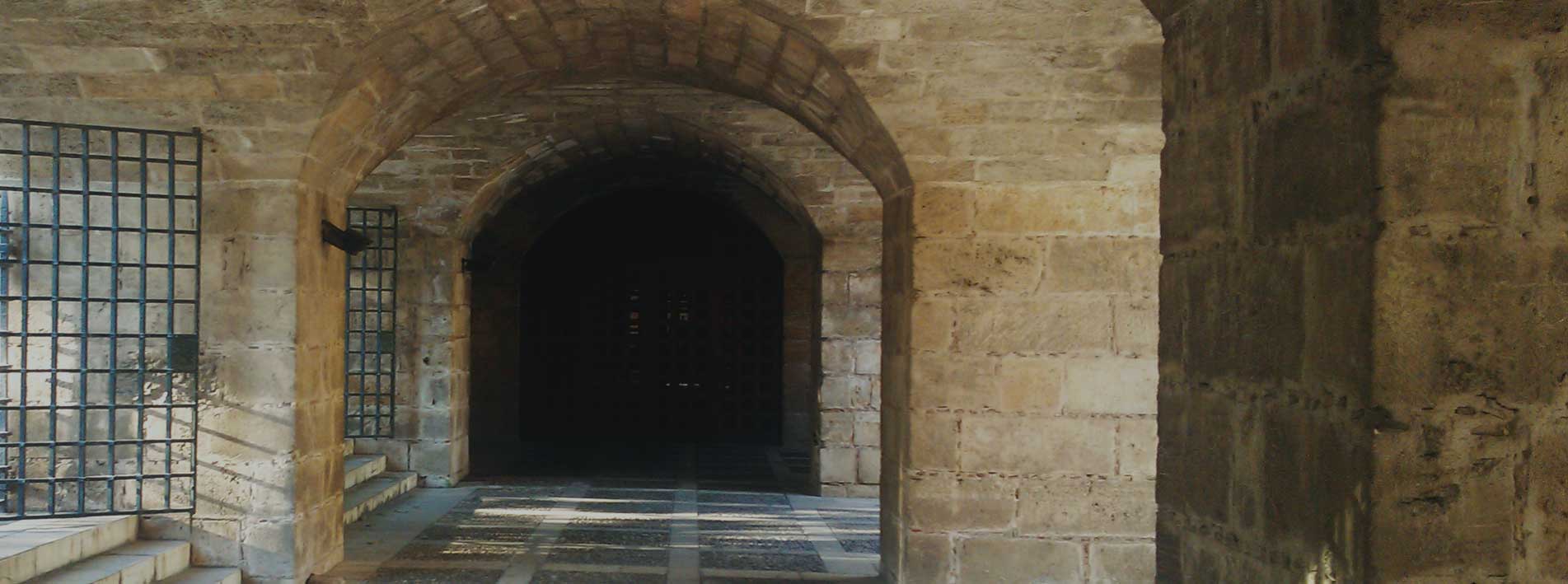
Medieval walls: These surround the old town and bear witness to its past. Built in 1362, they are the most outstanding example of the city’s heritage and were declared a Historic-Artistic Site in 1974. Part of them can be explored on foot, offering panoramic views.
Roman city of Pollentia: Important archaeological site with remains of a theater, forum, and residential areas. These are the remains of the ancient Roman capital of Mallorca, where the cities of Palma and Pollentia were founded in 123 BC. It is a key archaeological site in the region.
Interpretation Center and Monographic Museum: Located at the site itself, they house the most important pieces found, including the world-famous Lady of Elche, discovered accidentally in 1897.
Intangible Heritage: The site also has great academic and research value, with research and dissemination projects on historical and archaeological heritage carried out by the University of Alicante.
Historic Center: Narrow, cobbled streets with stately homes and period architecture.
Church of Sant Jaume: An emblematic religious building in the city. It is an important religious building, considered a landmark in the old town.
Other historic buildings: Such as the Can Torró Library, the Town Hall (la Sala), the Casa Consistorial, and various Renaissance-style stately homes.
 What to see and do in Alcudia? Beaches and coves
Alcudia Beach: One of the longest beaches on the island, popular with families, with fine sand, shallow waters, and a wide range of services, including water sports such as paddle surfing, jet skiing, and parasailing.
Other beaches and coves: The coastline includes the extensive Playa de Muro beach, several quiet and picturesque coves such as San Pere, San Joan, Cala Alcanada, and Cala Colbikes.
Promenade: The Port d’Alcúdia promenade is lined with restaurants, cafés, shops, and services, as well as being the starting point for numerous leisure activities.
Beaches and coves: which one to choose based on what you’re looking for
Not all beaches in Alcúdia are the same. This is the quick guide based on your profile:
If you’re travelling with family: Alcudia Beach and Playa de Muro are the best options. Fine sand, shallow waters, lifeguards and all services (showers, sunbeds, beach bars). The Muro area is quieter than the Alcúdia area.
If you’re looking for tranquility: Cala Alcanada, Cala San Pere and Cala San Joan are smaller and less crowded. Alcanada has a lighthouse and a small yacht club; San Pere and San Joan are rocky coves with crystal-clear water, ideal for snorkeling.
If you want nature: The s’Albufera area (just behind Playa de Muro) is a natural park with dunes and birds. It is not an urban beach, but it is perfect for combining a walk and birdwatching.
If you’re looking for atmosphere: Port d’Alcúdia has urban beaches next to the promenade, with restaurants and water activities on the doorstep.
 What to see and do in Alcudia? Nature and Landscapes
Port of Alcúdia: Tourist center with restaurants, shops, and water sports.
S’Albufera Natural Park: Important protected natural area, ideal for bird watching.
Llevant Natural Park: Located in the north of Mallorca, it is ideal for activities such as snorkeling, exploring coves and sea caves from Alcudia by boat.
Sierra de Tramuntana: Near Alcúdia, it offers hiking trails and mountainous landscapes.
Culture and Activities in Alcudia
Traditional markets: Tuesdays and Sundays in the main square, with local products and crafts.
Museums: Various cultural options, such as the Sa Bassa Blanca Museum and Hidropark, the water park with attractions for all ages.
Gastronomy: Numerous restaurants serving local and international cuisine (see the “Gastronomy in Alcúdia” section below).
Water activities: Diving, sailing, windsurfing, and other options in the port and along the coast.
Sports: Alcúdia is an ideal place for hiking, cycling, and water sports.
Tourist importance: Alcudia is a popular tourist destination, with a wide range of hotels, restaurants, and leisure activities.
The Tuesday and Sunday market
The Alcúdia market is one of the largest and most authentic in Mallorca. It is held every Tuesday and Sunday, mainly in the morning (from 8:00 to 13:30 approximately), on the Passeig de la Mare de Déu de la Victòria and the adjacent streets of the old town. Sunday is the busiest day.
What you will find: Local products (fruit, vegetables, sausages, cheese), crafts, clothing, accessories and souvenirs. It is a good place to buy sobrasada, ensaimadas or olive oil to take home.
Tip: Arrive early (before 10:00) to avoid crowds and find parking. If you come by bus, there are stops nearby (Pla del Pinar 1).
 Gastronomy in Alcúdia
Alcúdia’s cuisine is rich and varied, with traditional Mallorcan dishes. Alcúdia also has a wide range of restaurants offering everything from the best of Mediterranean cuisine to more modern and international options. Local markets, such as those held on Tuesdays and Sundays, are ideal for discovering fresh, local produce.
 Typical dishes from Alcúdia and Mallorca
Sobrasada and Butifarrón: Mallorcan sausages, with sobrasada considered the “Umami” of the island.
Pamboli: A simple Mallorcan dish made with country bread, ramellet tomatoes, extra virgin olive oil, and salt.
Panades: Mallorcan pies made from unleavened dough, traditionally filled with meat (lamb or pork) or fish. They are a typical dish of Balearic cuisine.
Tumbet: A vegetarian dish that highlights the island’s agricultural wealth.
Frito Mallorquín: Meat (pork or lamb), liver, potatoes, peppers, onions, and peas fried with spices.
Caldereta de Langosta: An emblematic dish of the fishing tradition of northern Mallorca.
Peix al Forn: Fresh baked fish, an essential ingredient in Mallorcan cuisine.
Ensaimada: Traditional Mallorcan dessert.
Gató de Almendra: Almond, sugar, and egg cake.
Red prawns: A local delicacy that can be enjoyed in various dishes.
Snails: A traditional dish that can be found in several restaurants in the area.
Dentón a la Mallorquina (Cap-roig): A highly prized local fish.
Alberginies Farcides: Stuffed eggplant.
Frit de Matances: A traditional meat stew.
Sopes d’Estiu: Light and refreshing summer soups.
 Day trips from Alcúdia: what’s within 30 minutes
Alcúdia is an excellent base for exploring the north of the island. These are the most practical getaways:
Pollença (15 min by car): The artists’ village, with its main square, the Calvario (365 steps) and an old town full of history. It can be combined with Port de Pollença, 10 minutes further on.
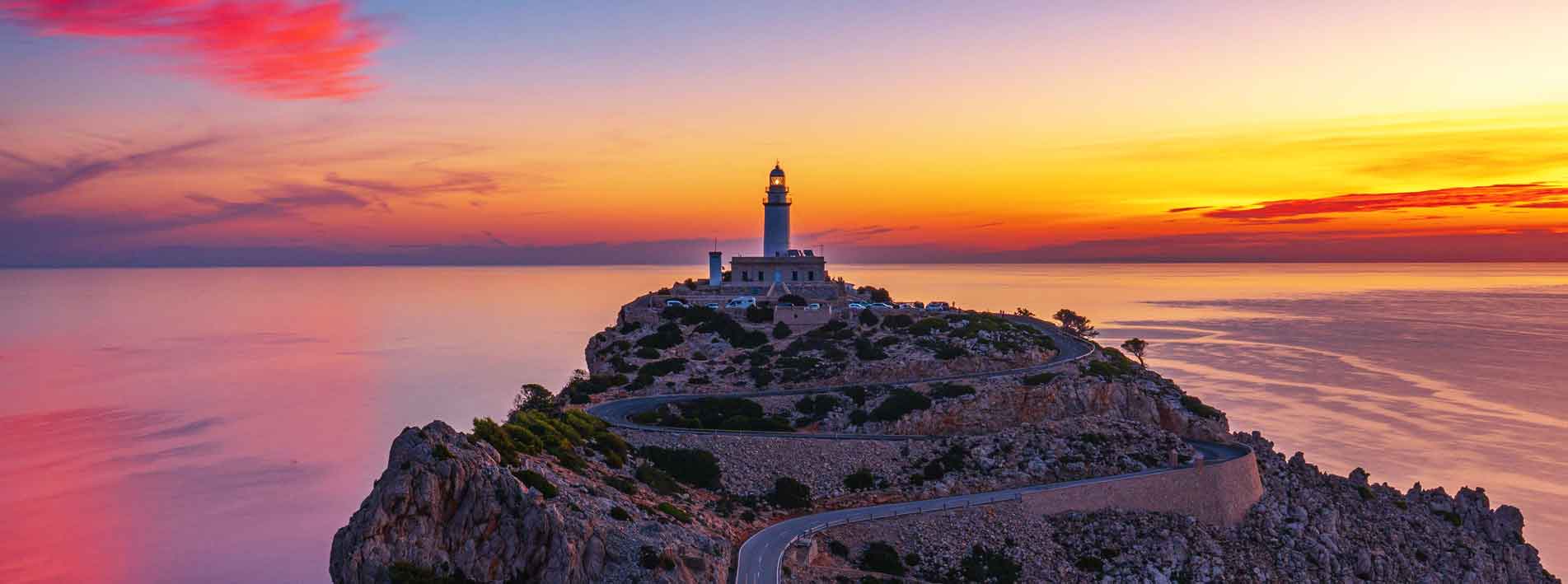
Cap de Formentor (30-40 min by car): The lighthouse and the Colomer viewpoint, with some of the most iconic views in Mallorca. In summer, car access is restricted; it is best to use the bus from Port de Pollença.
s’Albufera (10 min by car): The natural park, ideal for birdwatching and quiet walks. It has interpretation centers and signposted routes.
Port de Pollença (20 min): Promenade, beach and a quieter atmosphere than Port d’Alcúdia. A good place to eat fresh fish.
Menorca by ferry (from Port d’Alcúdia): If you have an extra day, the fast ferry to Ciutadella takes around 1 hour. It is a full-day excursion.
 Frequently asked questions and practical information
How much does a taxi from the airport to Alcúdia cost? Between €70 and €100 approximately, depending on the pick-up point and time. The A32 bus (May-October) is much cheaper.
Does the A32 bus run all year round? No, only from May to October. Outside that season, you need to take the A1 to Palma and change to line 302.
Can you drink tap water? Yes, the water is drinkable, although many people prefer bottled water for the taste.
Is the market every Tuesday and Sunday? Yes, in the morning (8:00-13:30 approximately), on the Passeig de la Mare de Déu de la Victòria and adjacent streets. Sunday is the busiest day.
Is there a ferry to Menorca from Alcúdia? Yes, ferries to Ciutadella (Menorca) leave from Port d’Alcúdia. The fast crossing takes around 1 hour.
Is it accessible for people with reduced mobility? The old town has cobbled streets and some slopes, but most of the main sights are accessible. The beach and the port promenade are flatter.
Tipping: Not mandatory, but it is appreciated to leave 5-10% in restaurants if the service has been good.
And that’s it for this brief guide to Alcudia, in Mallorca. We hope it helps.
By the way: Are you coming to Mallorca on a tourist trip? If you find it helpful, you can also check out our travel guide to Mallorca and more tourist information about the island