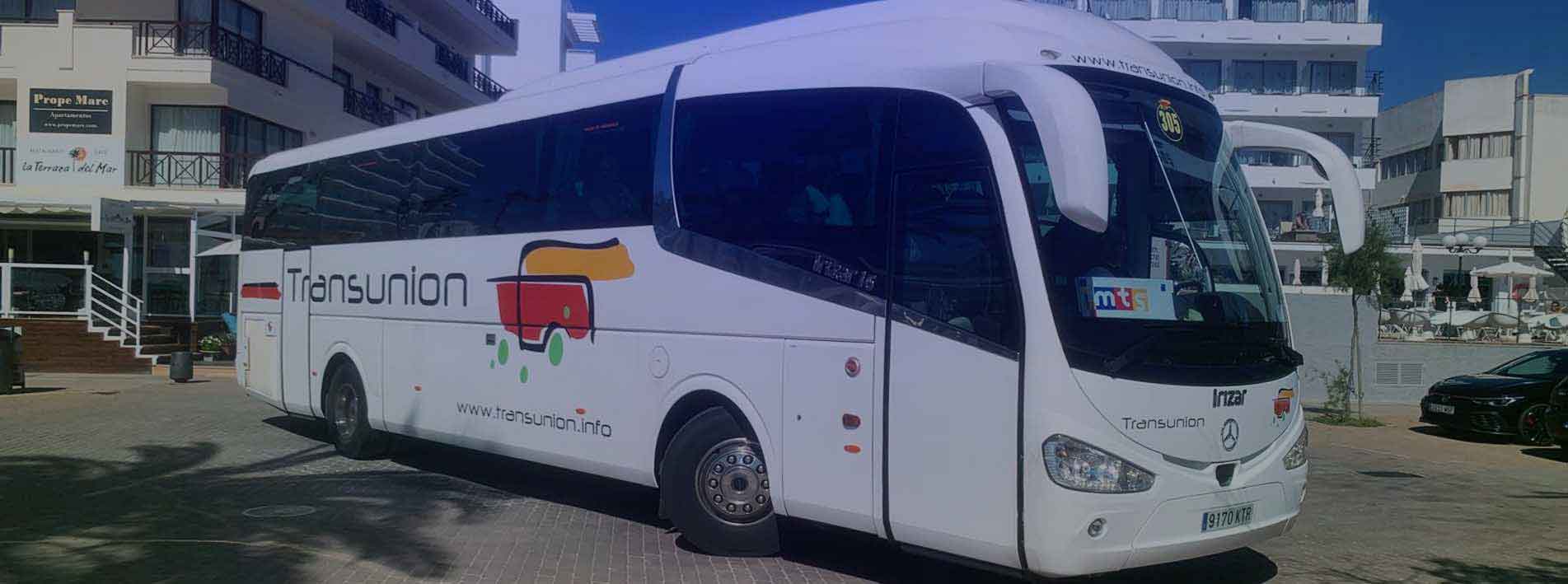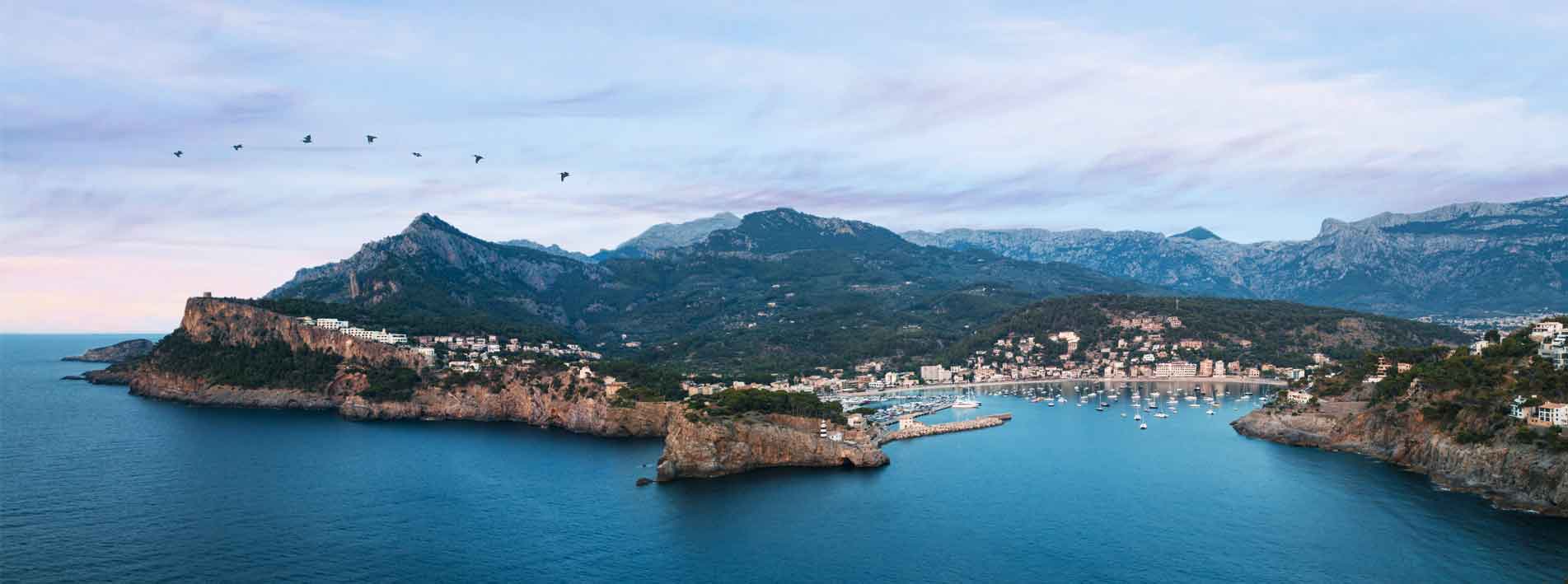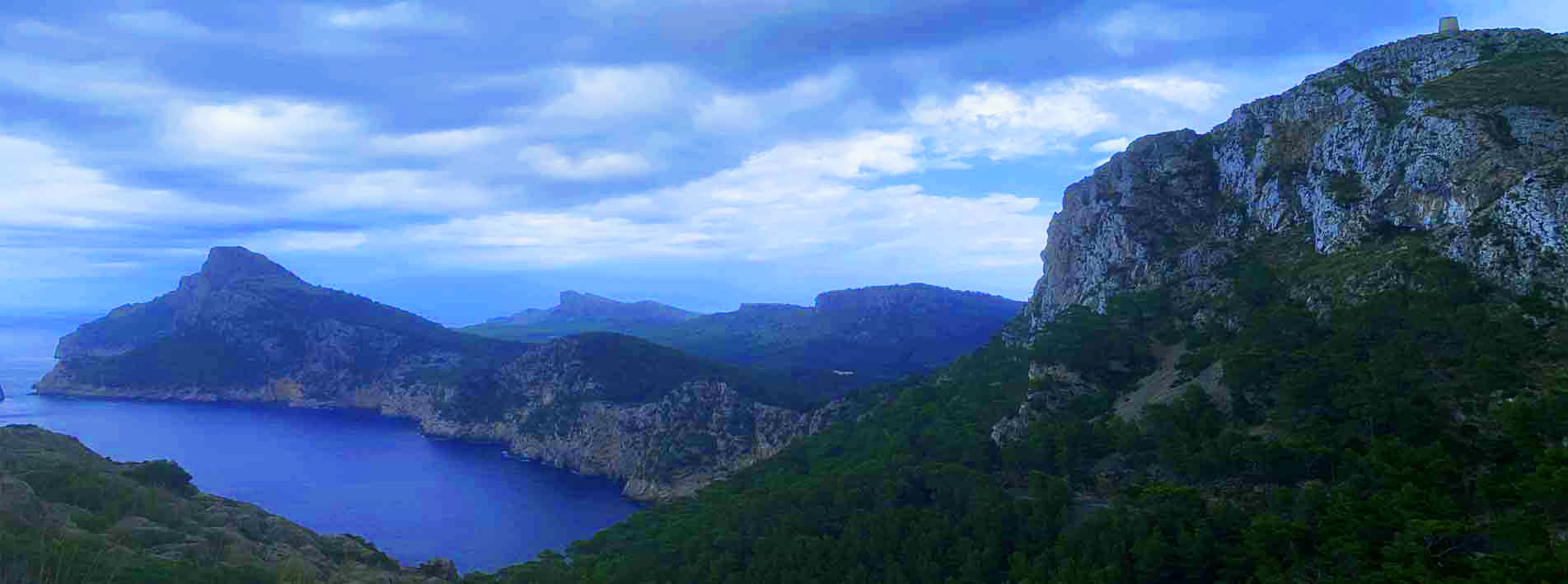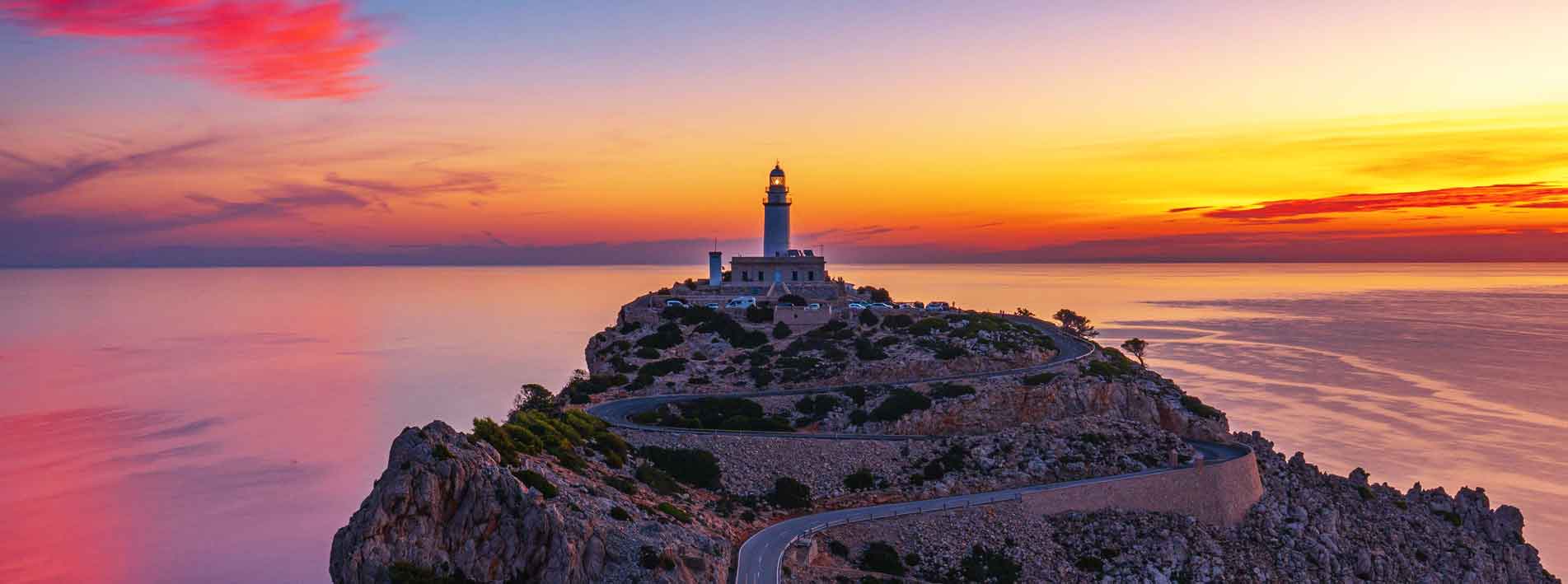

Valldemossa is a municipality and village in Mallorca, located in the Sierra de Tramuntana mountain range. It is known for its natural beauty, medieval charm, rich history, and notable influence on the island’s culture. It is about a 20-minute drive from Palma, the island’s capital, and is easily accessible by road, either by car or public transport (Buses)
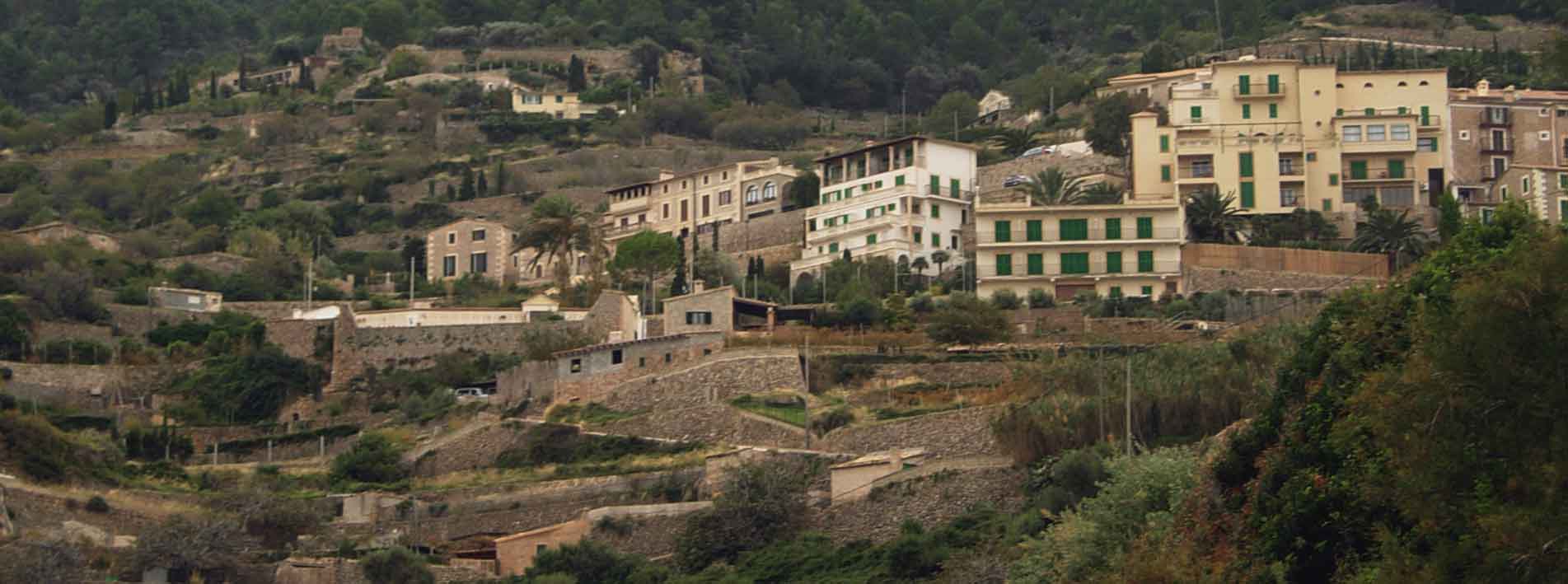
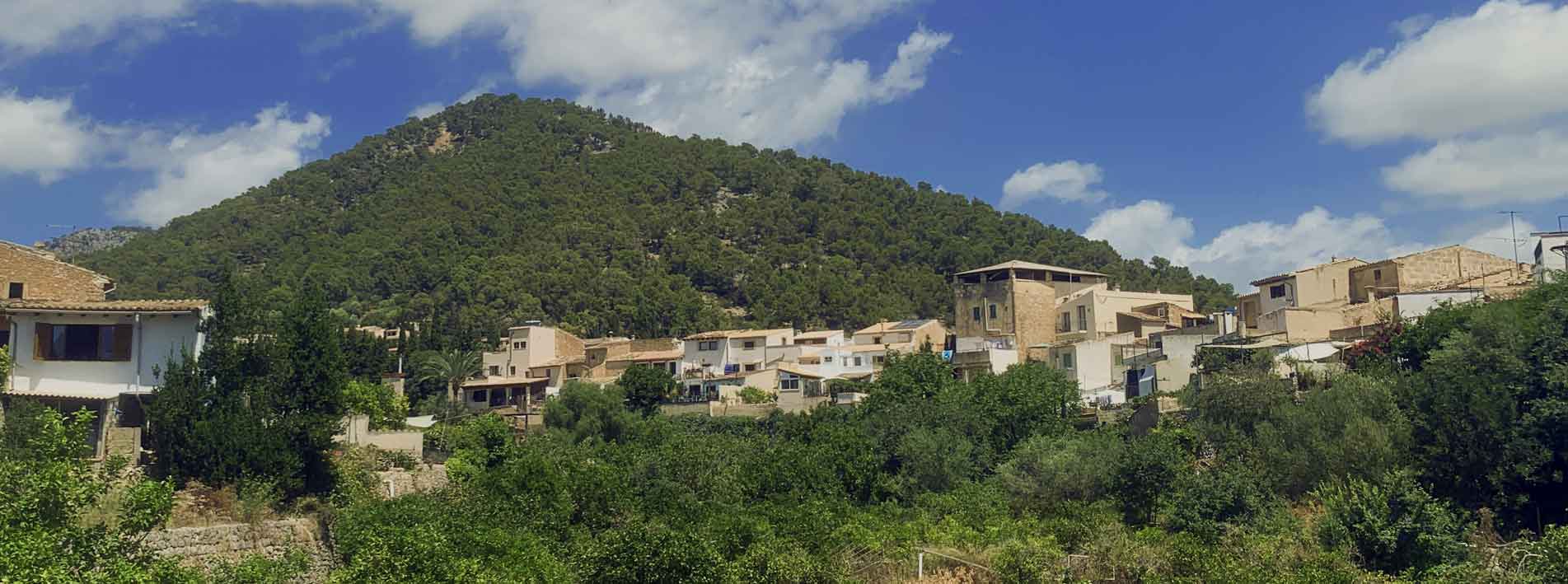
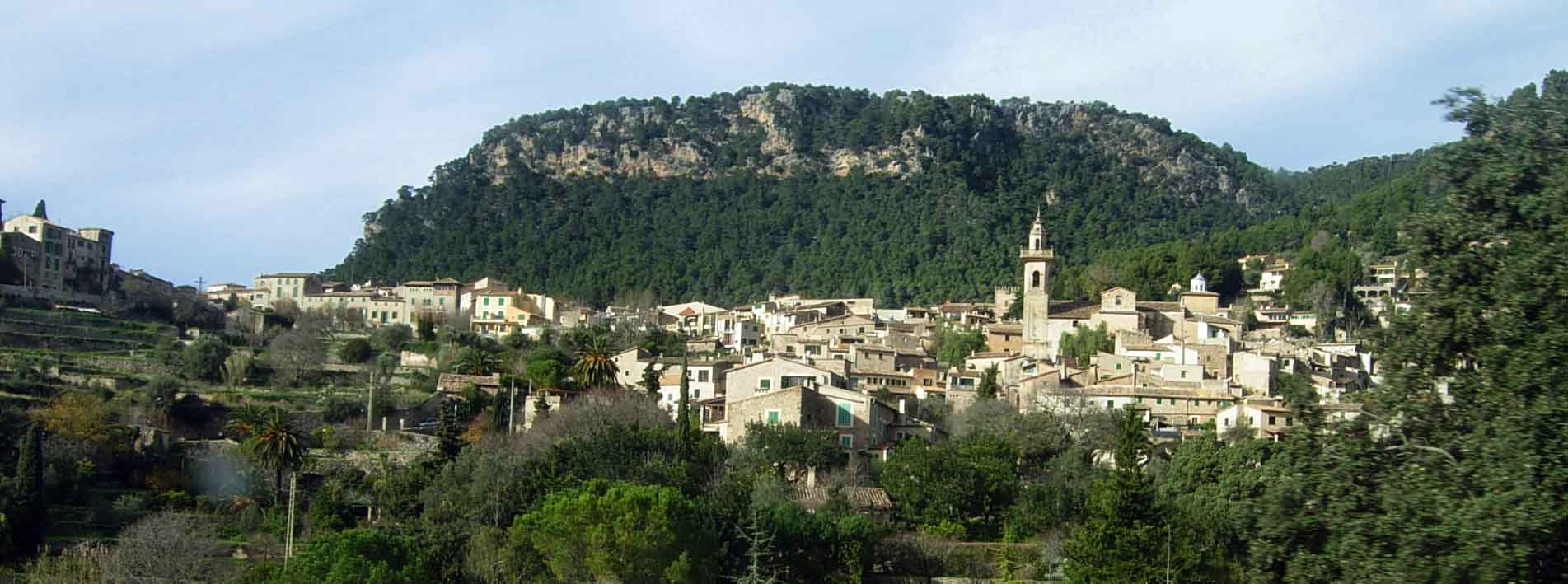
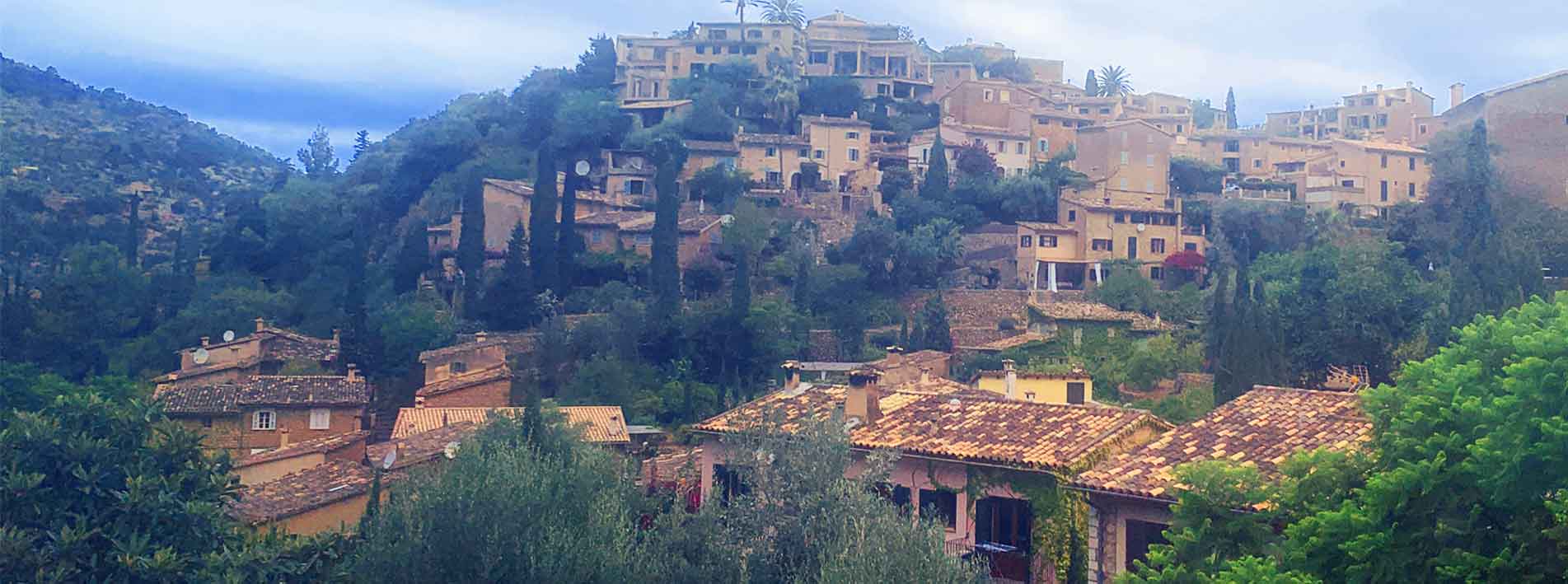
Valldemossa, belonging to the Serra de Tramuntana comarque, is a town with just over 2,000 inhabitants. It is known for its traditional architecture, cobbled streets, and natural surroundings. Its urban layout is characterized by stone houses, many with balconies adorned with flowers, and it extends over terraced land, creating a unique mountainous landscape. Within the village, the steep, cobbled streets can be challenging for people with reduced mobility, so it is advisable to bear this in mind.
Toponymy
The name “Valldemossa” is of Arabic origin and derives from the expression “Wadi Musa”, which means “Valley of Musa”. It is believed that the name derives from an Arab nobleman named Mussa or Muça who founded a farmstead (small rural community) in the valley. In short, the toponymy of Valldemossa takes us back to its Arabic roots and to the nobleman who founded the farmstead in this beautiful valley. Over time, the name has survived to the present day as a reflection of the rich history and charm of this Mallorcan locality.
 Location of Valldemossa
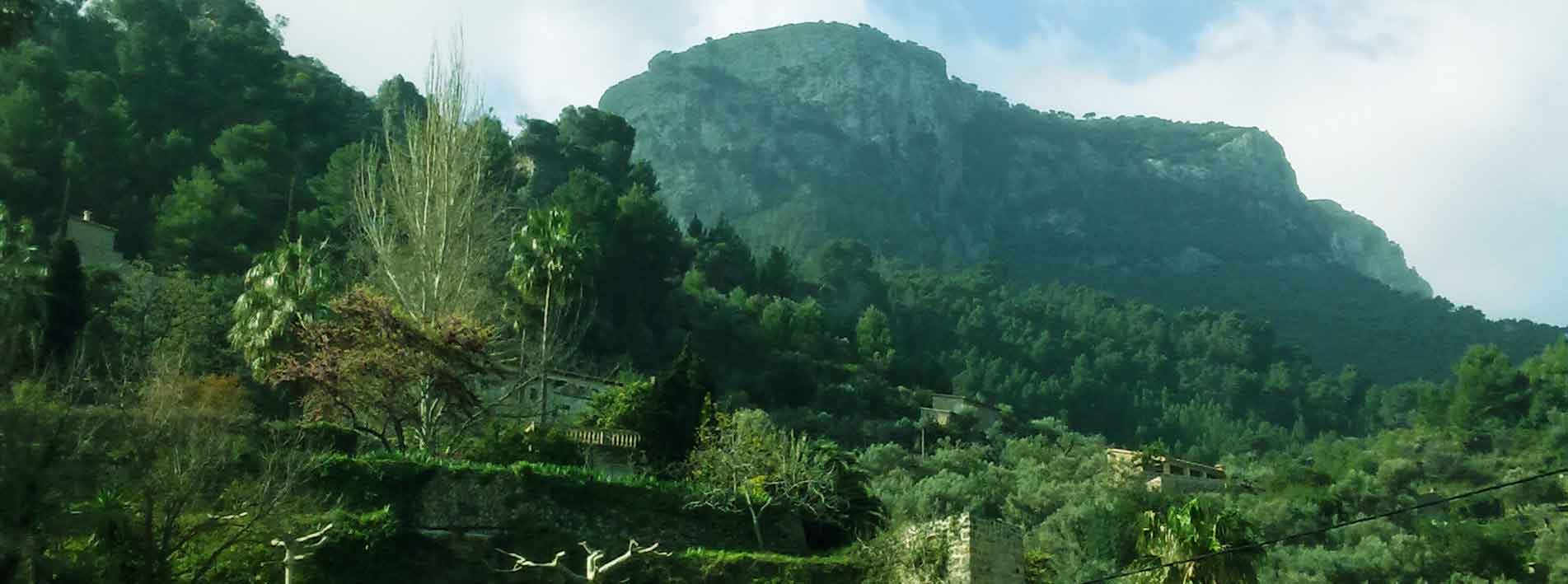
Valldemossa is located in the western region of the island of Mallorca, in the Serra de Tramuntana district (west coast), 436 meters above sea level. It is surrounded by mountains and offers breathtaking panoramic views. It is a short distance from other towns of interest such as Deià, Esporles, and Bunyola.
Valldemossa in half a day or a full day
Valldemossa is a small village, but it has enough content for anything from a few hours to a full day, depending on whether you combine it with the Cartuja, with hiking, or with other villages in the Tramuntana.
Half a day (3-4 hours): Visit the Royal Cartuja (includes church, cloister, pharmacy and Chopin’s cells), stroll through the old town streets (Carrer Blanquerna, church square of Sant Bartomeu), stop to try a coca de patata and, if time permits, climb to the Miranda des Lledoners viewpoint. This is the minimum plan to get a complete idea of the village.
A full day: Add an early morning short hiking route (Camí de s’Arxiduc or the path to Deià), lunch in the village and in the afternoon a getaway to Deià or Port de Valldemossa. If you are driving, you can combine it with Son Marroig and Sa Foradada at sunset. Keep in mind that the Cartuja is closed on Sundays and that parking fills up early in high season, so it is best to arrive before 10:00 [citation:1][citation:4].
Climate of Valldemossa
Valldemossa is located in a mountainous valley, which gives it a cool and pleasant climate, especially in summer. During the winter, Valldemossa can experience lower temperatures and more rainfall, creating a peaceful atmosphere conducive to introspection, as experienced by many intellectuals, including the well-known Frédéric Chopin and George Sand.
 Valldemossa, in the Sierra de Tramuntana
Valldemossa is a beautiful town in Mallorca, famous for its natural beauty. Its cobbled streets and traditional stone houses with colorful shutters are surrounded by mountains, in a geographical setting characterized by olive groves and lush forests. Hence, the town offers breathtaking landscapes and beautiful views.
Accessibility of Valldemossa
Valldemossa is easily accessible by road from Palma and other localities on the island. The Ma-1110 road connects Valldemossa directly with Palma in approximately 20 minutes. It can also be accessed via the old C-710 road (now the Ma-10), a main road that crosses the Serra de Tramuntana mountain range from end to end, connecting Andratx with Pollença as it passes through several municipalities: Estellencs, Banyalbufar, Deià, Sóller, Fornalutx, Escorca, and Valldemossa.
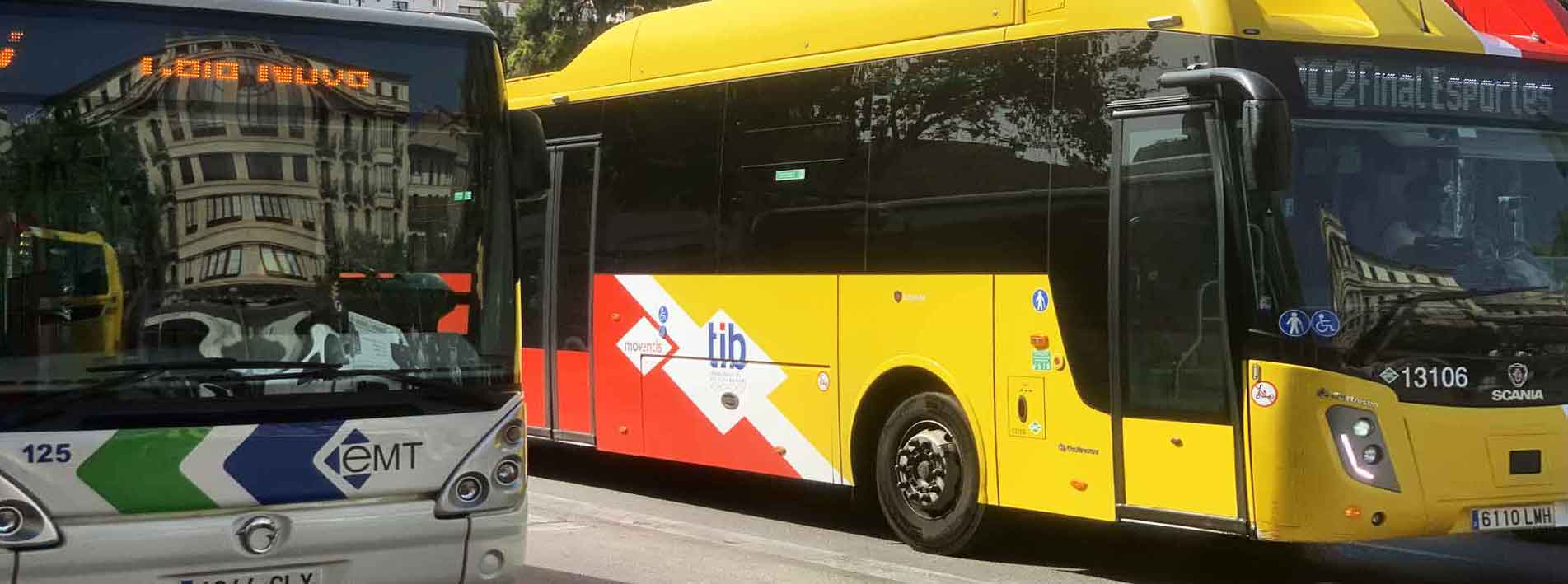
For those who prefer public transportation, there are bus services connecting Valldemossa with Palma and other nearby towns.
For those who wish to travel by taxi: These services are available at the airport, train stations and tourist areas, which can be hired at any time.
How to get to Valldemossa?
Valldemossa, a picturesque village in Mallorca, nestled in the heart of the Serra de Tramuntana mountains, is accessible by car from Palma in approximately 20 minutes via the Ma-1110 road.
 Getting to Valldemossa from Palma by car
To get to Valldemossa from Palma by car, head northwest on the Ma-1110 road (Valldemossa road). The Ma-1110 is the main road, so you shouldn’t have any trouble finding it, as it is a direct and well-signposted route. The road will take you directly to the center of Valldemossa. As you approach the village, the road enters the Tramuntana mountains, offering breathtaking panoramic views. Watch out for cyclists, as this road is very popular with cycle tourists. Pay attention to the signs indicating the entrance to the village, as it is a historic center with narrow streets.
Parking in Valldemossa
Once in Valldemossa, there are several parking lots available, both paid and free, on the outskirts of the village. It is advisable to use the parking lots designated for visitors, as the center is pedestrianized.
The distance between Palma and Valldemossa is approximately 20 kilometers (11.8 miles). The journey time by car is around 20-25 minutes, depending on traffic.
 Getting to Valldemossa by bus
To get to Valldemossa by bus, take the TIB line 203, which takes you directly to the village from the Estació Intermodal (Plaza España) in Palma de Mallorca. The journey takes approximately 30 minutes and usually costs between €3 and €6. The bus leaves every hour and the arrival stop in Valldemossa is located near the town center, providing easy access to the main tourist attractions.
Valldemossa is a small and charming village, so once there, you can explore its streets on foot and enjoy its attractions, such as the Valldemossa Charterhouse and the gardens of King Juan Carlos.
Getting to Valldemossa on organized tours
If you don’t want to worry about transportation, there are organized tours that include transportation from different areas of Mallorca and local guides. Several of these excursions combine a visit to Palma with a trip to Valldemossa.
Getting to Valldemossa by taxi
You can also get to Valldemossa by taxi if you’re looking for a quicker option. A taxi from Palma takes about 20 minutes and costs between €45 and €60.
Getting to Port de Valldemossa
To get to Port de Valldemossa, you can continue your journey on bus line 203. The journey to the port from the center of Valldemossa takes just 4 minutes.
 About the bus journey to Port de Valldemossa
Line: TIB 203.
Stop: “Valldemossa 2.”
Destination: “Ermita de la Trinitat.”
Duration: Approximately 4 minutes.
Cost: Between €2 and €4 (approximate price).
Alternatives: You can walk (about 4 km and 47 minutes) or take a taxi (about 8 minutes).
Additional information
Timetables: Buses run approximately every hour, with the first departure at 7:30 a.m. and the last around 10:00 p.m.
Tickets: You can buy your ticket on board or use the Intermodal Card. Remember that you must validate it when you get on and off the bus. You can also use your contactless bank card to pay for transport on the TIB network, validating it when you enter and exit the vehicle. Journeys are charged the following day in a single payment for the total number of journeys.
IMPORTANT (Check timetables): We recommend checking the official TIB website for updated timetables before traveling, as they may vary depending on the season.
 Origin and historical summary of Valldemossa
The origin of Valldemossa dates back to Roman times, although its heyday came during the Arab domination of Mallorca, when farmsteads were established in the valley. The town later flourished with the arrival of the kings, who built a palace that later, with the conversion of the Valldemossa Charterhouse, became an important cultural and religious center.
Muslim period: Valldemossa originated as a Muslim farmstead called “Valle de Mussa.” It is believed that the origin of Valldemossa lies in an Arab farmstead founded by Mussa, giving its name to the valley.
14th century: King James II of Mallorca ordered the construction of a palace in Valldemossa for his son Sancho, who suffered from asthma and sought relief in the mountain climate. At the end of the 14th century, with the incorporation of the Kingdom of Mallorca into the Kingdom of Aragon, the palace fell into disuse and was ceded by King Martin the Humane (in 1399) to the Carthusian Order, who transformed it into a monastery… but let’s take it step by step.
15th century (Installation of the first printing press): In 1485, 25 years after the invention of Gutenberg’s printing press, the first printing press in Mallorca was installed in Valldemossa.
16th century (Saracen attack): In 1552, a group of Saracens landed on the Mallorcan coast with the intention of plundering the town, but they were repelled by the inhabitants led by Captain Ramon Gual Desmur.
17th century (Urban development): The 17th century marked a period of growth for Valldemossa, with the reconstruction of the Cartoixa which, although founded in the 14th century, underwent significant renovations during this century, acquiring its current appearance. Today, you can see the Baroque and Mannerist elements that were incorporated into the architecture and facades of some of the town’s buildings during this period. In short, the 17th century was a period of development and transformation for Valldemossa, laying the foundations for its subsequent recognition as a renowned cultural and tourist destination.
18th century, A period of splendor: The Cartuja de Valldemossa, which is now a major tourist attraction, was largely built during this century, including the neoclassical church. During this period, the Carthusian monastery established itself as a cultural center and refuge for artists and renowned intellectuals.
19th century: The neoclassical church of La Cartoixa was consecrated in 1812. Valldemossa is also famous for being the place where Frédéric Chopin and George Sand spent the winter of 1838-1839, leaving an indelible mark on the cultural history of the village. During this period, the Carthusian monastery became a cultural and spiritual center, attracting illustrious figures such as Archduke Luis Salvador, who contributed to its international fame.
20th century (International fame): Valldemossa continued to be a place of inspiration for artists and writers, including Josep Coll i Bardolet and the aforementioned Archduke Luis Salvador. Chopin and Sand’s stay catapulted Valldemossa to international fame, making it a popular tourist destination, especially among those interested in music and literature.
Present day: Valldemossa is a popular tourist destination, known for its natural beauty, its cultural and historical heritage…
 Gastronomy in Valldemossa
The atmosphere in Valldemossa is conducive to enjoying gastronomy. Some restaurants offer international dishes, while others offer a menu consisting of Valldemossa’s own dishes, which make use of local products and traditional recipes: Coca de patata is a small delicacy and Valldemossa’s most representative dish. The Mallorcan afternoon snack is another popular gastronomic experience in this beautiful municipality of Mallorca.
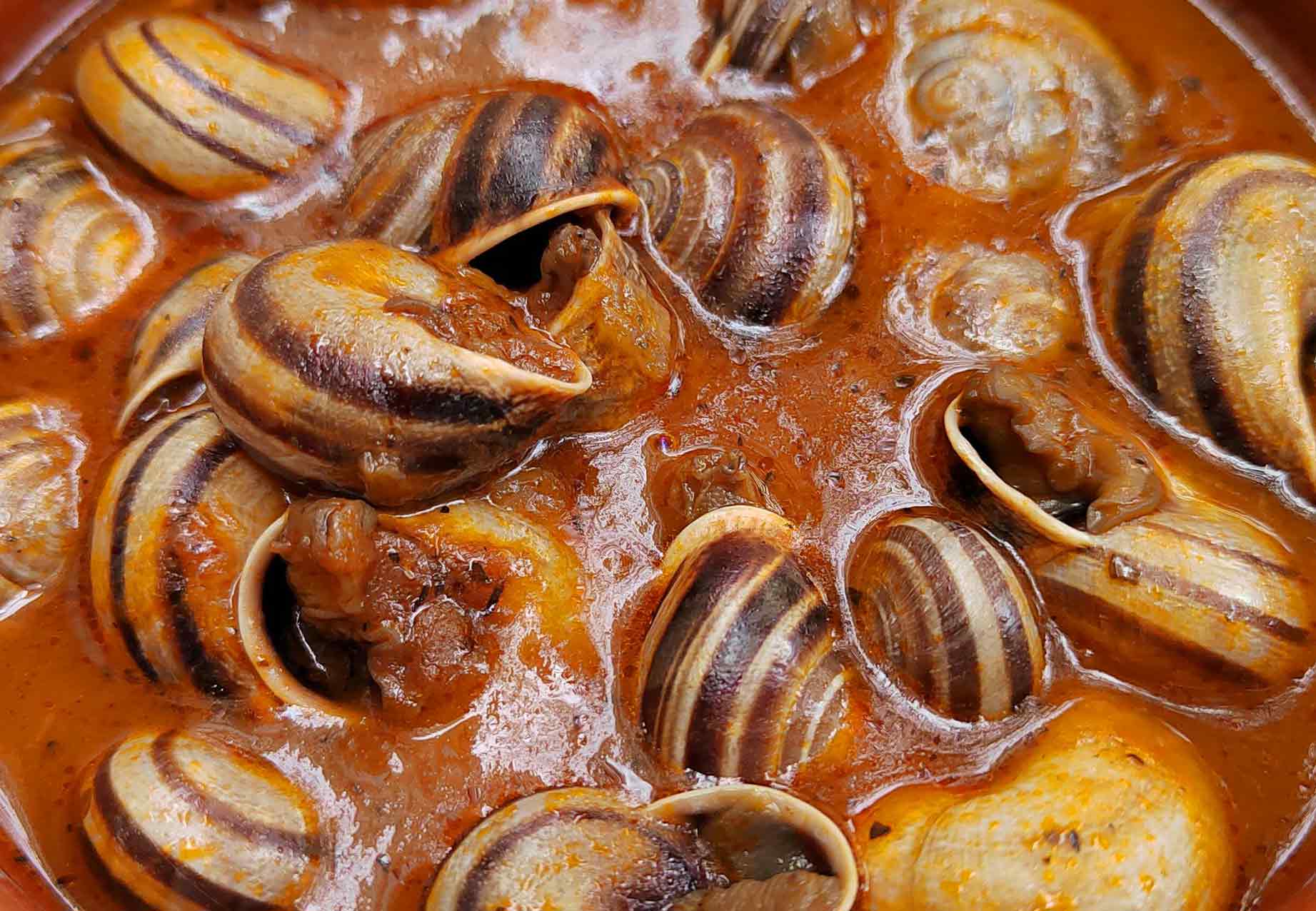
Valldemossa also offers a wide range of typical Mallorcan dishes, such as frito mallorquín (with meat, vegetables, and potatoes), tumbet (a vegetable stew), trampó (a fresh salad with tomato, onion, and pepper), coca de verdura (a kind of pizza with vegetables), snails, and Mallorcan soups (made with broth and bread)… or sobrasada, ensaimada, and the exquisite pa amb oli, among others…
 Hotels and accommodation in Valldemossa
In Valldemossa you can find accommodation in a range of styles and price categories, from boutique hotels to more rustic and family-friendly options, including charming hotels and hostels to suit different tastes and budgets. The village itself has a romantic and peaceful atmosphere, perfect for a relaxing stay.
Valldemossa offers a complete experience that combines the beauty of its geography, the richness of its history, and delicious gastronomy, with accommodation options for all tastes, from boutique hotels to rural houses and holiday apartments. Availability varies depending on the time of year, so it is advisable to book in advance through platforms such as Booking.com, Tripadvisor, or directly with the accommodations, especially during the high season.
Places of interest
Real Cartuja de Valldemossa: A former Carthusian monastery that was once a royal residence. It is famous for the cell occupied by Chopin and Sand and for housing Chopin’s piano, as well as having monastic cells and gardens to visit.
Palacio del Rey Sancho: A palace built in 1309 that forms part of the Carthusian monastery complex.
Jardines del Rey Juan Carlos I: A green space surrounding the Carthusian monastery with views of the mountains and decorated with busts of famous people.
House of Saint Catherine Thomàs: The birthplace of the only Mallorcan saint, now a small votive chapel.
Miranda des Lledoners: A viewpoint with panoramic views of the Serra de Tramuntana mountains and, on clear days, the bay of Palma.
Port of Valldemossa (Sa Marina): A small, quiet cove, ideal for visiting on foot, with a cozy restaurant. The cove of s’Estaca is also located here.
Camí de l’Arxiduc: One of the most famous hiking trails in the Serra de Tramuntana.
Streets of the old town: A stroll through its cobbled streets is essential to feel its medieval charm, with stone houses adorned with flower pots.
 What to do and see in Valldemossa? Places of interest
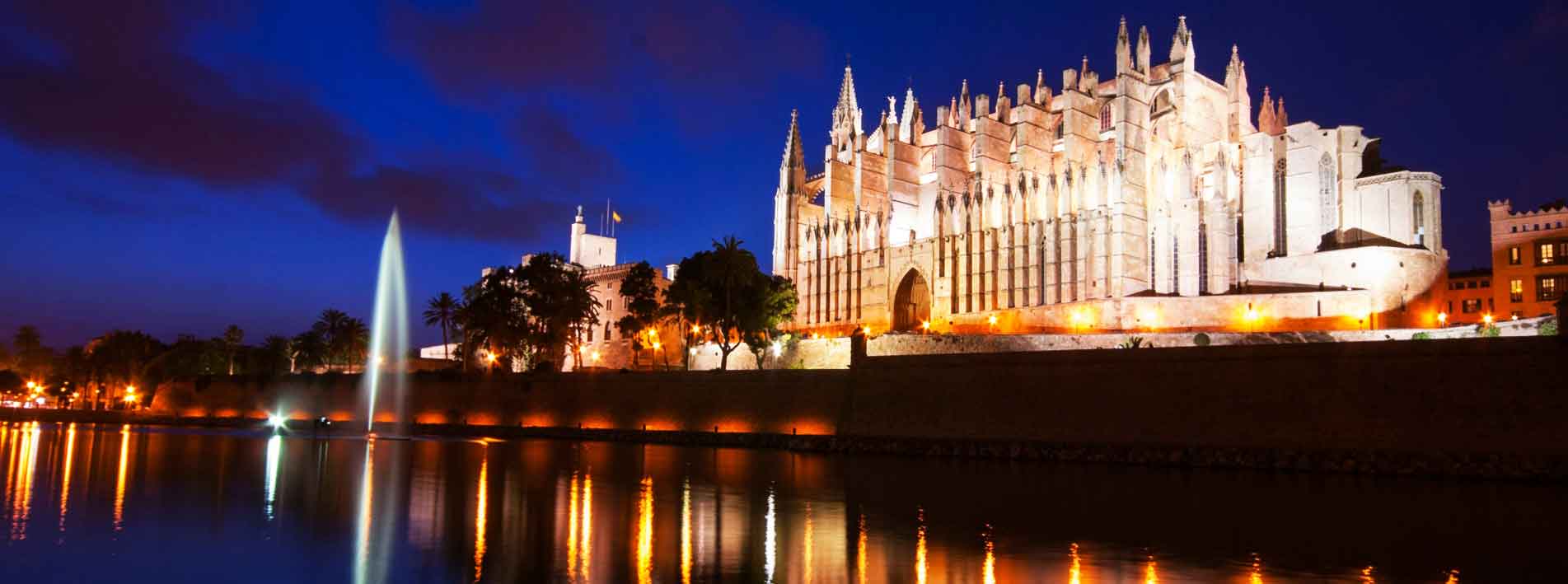
La Cartoixa or Cartuja de Valldemossa is a historic and artistic monument complex that is well worth a visit. Originally a royal palace, it was converted into a Carthusian monastery in the 14th century. In addition to its rich history, the Cartuja houses impressive examples of Gothic and Baroque architecture, including a church, cloisters, and gardens.
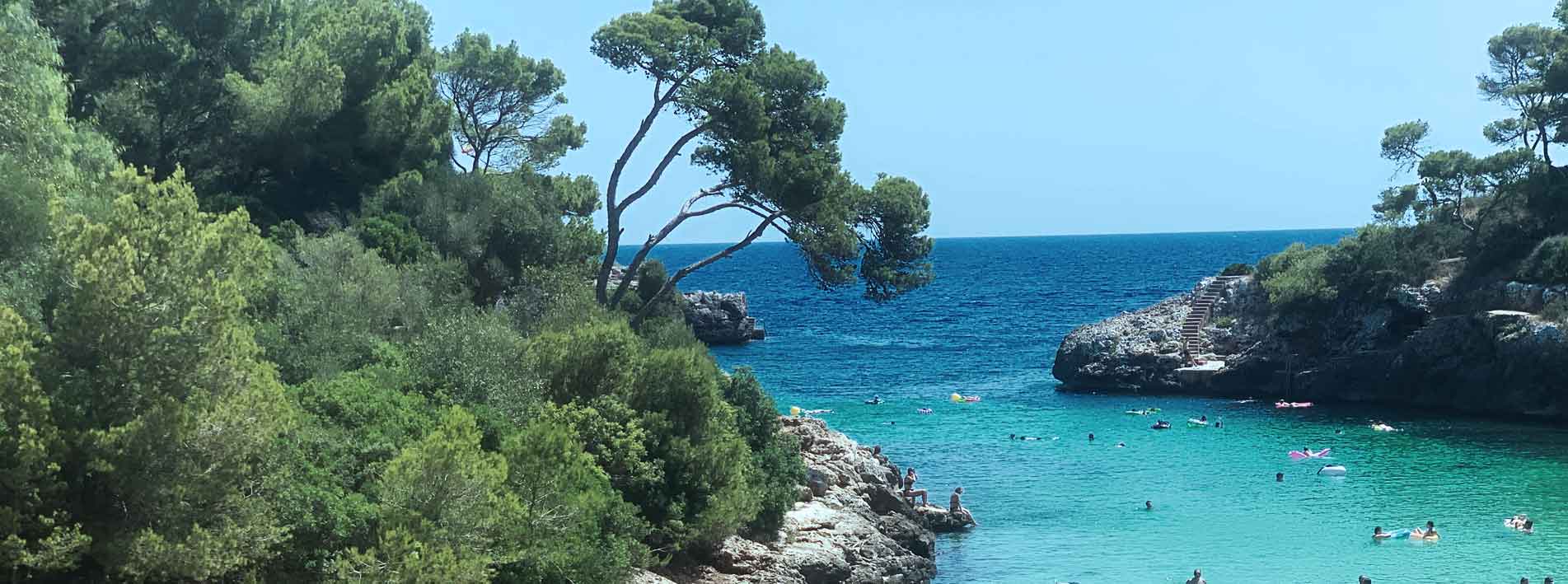
The Port of Valldemossa, also known as Sa Marina, is a small port located on the northwest coast of Valldemossa, about 6 kilometers from the village. It is a picturesque place, ideal for those seeking a quiet and less crowded atmosphere. It is characterized by its natural beauty, its small pebble beach and crystal clear waters (Cala de s’Estaca), surrounded by mountains and cliffs.
 What to do and see in Valldemossa? Recommendations
Miramar Monastery: Founded by Ramón Llull, it houses Mallorca’s first printing press. It was purchased by Archduke Luis Salvador in 1872 and restored.
The Hermitage of the Holy Trinity is a place of both religious and natural interest. It can be reached by a path that leaves the road between Valldemossa and Deià, or by a hiking trail that starts from the village, offering beautiful panoramic views.
The churches of Valldemossa: Valldemossa has two main churches: the Church of Saint Bartholomew and the Church of the Royal Carthusian Monastery of Valldemossa. The Church of Saint Bartholomew is the oldest parish church in the village (13th century), while the Carthusian church is neoclassical in style and famous for the stay of Chopin and George Sand there.
The Church of Saint Bartholomew is the parish church of Valldemossa, located in the Church Square, also known as Saint Catherine Thomàs Square. Construction began in 1235, shortly after the conquest of Mallorca, and it is Gothic in style, although it has undergone modifications over the centuries, including a neoclassical bell tower from the 20th century. Inside, the chapels of the Santísimo and Santa Catalina Thomàs, the most venerated saint on the island, are particularly noteworthy.
The church of the Royal Carthusian Monastery of Valldemossa is neoclassical in style. It was built from 1751 onwards and consecrated in 1812, although its origins date back to an old temporary church in the 14th century. It has a Latin cross plan, with a barrel vault and a dome over the transept. Inside, the frescoes by Fray Manuel Bayeu on the vault and dome are particularly noteworthy, as is a walnut wood mass indicator.
The Birthplace of Saint Catherine Thomàs in Valldemossa is a chapel that marks the birthplace of the first Mallorcan saint. The building, which dates back to the 16th century, has been converted into an oratory and is decorated with tiles illustrating scenes from her life. Visitors can learn about her life through the exhibitions on display in this building, which preserves elements of traditional Mallorcan architecture.
 What to do and see in Valldemossa? Urban and Landscape Heritage
The Gardens of King Juan Carlos I in Valldemossa are a green space located next to the Carthusian monastery, formerly the cloister courtyard. They are a pleasant place to stroll and enjoy views of the monastery bell tower and busts of illustrious figures who have visited the village. The gardens were created in 1960 as a park surrounded by cypress trees, although they were originally designed as a cemetery for the Carthusian monastery.
Via Blanquerna is a main pedestrian street in the historic center of Valldemossa, known for its bars, restaurants, and lively atmosphere. It is an ideal place to stroll and experience the charm of the village, with its cobbled streets and floral-style houses. Via Blanquerna invites us to immerse ourselves in the unquestionable beauty of Valldemossa, a village with a special charm in the heart of the Sierra de Tramuntana mountains.
The Viewpoint of Miranda des Lledoners is a viewpoint in Valldemossa that offers exceptional panoramic views of the Sierra de Tramuntana and the Valldemossa valley. It is located near the Cartuja de Valldemossa and can be accessed from Calle Jovellanos. From there, you can appreciate the beauty of the village, the church of Sant Bartomeu, and the surrounding landscape.
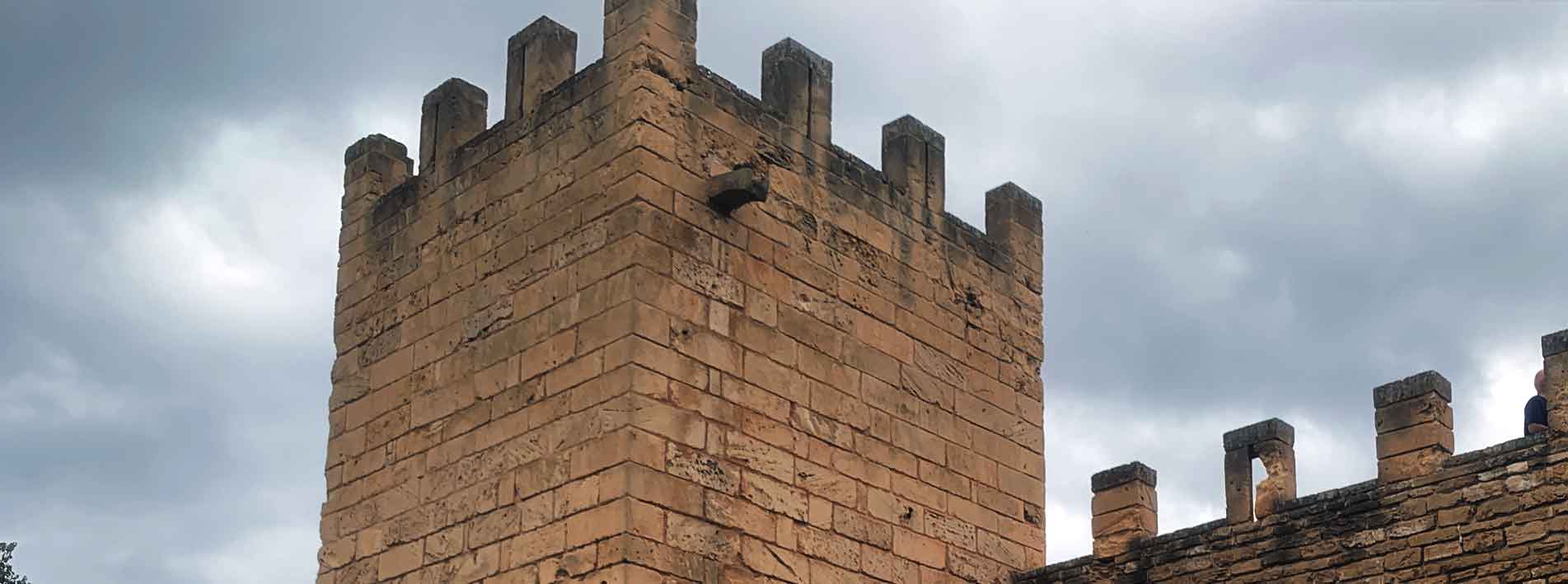
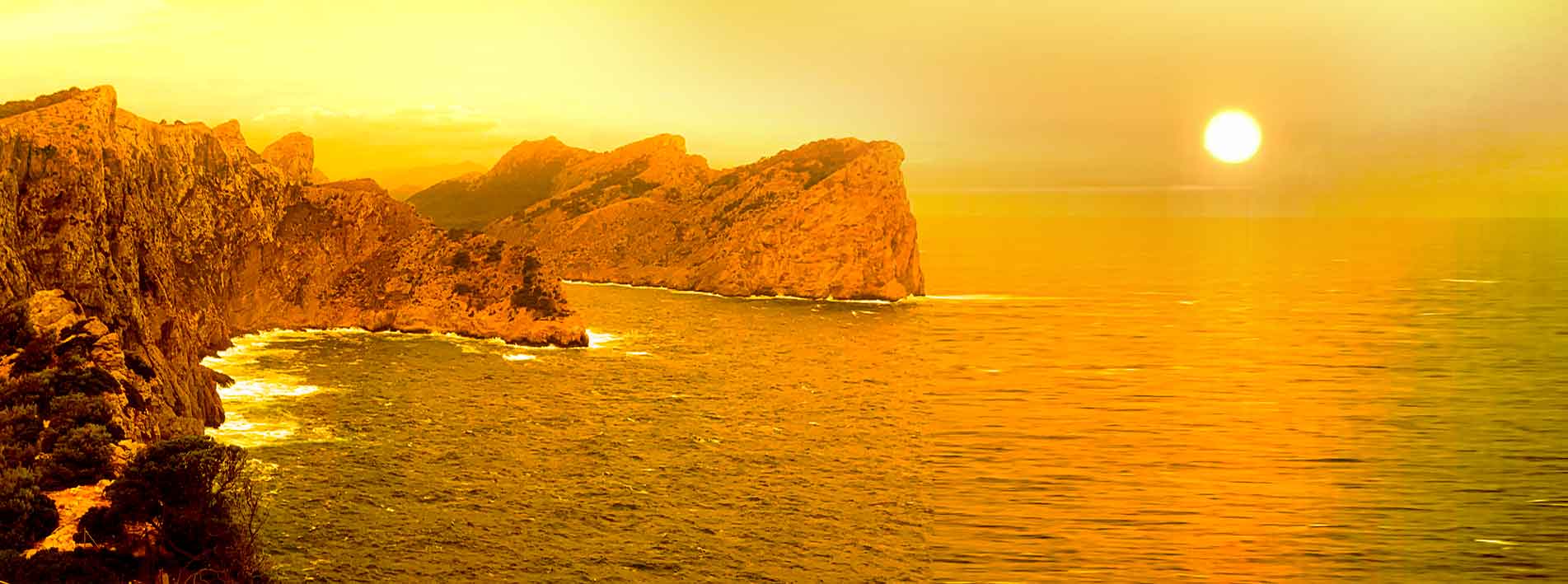
The Ses Puntes viewpoint, also known as the Can Costa viewpoint, offers breathtaking views of the Mallorcan coastline. It is located at an altitude of 775 meters and is surrounded by a stone wall with battlements, giving it the appearance of a medieval fortification. It is a popular place to enjoy the scenery and is part of the hiking trail that connects Valldemossa with Deià.
 Hiking trails from Valldemossa
Valldemossa is an excellent starting point for hiking routes, from short walks to multi-day crossings of the Tramuntana.
Camí de s’Arxiduc (circular route): The village’s star route. Designed by Archduke Luis Salvador in the 19th century, it runs along the ridges above Valldemossa with spectacular views of the mountains, Deià, Sa Foradada and Puig Major. The full circular version usually takes between 3 and 5 hours, with an elevation gain of 400-500 meters. It is not technically difficult, but requires a certain level of fitness. The starting point is near the road from Valldemossa to Deià [citation:2][citation:13].
Valldemossa to Deià (GR 221): A linear route of about 11 km and moderate difficulty that links the two villages via the Camí de s’Arxiduc and the Son Rul·lan cliffs. It takes around 5 hours. It is one of the most spectacular stages of the GR 221 and allows you to combine hiking with a visit to Deià and, if you wish, continue to Sóller [citation:7].
Ses Puntes Viewpoint: A short, easy route from the village, ideal if you don’t have much time or are looking for a gentle walk. The views over the coast and the mountains are worth the effort [citation:4].
Recommendations: Wear suitable footwear (the stones can be slippery), bring enough water and sun protection. In summer, start early to avoid the heat and crowds. Some routes cross private estates; respect the signs and close the gates if you find them open.
What to do and see in Valldemossa? Culture
Gastronomy: Coca de patata is a small delicacy and the most representative dish of Valldemossa. The Mallorcan afternoon snack is another popular and typical gastronomic experience in this beautiful Village of Mallorca.
Markets: Visit the markets selling typical products on public holidays. The Valldemossa market is not located on Carrer Blanquerna, but near Carrer Venerable Sor Aina, very close to the tourism office. It offers a wide variety of products, from fresh food to Mallorcan crafts, clothing, and accessories, attracting a large number of local visitors and tourists.
Events: In August, concerts are held in memory of Chopin’s stay, and in July, there is a festival in honor of Saint Catherine Thomàs. These are two cultural options that you should not miss if you visit Valldemossa at this time of year.
 Options near Valldemossa
Valldemossa is an excellent base for exploring the Tramuntana. These are the most practical getaways:
Deià (15 min by car): The artists’ village, perched above the sea. Visit the Robert Graves house-museum, the church and the cemetery at the top, and go down to Cala Deià if time permits. It is the perfect complement for a morning or an afternoon [citation:3][citation:12].
Son Marroig (10 min by car): Former estate of Archduke Luis Salvador, with a marble viewpoint over the Sa Foradada peninsula. It is visited as a house-museum and the views are among the best on the island [citation:8][citation:12].
Sa Foradada (20 min by car + trail): The peninsula with the perforated rock that is an iconic image of the Tramuntana. The viewpoint is accessible by car (limited parking); if you want to go down to the tip, there is a trail of about 40 minutes from the Son Marroig area. Sunset is the most popular time, but also the most crowded [citation:14].
Sóller and Port de Sóller (30 min by car): The valley of the orange trees, with its modernist square, the wooden train and the tram to the port. If you have a full day, you can combine Valldemossa, Deià and Sóller in a classic Tramuntana route [citation:3][citation:8].
Port de Valldemossa (10 min by car / bus 203): The municipality’s own cove, small and quiet, with a restaurant and crystal-clear waters. Ideal if you want a swim without going too far.
 Frequently asked questions and practical information
How much time do you need to visit Valldemossa? For the village and the Cartuja, about 3-4 hours. If you add hiking or a getaway to Deià, a full day.
Where to park? There is a paid car park at the entrance to the village that fills up early in high season (before 10:00). There are no free spaces in the center. Arrive early or come by bus [citation:1][citation:4].
Is the Cartuja open every day? Monday to Friday from 10:00 to 17:00, Saturdays from 10:00 to 16:00. Closed on Sundays [citation:9].
Is it accessible for people with reduced mobility? The village has steep streets and stairs, which can be a challenge. The Cartuja and some viewpoints are more accessible, but it is advisable to check in advance if an adapted route is needed [citation:4].
What should I not miss? The coca de patata (local specialty), Chopin’s piano in the Cartuja and the views from Miranda des Lledoners or Ses Puntes.
Can you drink tap water? Yes, the water is drinkable, although many people prefer bottled water for the taste.
Tipping: Not mandatory, but it is appreciated to leave 5-10% in restaurants if the service has been good.
And that’s it for this mini guide on what to see and do in Valldemossa, a special locality in Mallorca. We hope you find it useful.
By the way: Are you coming to Mallorca on a tourist trip? If you find it helpful, you can also check out our travel guide to Mallorca and more tourist information about the island