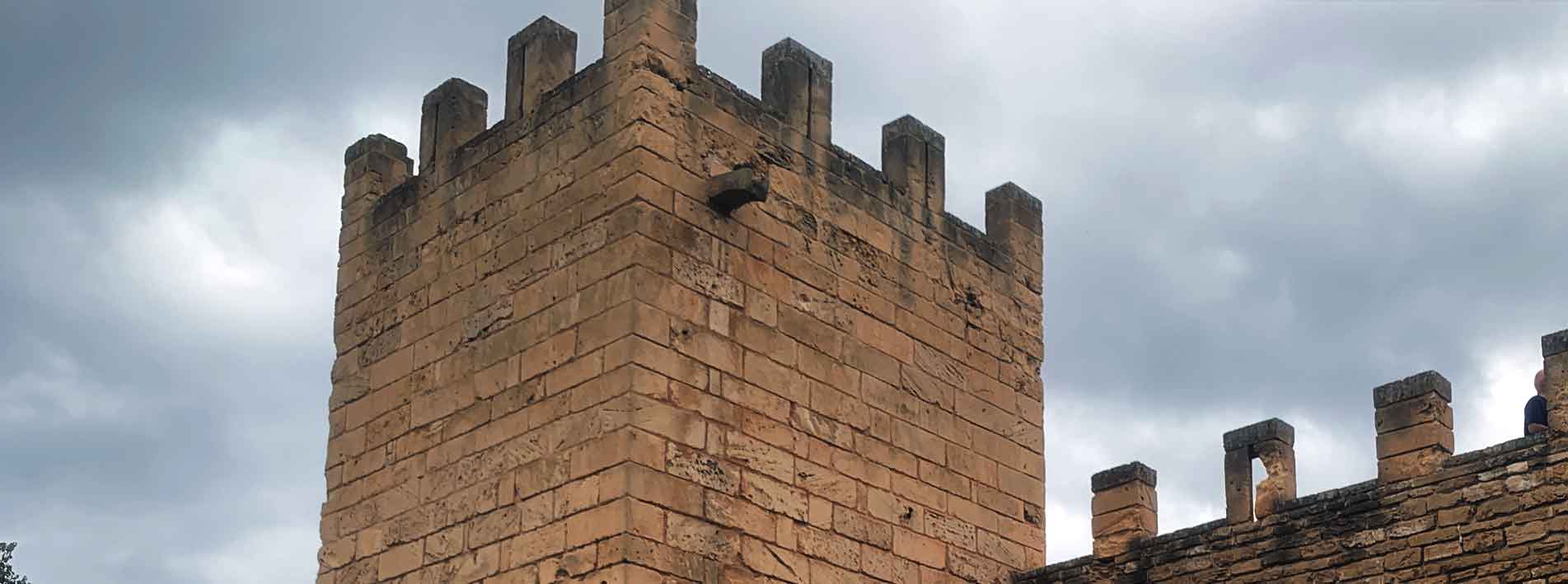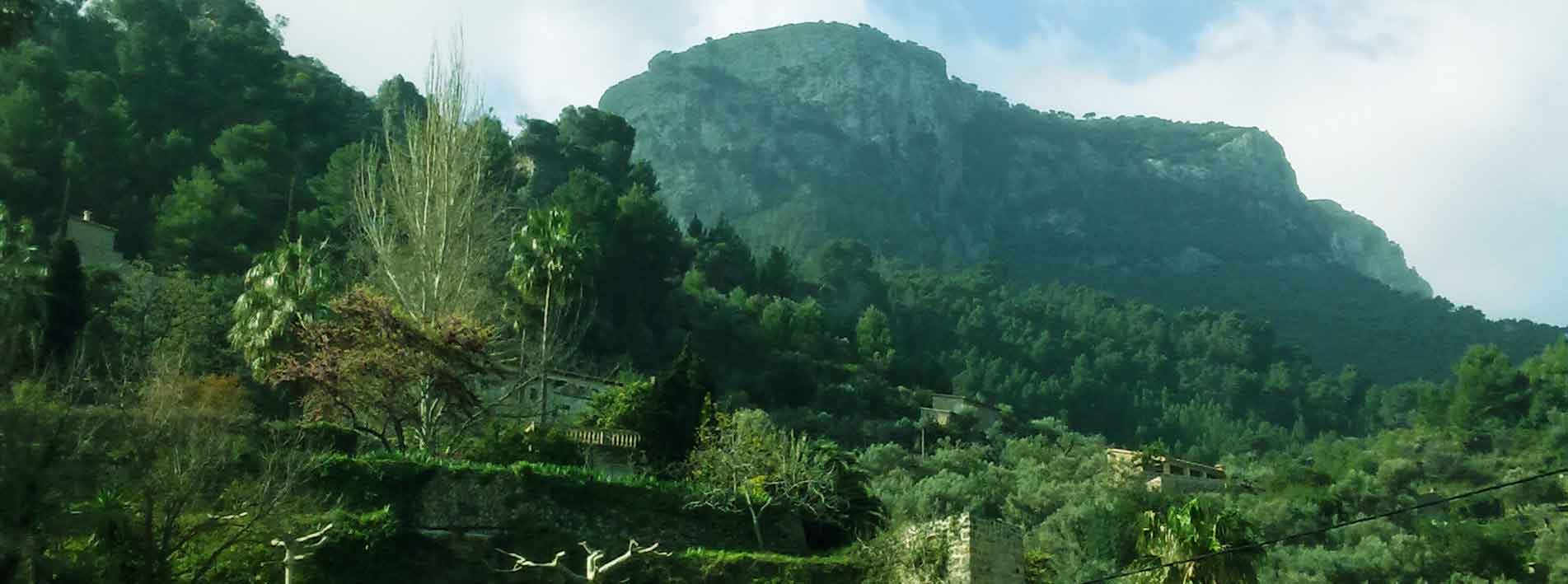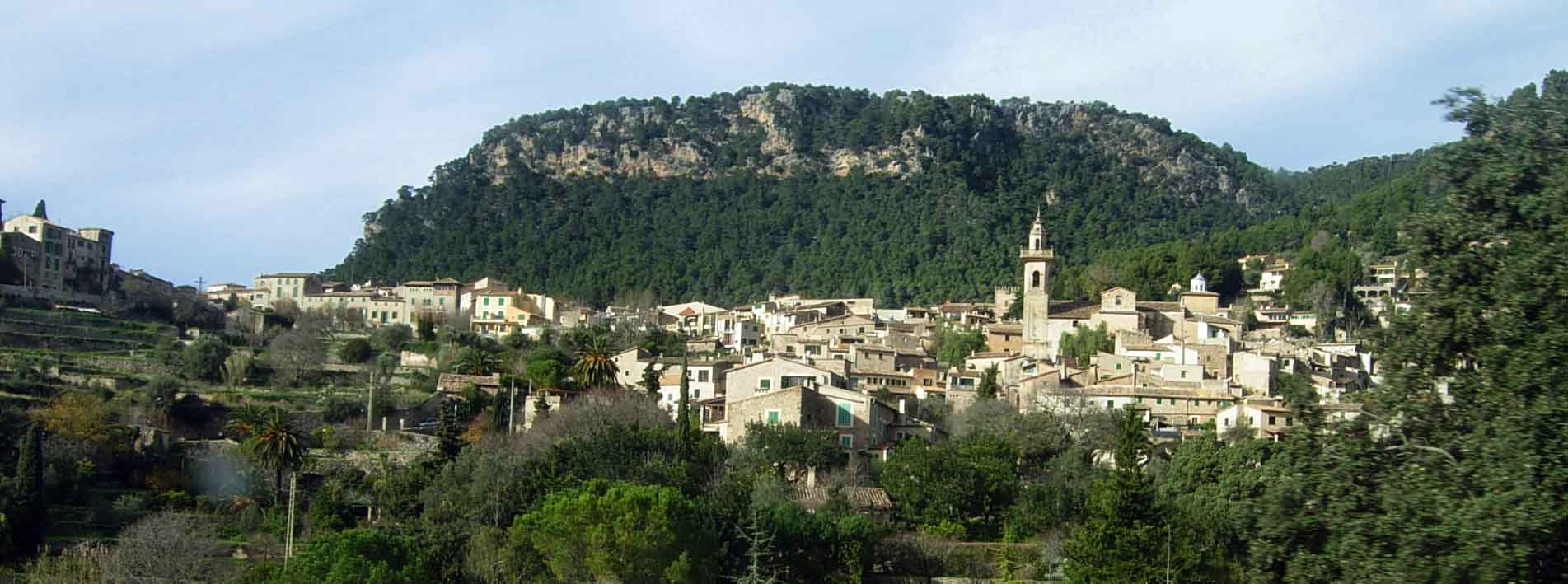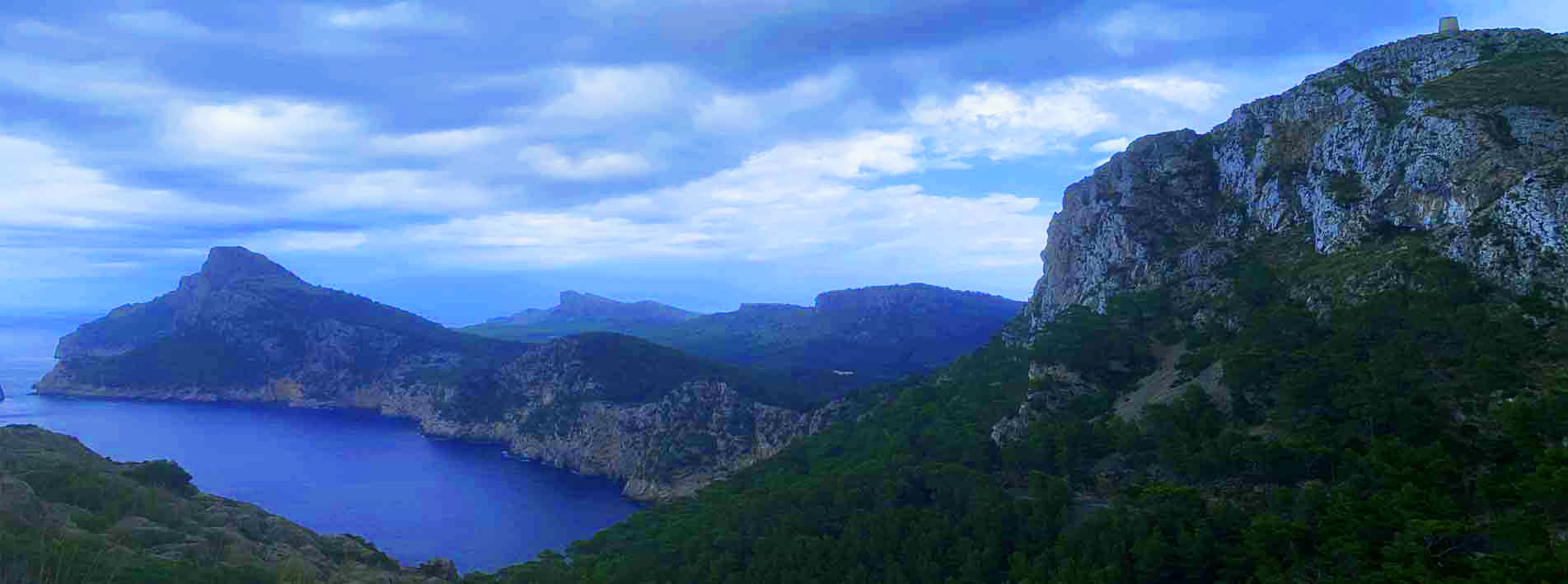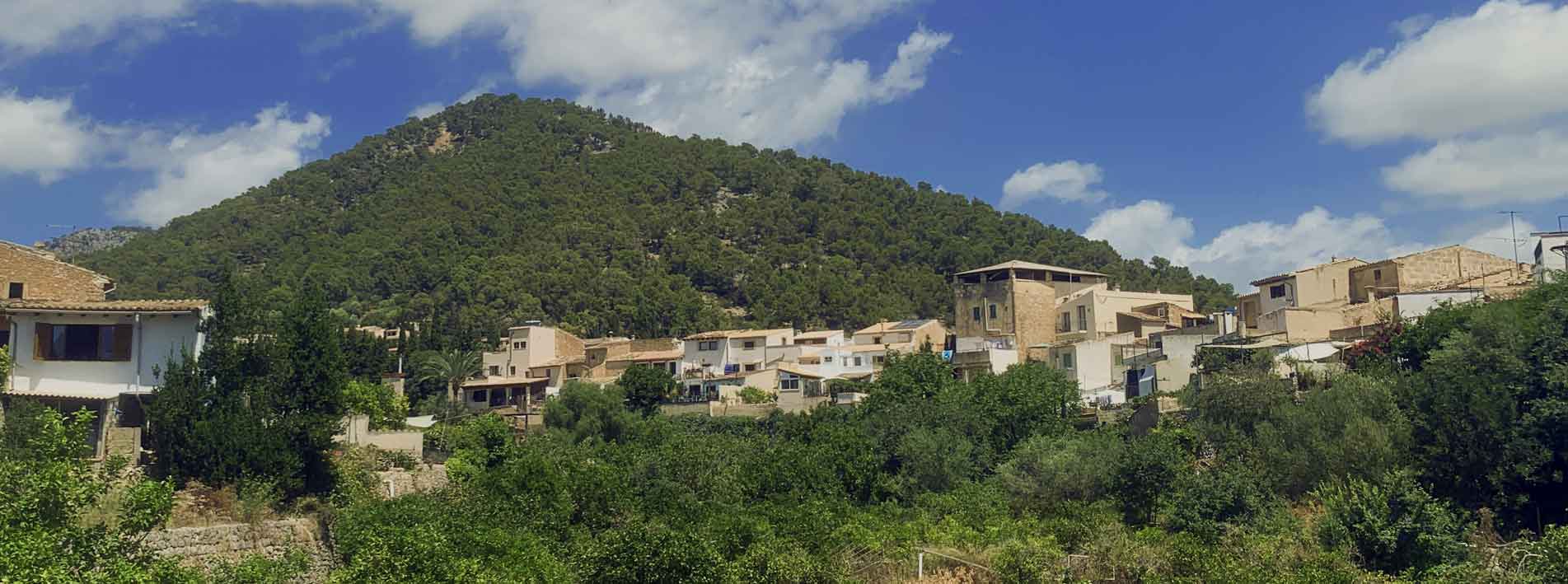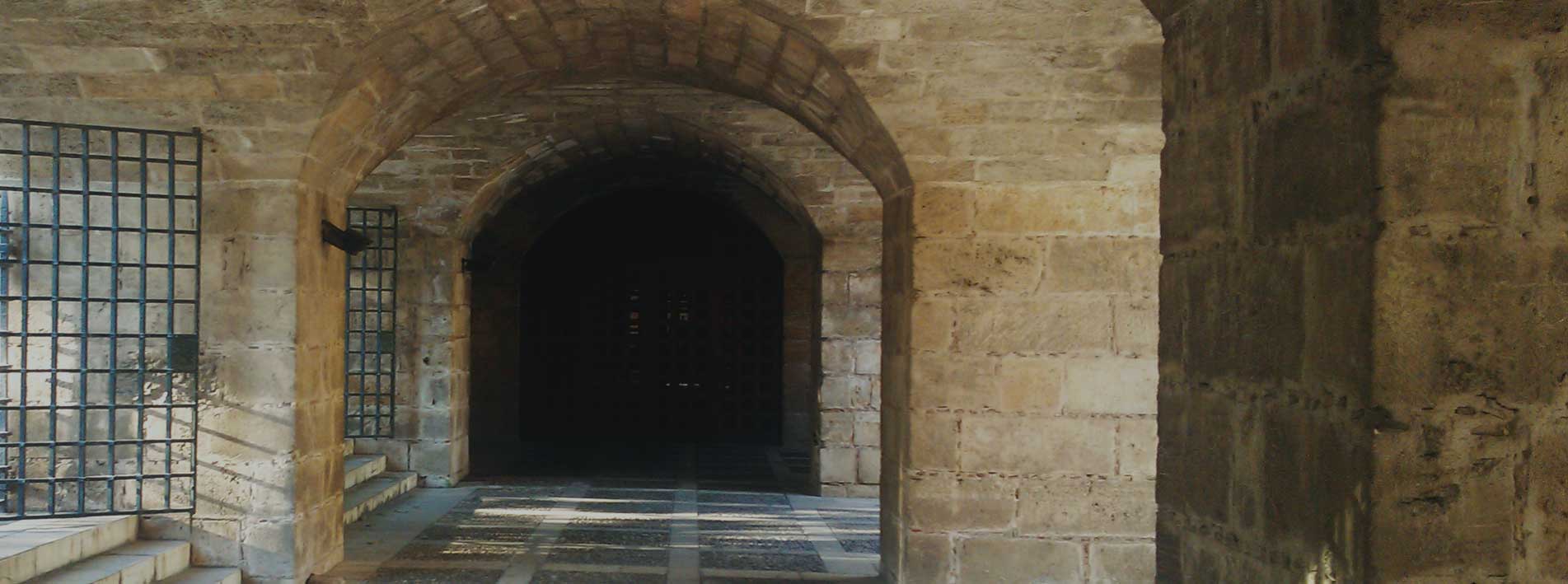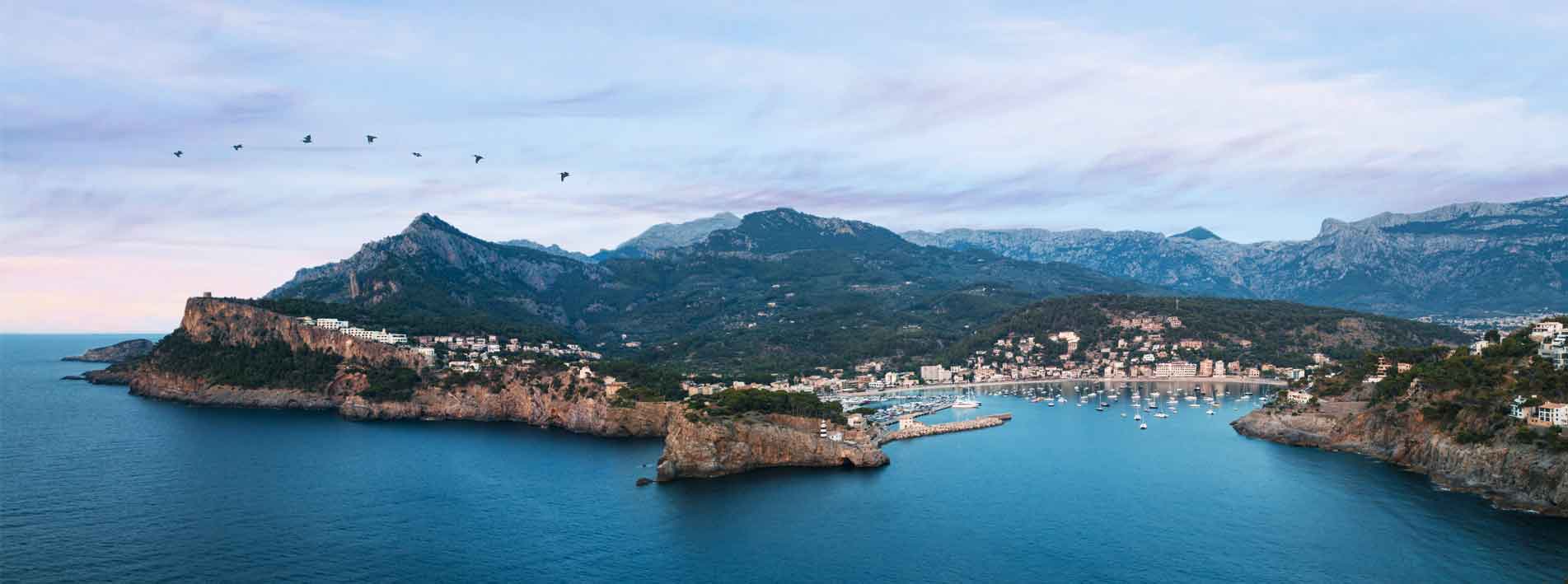
Deià is a town, a municipality and picturesque Mallorcan locality in the Sierra de Tramontana mountains, known for its bohemian charm, its history as a refuge for artists and its natural beauty. It is characterized by its cobbled streets, stone houses and views of the Mediterranean Sea and mountains, which have made it an inspiring place for artists such as Robert Graves. In addition to its artistic and cultural atmosphere, it offers picturesque coves such as Cala Deià and historical sites such as the house-museum of Robert Graves and the Son Marroig estate.
Toponymy
The place names in Deià originate from the Arabic term ad daia, which means “village” or “town,” and refers to its past during Muslim rule. The official name in Catalan is Deià, although it is often called “Deyá” in Spanish. This settlement dates back to prehistoric times, but it was under Arab rule that it established itself as a small village with a sophisticated irrigation and horticulture system.
 Main features of Deià
Artistic and bohemian atmosphere: Deià is known as the “artists’ village” and has been a magnet for creators, giving it a cultural and peaceful character. It is also a place of inspiration for artists such as Robert Graves.
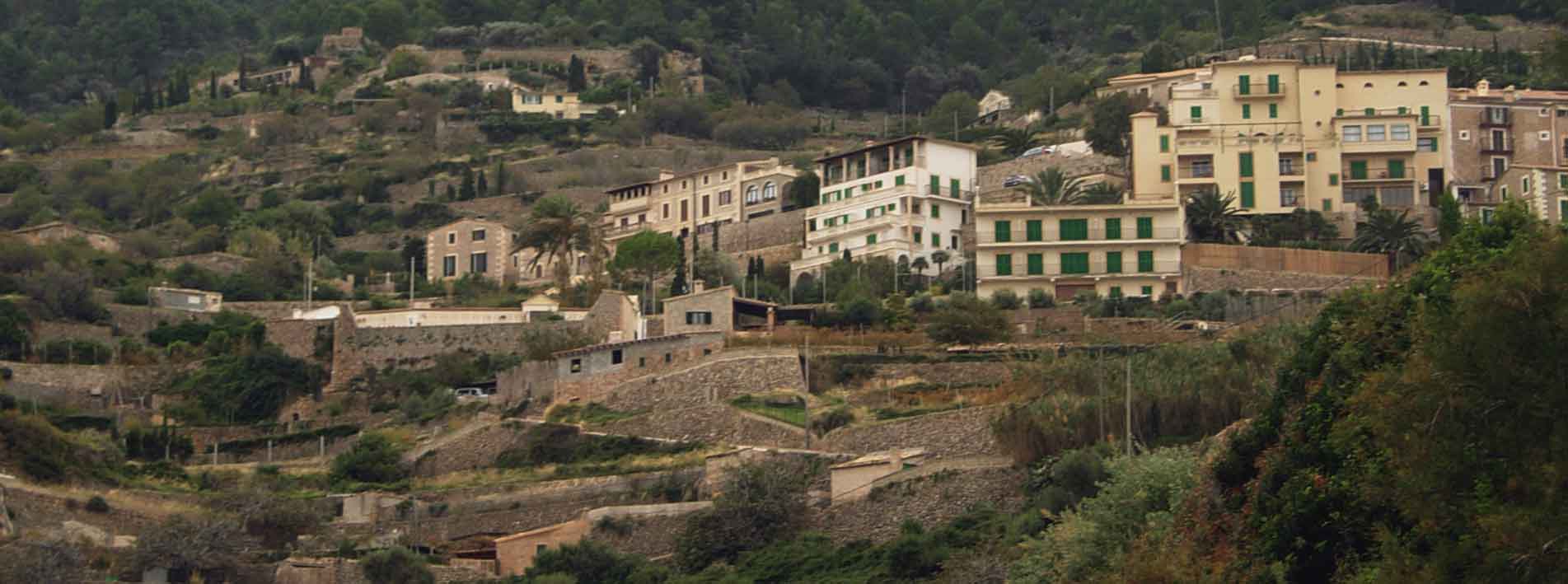
Landscape and architecture: It is nestled in a valley between mountains and the sea. Its traditional stone architecture, cobbled streets and agricultural terraces are part of its charm.
Location: It is located in the heart of the Serra de Tramuntana, with breathtaking views of the Mediterranean.
Location and how to get to Deiá
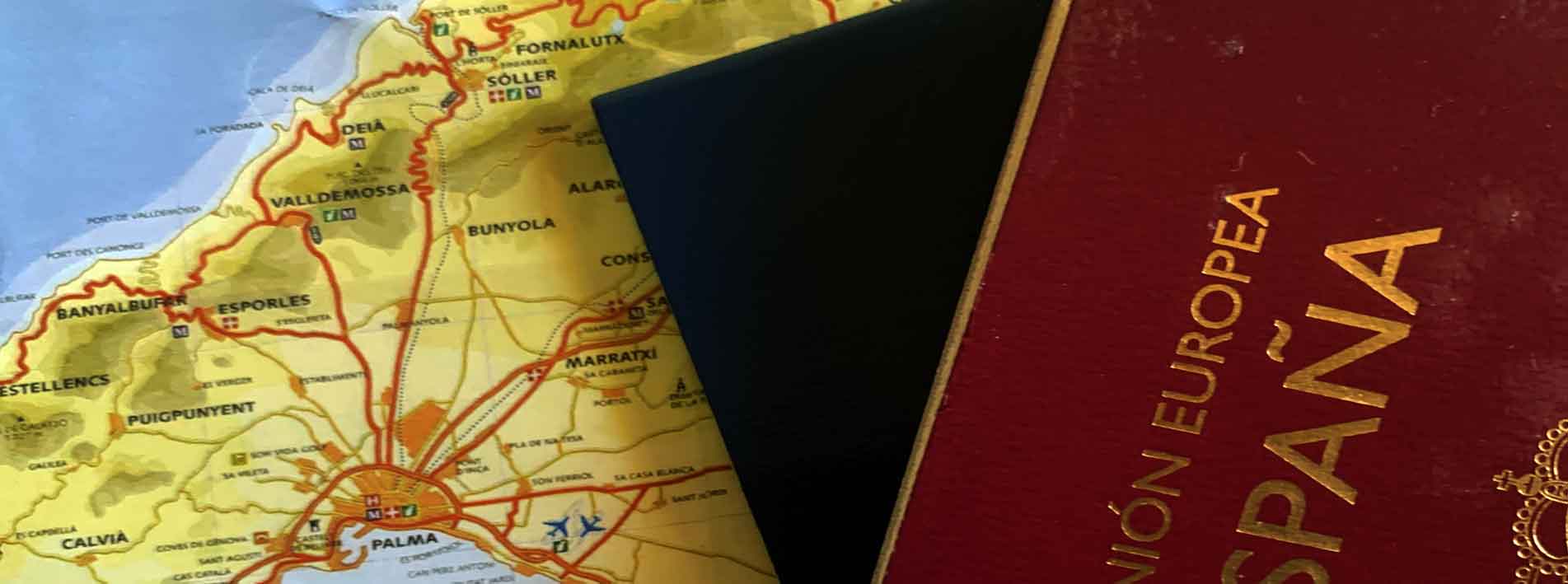
Deià is located in the Sierra de Tramuntana mountains, between Valldemossa and Sóller. It can be reached by car from Palma via the Ma-1110 and Ma-10 roads, a journey of around 40-50 minutes. Public transport is also available: the TIB bus line 203 departs from Palma Intermodal Station and takes approximately one hour.
 How to get to Deià by car
Getting to Deià by car from Palma This route skirts the Sierra de Tramuntana mountains with views of the sea and is very picturesque. The scenic drive to Deià from Palma takes about 50 minutes on the Ma-1110 towards Valldemossa and then on the Ma-10 towards Deià. It is notable for offering breathtaking views of the Serra de Tramuntana and the sea. Once in Deià, a narrow, winding detour takes you to Cala Deià, with extra caution due to traffic, especially in high season.
Parking: Finding parking in Deià can be difficult, especially in high season. There are public pay parking lots (ORA zone) and some free parking at the entrances and exits of the village, but they tend to fill up quickly.
Cala Deià: If you want to get to Cala Deià from the village of Deià, take the Ma-10 road and look for a turnoff to the left, a narrow, winding road. There is a paid parking lot at the cove, but it can be full in high season.
Caution: Keep in mind that the roads in the Sierra de Tramuntana can be very busy during the summer months, so it is advisable to drive carefully and park in the designated parking lots.

Parking in Deià
The village is small and the streets are narrow. In high season, parking becomes the biggest headache.
Paid car parks (ORA): There are regulated zones around the village. They fill up quickly, especially by mid-morning.
Free car parks: There are some free parking areas at the entrances and exits of the village, but they are limited and also fill up early. The recommendation is to arrive before 10:00 or, if possible, come by bus (line 203).
Cala Deià: The cove has a small paid car park, accessed via a narrow, winding road. It fills up in summer. If you are going down to the cove, it is best to go early or leave the car in the village and walk down (about 20-30 minutes).
Alternative: If you are staying in Deià, ask your accommodation about the recommended parking area. Many have agreements with nearby car parks or can advise you on where to leave the car without problems.
How to get to Deià by bus
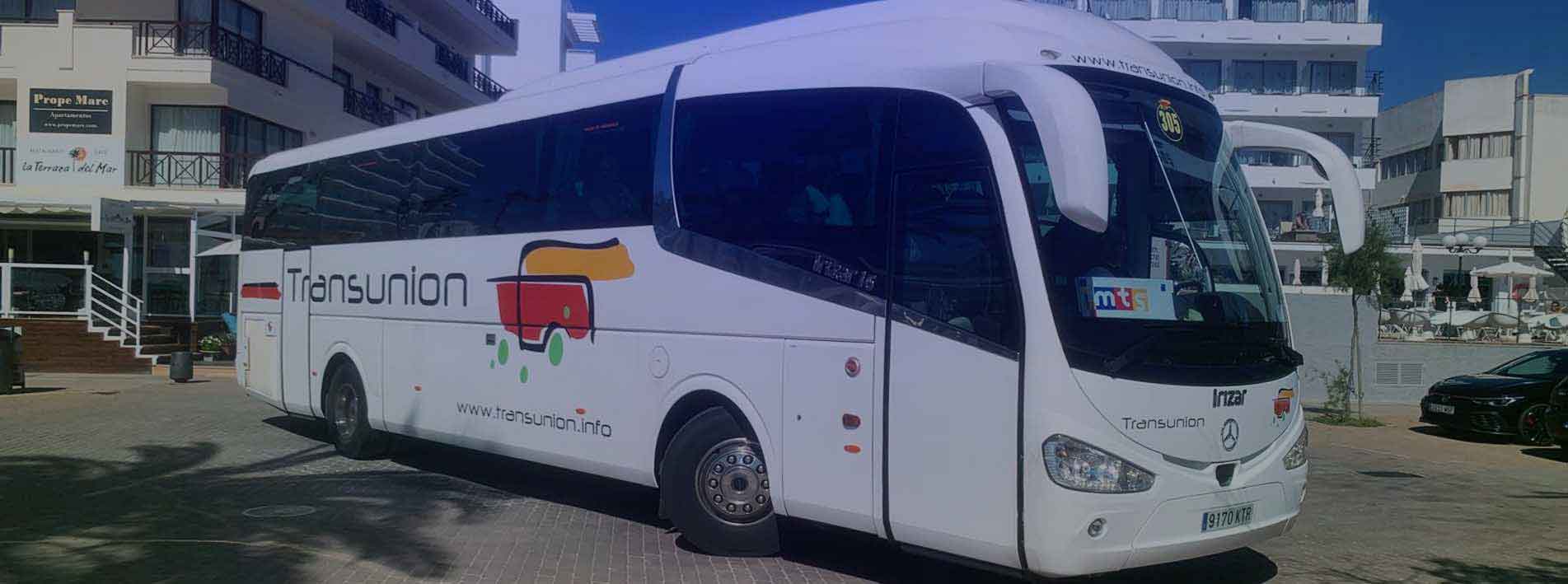
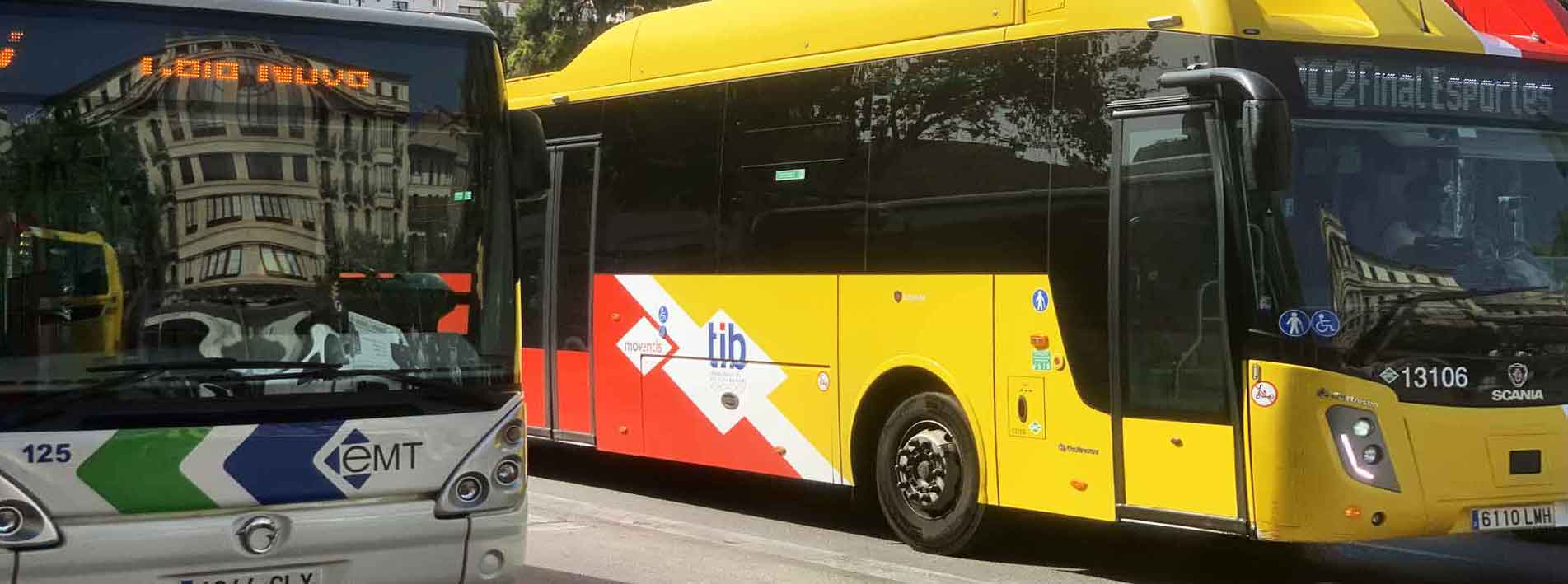
To get to Deià by bus from Palma, take line 203 from the Estació Intermodal de Palma. The journey takes approximately 45 minutes and the bus runs every hour, although schedules may vary depending on the season.
Cala Deià: The bus drops you off in the center of Deià. If you want to go to Cala Deià, you will have to walk an additional 20 minutes from the nearest stop, “S’Empeltada 2”.
 Details of the route to Deià by bus
Bus line: 203 TRAMUNTANA.
Route: Palma > Valldemossa > Deià.
Journey time from Palma: Between 45 and 52 minutes.
Frequency: There are buses every few hours, but check the updated timetables on the TIB website as they vary outside the summer months.
Timetable: The first departure is at 7:35 a.m. and the last at 10:00 p.m.
Price: Approximately €5 per ticket.

Additional considerations
Purchasing tickets: You can buy tickets directly from the driver on board the bus, but it is important to note that only cash tickets up to €10 are accepted. Another option is to purchase a prepaid card in advance at authorized points of sale. Payment can also be made directly with a contactless bank card and up to five people can travel with the same card, benefiting from discounts per user. In this case, it is essential to validate the card both when boarding and alighting from the bus so that the system can calculate the cost of the journey correctly.
Please note that some lines are express and do not make all stops.
To plan your trip, we recommend checking the timetables on the TIB (Transport de les Illes Balears) website.
How to get to Deià by taxi
To get to Deià from Palma by taxi, you can take a taxi directly, which takes about 35 minutes and costs between €40 and €50. Another option is to take a taxi from the airport; this journey takes about 45 minutes and usually costs around €60. The time and price may vary depending on the route, the time of day and the taxi company, as there may be a slight increase due to the meter or supplements, so it is always advisable to check directly with the provider beforehand.
Deià in half a day or a full day
Deià is small and can be explored on foot, but it has enough attractions to fill anything from a few hours to a full day, depending on whether you combine it with hiking or with other villages in the Tramuntana.
Half a day (3-4 hours): A walk through the old town (cobbled streets, galleries, boutique shops), a visit to the church of Sant Joan Baptista and the cemetery (Robert Graves’ tomb), and a stop for lunch or a drink on a terrace with views. If time permits, climb to the Miranda des Lledoners viewpoint or walk down to Cala Deià (20-30 minutes on foot).
A full day: Morning in the village and the Robert Graves House Museum. Lunch in Deià or Son Marroig. Afternoon at Cala Deià (swim and relax) or at Son Marroig and the Sa Foradada viewpoint for sunset. If you enjoy hiking, swap the afternoon for the GR221 route to Sóller (5-6 hours, only if you are reasonably fit).
Tip: The village can be seen on foot in 2-3 hours. The car is unnecessary inside; park outside and walk. In high season, start early to avoid crowds and find parking.
 History summary
The history of Deià dates back to the Muslim occupation (10th-13th centuries), when terraced agricultural systems were developed that boosted agriculture. After the Christian conquest of Mallorca in 1229, it was integrated into Valldemossa until it became independent in 1583.
In the late 19th and early 20th centuries, it attracted artists such as Archduke Luis Salvador of Austria and Robert Graves, who settled there permanently in the 1930s and turned it into an artistic hub and bohemian center, cementing its reputation as the “artists’ village of Mallorca.”
During the 18th and 19th centuries, there was an agricultural crisis, but a resurgence came with tourism and the arrival of artists. Luxury tourism became a key economic factor, with the development of gastronomy and construction, while at the same time seeking to preserve its charm. Today, Deià combines its agricultural heritage with its status as an artistic and tourist destination, retaining its rustic charm.
 Places of interest in Deià
Robert Graves House Museum: The former residence of the English writer, author of I, Claudius.
Deià Church and Cemetery: The Church of Deià, dedicated to San Juan Bautista, is a simple Gothic building rebuilt in the 18th century, located at the top of the village. Next to it is the municipal cemetery, famous for its panoramic views of the mountains and the sea and for housing the tomb of the poet Robert Graves and other illustrious figures. It is a quiet and flowery place, with a tiled Via Crucis leading up to it.
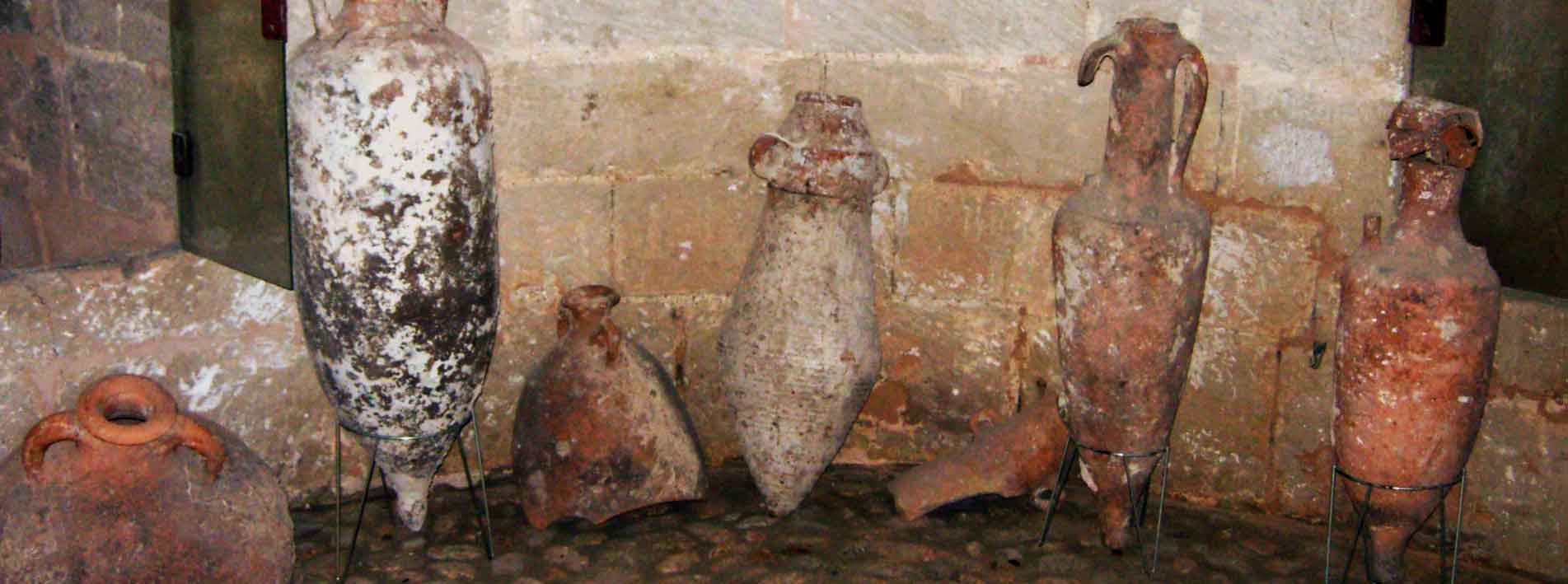
Es Clot Archaeological Museum: The Es Clot Archaeological Museum in Deià is a small museum founded in 1962 by American archaeologist and painter William Waldren. It is located in a former 17th-century flour mill and exhibits finds from sites in the area, the most notable being the remains of the extinct Myotragus Balearicus.
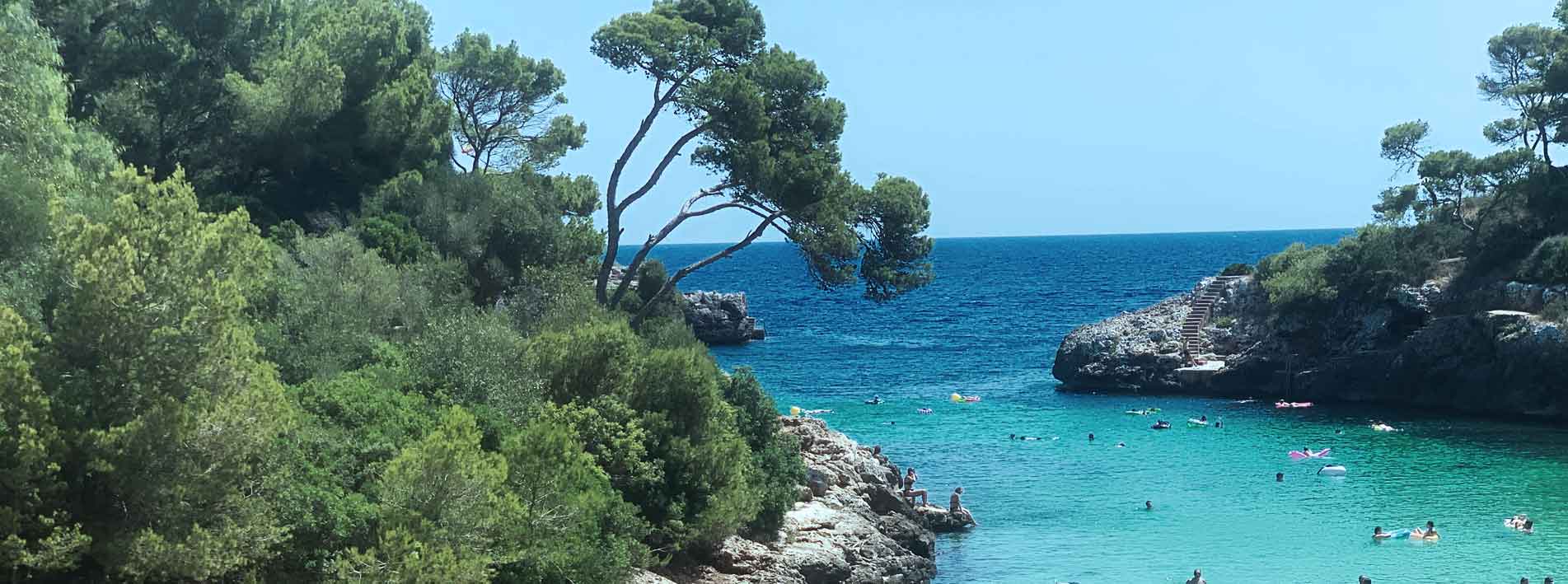
Cala Deià: A picturesque cove of pebbles and rocks, with cliffs and pine trees, ideal for a peaceful swim.
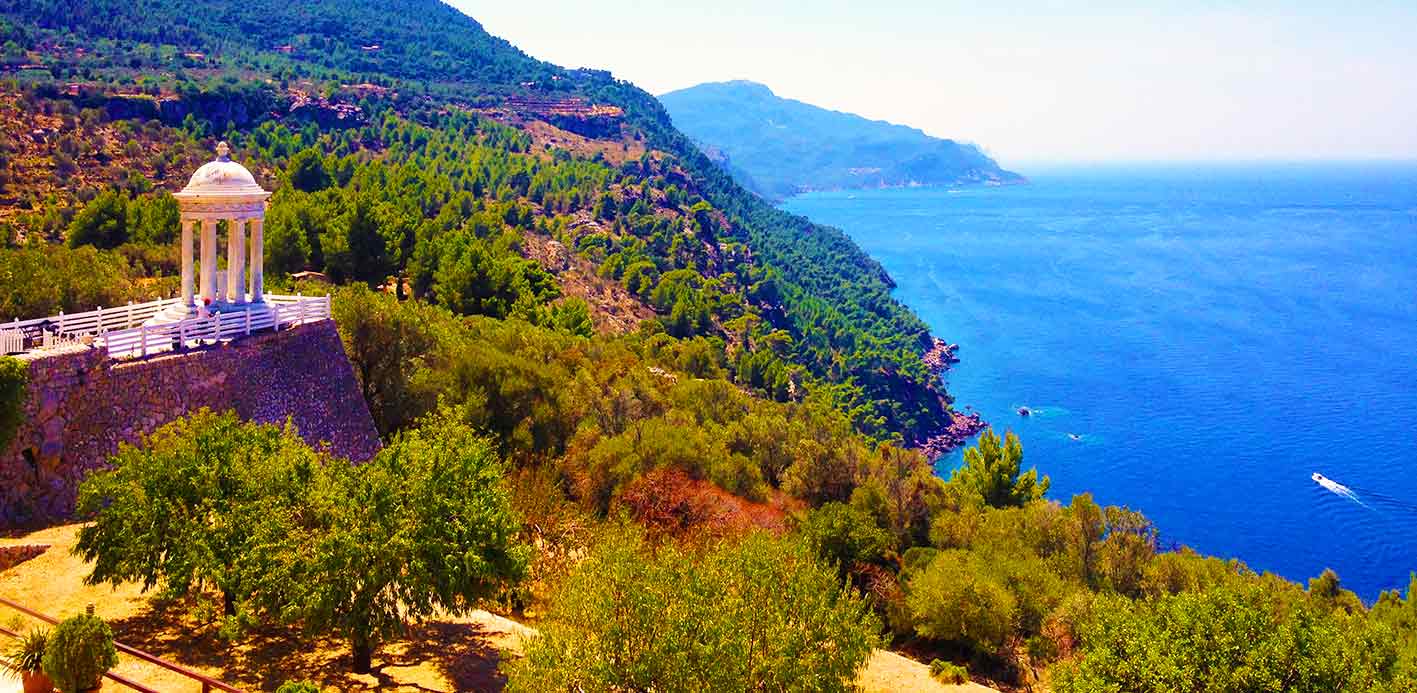
Son Marroig: Son Marroig is an old Mallorcan estate and house museum in Deià, which was the residence of Archduke Luis Salvador of Austria. Today, it is a historic site with gardens, spectacular views of the sea and the Sa Foradada peninsula and is often used for events and celebrations, such as the Deià International Music Festival.
Sa Foradada Viewpoint: Known for its sunsets over the rock with a hole in it.
 Activities
Hiking: Hiking in Deià offers a wide variety of routes, from short and easy walks to longer and more demanding trails in the Serra de Tramuntana mountains. Popular routes include the walk to Cala Deià, the section of the GR221 from Deià to Sóller and the climb to Puig del Teix. You can find trails that traverse coastal landscapes, forests and ancient stone paths, such as the Camí de Castelló.
Cultural events: Deià hosts cultural events that focus on music, such as the Deià International Music Festival, which attracts renowned musicians. Other cultural events are also organized, such as concerts in the Son Marroig area, especially during the festival. In addition to one-off events, Deià’s cultural life is characterized by its artistic richness throughout the year, with art galleries, artists’ workshops and visits to historical sites such as Robert Graves’ house and the Son Marroig Museum.
Enjoy the cuisine: The area offers a variety of restaurants and small businesses.
Nature and Landscapes
Cala Deià: Cala Deià is a small cove of rocks and pebbles located in the northwest of Mallorca, about 3 km from the village of Deià. It is known for its crystal clear turquoise waters, its beautiful natural setting with cliffs and pine trees and its peaceful atmosphere. Although it has no sand, it is a popular spot for swimming and diving and has two rustic restaurants.
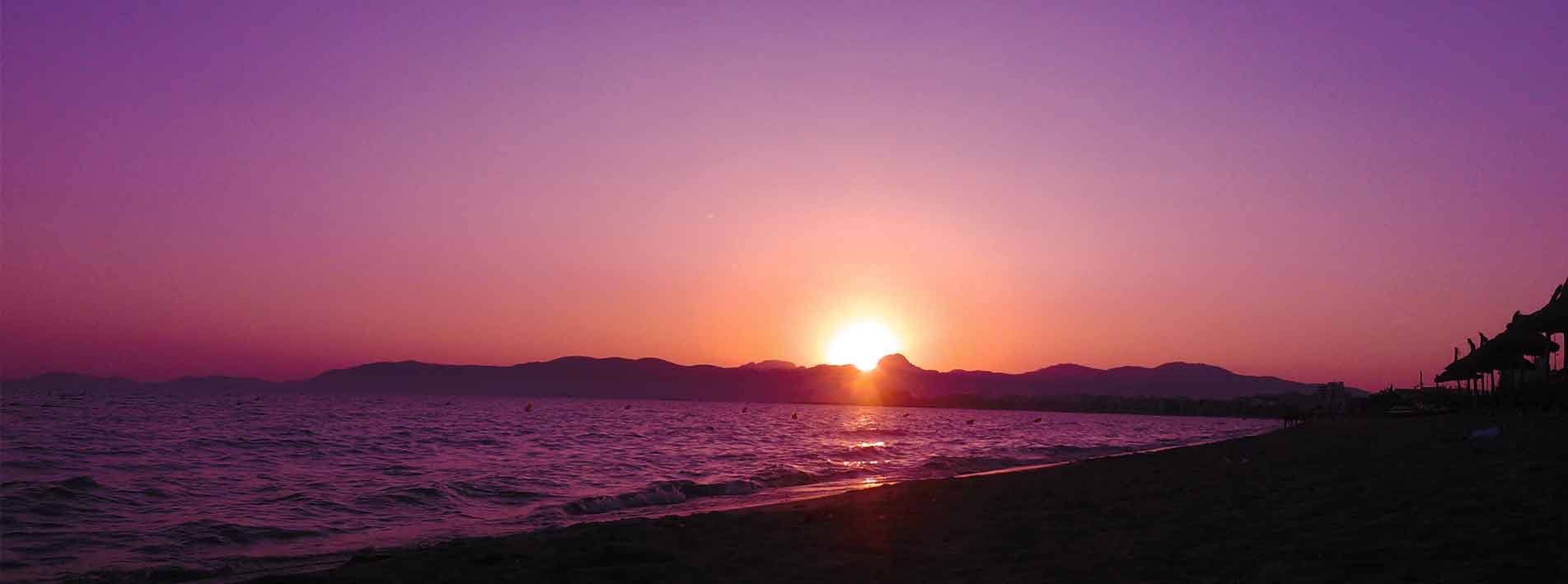
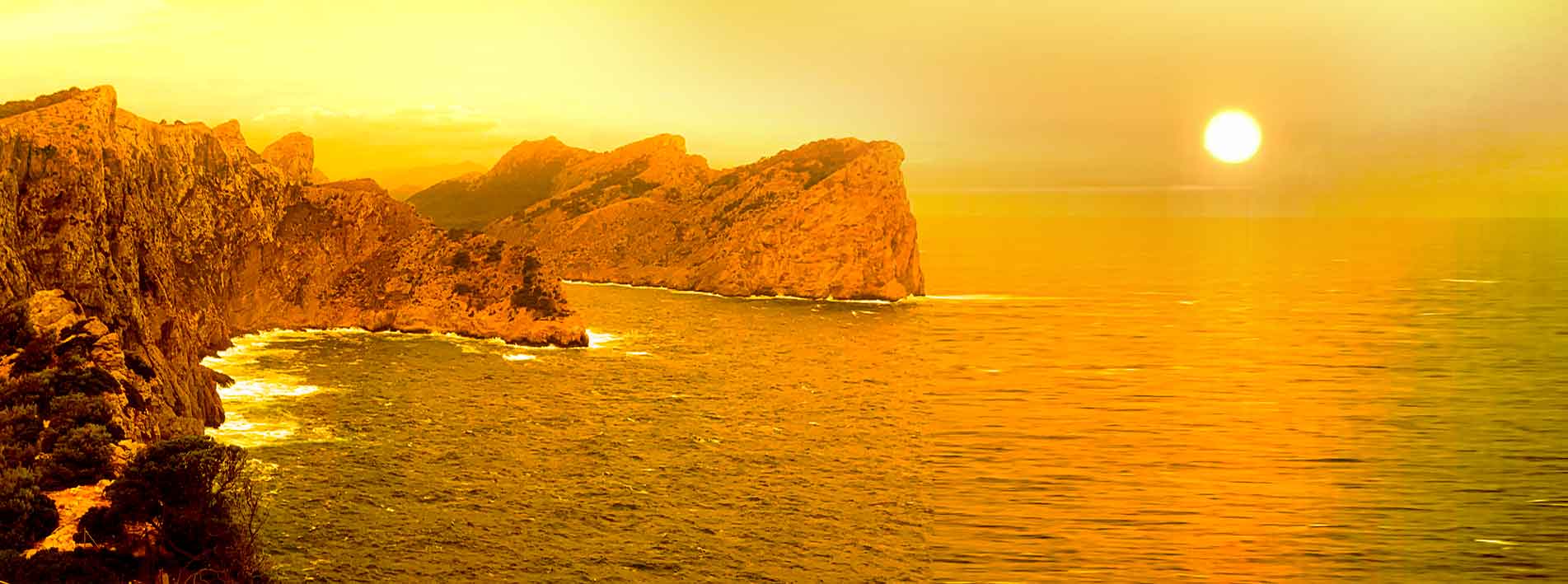
Sa Foradada viewpoint: The Mirador Sa Foradada is an iconic viewpoint in Deià, Mallorca, known for its spectacular views of the sunset and a hollowed-out rock of the same name. It is a popular spot for watching the sunset and can be reached on foot from the Son Marroig estate, via an easy hiking trail, or by car to the viewpoint itself.
 What to see and do in Deià
Stroll through its streets: Stroll through the narrow cobbled streets to enjoy the architecture, art galleries and boutique shops.
Explore its coves: Relax in small coves such as Cala Deià, with crystal clear waters and natural caves.
Enjoy its culture: Attend cultural events held throughout the year.
Hospitality Tourism
Deià is a tourist destination and a picturesque village in Mallorca that combines hospitality and a rich artistic scene, attracting a select audience seeking tranquility in a spectacular natural setting. Its hotel offerings include charming accommodations, from historic hotels to rustic estates. Tourism focuses on culture (museums, Robert Graves’ house) and the landscape (trails through the Serra de Tramuntana, coves and sunset at Sa Foradada). The local cuisine stands out for its quality Mallorcan and Spanish dishes, with restaurants offering fresh produce and panoramic views.
Deià offers a variety of accommodation options for relaxed tourism, from historic hotels in the center to renovated rustic estates with natural charm. The hotel offerings are in line with the peaceful and magical atmosphere of the village, ideal for those seeking to disconnect in the Serra de Tramuntana.
 Day trips from Deià
Deià is an excellent base for exploring the Tramuntana. These are the most practical getaways:
Valldemossa (15 min by car): The village of Chopin and George Sand, with the Cartuja, the Palace of King Sancho and the gardens of King Juan Carlos I. It can be combined with Deià in the same day.
Sóller (25-30 min by car): The valley of the orange trees, with its modernist square, the wooden train and the tram to Port de Sóller. If you have a full day, you can combine Deià, Valldemossa and Sóller in a classic Tramuntana route.
Son Marroig and Sa Foradada (10 min by car): The estate of Archduke Luis Salvador and the viewpoint of the perforated rock. Sunset at Sa Foradada is one of the most iconic moments on the island.
Cala Deià (20-30 min on foot from the village): The municipality’s own cove, small and quiet, with two rustic restaurants. Ideal for a swim without going too far.
Puig del Teix (2-3 hours round trip): For those looking for a greater challenge, the climb to Puig del Teix offers panoramic views of the entire valley and the coast.
 Frequently asked questions and practical information
How much time do you need to visit Deià? For the village and the Robert Graves House Museum, about 3-4 hours. If you add Cala Deià or hiking, a full day.
Where to park? There are paid car parks (ORA) and some free areas at the entrances to the village, but they fill up early in high season (before 10:00). The cove has a small paid car park. The most practical option is to arrive early or come by bus (line 203).
Can you drink tap water? Yes, the water is drinkable, although many people prefer bottled water for the taste.
Is it accessible for people with reduced mobility? The village has steep streets and stairs, which can be a challenge. The Robert Graves House Museum and some viewpoints are more accessible, but it is advisable to check in advance if an adapted route is needed.
What should I not miss? The Robert Graves House Museum, the church and cemetery, Cala Deià and the sunset at Sa Foradada or from Son Marroig.
Tipping: Not mandatory, but it is appreciated to leave 5-10% in restaurants if the service has been good.
And that’s it for this brief guide to Deià, Mallorca. We hope it helps.
By the way: Are you coming to Mallorca on a tourist trip? If you find it helpful, you can also check out our travel guide to Mallorca and more tourist information about the island