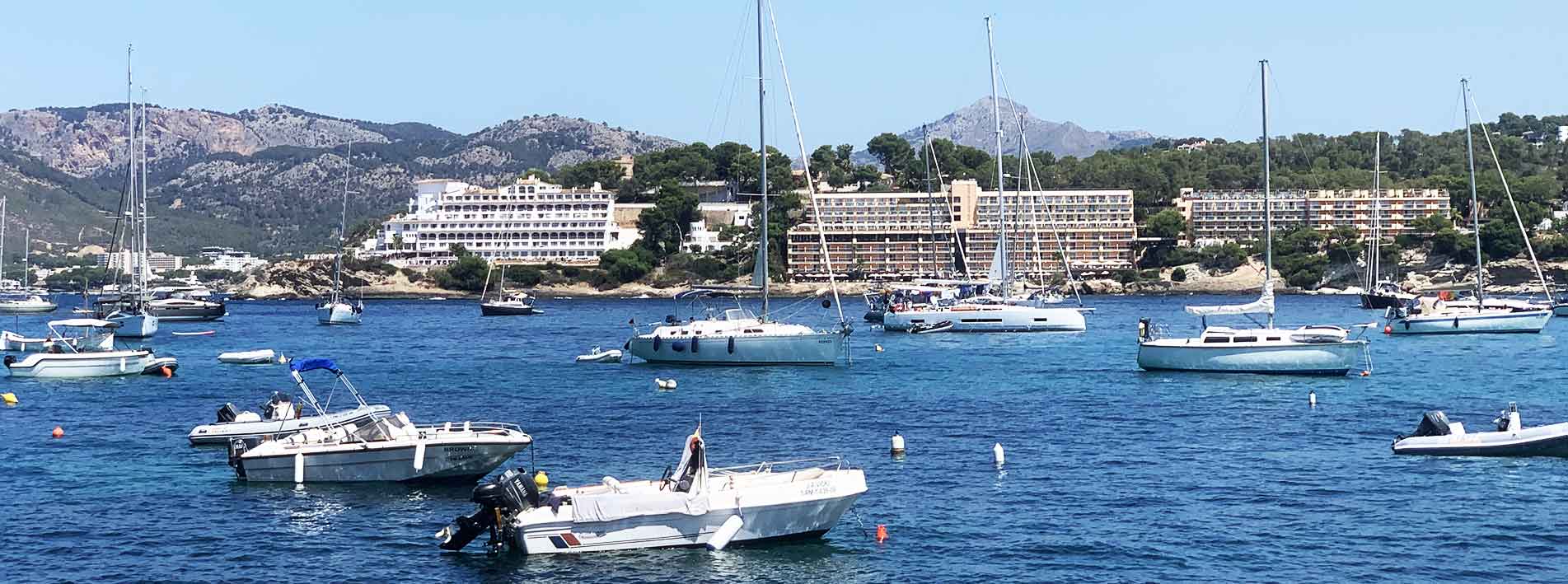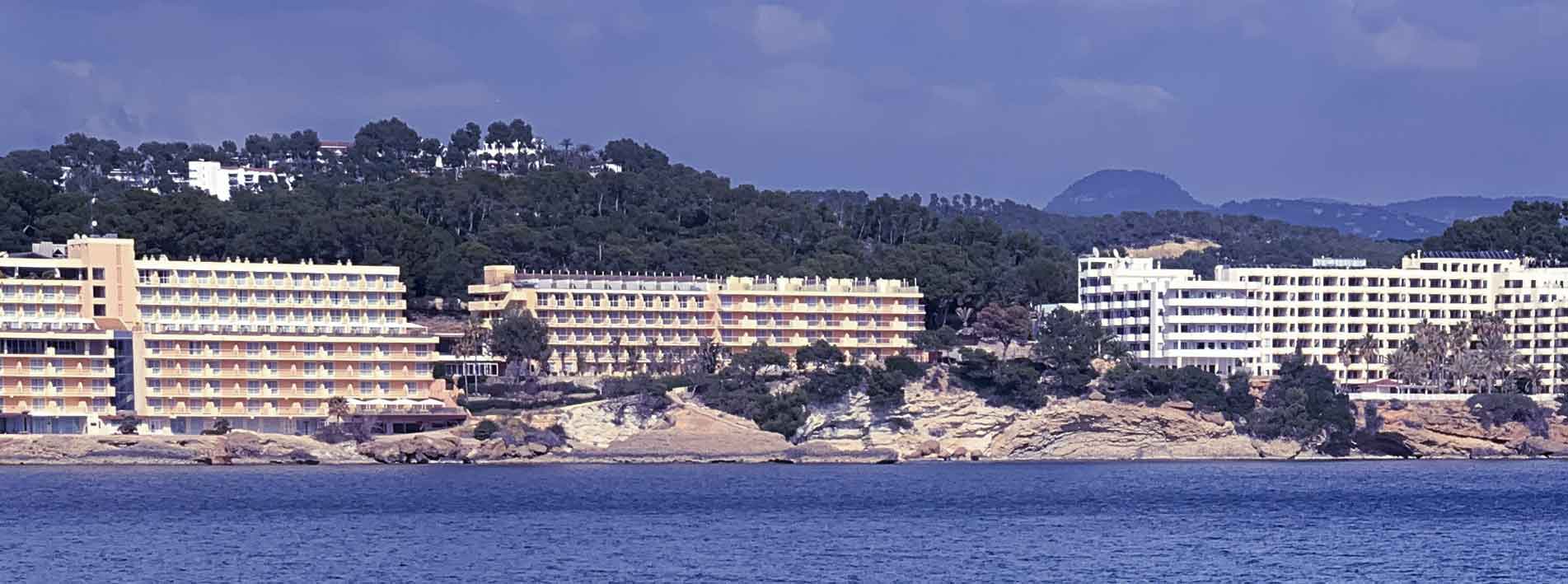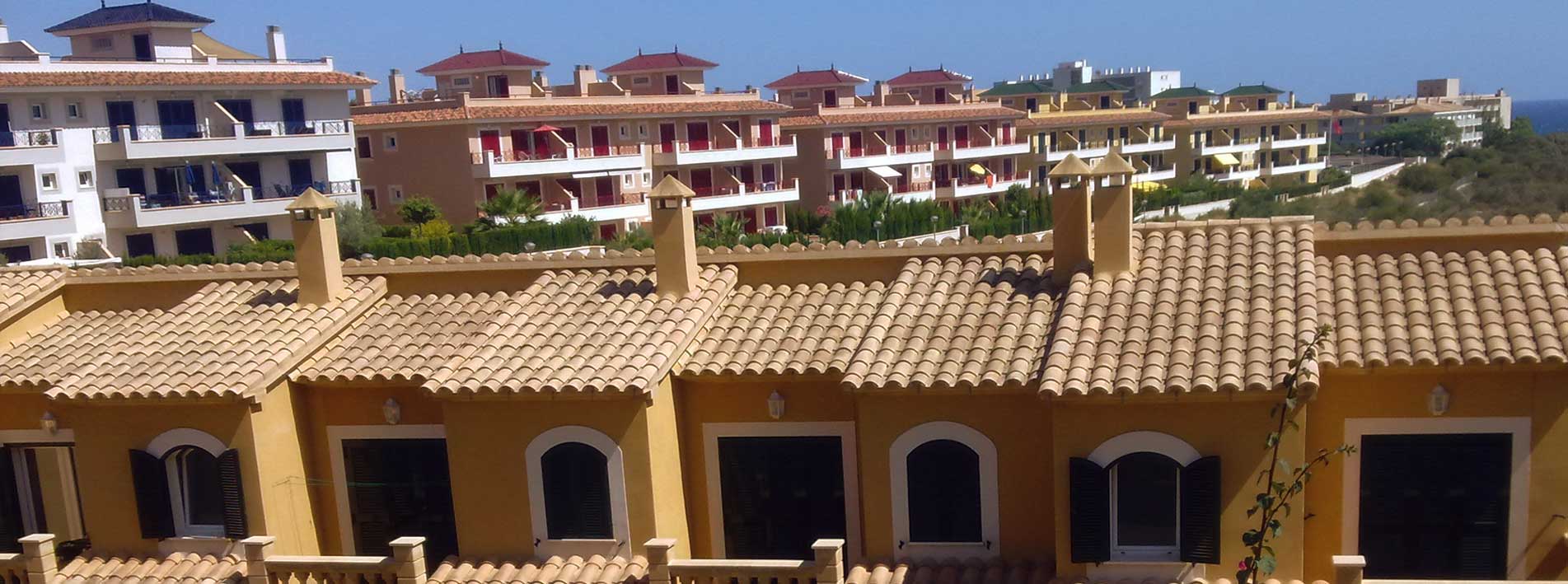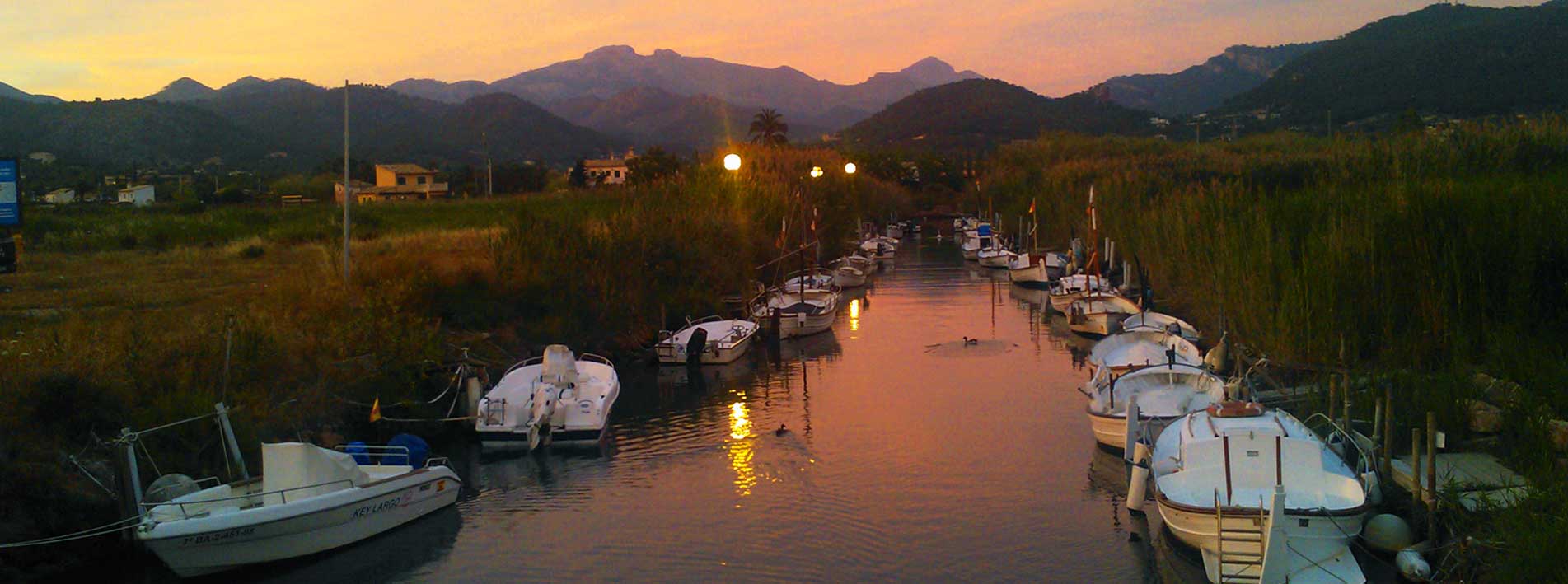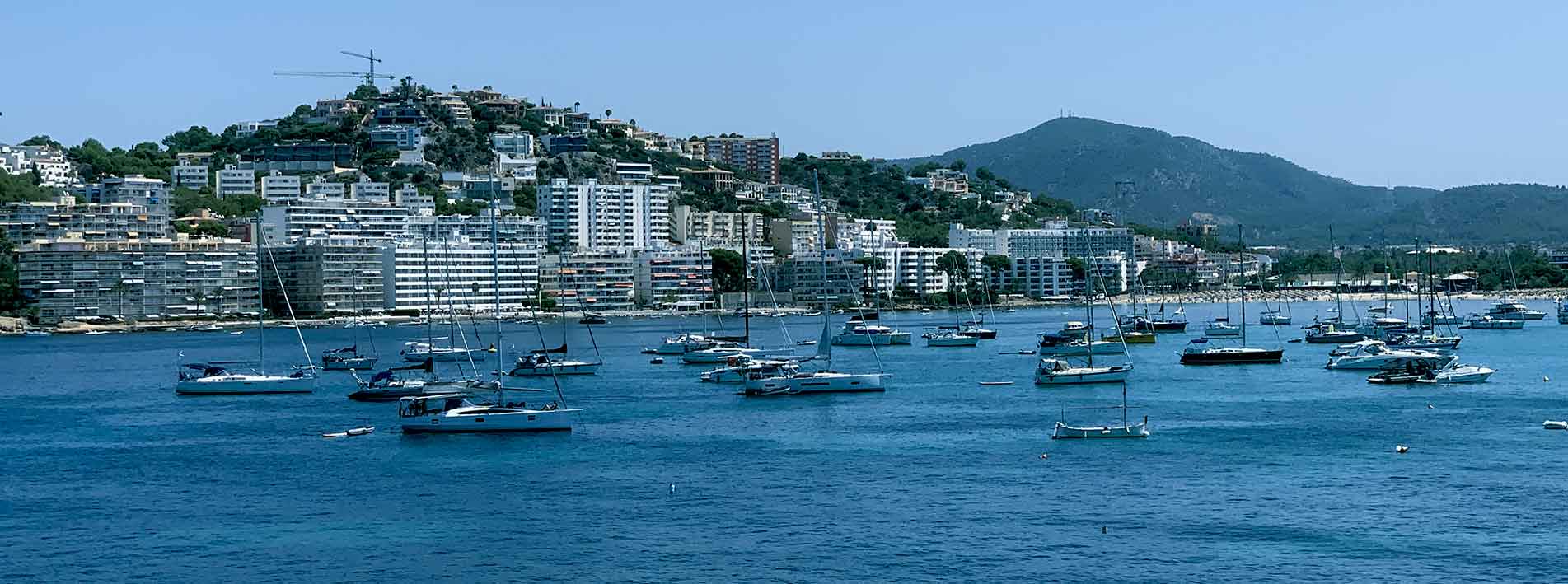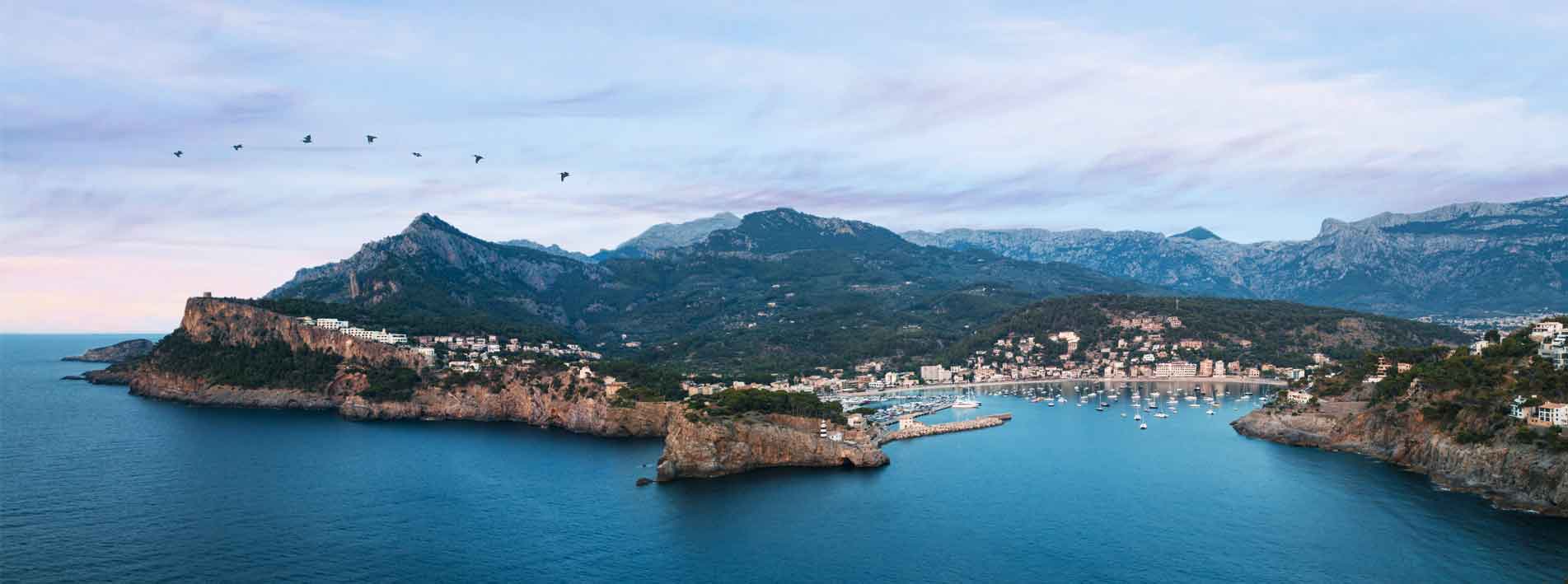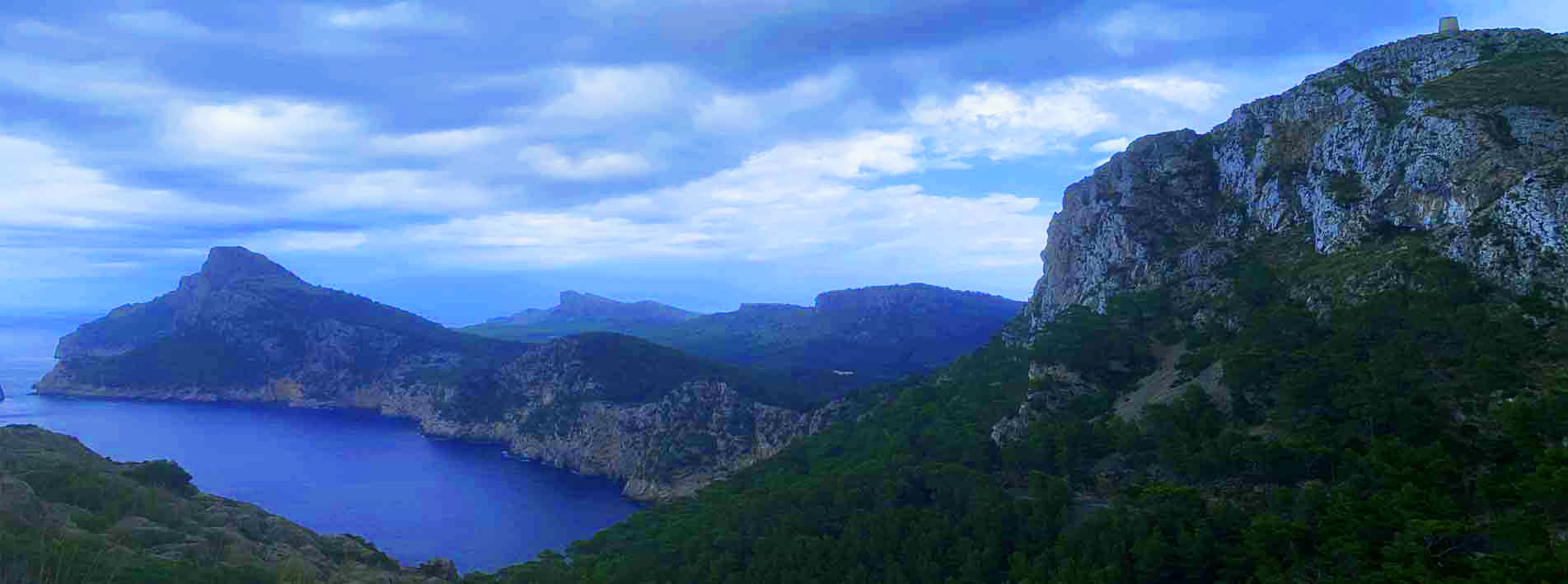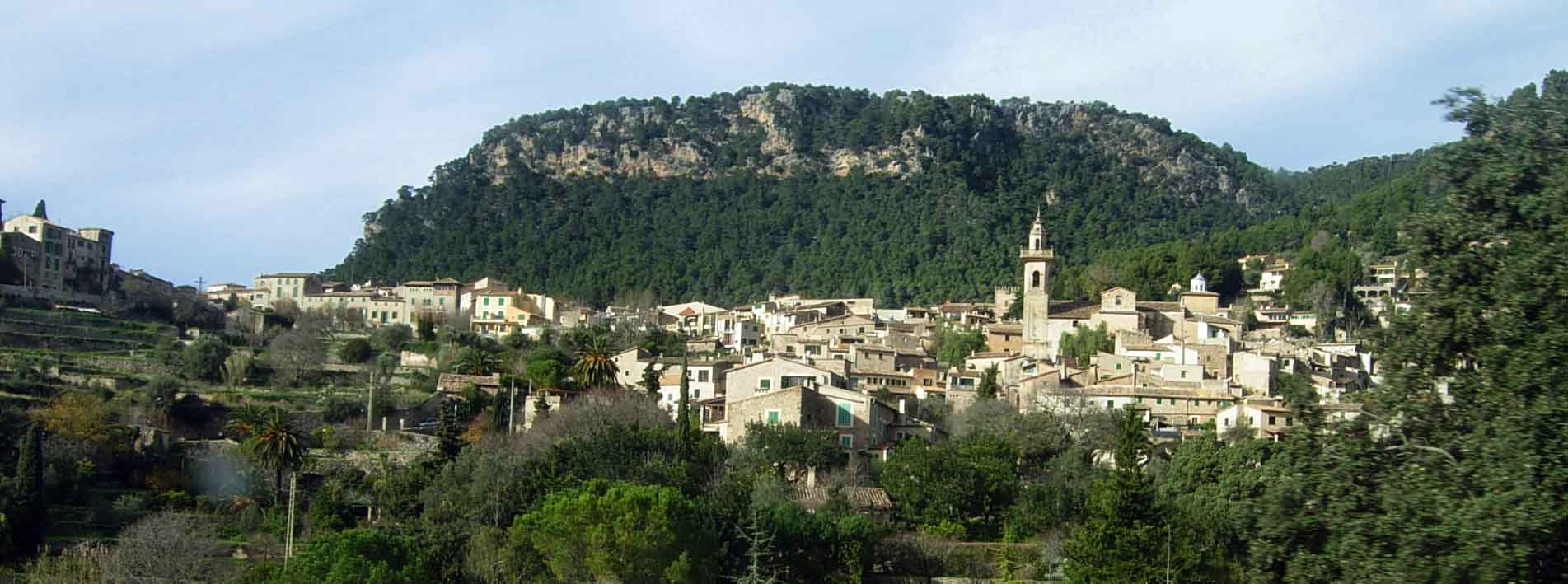
Puerto or Port of Pollença is a town, coastal village and tourist resort in northern Mallorca, located in the bay of the same name in the municipality of the same name. Puerto or Port of Pollença, known for its peaceful, picturesque and family-friendly atmosphere, offers a combination of fine sandy beaches, nearby coves, a lively marina, a famous promenade (“Pine Walk”) lined with pine trees and spectacular views of the Serra de Tramuntana mountains. It is a popular destination among tourists, especially British and Spanish, who seek relaxation and natural beauty and is ideal for water sports and hiking.
Toponymy
The toponymy of Port of Pollença (Port de Pollença) is related to the ancient Roman city of Pollentia, located near present-day Alcúdia, from which the name “Pollença” derives. After the fall of the Roman Empire, the inhabitants moved to the valley we now know as Pollença and later the port was created about 6 km from the coast to avoid pirate attacks. The current name “Port de Pollença” means “port of Pollença,” referring to its location as the port of the municipality of Pollença.
 Main features
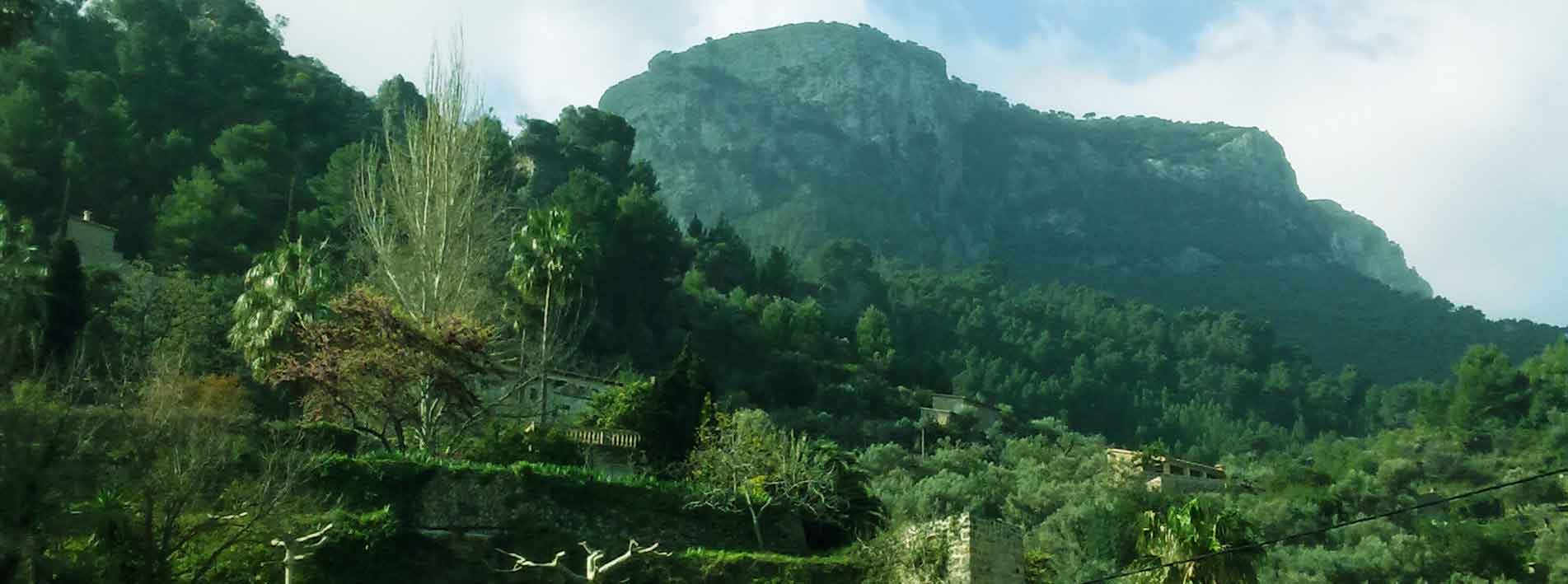
Location and surroundings: It is located in the bay of Pollença, in the north of the island and is surrounded by the Sierra de Tramuntana mountains, offering breathtaking landscapes.
Beaches: There are several beaches, the main one being Port de Pollença, which is shallow and safe for children. There are also Albercutx Beach and the small Platjola Beach.
Promenade: A popular pedestrian promenade for evening strolls, lined with pine trees, restaurants and historic hotels. The “Pine Walk” is a picturesque walk along the sea.
Activities: It is ideal for water sports such as windsurfing and paddle surfing and for land-based activities such as cycling and hiking.
Atmosphere: It offers a quieter, more family-friendly atmosphere than other destinations on the island, attracting mainly British and Spanish tourists of medium-high income who are looking for peace and quiet rather than mass tourism.
Culture and leisure: There is a weekly market on Wednesdays in Plaza Miquel Capllonch and a rich gastronomic offer.
Commerce and services: It has a marina, a weekly market in Plaza Miquel Capllonch on Wednesdays and a good selection of bars and restaurants.
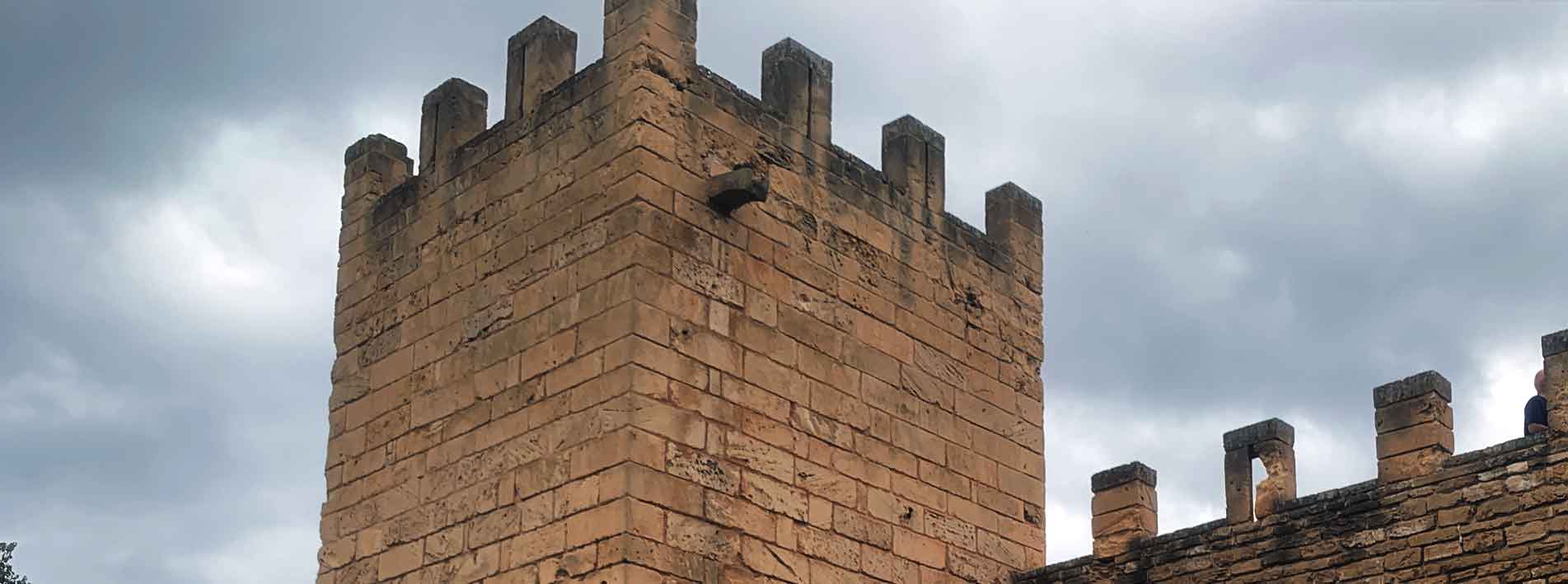
Heritage: The area has archaeological remains (Bocchoris) and historic buildings such as the Fortress of Albercutx, built for defensive purposes.
Routes and circuits: It is a center for water sports, such as sailing and diving and offers hiking trails in the Serra de Tramuntana mountains.
How to get to Port of Pollença
Puerto de Pollensa is located in the north of Mallorca, at the foot of the Sierra de Tramuntana mountains. It is about 60 km from Palma and about 8 km from the town of Pollença. It is mainly accessed via the Ma-13 motorway from Palma, then taking the Ma-2220 or Ma-2200. The options for getting there are by car (the fastest), by public transport (bus from Palma), or by taxi.
 Getting there by car
Getting to Port of Pollença by car from Palma or the airport: Take the Ma-13 motorway towards Inca-Alcúdia. Continue to the end and look for the exit towards Pollença. Follow the signs that take you along the road to Puerto de Pollensa, avoiding the old town of Pollença if you are coming from the airport. The journey takes approximately 45-50 minutes.
 Getting there by bus
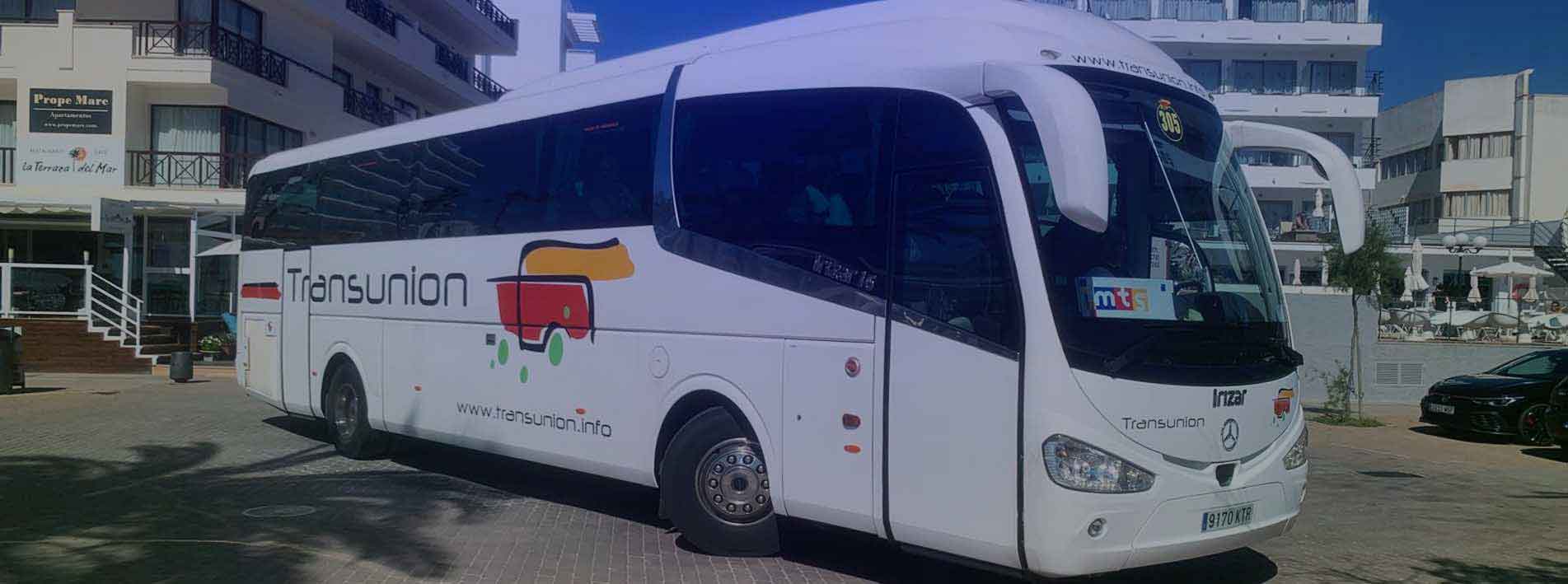
Getting to Port de Pollença by bus from Palma: Take the A1 bus from Palma airport to Palma Intermodal Station. Then take the 301 bus to Puerto de Pollensa. The combined journey takes approximately 55 minutes.
Getting to Port of Pollença by bus from the airport: You can also take a bus from the airport directly to Palma station to change buses.
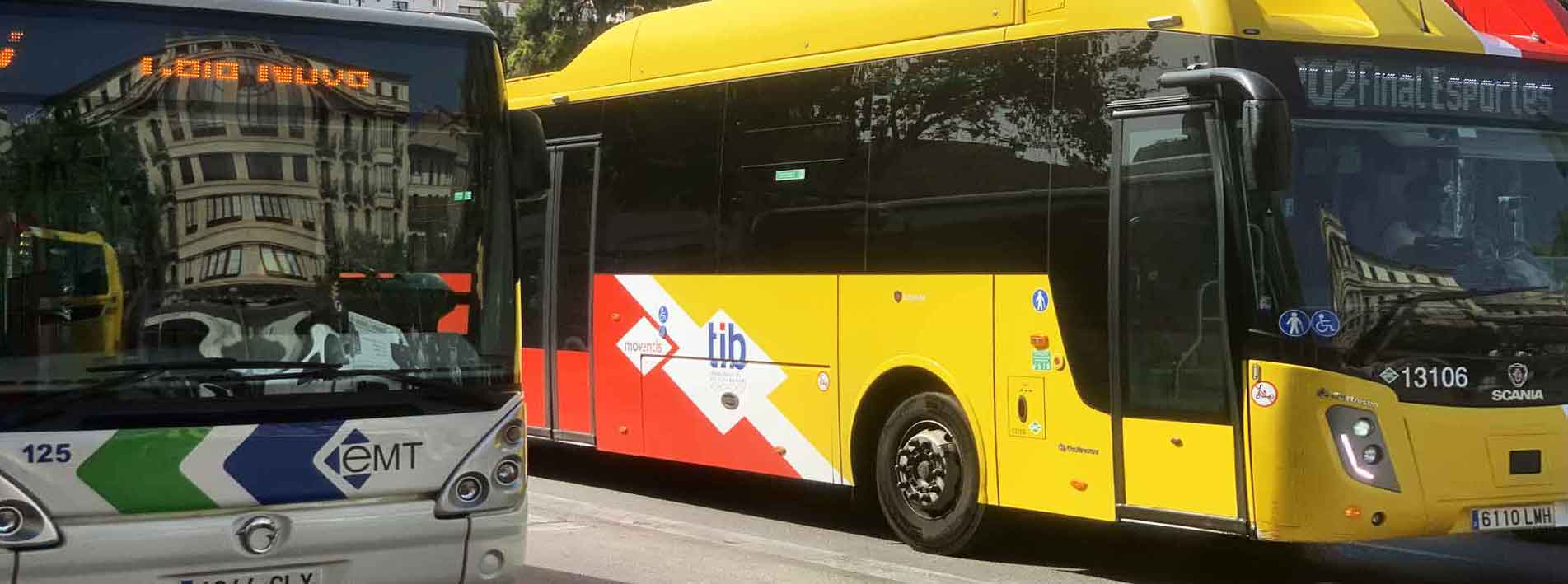
Other services: To get from the town of Pollensa to Port de Pollensa, you can also use the TIB (Balearic Islands Transport) bus line 322.
Main bus routes to Port of Pollença: Line 301: operates daily, connecting Port of Pollença with Palma de Mallorca, passing through towns such as Inca and Sa Pobla. Line 334: operates daily and connects Port of Pollença with Far de Formentor and Port d’Alcúdia. Line 321: runs to Port of Pollença from Cala de Sant Vicenç.
Other destinations: From Alcúdia: Route 322, duration approximately 10-23 minutes, frequency every 20-30 minutes, departure station in Alcudia Ses Forques 2 or Centre històric, arrives at Port of Pollença center station. From Inca: main line 301, duration approximately 42 minutes, frequency every hour, departure station in Inca Sant Joan de Déu 2. From Sa Pobla: line 301, duration approximately 25 minutes, departure stop Sa Pobla station (Ronda nord 2), destination stop Port of Pollença center. From Can Picafort: line 324 (Platja de Can Picafort stop) to Port d’Alcúdia; once in Port d’Alcúdia, transfer to line 322, which will take you directly to Puerto of Pollença. Approximate total duration: 55 minutes. Approximate cost: €4–€5.
Additional considerations: You can buy your ticket directly from the driver on board the bus, but it is important to note that only cash tickets up to €10 are accepted. Another option is to purchase a prepaid card in advance at authorized points of sale. Payment can also be made directly with a contactless bank card and up to five people can travel with the same card, benefiting from discounts per user. In this case, it is essential to validate your card both when boarding and alighting from the bus so that the system can calculate the cost of the journey correctly. Please note that some lines are express and do not make all stops. To plan your trip, we recommend checking the timetables on the TIB (Transport de les Illes Balears) website.
Getting there by taxi
You can also get by taxi to Port of Pollença if you are looking for a faster option. A taxi from Palma airport to Port of Pollença costs approximately 71-95 euros and usually takes around 50-60 minutes, depending on traffic. The time and price may vary depending on the route, time of day and taxi company, as there may be a slight increase due to the meter or supplements, so it is always advisable to check directly with the provider beforehand.
Car rental: This is a highly recommended option for greater freedom of movement on the island.
 Historical summary of Port of Pollença
Port de Pollença evolved from a small fishing village into a tourist center in the early 20th century, after having been used as a natural refuge since ancient times by the Phoenicians, Carthaginians and Romans. Today, the port has lost its purely military and fishing character to become a tourist area with a great cultural and artistic atmosphere.
Historical evolution of Port of Pollença
Ancient times: The bay was used as a refuge by various civilizations due to its natural protection. The Romans founded the city of Pollentia nearby and at one time there was also a pre-Roman settlement on the site of the current port.
16th century: During this period, the Fortress of Albercutx was built to protect against pirate attacks and was used for defensive purposes until the 19th century.
19th century: Fishing was the main activity, but the low population and fear of pirates kept the area sparsely populated. The first pier was not built until 1829 and the port was not established as a customs post until 1865, which led to limited population growth.
Early 20th century: Puerto de Pollensa was a small fishing village that began to transform with the arrival of the first tourists and artists, which led to the construction of tourist facilities and consolidated its current character.
Civil War: The bay became a strategic location with the creation of a seaplane base in 1935. The port was fundamental to the military operations of Italian and Spanish aviators, consolidating its historical importance.
Culture and art: Throughout the 20th century, the port established itself as an artistic destination, attracting numerous painters and writers who have contributed to its cultural renown.
 What to see and do in Port of Pollença
Attractions near Port de Pollensa include the Formentor peninsula (with its coves and viewpoints), the historic village of Pollença (with the Calvario and the Roman Bridge) and the nearby beaches and coves, such as Cala Sant Vicenç and Playa de Muro. Water activities and the promenade are also popular.
Points of interest
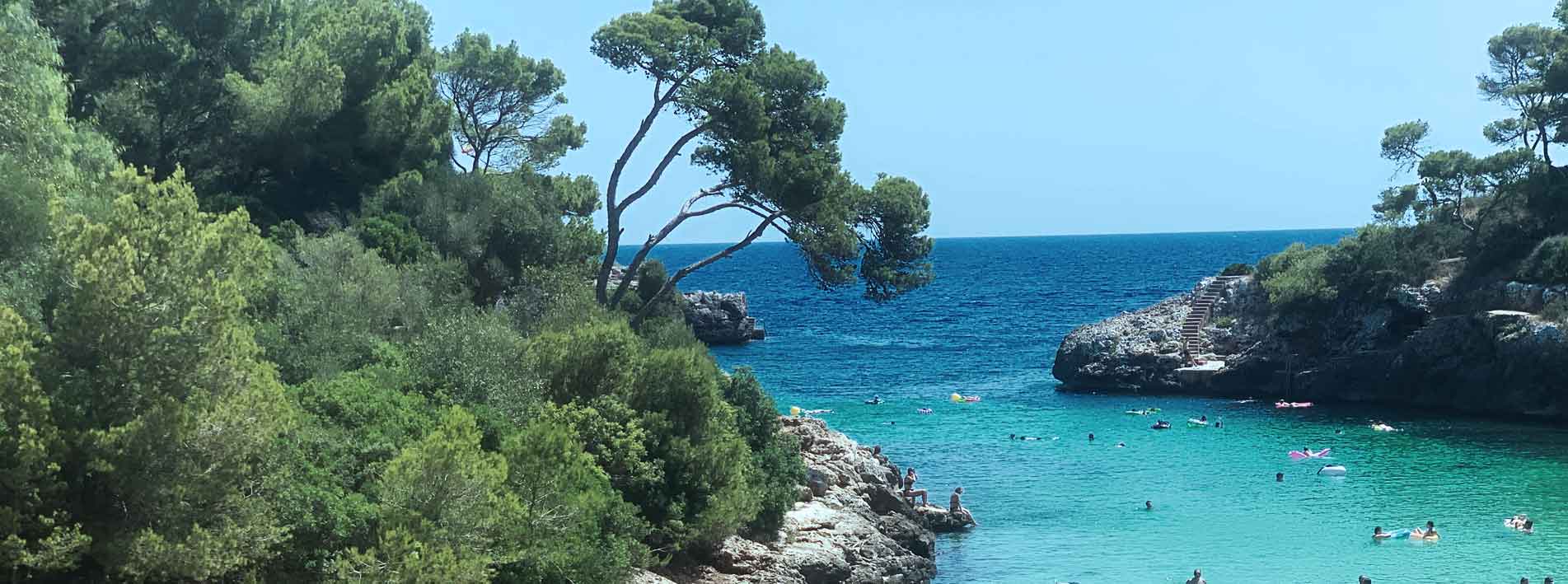
Beaches: Port of Pollença Beach, also known as Platja de Llenaire, is a white sand beach in the north of Mallorca, ideal for families due to its gentle waves and shallow waters. It offers lifeguard services and sunbed rental, as well as facilities for water sports. The promenade that runs alongside it is lined with restaurants and bars and the area is quiet, although it gets quite busy in high season. Port of Pollença Beach, Llenaire and Albercutx are the main urban beaches. In the surrounding area, there are more natural coves and beaches such as Cala Murta, Cala Figuera, Cala Sant Vicenç and Formentor Beach.
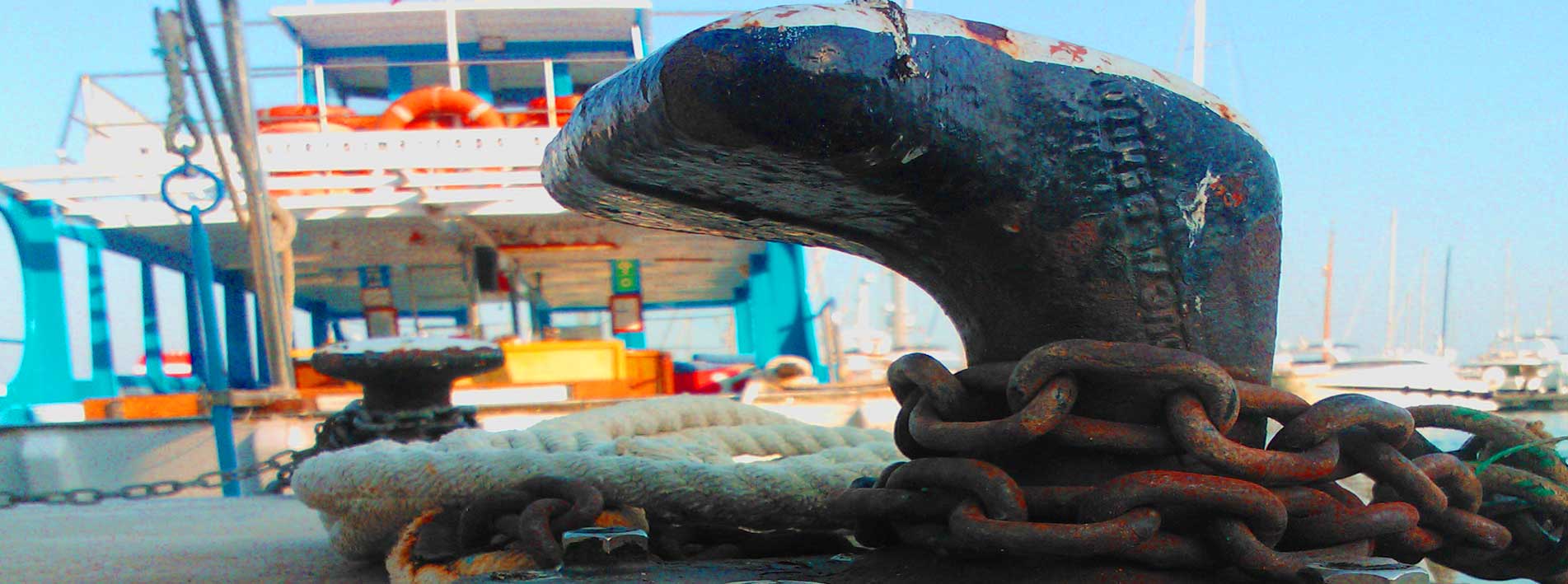
The pier: Known by locals as “eu moll,” where recreational boats mix with traditional fishing boats. Here you will find the fish market, where the daily catch is auctioned.
Plaza Miquel Capllonch: this is the main pedestrian square in Port of Pollença, a central location with bars and restaurants. It is named after the composer and pianist Miquel Capllonch (1861-1935) and is located next to the Parish Church of the Virgin of Carmen, patron saint of sailors. It is the heart of the port, where the Wednesday market is held.
Marina: A leisure area with restaurants, bars and activities. It is popular both for its peaceful, family-friendly atmosphere, ideal for sailing and for its tourist appeal with a promenade, restaurants and shops. Historically, it has been a refuge for sailors and in the 20th century, it became a military and seaplane center and later a tourist destination.
Parròquia De La Mare De Déu Del Carme: Parish church in Miquel Capllonch Square.
Visit to the village of Pollensa: A few kilometers away, it offers historical monuments such as the Calvari and the Roman Bridge, among others.
 Heritage
The Fortress of Albercutx: also known as La Fortalesa, it is an ancient military fortification built in the 17th century at Punta de l’Avançada, in Port of Pollença, Mallorca. It originally served to defend the bay from pirate attacks, but today it is a luxury private property that is not accessible to the public. At the beginning of the 20th century, it was a residence for artists and in 2022 it was acquired by a private individual.
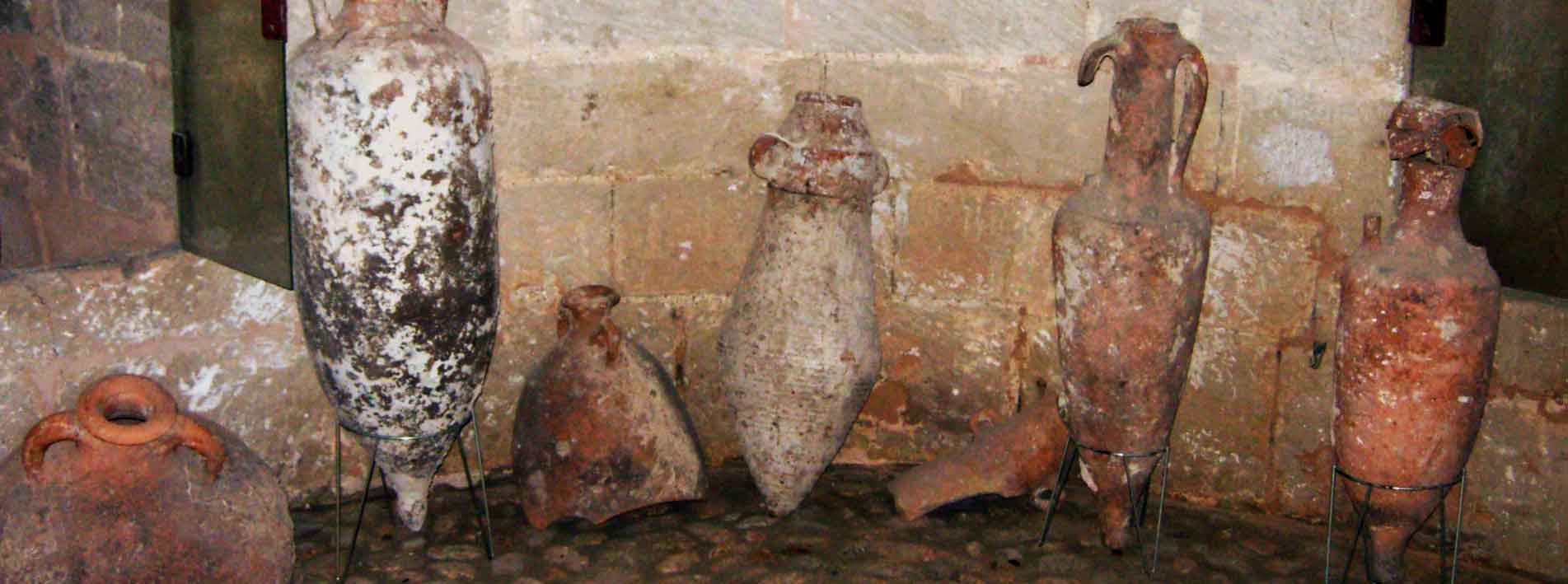
Archaeological remains: In Port of Pollença, the most notable archaeological remains are those of the El Pedret de Bóquer site, declared a Site of Cultural Interest, located on land behind the town center. Also near Port of Pollença, in Cala San Vicente, there are talayots in a coastal setting with crystal-clear waters. To see the most important Roman site in Mallorca, the ancient city of Pollentia, you must head to the nearby town of Alcúdia.
Nature
S’Albufereta Nature Reserve: S’Albufereta, near Port of Pollença, is a nature reserve and wetland area that stands out for its great ornithological and botanical value, being a crucial refuge for migratory birds. It is easily accessible by public transport, private vehicle, or bicycle and is an ideal place for hiking and enjoying nature.
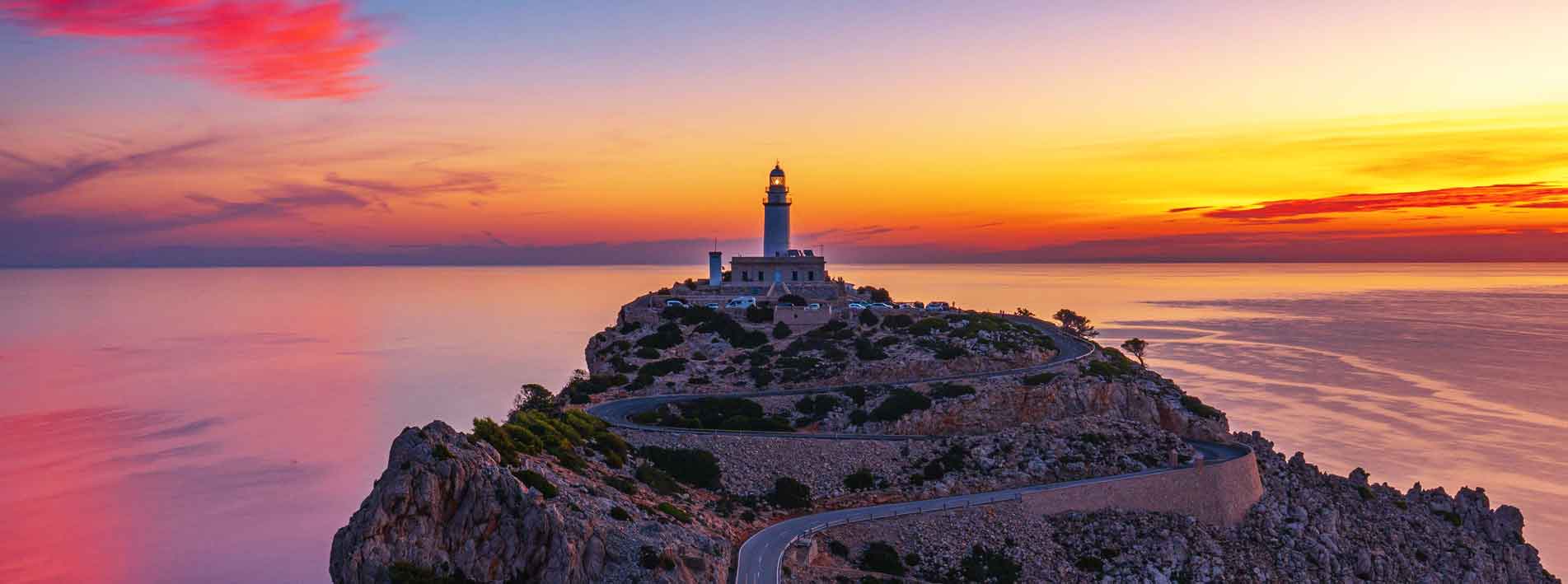
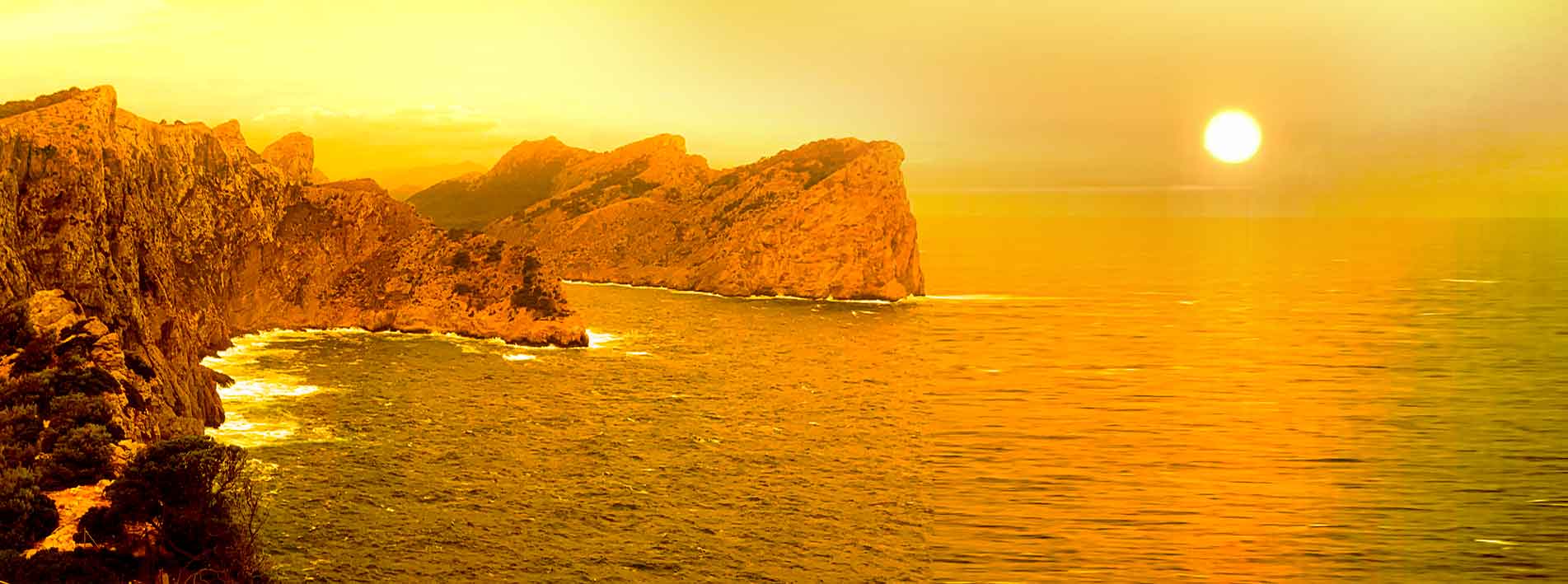
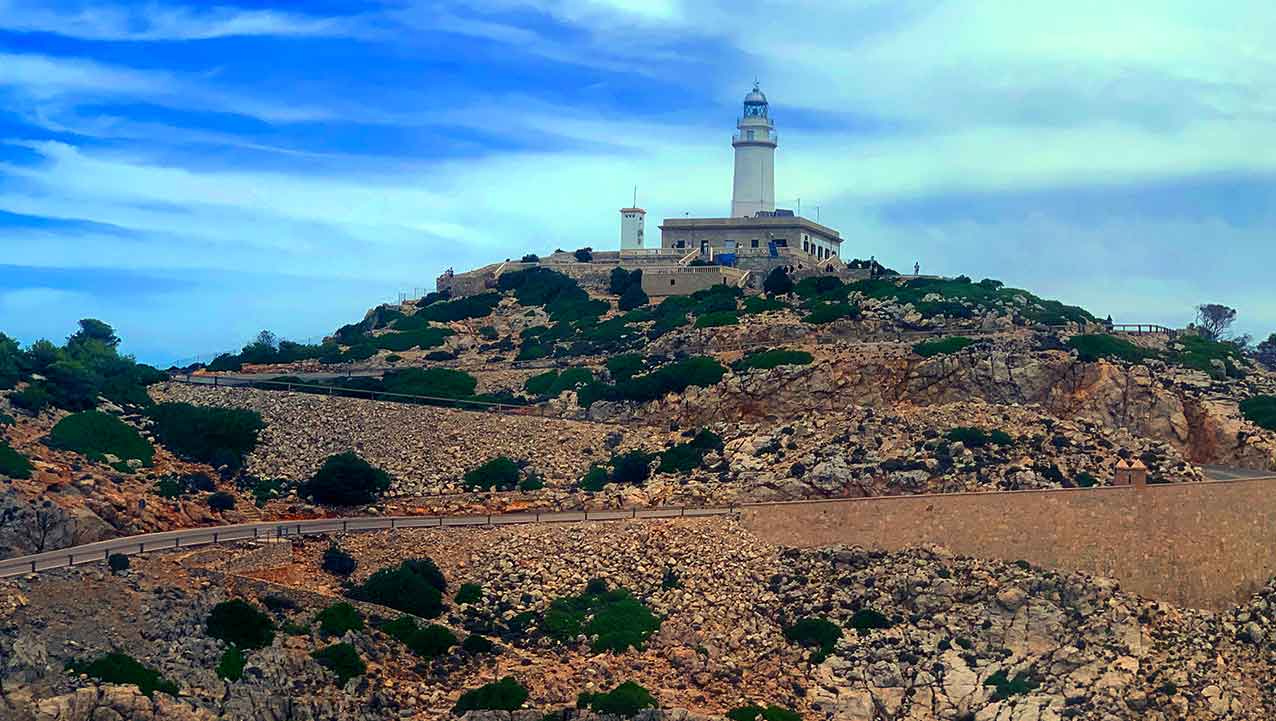
Sa Creueta Viewpoint: The Sa Creueta Viewpoint (also known as Es Colomer Viewpoint) is a natural viewpoint located on the Formentor peninsula, near Port of Pollença, at an altitude of over 200 meters. It offers breathtaking panoramic views of the Mediterranean, the Sierra de Tramuntana mountains, the islet of Colomer and the Formentor lighthouse. It is a popular stopping point on the road to the lighthouse and is ideal for watching the sunset.
Paseo del Pino (Pine Walk): A scenic walk ideal for strolling and enjoying the view of the pine trees and the sea.
Formentor: The lighthouse and beach at Formentor are very popular destinations that you shouldn’t miss on your visit to Pollença.
Cape Formentor: A must-see for its spectacular landscapes. The Formentor Lighthouse is an iconic spot at the end of the peninsula.
Cala Sant Vicenç: A group of coves with crystal-clear waters, such as Cala Molins, Cala Barques and Cala Carbo.
Vall de Boquer: A hiking trail with beautiful views.
Sports
Water sports: Port of Pollença is a hub for water sports. It has sailing and diving schools and its marina is an important starting point for boat trips. You can also go kayaking or paddle surfing.
Cycling: Cycling in Port de Pollensa offers a variety of routes, from coastal rides to mountain challenges such as the route to Sa Calobra or the Formentor Lighthouse. You can find routes that combine nature, culture and heritage, such as the “Biodiversity Routes,” which pass through iconic locations. In addition, the area is a training center for triathletes, with adapted infrastructure.
Hiking: Port of Pollença offers a variety of routes for different levels, from coastal walks to more demanding climbs. Some popular options are the walk to Cala Bóquer (ideal for a day at the beach), the linear route connecting Port of Pollença with the old town of Pollença (part of the GR221), or the more adrenaline-fueled route through Talaia Vella. You can also explore trails that skirt the sea or go cycling in the surrounding area.
Hotels and accommodation in Port de Pollença
Port de Pollença is a quiet, family-friendly tourist destination, known for its relaxed atmosphere and beautiful scenery, which attracts tourists looking to combine relaxation with a variety of leisure activities. The area offers a wide range of accommodation, including hotels, vacation apartments and aparthotels and is ideal for enjoying outdoor activities such as water sports, hiking and cycling. Among its main attractions are its coves and beaches, the picturesque Pine Walk promenade, the marina and its proximity to the Sierra de Tramuntana mountains.
 Gastronomy in Port de Pollença
The gastronomy of Port de Pollença is based on Mediterranean cuisine and typical Mallorcan cuisine (Pa amb oli, sobrasada, Mallorcan snails, panades, etc.). Port de Pollença has a wide range of options, from fresh seafood and rice dishes to international and fusion cuisine. You can find everything from high-quality seafood restaurants to more cozy spots in the town center, as well as a local bakery that stands out with dishes such as ensaimada and gató.
 Port de Pollença in 1, 2 or 3 days
Port de Pollença in one day focuses on the promenade: the Pine Walk, the town beach and a meal in Plaza Miquel Capllonch. In the afternoon you can head up to the Sa Creueta viewpoint for sunset or go to Cala Sant Vicenç if you’re after a smaller cove.
Port de Pollença in two days lets you add the village and the peninsula. On the second day you can visit Pollença village (Calvari, Roman Bridge) and, if the weather allows, take a short trip to Formentor or Formentor beach. It’s a good rhythm if you’re travelling as a couple or with children.
Port de Pollença in three days gives you room to combine port, village and nature. One day for the port and the Pine Walk, another for Pollença village and a short hike (Cala Bóquer or Vall de Boquer), and another for Formentor or Alcúdia. It’s ideal if you want to alternate beach, strolling and outings without changing accommodation.
 What to see near Port de Pollença
Ordered from nearest to furthest, these are the easy getaways from Port de Pollença:
Pollença village (about 10-15 minutes): old town, Calvari and Roman Bridge. A good stop to see the non-coastal side of the municipality.
Cala Sant Vicenç (about 10-15 minutes): a group of coves with crystal-clear waters, comfortable for a quiet beach morning.
Alcúdia (about 20-25 minutes): walled old town and a lively port. Useful for combining culture and strolling.
Playa de Muro (about 20-25 minutes): long, family-friendly beach, a good option if you’re after wide sand and services.
Formentor (about 20-30 minutes): lighthouse, beach and viewpoints. It’s best to go early or outside peak hours due to car access.
Can Picafort (about 30-35 minutes): coastal centre with a promenade and services, useful if you want a change of scene.
If you want to go further, Palma is about 45-50 minutes by car, and the Serra de Tramuntana offers hiking routes and charming villages within an hour.
 Port de Pollença without a car: what you can do on foot
The port is compact and flat, so it’s easy to explore on foot: Pine Walk, promenade, town beach, Plaza Miquel Capllonch and the pier area. On foot you can easily cover the port’s day-to-day life and the beach.
For Pollença village, line 322 connects the port with the town centre, and for Alcúdia or Can Picafort there are connections with a transfer. For Formentor, the most practical option is car or an organised excursion, as the bus has limited hours.
If you want to get around without a car, stay in the port and use the bus for short outings. For Cala Sant Vicenç or Formentor, consider taxi or an excursion if you don’t want to depend on timetables.
 Port de Pollença for families
Port de Pollença is one of the most comfortable destinations in the north for families: shallow, safe beach for children, flat promenade and a quiet atmosphere. The Pine Walk is pushchair-friendly and lets you stroll by the sea without traffic.
With children, these usually work well: the town beach and promenade, a short trip to Cala Sant Vicenç and a visit to Pollença village to climb the Calvari. On hotter days, it’s best to keep the beach for early morning and leave visits for mid-afternoon.
If you’re looking for more peace, Cala Sant Vicenç or the Llenaire area can be a good alternative base, with a more family-friendly atmosphere and similar services just a few minutes away.
 Curious facts and insider tips about Port de Pollença
The Pine Walk wasn’t always a promenade. The pine area that now borders the sea became an urban promenade with the arrival of tourism in the 20th century, and today it is one of the most recognisable seafront walks in northern Mallorca.
A port with a military and aviation past. Beyond fishing, the bay played a strategic role in the 20th century, with a seaplane base and military presence. That explains part of its layout and recent history.
A reference point for cyclists. The area is a regular base for cyclists and triathletes, especially for the routes to Formentor and Sa Calobra. In season, it’s common to see groups training early in the morning.
Insider tip: in high season, parking near the Pine Walk fills up and promenade restaurants book up in advance. If you’re coming for lunch, book or arrive early; if you’re just strolling, early morning or sunset is best.
Another practical note: car access to Formentor may have restrictions or checks in high season. If your plan is to go to the lighthouse or Formentor beach, check beforehand and consider going early or with an organised excursion.
 Frequently asked questions about Port de Pollença
Where to park in Port de Pollença? There is parking in the port area and near the beach, but it fills up in high season. If you’re staying in the centre, the easiest thing is to walk and use the car only for excursions.
Is it better to stay in the port or in Pollença village? The port is livelier and coastal, with a promenade and beach; the village is quieter with a local atmosphere. The choice depends on whether you prioritise beach and strolling or a more village-like pace.
Is there a party scene in Port de Pollença? It’s not an intense party destination. The atmosphere is quiet and family-friendly, with bars and restaurants, but without big clubs. It’s more about dinners and strolls than mass nightlife.
When is the best time to go to Port de Pollença? From May to October there are full services and good weather. July and August are the busiest months; May, June and September usually offer the best combination of good weather and fewer people.
Do you need a car to visit Port de Pollença? For the port and promenade, no. For Pollença village, Formentor, Cala Sant Vicenç or Alcúdia, it is recommended. You can also combine bus and taxi for short outings.
Can you drink tap water in Mallorca? In general, the mains water is potable, although the taste may vary. Many visitors choose bottled water for drinking, but for cooking and washing it is suitable.
And that’s it for this brief guide to Port of Pollença, in Mallorca. We hope it helps.
By the way: Are you coming to Mallorca on a tourist trip? If you find it helpful, you can also check out our travel guide to Mallorca and more tourist information about the island