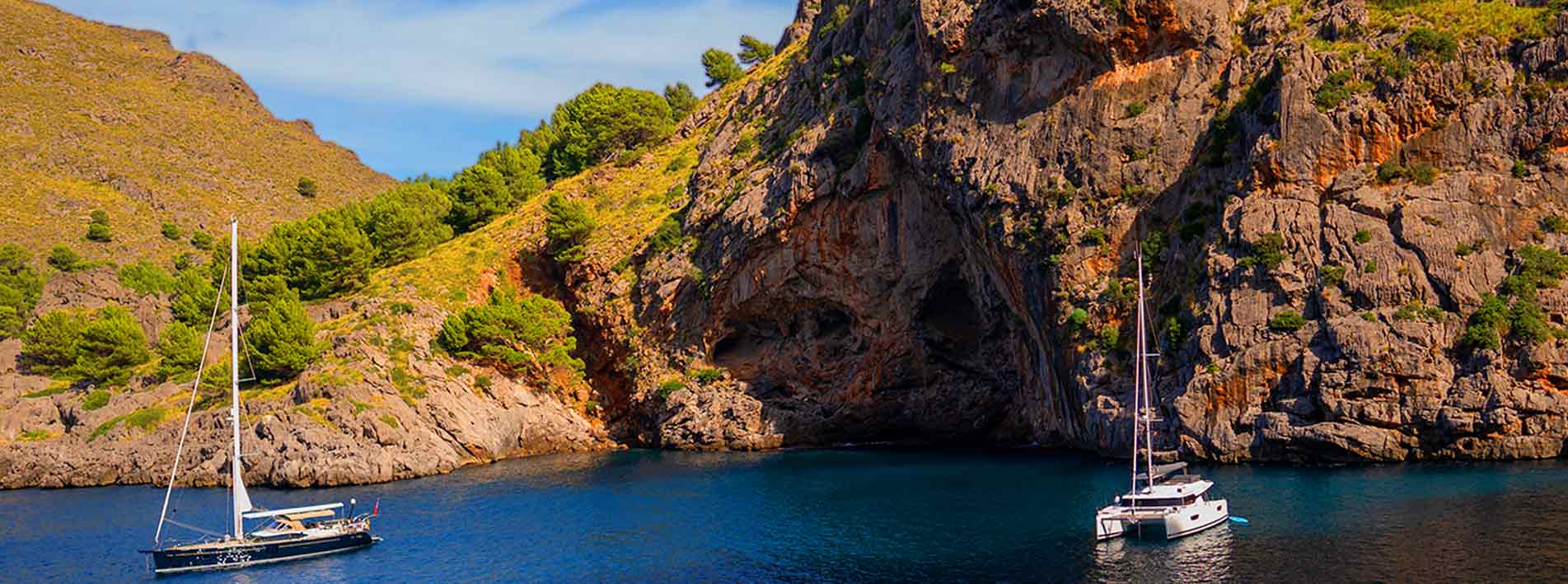
The west of Mallorca is one of the most authentic and spectacular faces of the island. While the south and east concentrate much of the mass tourism, the western area of Mallorca offers an almost perfect balance between mountains, sea and stone villages. The west coast of Mallorca, dominated by the Serra de Tramuntana (UNESCO World Heritage Site since 2011), combines dramatic cliffs, hidden coves, centuries-old terraces and villages with their own strong character.
In this guide you will discover the main characteristics of the west of Mallorca, the best villages of west of Mallorca, the most beautiful coves on the west coast of Mallorca, and practical tips to enjoy this region at a relaxed pace. If you are looking for the most natural, photogenic and least crowded side of Mallorca, the west of Mallorca is your destination.
Characteristics of The West of Mallorca
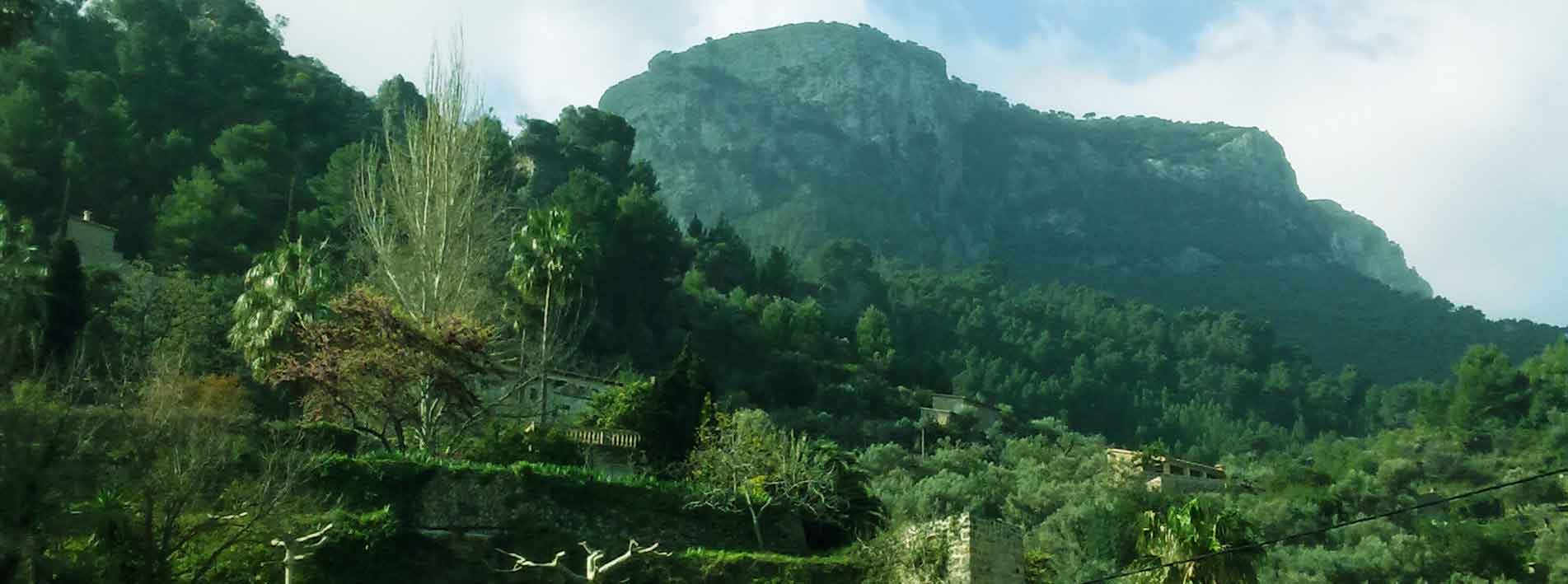
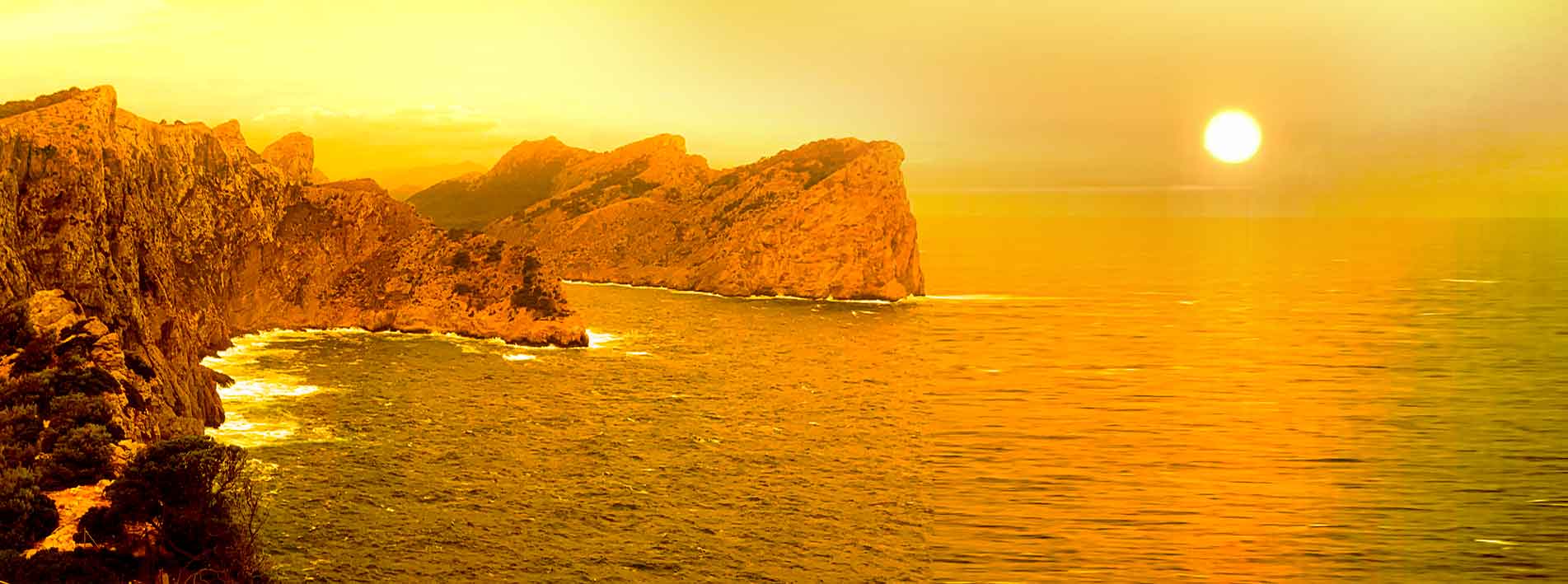
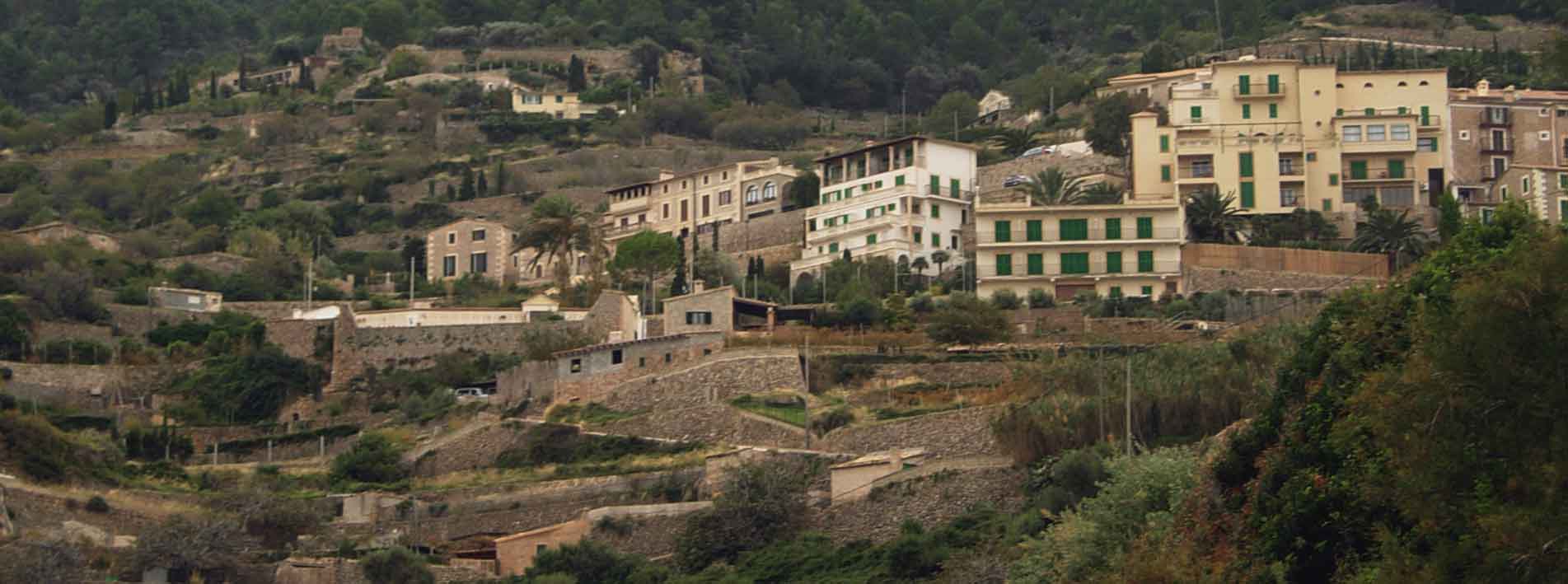
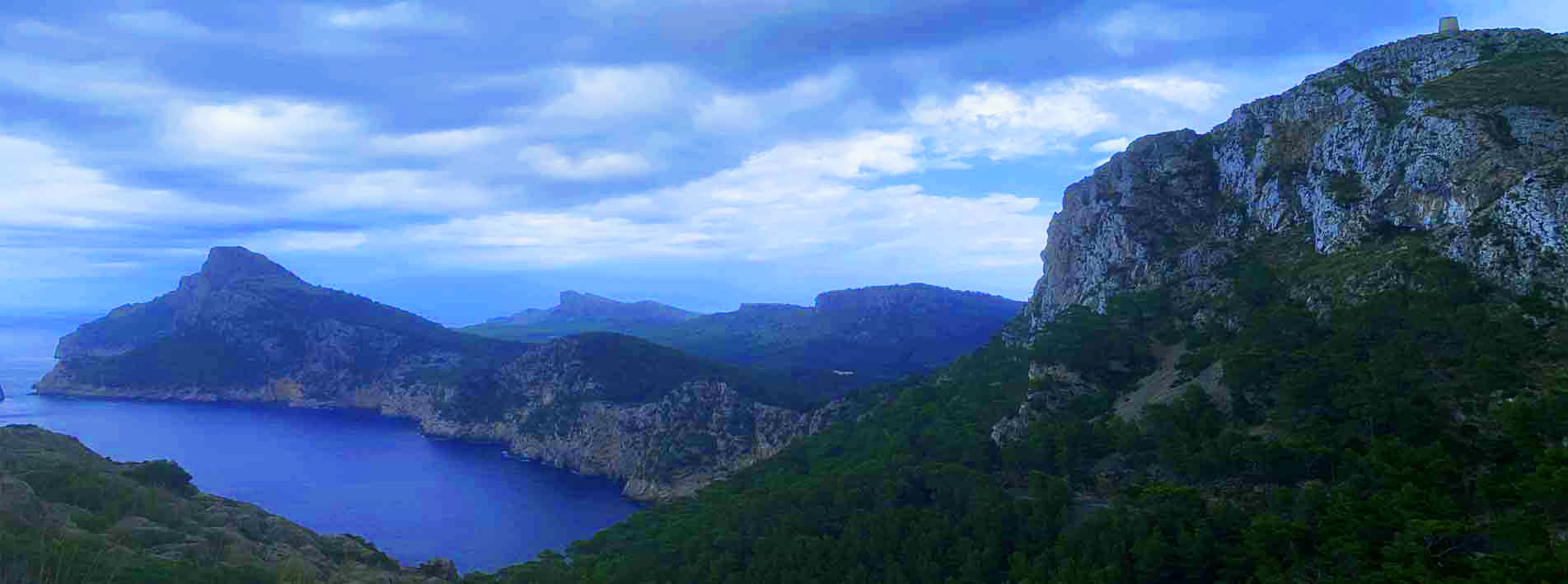
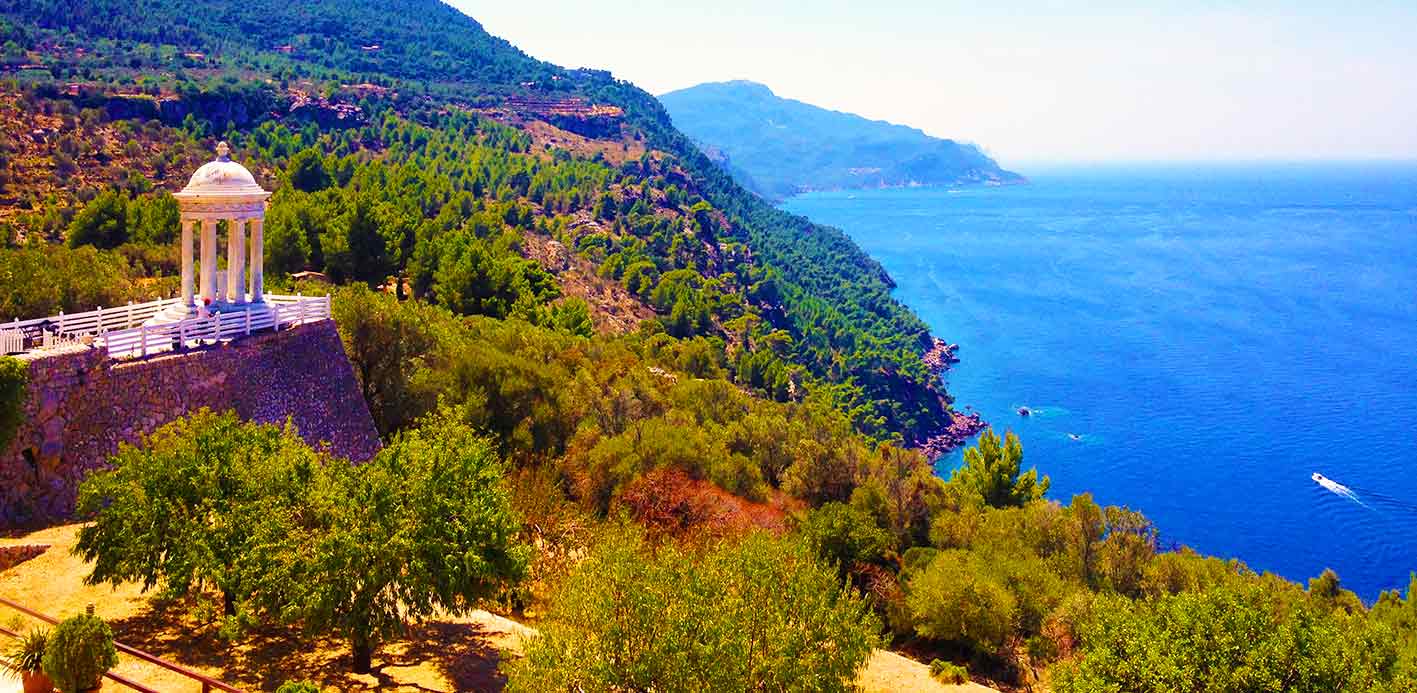
The characteristics of the west of Mallorca can be summed up in three words: verticality, authenticity and contrast. The Serra de Tramuntana drops almost vertically into the Mediterranean, creating a landscape of cliffs, deep valleys and agricultural terraces (marjades) that cascade down to the sea.
Unlike the east coast or the south, the western area of Mallorca has few fine sandy beaches and many stone or pebble coves. The climate is slightly cooler and more humid than the rest of the island thanks to the orientation of the mountain range, which favours denser vegetation: ancient olive trees, almond trees, pines and, in the valleys, orange and lemon trees.
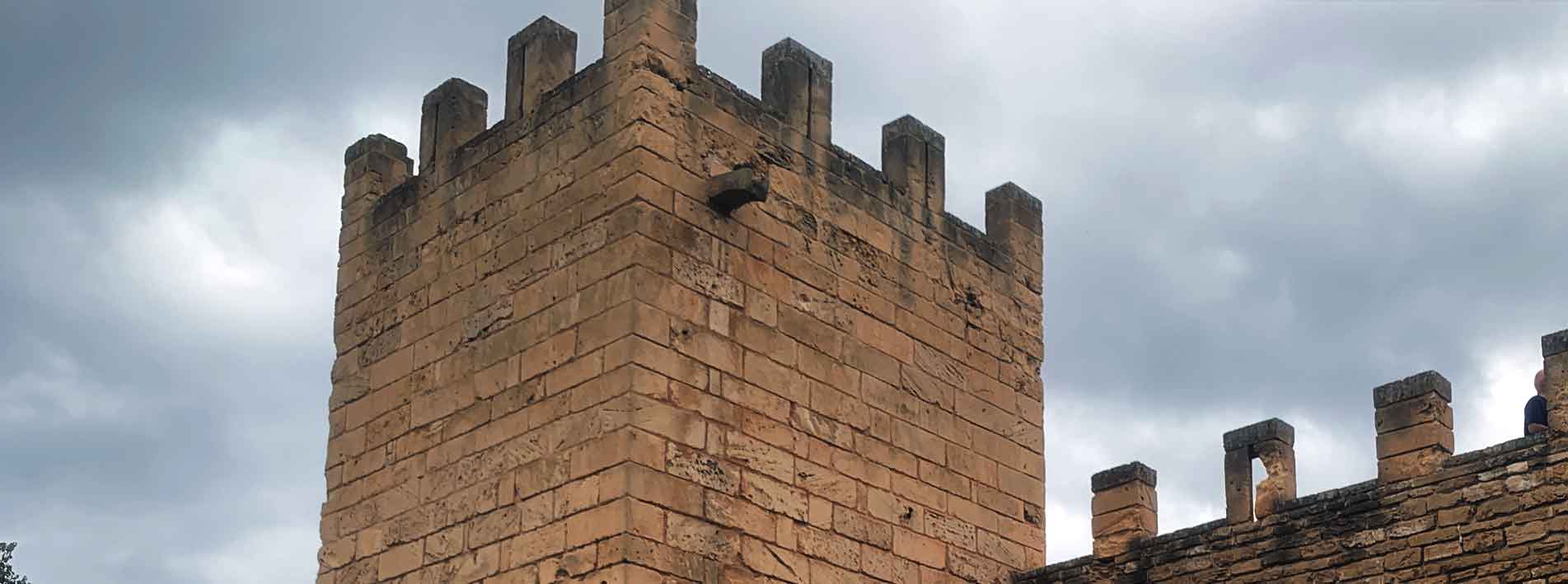
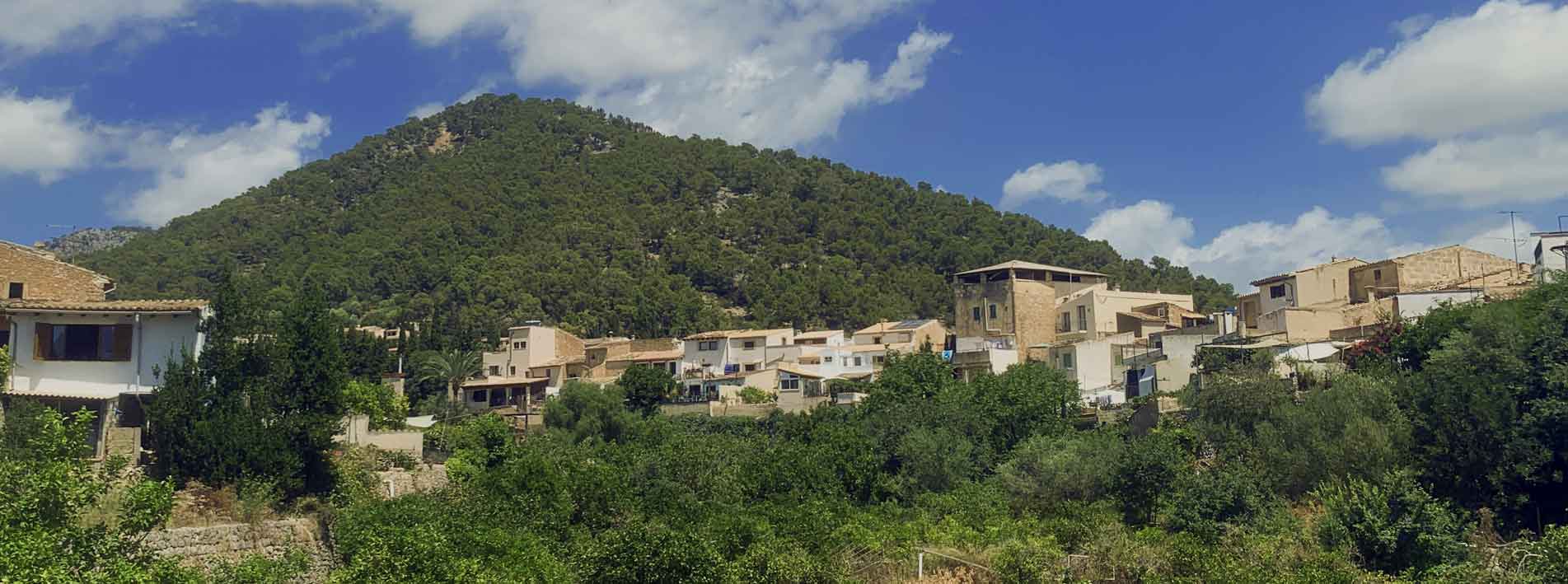
Another of the great characteristics of west of Mallorca is its cultural heritage. Watchtowers built against pirates (tales), Arab irrigation systems and mountain urban planning that has changed little over the centuries are still preserved here. Population density is low, tourism is higher quality, and the pace of life remains rural in many villages.
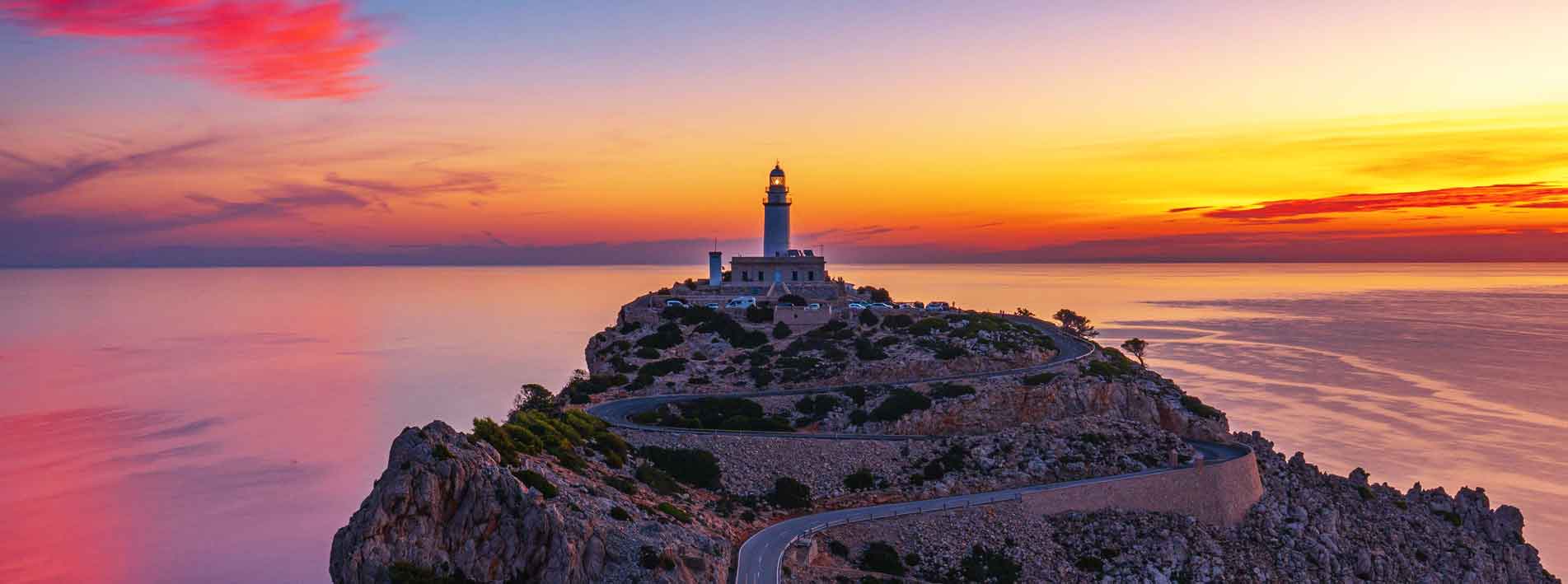
The MA-10 road, which runs almost the entire length of the west coast of Mallorca, is one of the most beautiful scenic routes in Europe. Tight bends, viewpoints and constant changes of landscape turn the simple act of driving into an experience in itself.

The West Coast of Mallorca: Between Cliffs and Coves
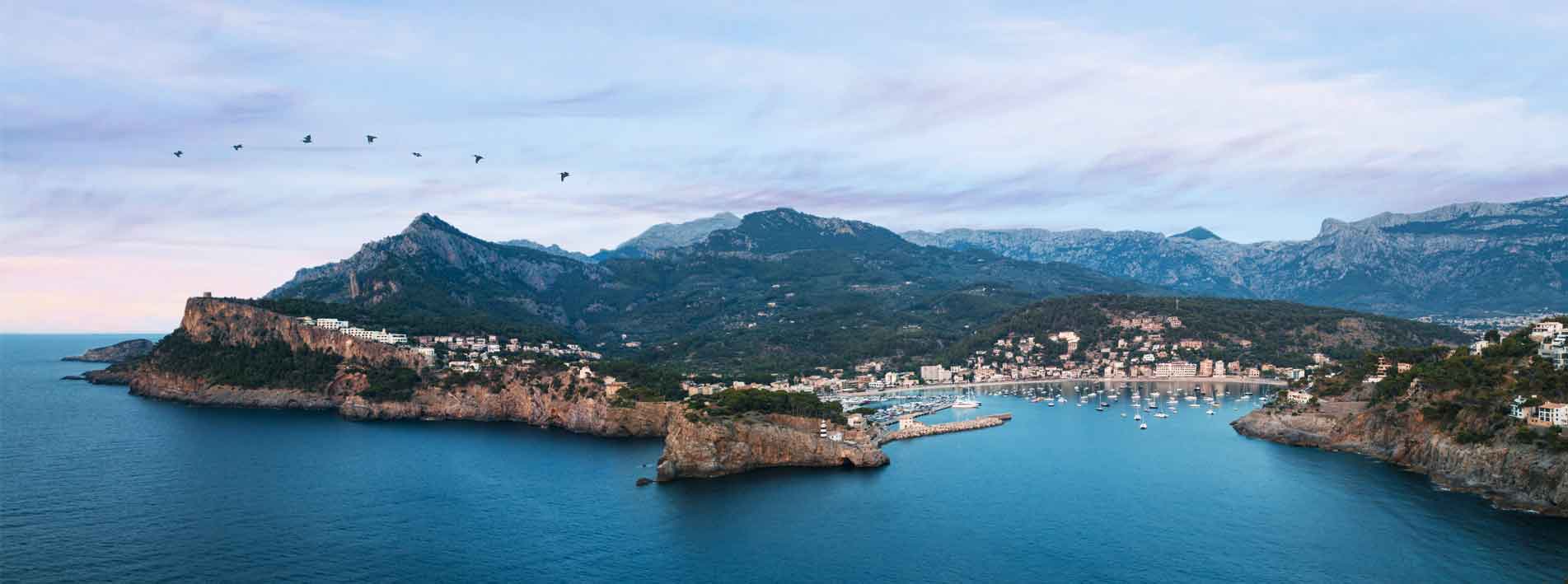
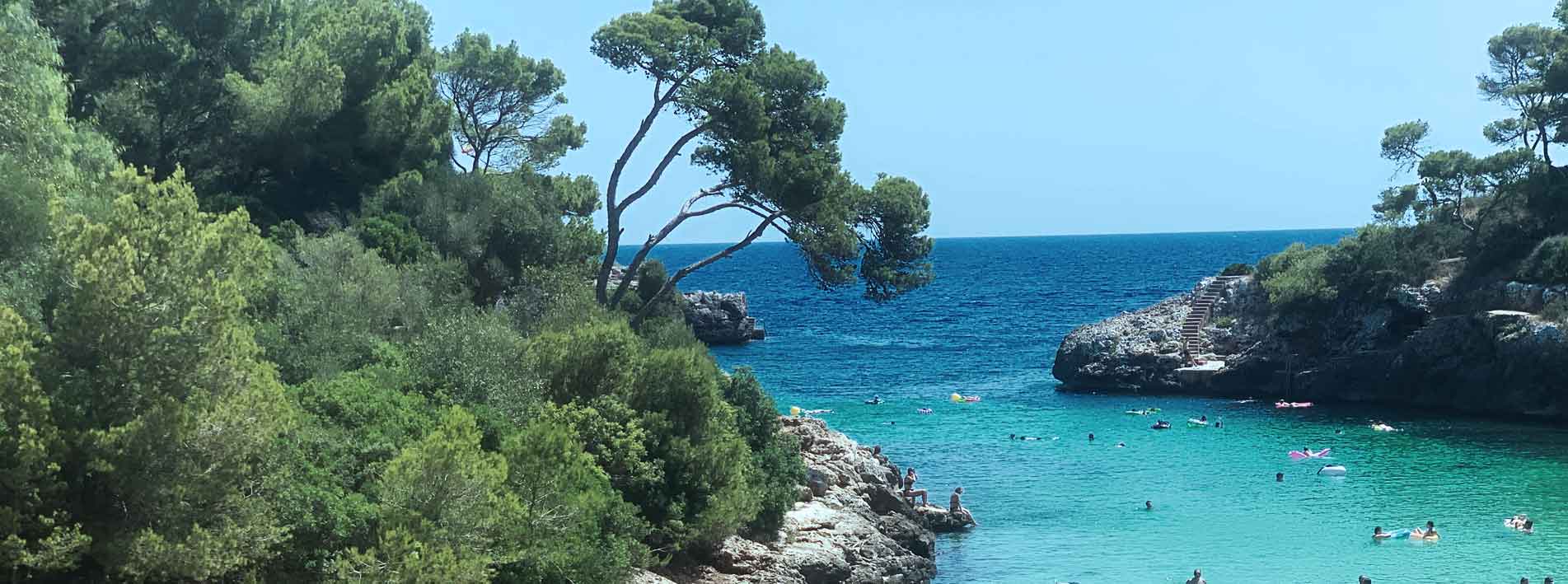
The west coast of Mallorca stretches from the south-western tip at Sant Elm and Port of Andratx to beyond Port of Sóller, also including the areas of Valldemossa and Deià. It is one of the most spectacular and least altered stretches of coastline on the island. Unlike the wide sandy beaches of the south or east, here vertical cliffs of the Serra de Tramuntana, pebble or stone coves, small fishing harbours and closed bays between limestone walls dominate. The water is usually an intense, transparent blue, ideal for snorkelling, and although the better-known coves receive visitors in summer, they rarely reach the levels of overcrowding found in Magaluf or Alcúdia.
This coast is not just landscape: it is a living ecosystem. The western area of Mallorca is home to one of the highest concentrations of biodiversity in the Balearic Islands thanks to the Serra de Tramuntana. Notable flora includes holm-oak woods (alzinars) and cork-oak forests, Aleppo pines, rosemary, lavender, thyme, rockroses and several species of endemic orchids and ferns. There are plants exclusive to the island, such as Hippocrepis balearica (penyal violet), and others adapted to poor soils and wind exposure. In the higher areas, relict species from cooler climates appear, such as the yew.
The fauna is equally valuable. In the skies you can observe the black vulture (one of the largest colonies in Europe), the osprey, the booted eagle, Eleonora’s falcon and the red kite. Among the mammals, the marten, genet, hedgehog and Mallorcan goat stand out. In the torrents and humid areas lives the ferreret (Alytes muletensis), an endemic amphibian considered a true living fossil and strictly protected. This natural wealth turns every visit to the west coast of Mallorca into an experience that goes far beyond swimming: it is direct contact with a landscape declared a UNESCO World Heritage Site.

Among the most outstanding coves on the west coast of Mallorca are:
- Cala Deià: small, pebbly, with two beach bars and a bohemian atmosphere. Access on foot from the village.
- Cala Banyalbufar: reached by steep steps. Crystal-clear water and a small waterfall nearby.
- Cala Estellencs: wilder and less visited, surrounded by vegetation.
- Port de Sóller: the only beach of any significant size with sand in the area, with a seafront promenade and a family atmosphere.
- Camp de Mar: sandy and peaceful, near Andratx.
- Cala Tuent: one of the quietest and most beautiful. Sand and pebbles, deep turquoise water and almost no development. Located next to Sa Calobra, it is ideal for those seeking absolute peace.
- Sa Calobra and the mouth of the Torrent de Pareis: the geological jewel of the west coast.
The Torrent de Pareis deserves special mention because it is not just a cove: it is one of the most impressive canyons in the Mediterranean. It is formed by the confluence of two torrents (Torrent de Lluc and Torrent des Gorg Blau) at the point known as S’Entreforc, and descends approximately 3.3 kilometres to the sea, opening between limestone walls that rise 200–400 metres high. The result is a narrow, deep gorge of almost cinematic beauty.
The small pebble cove that forms at its mouth (the beach of Sa Calobra / Torrent de Pareis) is framed between two vertical cliffs. The water becomes deep quickly and the setting conveys a complete sense of isolation. There are two main ways to reach the cove:
- By road to Sa Calobra (the famous MA-2141 with the “Nus de sa Corbata”, a 270-degree hairpin bend) and then a 10–15 minute pedestrian walk through two tunnels cut into the rock.
- By boat from Port de Sóller (around 50 minutes), one of the most spectacular approaches, as you can admire the entire Tramuntana coastline.

It is also possible to walk the torrent itself (a high-difficulty route of 5–6 hours involving scrambling over large boulders), but this is only recommended for experienced hikers and in stable weather conditions.
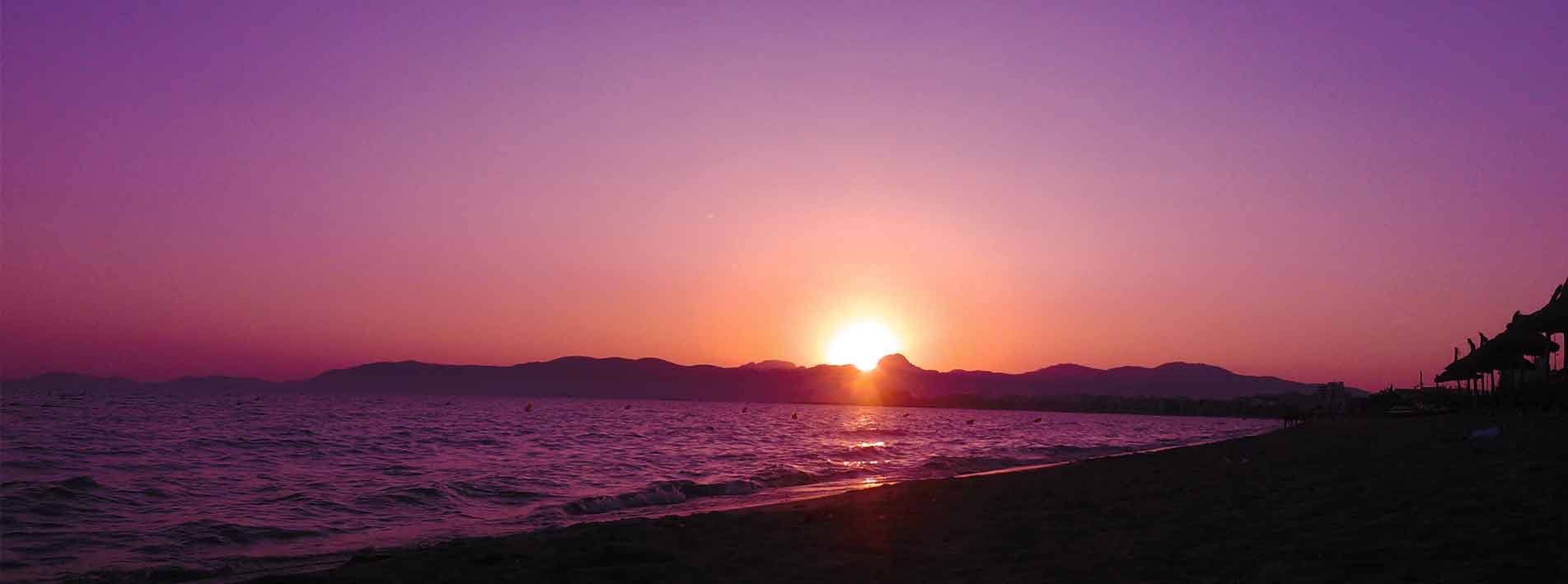
The west coast of Mallorca also offers some of the most legendary sunsets on the island. From Port d’Andratx, the Torre del Verger (Ses Ànimes), the viewpoints of Banyalbufar or the cliffs near Sa Calobra, the sun sinks into the sea creating a daily spectacle that perfectly sums up the wild and authentic character of this part of Mallorca.
In short, the west coast of Mallorca is not a conventional beach destination. It is a territory of cliffs, hidden coves, exceptional biodiversity and unique geological formations such as the Torrent de Pareis. Anyone who explores it understands why many consider it the most authentic and powerful face of the island.

Villages of West of Mallorca: The Essentials
The villages of west of Mallorca are the true heart of the region. Each one has its own character and deserves a stop.
Andratx and Port d’Andratx
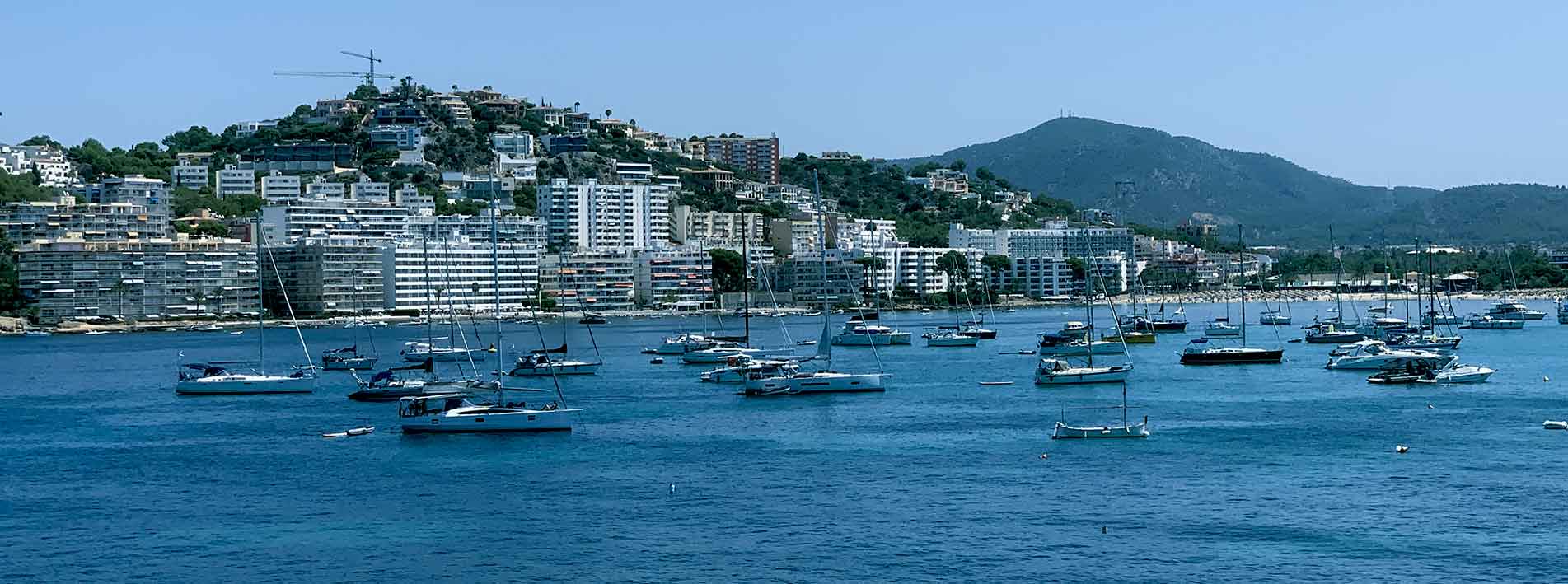
Andratx is the main town at the south-western tip. Located in an inland valley, it retains a traditional Mallorcan atmosphere with a weekly market and narrow streets. A few kilometres away lies Port d’Andratx, one of the most elegant harbours in the Mediterranean. Luxury yachts coexist with fishing boats, and the waterfront is lined with restaurants offering views. It is the ideal starting point for exploring the western area of Mallorca.
Sant Elm and Sa Dragonera
Sant Elm feels like the end of the Mallorcan world. Small, peaceful and with direct views of the island of Sa Dragonera, declared a Natural Park. Boats leave from here to visit the island (a nature reserve with no facilities, only nature and trails). Ideal for those seeking absolute peace in the west of Mallorca .
Banyalbufar and Estellencs
Two of the most photogenic villages of the west of Mallorca . Banyalbufar is famous for its marjades (cultivation terraces) that descend to the sea and for its Malvasía wine. Estellencs, smaller and more authentic, seems to hang from the mountainside. Both offer spectacular viewpoints and simple, high-quality cuisine.
Valldemossa
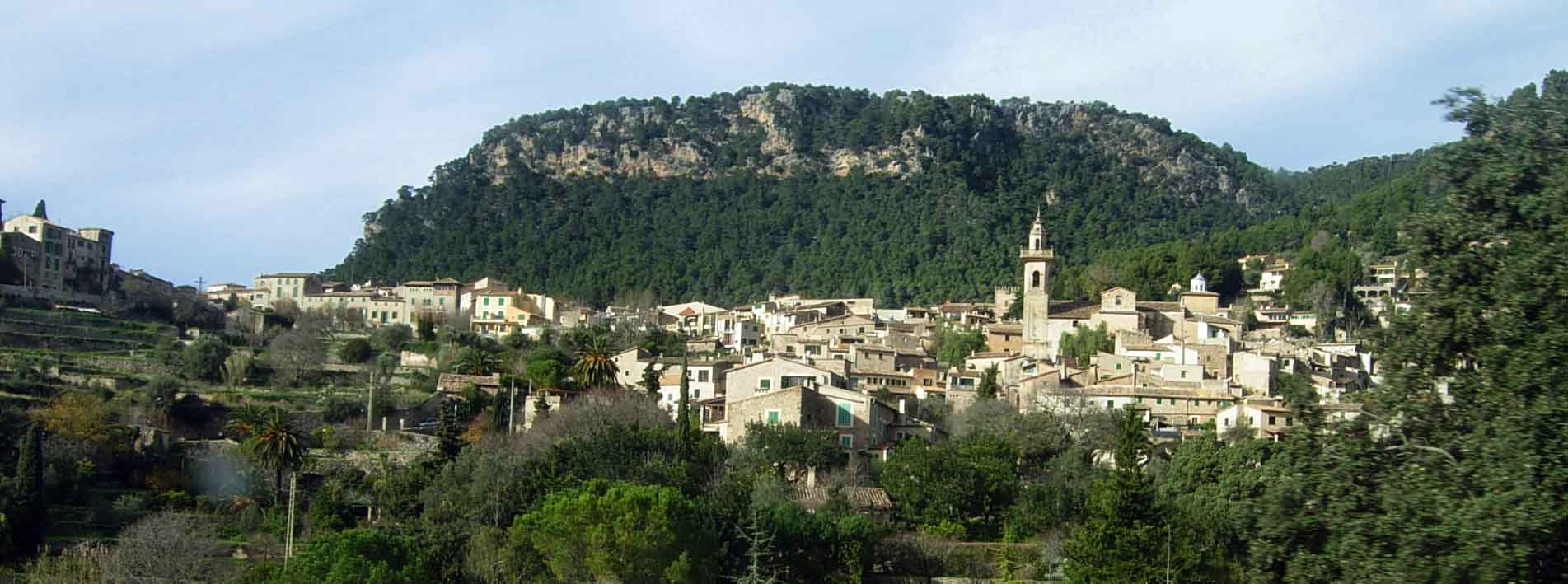
One of the most visited villages in the western area of Mallorca. Famous for the Charterhouse where Chopin and George Sand stayed, for its cobbled streets and for the local potato cake (coca de patata). Despite the tourism, it retains a special charm, especially at sunset or outside the high season.
Deià
The artists’ village par excellence. Honey-coloured stone houses, sea views and a bohemian-chic atmosphere. Robert Graves lived here, and today it remains a refuge for writers, musicians and discerning travellers. Cala Deià, at the foot of the village, is one of the most iconic coves on the west coast of Mallorca.
Sóller, Port de Sóller and Fornalutx
The Sóller Valley (the “Golden Valley”) is one of the most fertile corners of the west of Mallorca . Sóller has a lively square, a market and the famous wooden train that links it to Palma. Port de Sóller offers the largest beach in the area and a harbour atmosphere. Fornalutx, a few kilometres away, is considered one of the most beautiful villages in Spain: cobbled streets, flower pots and almost absolute silence.

What to Do in the west of Mallorca
In addition to exploring the villages of the west of Mallorca, the region is a paradise for outdoor activities:
- Hiking: the Dry Stone Route (GR-221) crosses the entire Serra de Tramuntana. Classic stages include Port d’Andratx–Sant Elm, Valldemossa–Deià or Sóller–Fornalutx.
- Road cycling: the bends of the MA-10 are both a challenge and a pleasure.
- Gastronomy: fresh fish in Port d’Andratx and Port de Sóller, cured meats and cheeses in the mountain villages, and Banyalbufar wine.
- Sunsets: Torre del Verger, the viewpoints of Banyalbufar or Port d’Andratx itself.
- Boat trips: to Sa Dragonera or along the west coast of Mallorca.

Practical Tips for Visiting the Western Area of Mallorca
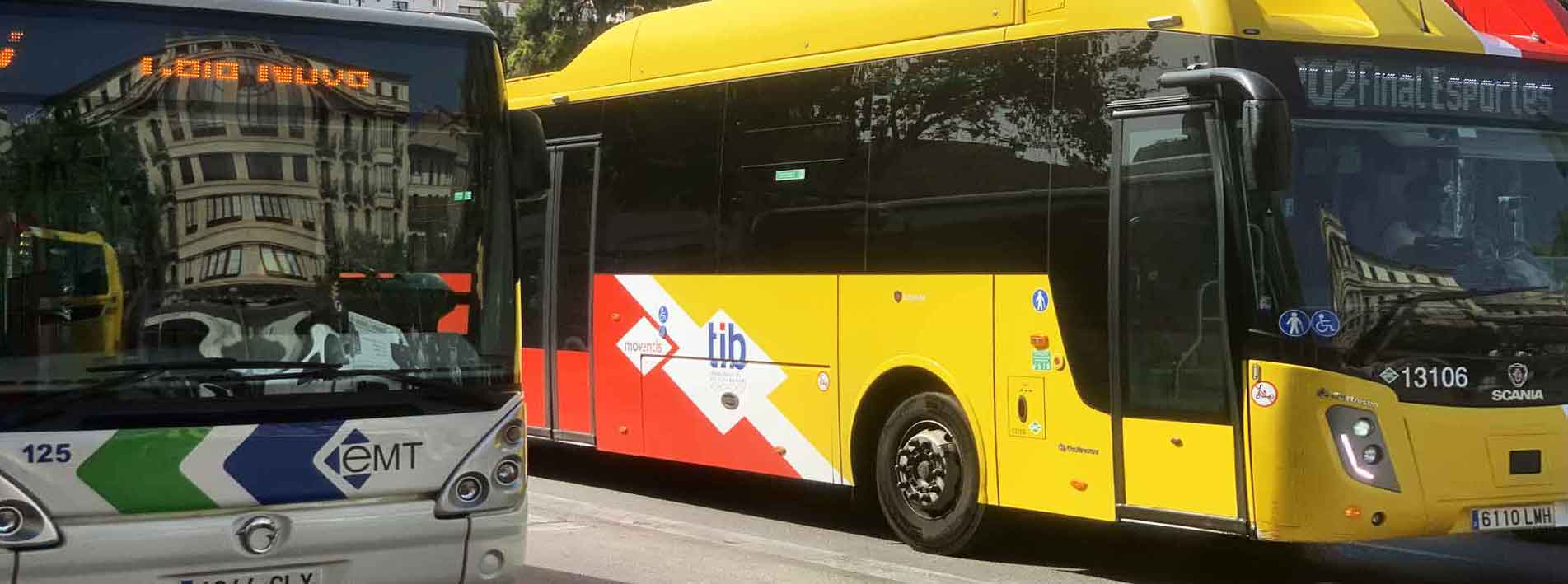
The best way to get around the west of Mallorca is by rental car. Public transport exists (TIB buses), but it is limited and does not reach every cove.
High season (July–August) fills the car parks of the most popular villages. Spring and autumn are ideal: pleasant temperatures, fewer people and vegetation at its best.
Book restaurants in advance in Deià, Port d’Andratx and Valldemossa, especially at weekends. Wear comfortable shoes: many coves are reached by paths or steps.

Why Choose The west of Mallorca
The west of Mallorca is not the Mallorca of large resorts or nightclubs. It is the Mallorca of cliffs, stone villages, hidden coves and roads that seem designed purely for the pleasure of driving.
The characteristics of the west of Mallorca — protected nature, living heritage and a more unhurried form of tourism — make it the perfect choice for those seeking authenticity. Whether you fall in love with Port d’Andratx, get lost in the streets of Fornalutx or watch a sunset from Banyalbufar, the west coast of Mallorca and its villages of west of Mallorca will leave a lasting impression.
If you have not yet explored the western area of Mallorca, now is the time. The most authentic side of the island is waiting on the other side of the Tramuntana.
And that concludes this brief guide to western Mallorca. We hope you find it helpful.
By the way, if you are visiting Mallorca for a holiday, you might find it useful to consult our Mallorca travel guide and other tourist information about the island. Have a great trip!