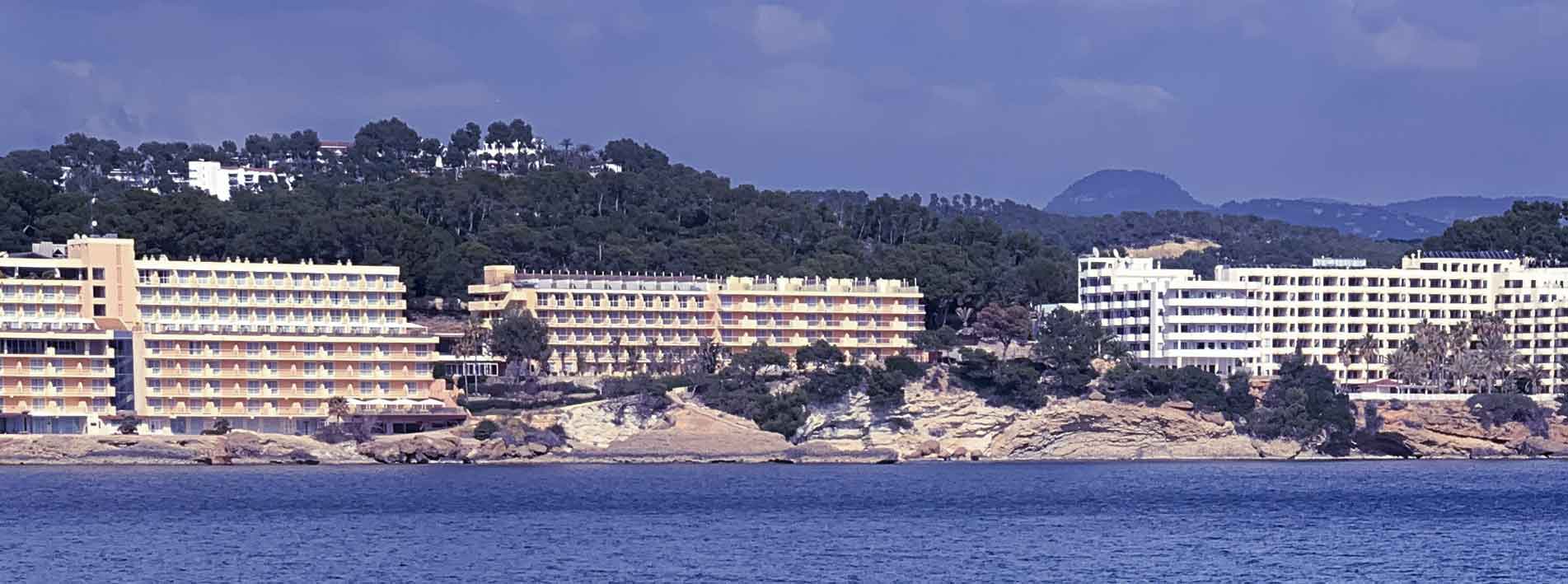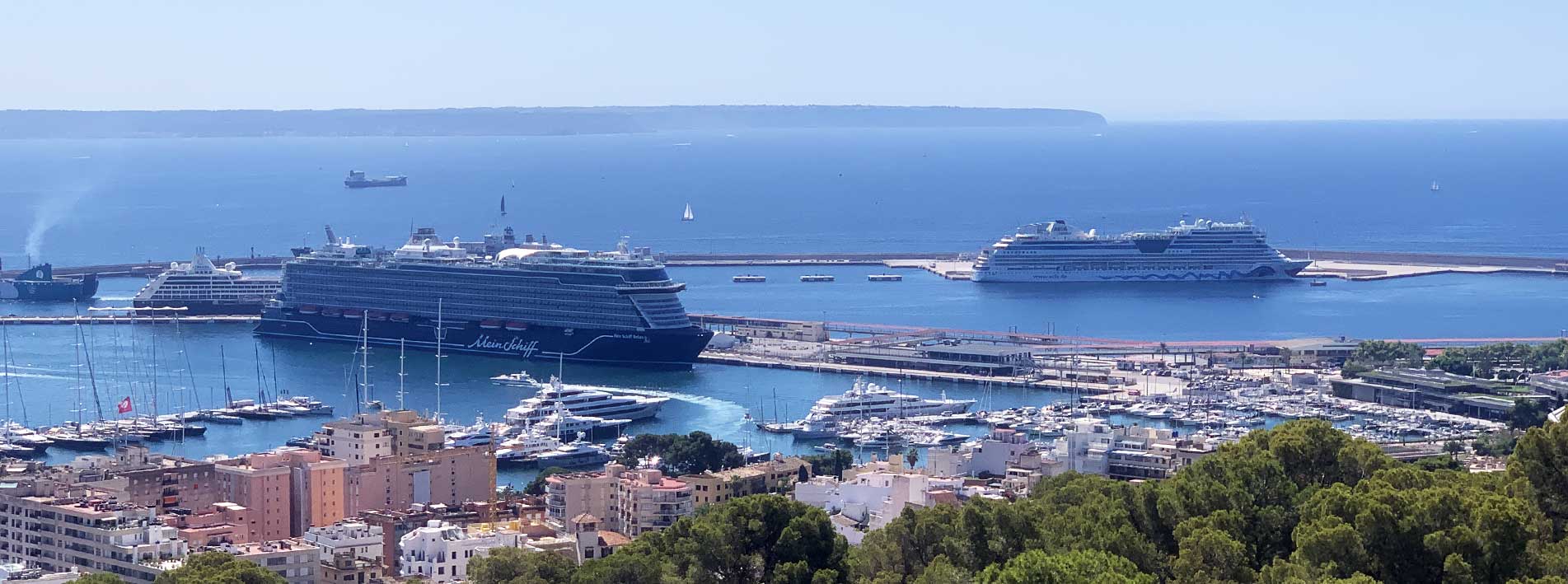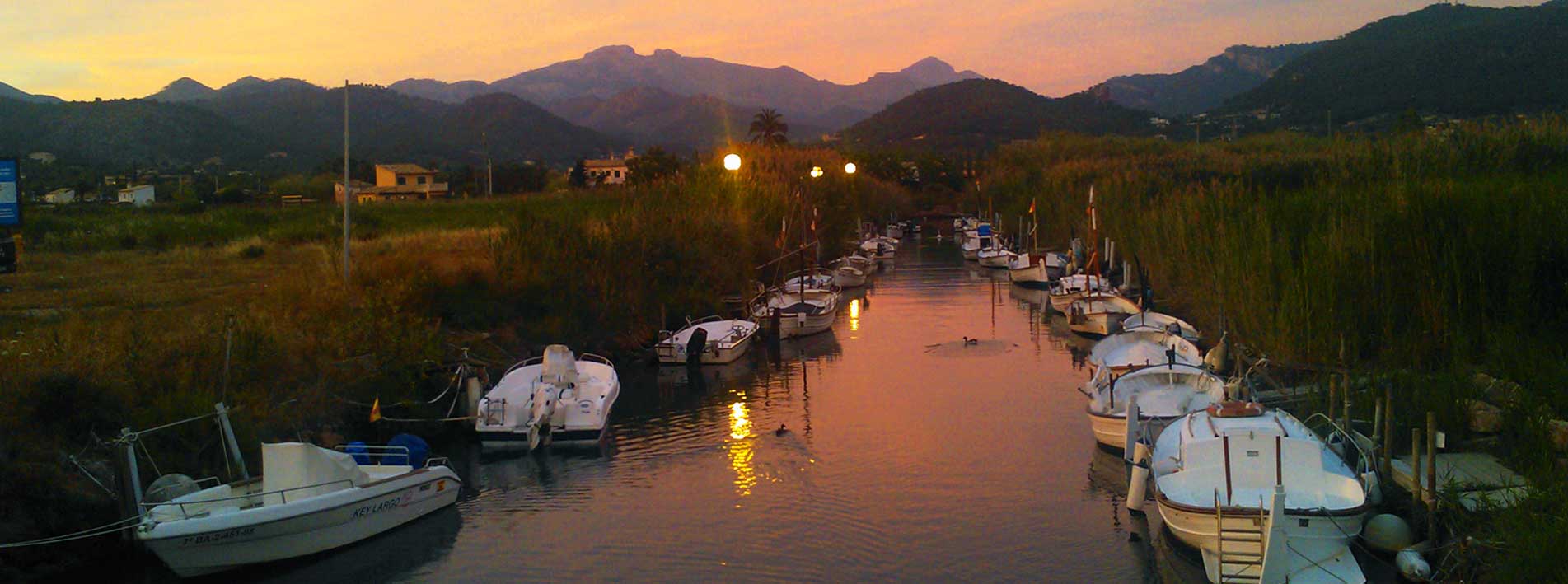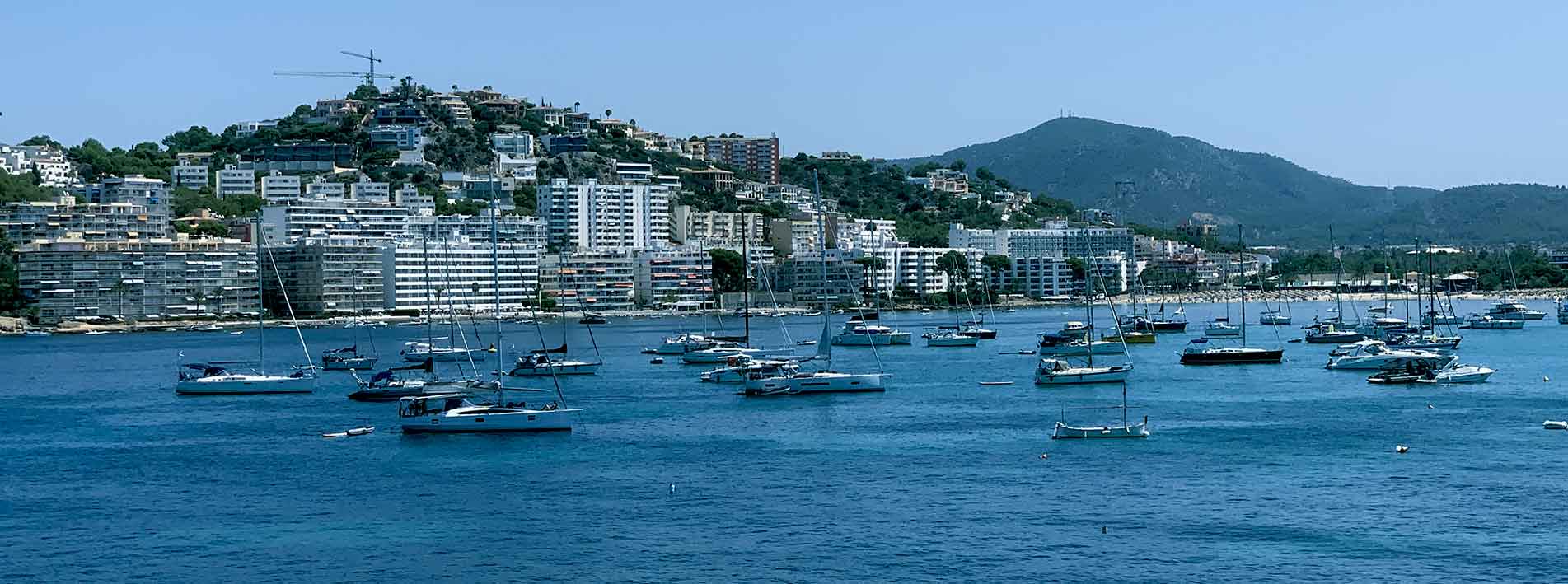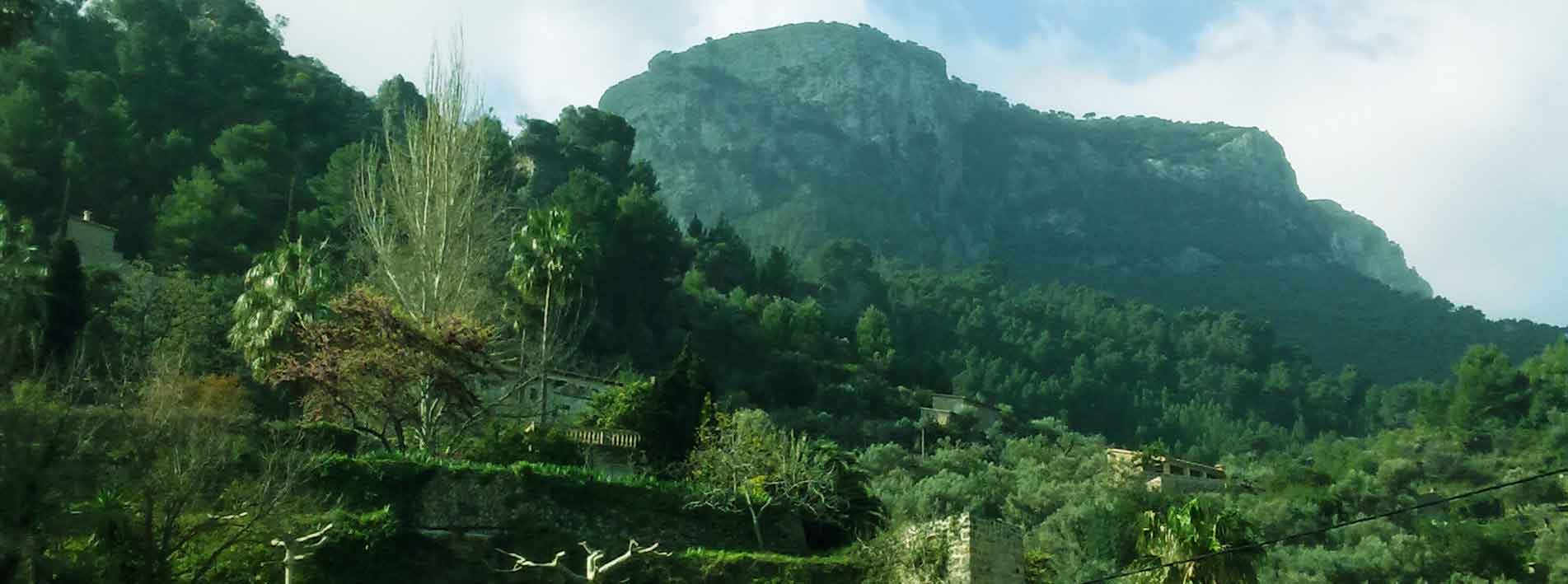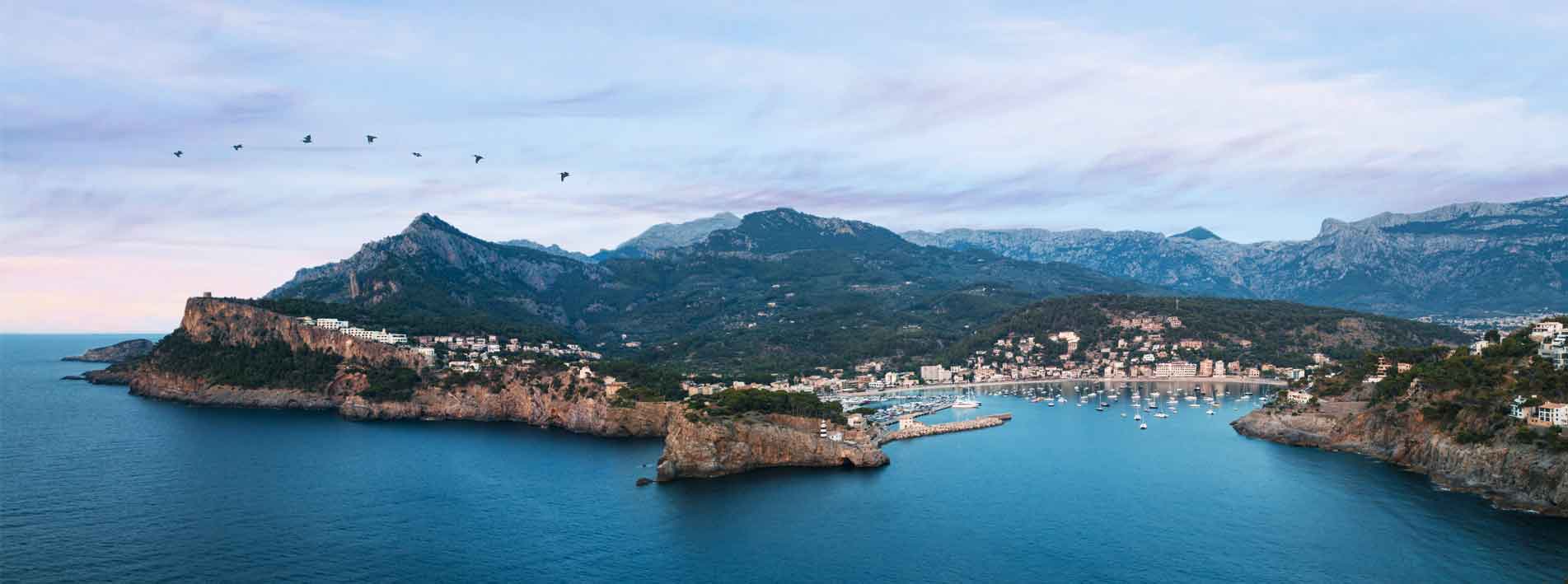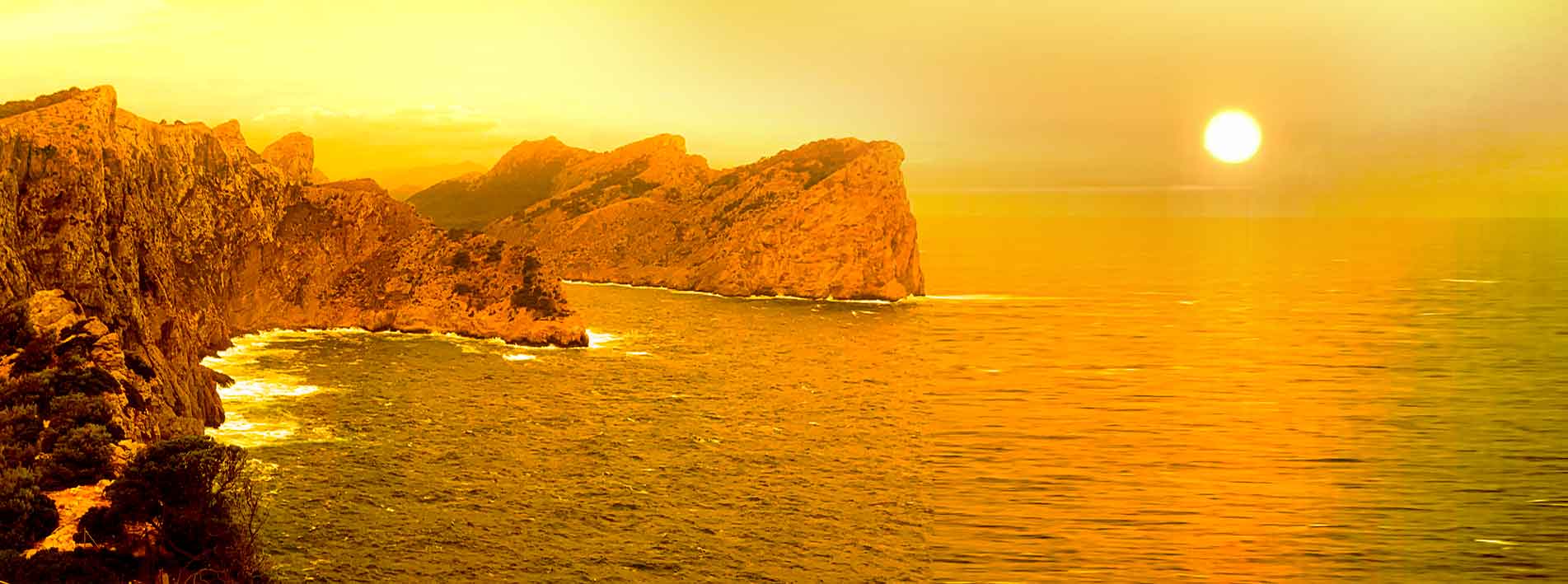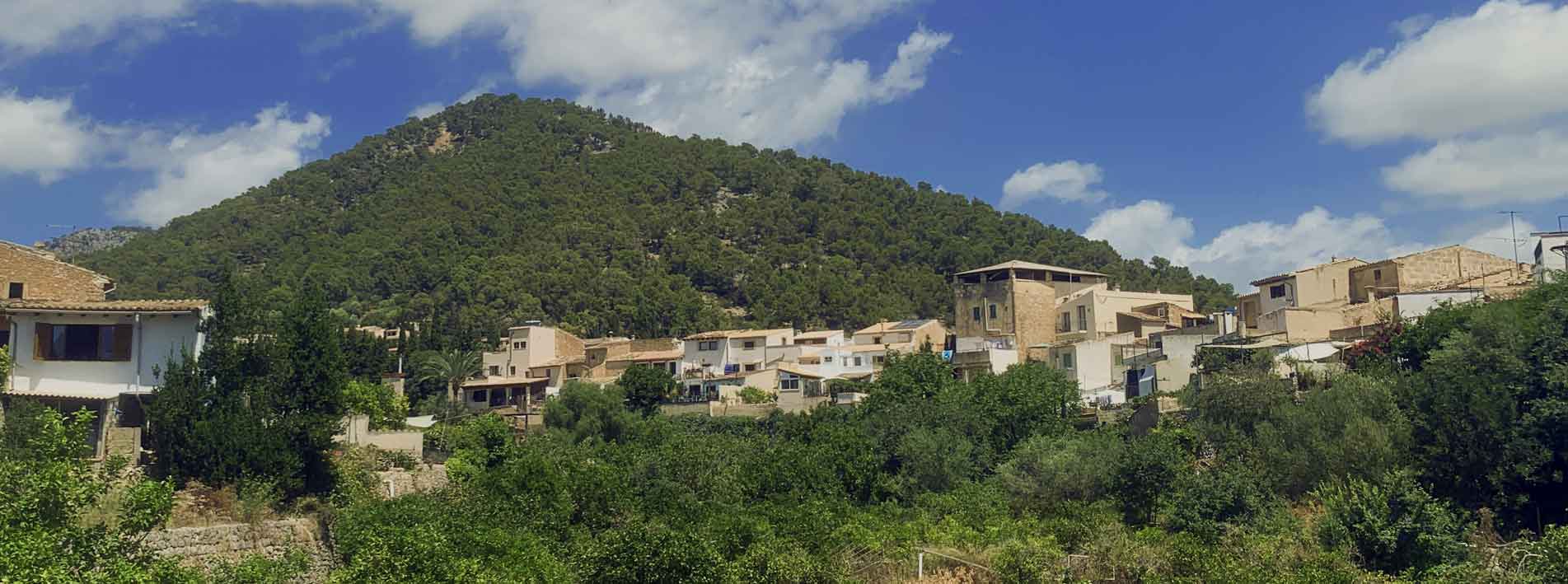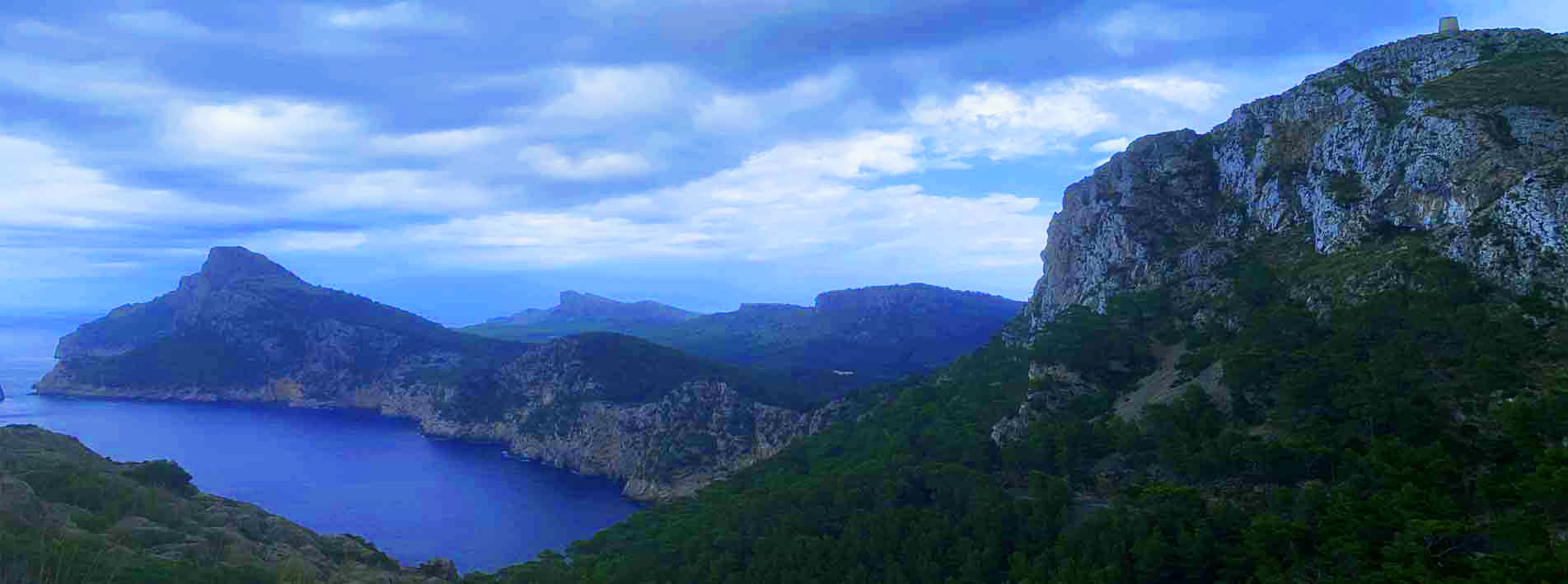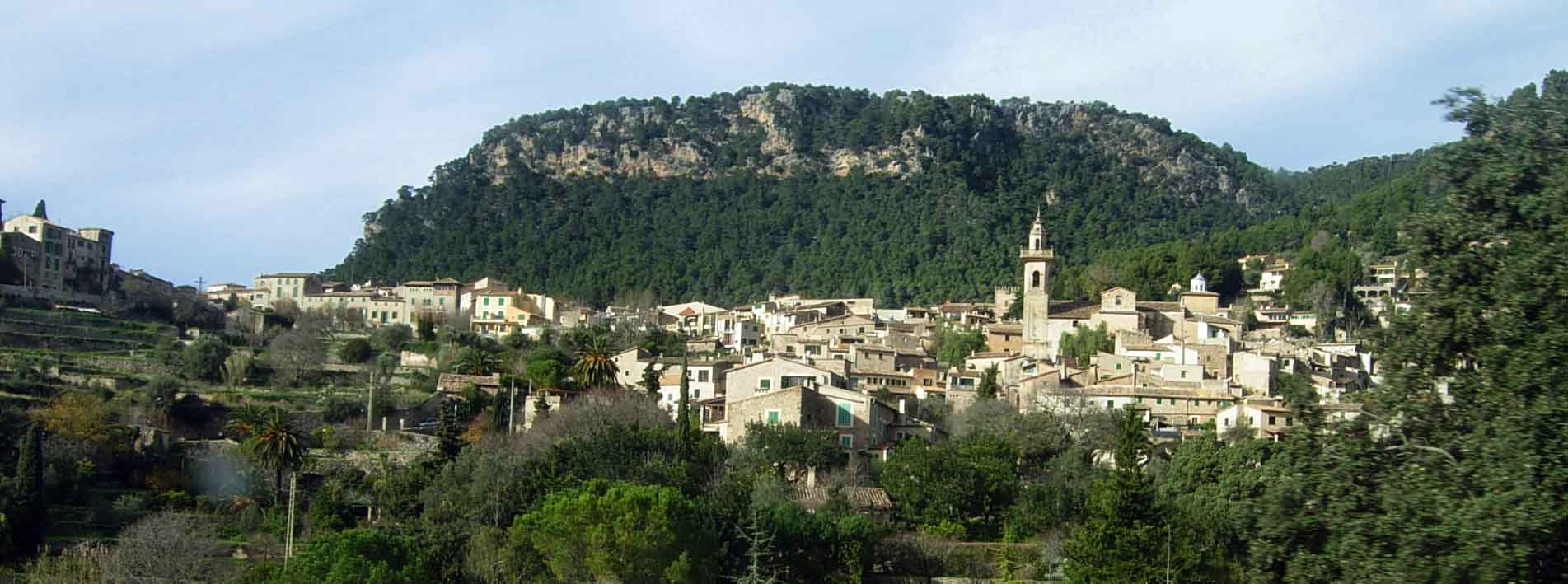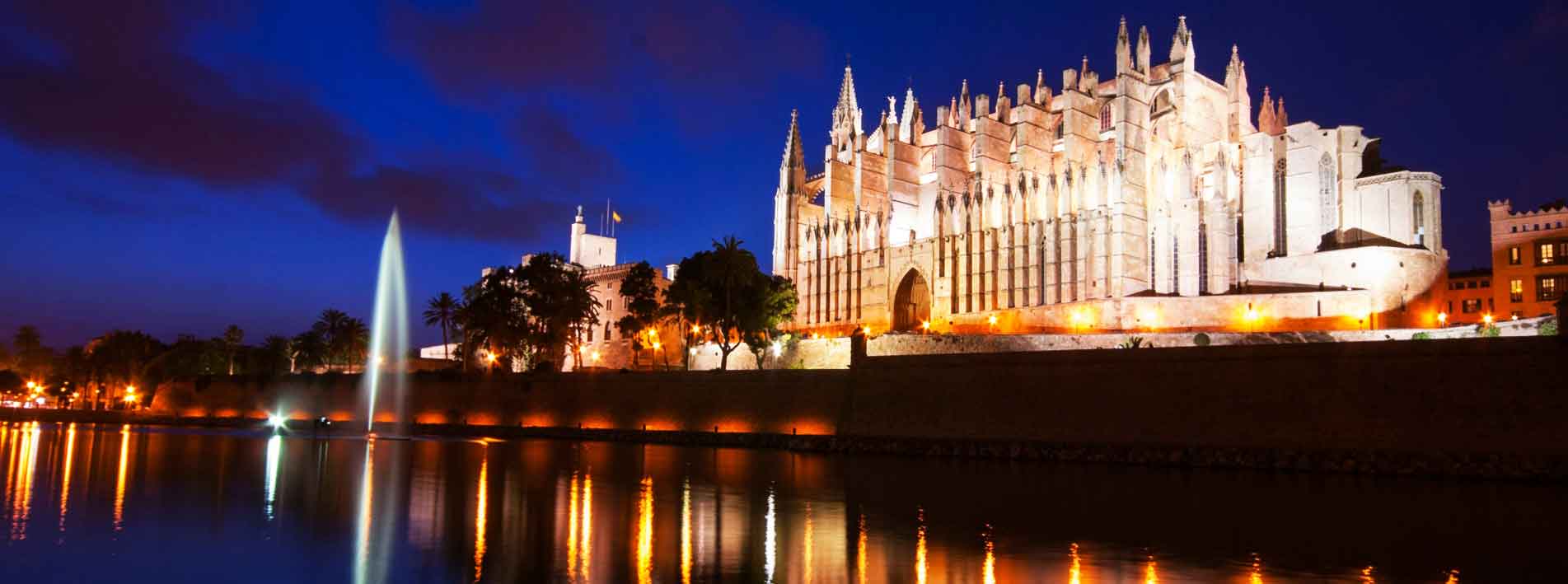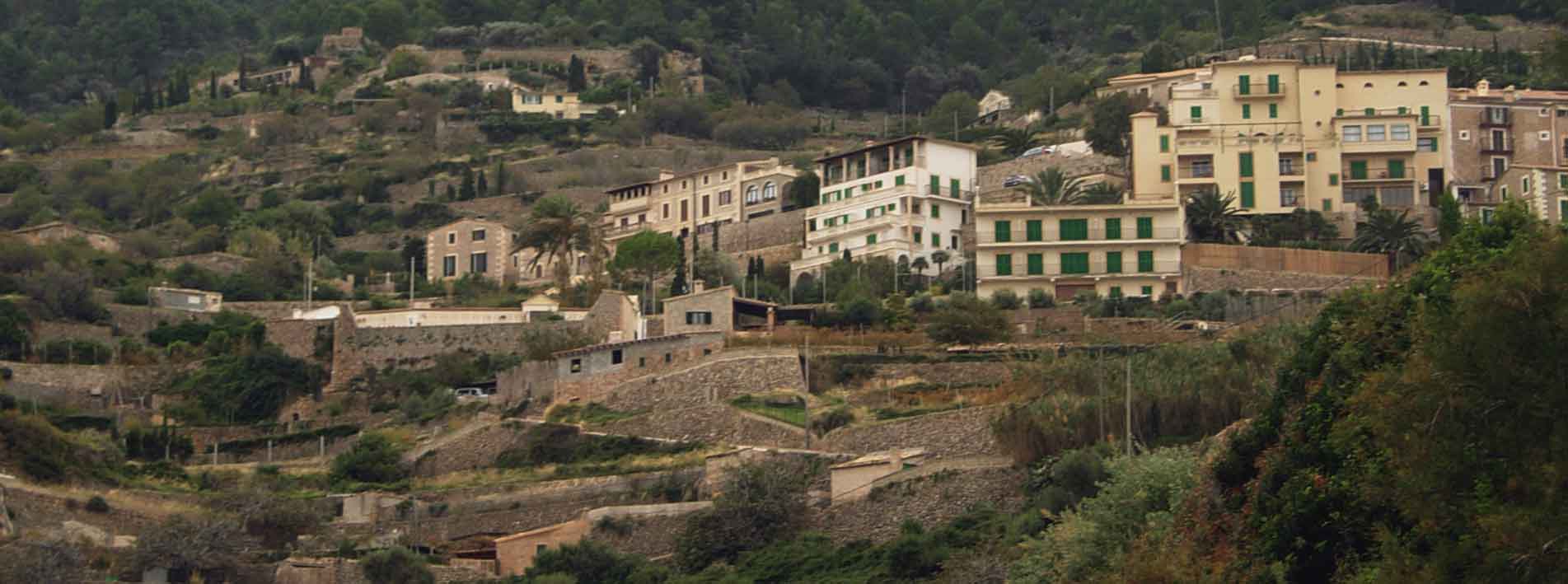

Port d’Andratx or Port of Andratx is a natural harbor in the southwest of Mallorca, known for its blend of fishing tradition and modern luxury, making it an exclusive and popular destination. It combines a harbor full of yachts and a cosmopolitan atmosphere with spectacular natural surroundings, surrounded by mountains, beaches and coves with crystal-clear waters. It is a prominent tourist center with a wide range of restaurants, fashion stores and leisure activities.
Main features of Port of Andratx
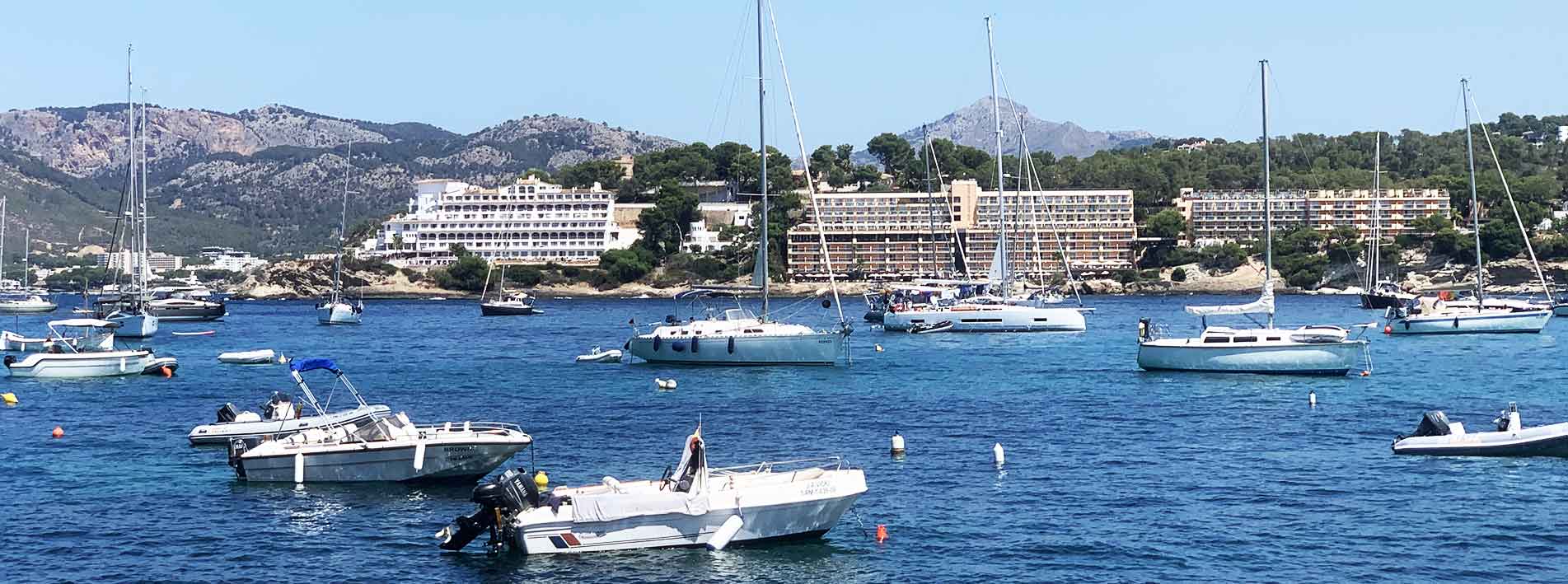
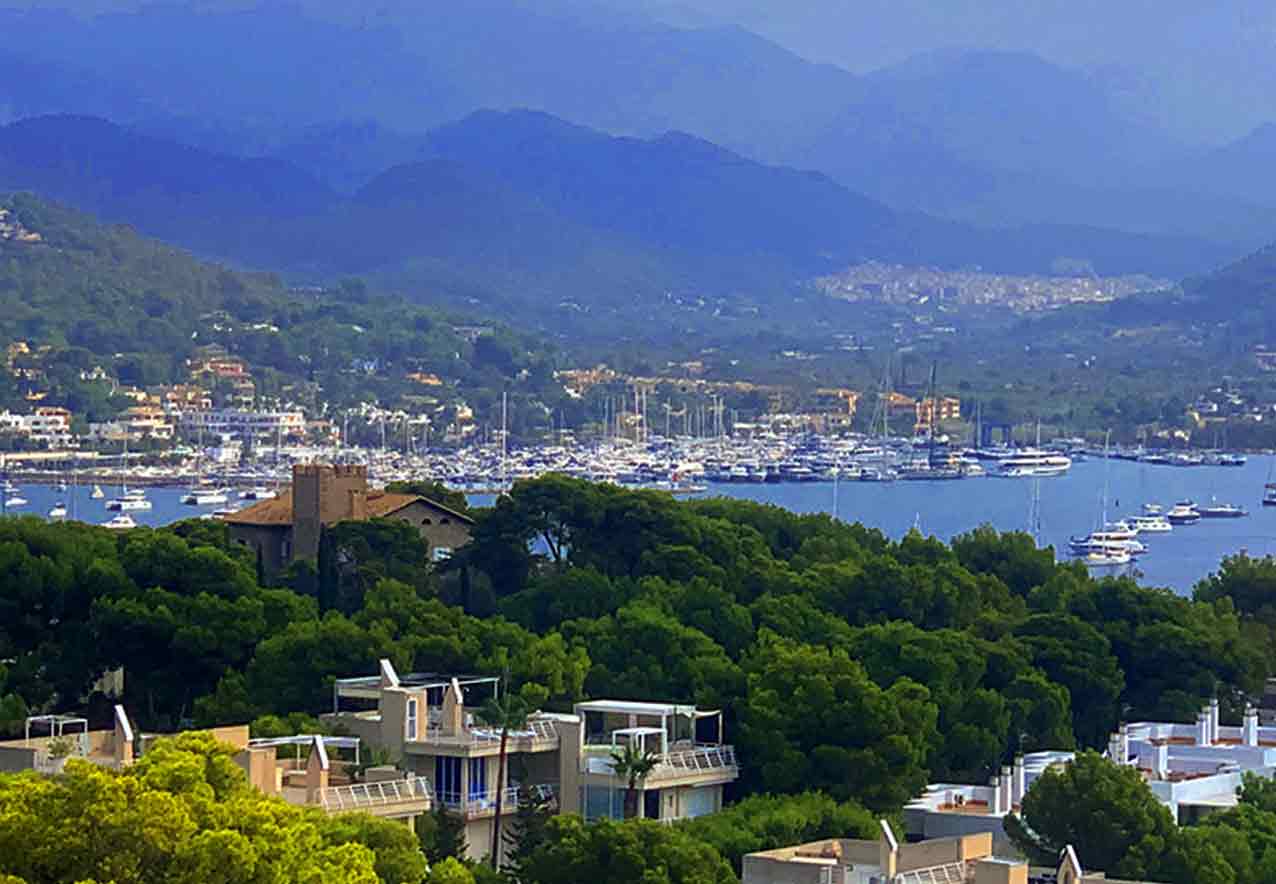
It is one of the most beautiful natural harbors in the Balearic Islands, located between the foothills of the Serra de Tramuntana and the Mediterranean Sea. Despite its exclusive and glamorous atmosphere, it retains the essence of a traditional fishing port. You can see a mix of large yachts and local fishing boats. It is known for its elegant and sophisticated atmosphere, attracting a high-end clientele.
Location and landscape: It is located in a natural bay on the southwest coast of Mallorca, near the Serra de Tramuntana mountains. It is considered one of the most beautiful ports on the island. Near Port d’Andratx or Port of Andratx is the village of Andratx, which offers a glimpse of the old town, the church of Santa María and the Andratx Cultural Center, which hosts important contemporary art exhibitions.
 Toponymy
The toponymy of Port d’Andratx is uncertain, with several theories suggesting Latin, Celtic, or Arabic origins. The most widely accepted theory is that it derives from the Latin “antrum” (caves), due to the geography of the place. Other studies propose Celtic roots such as “Andraquis” or Arabic roots such as “indiraq,” but there is no conclusive evidence for either.
The first documentation of the name “Andratx” dates back to 1236. The traditional name in Mallorcan Catalan is Andraitx. In the 1970s, the “i” was removed to establish the modern form Andratx. The people of the area are known as Andritxol (men) and Andritxole (women).
Location of Port of Andratx
Geographical: Located in a natural harbor in the southwest of Mallorca, in the foothills of the Serra de Tramuntana.
Proximity: It is located about 30 km from the capital, Palma and 5.6 km from the town of Andratx.
Surroundings: It combines a fishing port with a cosmopolitan atmosphere of luxury yachts and mansions, surrounded by a landscape of valleys and cliffs.
 How to get to Port of Andratx
The most common way to get to Port d’Andratx is to first get to Palma and then take a TIB bus from there. If you arrive at the airport, you can take a bus to Palma, change at the Intermodal Station and then take the bus that will take you to the port. You also can get there by car, but it’s best to avoid peak hours when entering/leaving Palma if you’re traveling by road.
 Getting there by car
Route from the airport: Take the Ma-19 motorway towards Palma. At the ring road, follow the signs for the Ma-20. Continue on the Ma-20 and take the exit that connects to the Ma-1 towards Andratx. Once in Andratx, follow the signs to Port de Andratx. The estimated travel time is approximately 30 to 40 minutes, depending on traffic.
Parking: You will find various parking options in the port area. Parking lots may charge a fee during high season (May-September) and be free in winter.
 Getting there by bus
To get to Port of Andratx by bus, the most common route is to take line 101, which operates from Palma Intermodal Station. If you are coming from the airport, you must first take line A1 to the Intermodal Station and then change to line 101, or take line A11 to Camp de Mar or Peguera and then change to line 102. It is important to check the TIB (Transporte Interurbano de Mallorca) bus timetables before traveling.
Option 1 (via Intermodal Station, Palma): Take the A1 bus from the airport to the Intermodal Station in the center of Palma. From there, transfer to the TIB 102 line, which will take you directly to Port d’Andratx. To go from Palma to Port de Andratx by bus, take line 102 or 104 from the Intermodal Station in Palma. Line 102 is the most direct, while line 104 also serves the route. Both are TIB lines and will take you directly to your destination. Departure station: Palma Intermodal Station. Bus line: 102. Destination: Port of Andratx. Duration: approximately 50 minutes. Operating hours: daily.
Option 2 (via Camp de Mar): Another option is to take the TIB A11 bus from the airport, which goes to Camp de Mar. From there, you can transfer to line 102 to get to the port. This second option is longer and takes a little more time.
Getting there from Andratx town: If you are in town, bus line 122 is one option for getting to the port. Another alternative is to walk, which takes about 57 minutes.
Additional information: It is recommended that you check schedules in advance, as they may vary depending on the season. You can buy your ticket directly from the driver on board the bus, but it is important to note that only cash tickets up to 10 euros are accepted. Another option is to purchase a prepaid card in advance at authorized points of sale. Payment can also be made directly with a contactless bank card and up to five people can travel with the same card, benefiting from discounts per user. In this case, it is essential to validate the card both when boarding and alighting from the bus so that the system can calculate the cost of the journey correctly.
Getting there by taxi
From Palma airport: The journey takes about 24 minutes and costs between 35€ and 50€.
From Andratx town: The cost is lower, around 9€ to 12€.
This is an option, although the cost may vary depending on the starting point.
 History and evolution of the Port of Andratx
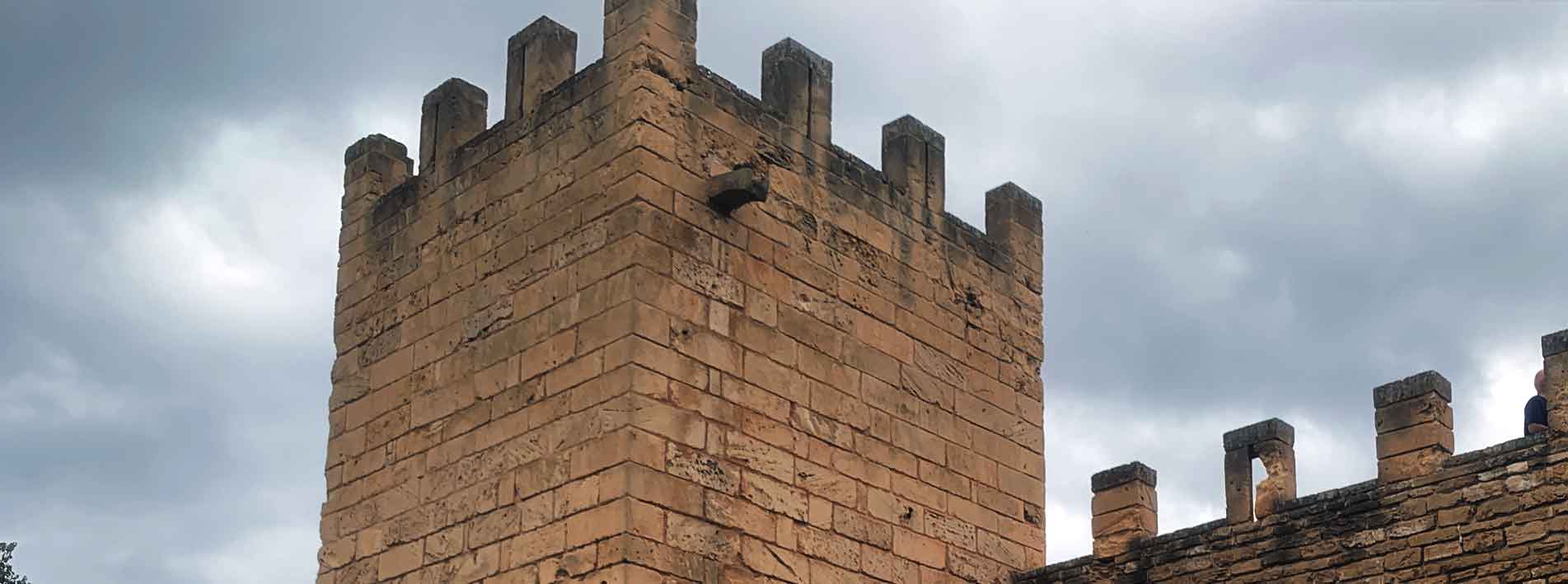
The Port d’Andratx or Port of Andratx evolved from a humble fishing port to an exclusive luxury residential destination, especially from the second half of the 20th century with the rise of tourism. Its history dates back to Roman times (Andrachium), marked in ancient times by the need for fortifications against pirate attacks, which included the construction of defensive towers in the 16th century, many of which are still preserved. Some of these defensive structures, such as the Torre de Sa Mola or the Castell de Son Orlandis, still exist and can be admired today.
Unlike the town center of Andratx, which was built inland, the port developed much later. The main transformation took place in the second half of the 20th century, with the rise of mass tourism. In recent decades, the port has become a luxury destination and residential paradise. It has become a popular place for the international community, especially residents and visitors from Europe, the United States and Asia.
What to see and do in Port of Andratx
Port of Andratx offers nautical, historical and leisure attractions. Among the attractions are water activities such as diving and kayaking, the fish market and sailing club and the cuisine on its promenades. Historically, you can visit the Church of Nuestra Señora del Carmen and the defense towers. In addition, the Sa Dragonera Nature Reserve can be accessed from the port.
 Attractions in the Port
Marina and promenade: Enjoy the exclusive atmosphere as you stroll along the pier, where luxury yachts are moored and visit the Fish Market, a historic building that is a symbol of local fishing.
Church of Nuestra Señora del Carmen: A church of great architectural value located in the port.
Boat trips: From the port, you can take trips to the nearby Sa Dragonera Nature Reserve or rent boats to explore coves such as Cala en Basset.
Water activities: There are diving clubs, sailing schools and kayak and jet ski rentals.
Sa Coma Freda viewpoint: Offers spectacular views of the port and coastline.
Defense towers: Historic towers such as Sant Carles in La Mola have been preserved.
Gastronomy and nightlife: The port has a select range of restaurants and bars and is a lively area at night.
Attractions in the town and surrounding area
Son Mas Castle: An ancient fortress that houses the Town Hall and offers panoramic views of the valley.
Church of Santa María de Andratx: Built in 1248, it is notable for its altarpieces and the painting of the “Quadre des Moros.”
Weekly market: On Wednesdays, a local market is held in the village with fresh produce and crafts.
Molí de Sa Planeta: A historic grain mill on a hill, with stunning views of the village.
Hiking and nature: The area is ideal for hiking and cycling, especially in the Sa Dragonera Natural Park and the routes through the Serra de Tramuntana mountains. Other options include the Trapa Nature Reserve and the Planícia Public Estate.
CCA Andratx Contemporary Art Center: A cultural space for lovers of modern art.
Sant Elm Beach: A pleasant beach in the fishing village of Sant Elm, which is also the departure point for boats to Sa Dragonera.
Nature and outdoor activities
Sa Dragonera Nature Reserve: From the nearby village of Sant Elm, you can take boat trips to this uninhabited and protected island.
Water activities: There are diving clubs, sailing schools and companies offering kayak and jet ski rentals and sailing trips in the area.
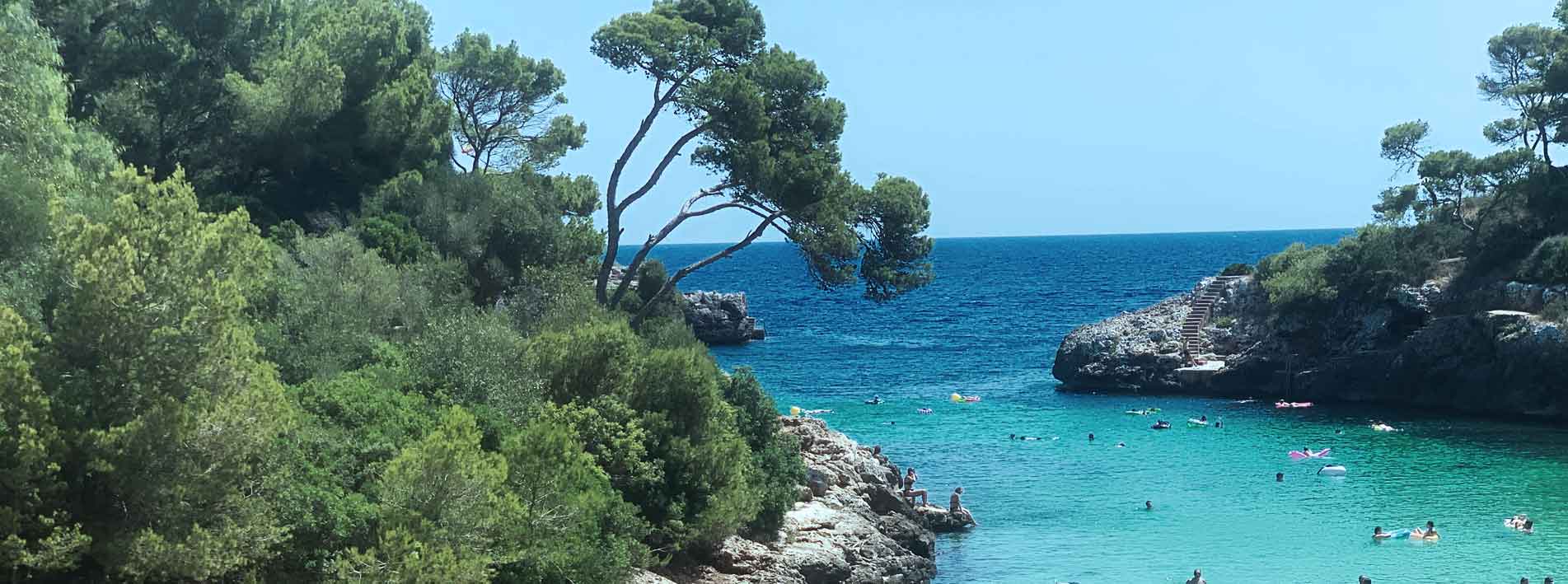
Cala en Basset and other coves: This is a secluded and spectacular cove, ideal for enjoying nature and the views, with a 16th-century defense tower nearby. You can also rent a boat to visit nearby coves such as Cala Llamp, Cala d’Egos and Cala Moragues and enjoy a relaxing swim in their turquoise waters.
Hiking and views: The La Mola area offers hiking trails with breathtaking views of the sea and the island of Sa Dragonera.
 Culture and history
Fish market: A historic building that represents the fishing activity in the area. In the afternoons, you can often buy fresh fish directly from the fishermen.
Defense towers: Built in the 16th century, the towers of Sant Carles and Sa Mola are particularly noteworthy. Other towers, such as Cala en Basset, are also of historical interest.
La Trapa Monastery: Visit the remains of this monastery, perfect for an excursion and to take in the views.
Nuestra Señora del Carmen Church: This is the port’s religious building, located on Isaac Peral Street.
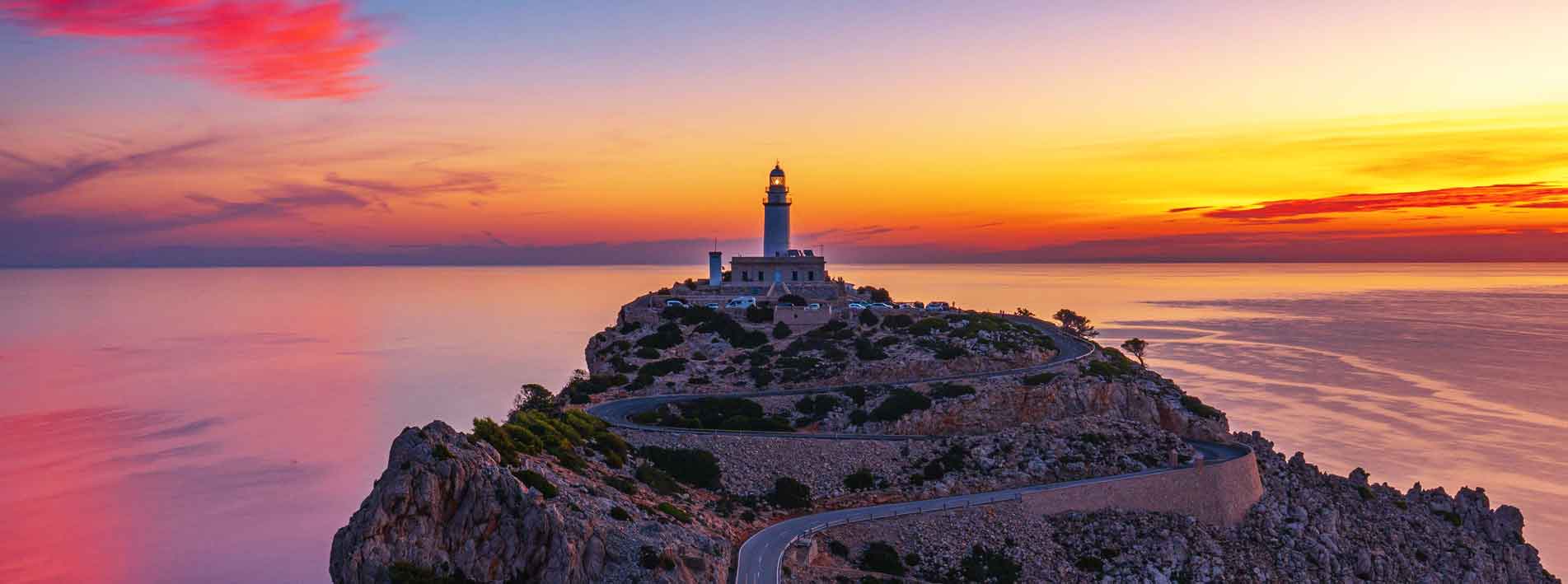
La Mola: Walk to the lighthouse to enjoy spectacular panoramic views.
Sailing Club: An important center for nautical activities and a landmark in the port.
Leisure and gastronomy
Promenade: This is the heart of the port, full of shops, restaurants with terraces and the atmosphere of local life, which is especially lively at night. It has a wide variety of high-quality restaurants, many of them with sea views, offering everything from fresh seafood to international cuisine.
 Other things to see and do in Port of Andratx
Gastronomy: Sample the local cuisine, especially the fresh seafood and prestigious restaurants. Enjoying local and international cuisine in its many restaurants is something you shouldn’t miss during your visit to Port of Andratx.
Water sports: Sail on luxury yachts and explore the coast or enjoy the atmosphere of the Yacht Club.
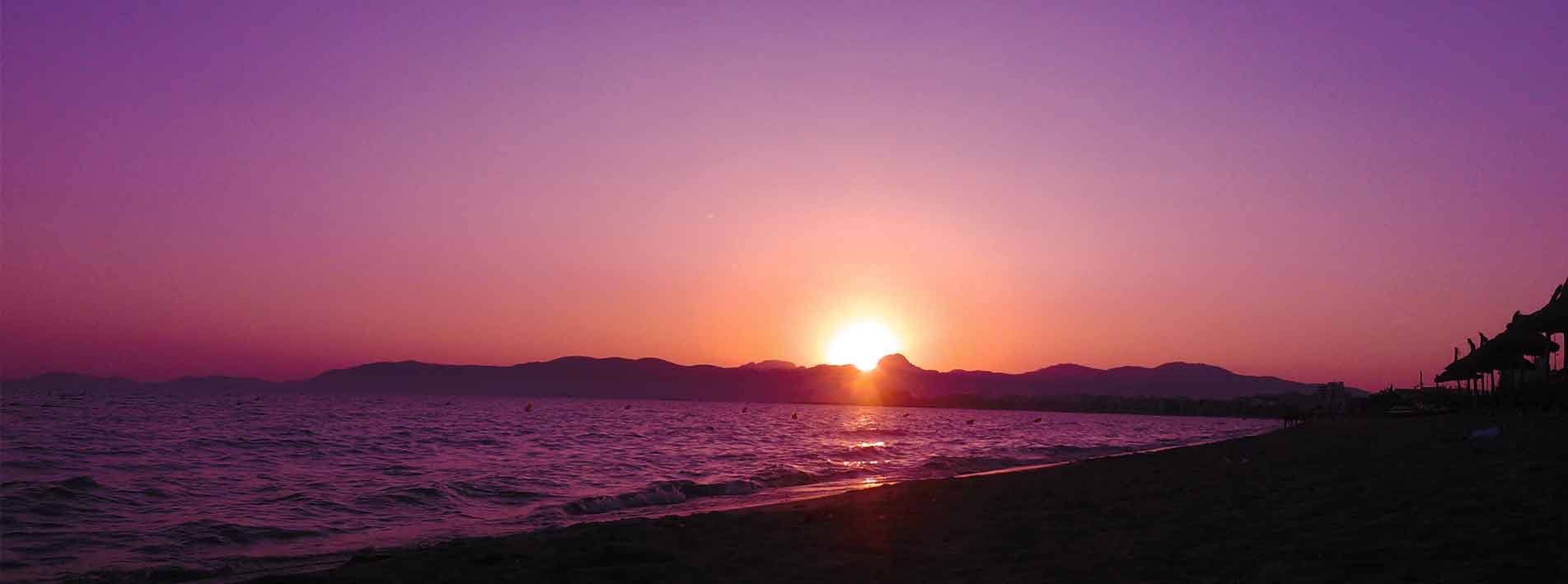
Hiking and views: Explore the mountainous landscape and enjoy the breathtaking views from La Mola, especially at sunset.
Boat trips: Take a boat to visit the nearby islet and Sa Dragonera Natural Park.
Visit coves: Visit the beautiful nearby coves such as Cala Llamp, Cala Moragues and Cala d’Egos.
Events: Attend the Virgen del Carmen patron saint festivities (mid-July).
Go to the weekly market: Visit the Wednesday market in the old town of Andratx.
Nightlife: The port has an active nightlife with lively bars and clubs.
Summary
In Port de Andratx you can enjoy a natural harbor, coves such as Cala Llamp and Cala d’Egos and explore the village of Andratx, which offers views from the church of Santa María. You can also go hiking in the Serra de Tramuntana mountains, visit the ruins of the monastery of La Trapa, or browse the shops and restaurants along the promenade. The area is ideal for lovers of sailing, gastronomy and nature.
 Port d’Andratx in 1, 2 or 3 days
Port d’Andratx in one day focuses on the port: promenade, Lonja, the church of Nuestra Señora del Carmen and a meal with views. In the afternoon you can head up to La Mola to see the lighthouse and the views, or go to Cala en Basset if you’re after nature.
Port d’Andratx in two days lets you add the village of Andratx and the coast. On the second day you can visit the old town, Son Mas Castle and the market if it’s a Wednesday, and in the afternoon head to Sant Elm or take a boat trip to Sa Dragonera.
Port d’Andratx in three days gives you room to combine port, village and nature. One day for the port and La Mola, another for Andratx village and Sant Elm, and another for hiking in the Serra de Tramuntana or for a cove you can only reach by boat or on foot. It’s a good rhythm if you’re travelling as a couple or want to combine rest and short outings.
 What to see near Port d’Andratx
Ordered from nearest to furthest, these are the easy getaways from Port d’Andratx:
Andratx village (about 10 minutes): old town, Son Mas Castle, the church of Santa María and the Wednesday market. A good stop to see the non-port side of the municipality.
Sant Elm (about 15-20 minutes): fishing village with a beach and the departure point for boats to Sa Dragonera. Ideal for a quiet beach morning.
Camp de Mar (about 15 minutes): bay with beach and services, useful if you’re after a comfortable, family-friendly beach plan.
Peguera (about 20 minutes): coastal area with beaches and a lively atmosphere in high season.
Portals Nous (about 20-25 minutes): marina with a more upscale feel and a pleasant promenade.
Palma (about 30 minutes): city with an old town, cathedral and urban life. Perfect for a full day or an afternoon.
If you want to go further, the Serra de Tramuntana and the Estellencs or Banyalbufar area are about 30-40 minutes away, and are a good option to combine port and mountain scenery.
 Port d’Andratx without a car: what you can do on foot
The port is compact and flat, so it’s easy to explore on foot: promenade, Lonja, church, Sailing Club and the restaurant area. On foot you can easily cover the port’s day-to-day life and the nearest coves reachable by path.
For Andratx village, line 122 connects the port with the town centre, and walking takes around an hour. For Sant Elm, Camp de Mar or Palma, the most practical option is to combine bus and taxi, as connections aren’t always frequent outside the season.
If you want to get around without a car, stay in the port and use the bus for short outings. For coves such as Cala Llamp or Cala d’Egos, consider boat or taxi, as access on foot or by bus is limited.
Port d’Andratx for families
Port d’Andratx works well for families if you choose the right area and plan. The promenade is flat and pushchair-friendly, and the port lets you see boats and yachts without needing a car. For the beach, Sant Elm or Camp de Mar are more comfortable options than the coves around the port.
With children, these usually work well: the promenade and the Lonja, a short boat trip if the weather allows, and a visit to Andratx village to see the castle and the views. On hotter days, it’s best to keep the beach for early morning and leave visits for mid-afternoon.
If you’re looking for more peace, Sant Elm or Camp de Mar can be a good alternative base, with a more family-friendly atmosphere and similar services just a few minutes away.
 Curious facts and insider tips about Port d’Andratx
A port that grew in reverse compared to the village. While Andratx village developed inland, the port did so much later, especially from the second half of the 20th century. That explains why today the traditional layout of the village and the more cosmopolitan face of the port coexist.
The Lonja is still alive. It’s not just a historic building: in the afternoons you can still buy fresh fish directly from the fishermen, which keeps the port’s link with its fishing past.
Luxury arrived with tourism, not before. The transformation into a high-end residential destination is recent. Today the port attracts international residents and visitors, but fishing boats still sit alongside the yachts.
Insider tip: in high season, port parking fills up and promenade restaurants book up in advance. If you’re coming for lunch, book or arrive early; if you’re just strolling, early morning or sunset is best, when La Mola offers the best views.
Another practical note: many coves in the area (Cala Llamp, Cala d’Egos, Cala Moragues) don’t have easy car access. If you want to visit them, consider boat, taxi or hiking, and avoid the hottest hours.
 Frequently asked questions about Port d’Andratx
Where to park in Port d’Andratx? There is parking in the port area, with a fee in high season and often free in winter. It fills up in summer, so it’s best to arrive early or stay in the port so you can walk.
Is it better to stay in the port or in Andratx village? The port is livelier and more cosmopolitan, with a promenade and restaurants; the village is quieter with a local atmosphere. The choice depends on whether you prioritise leisure and strolling or a more village-like pace.
Is there a party scene in Port d’Andratx? It’s not an intense party destination. The atmosphere is elegant and lively, with bars and restaurants, but without big clubs. It’s more about dinners and strolls than mass nightlife.
When is the best time to go to Port d’Andratx? From May to October there are full services and good weather. July and August are the busiest months; May, June and September usually offer the best combination of good weather and fewer people.
Do you need a car to visit Port d’Andratx? For the port and promenade, no. For Andratx village, Sant Elm, Camp de Mar or distant coves, it is recommended. You can also combine bus and taxi for short outings.
Can you drink tap water in Mallorca? In general, the mains water is potable, although the taste may vary. Many visitors choose bottled water for drinking, but for cooking and washing it is suitable.
And that’s it for this brief guide to Port of Andratx, Mallorca. We hope it helps.
By the way: Are you coming to Mallorca on a tourist trip? If you find it helpful, you can also check out our travel guide to Mallorca and more tourist information about the island