South of Mallorca
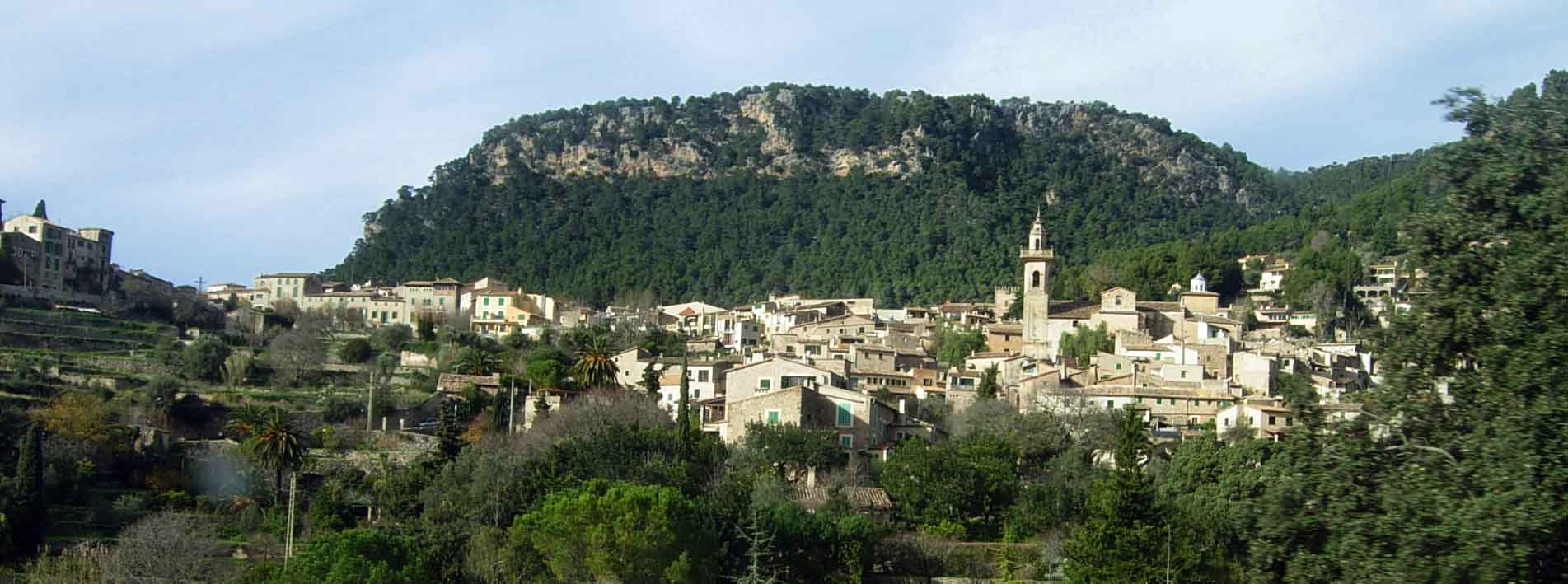
The south of Mallorca is the brightest face of the island. Compared to the verticality of the Tramuntana and the slow pace of the north, the south unfolds a landscape of plains, salt flats, long white-sand beaches and golden-stone villages that smell of sea and countryside. This is the Mallorca of Es Trenc, of the salt flats that change colour with the light, of fishing ports that still smell of fresh fish, and of a light that, at sunset, tinges the salt ponds pink.
The South: Virgin Beaches, Stone Villages and Salt Flats
It is not a mountain destination, nor one of hidden coves between impossible cliffs. It is a destination of horizon. Of beaches that fade into infinity, dunes, pine trees reaching the water’s edge, and a sense of space that does not exist elsewhere on the island. And, contrary to what many believe, it is not only a summer destination: out of season, the south recovers a silence and authenticity that are well worth experiencing.
 Characteristics of the South of Mallorca
The south of Mallorca is defined by three elements: the plain, salt and the sea. Unlike the north or west, there are no great mountains falling into the sea here. The landscape is horizontal, agricultural, dotted with stone villages and estates of olive and almond trees. The coast alternates long, open beaches such as Es Trenc or Sa Ràpita with more sheltered, rocky coves such as Cala Pi or Caló des Moro, and with fishing ports that retain their essence, such as Cala Figuera or Portopetro.
Light is another of its features. The south receives very high sunshine hours, with long, dry summers, and a light that painters and photographers have sought for decades. The Es Trenc salt flats, with their pink and white ponds, are one of the most unique landscapes on the island and a living testimony to an activity dating back to Roman times.
 The South Coast: Beaches and Coves
The south concentrates some of Mallorca’s most famous beaches. Es Trenc is the best known: almost three kilometres of fine white sand, turquoise waters and protected dunes, with no buildings on the seafront. It is the beach many consider the most beautiful on the island, and although it gets crowded in summer, out of season it is an almost virgin space.
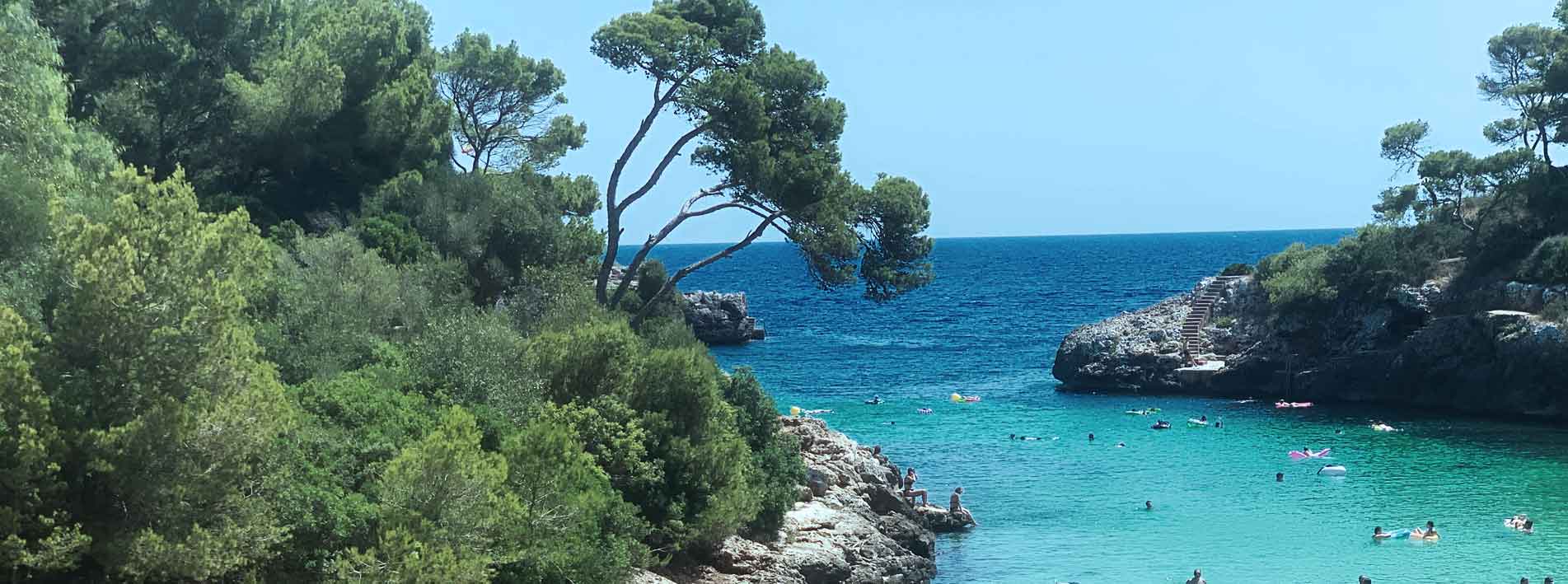
Next to it, Ses Covetes and Sa Ràpita offer somewhat quieter alternatives. Cala Pi, in Llucmajor, is a narrow cove between cliffs, with a 17th-century watchtower at the top and access that requires descending stairs. Caló des Moro and Cala Llombards, in Santanyí, are two of the most photographed coves on the island, with turquoise waters and a setting of rock and pine trees that gives them a unique character. Cala Santanyí, somewhat larger and more accessible, is the most family-friendly option in the area. And at the eastern end, Cala Mondragó and S’Amarador, within a natural park, offer fine sand and calm waters.
Each of these coves has its own post on Allmallorca, with detailed information on access, services and characteristics. Here we only mention them so that you have the complete map of the south.
 Villages of the South: The Essentials
The villages of the south are the perfect counterpoint to the beaches. Santanyí is the most elegant: golden-stone streets, art galleries, boutiques and a weekly market (Wednesdays and Saturdays) that is an institution on the island. Campos is more rural and authentic, with a livestock tradition that shows in its gastronomy and its sobrasada fair. Llucmajor is the largest municipality in Mallorca, with an old town that combines the church of Sant Miquel, the convent of Sant Bonaventura and the modernist market.
Colònia de Sant Jordi is the coastal base of the south, a former fishing village that now combines quiet beaches, a pleasant promenade and access to the Cabrera archipelago. Cala Figuera and Portopetro are two fishing ports that retain their charm, with fishermen’s huts, traditional llaüts and seafront restaurants. And Ses Salines, the village that gives its name to the salt flats, is a quiet base for exploring the area.
 What to Do in the South of Mallorca
The south is not just beach. The range of activities is wide and varied, allowing you to combine days at the sea with nature, culture and sport.
Things to do in the South of Mallorca: Hiking and Cycling
The south is a paradise for cycling enthusiasts. The secondary roads connecting Llucmajor, Campos, Ses Salines and Santanyí have little traffic and an agricultural landscape that invites you to pedal for hours. The area is especially popular with road cyclists and triathletes, who find long, flat routes here, with the occasional gentle slope, and infrastructure designed for cycle tourism.
For hiking, the south offers lesser-known but equally valuable routes. The Llucmajor coast, between Cala Pi and Cap Blanc, is a wild stretch of cliffs and watchtowers that can be explored on foot. The area around the Es Trenc salt flats allows quiet walks among ponds and bird observatories. And the route that skirts the coast from Colònia de Sant Jordi to the lighthouse is one of the most pleasant for walking at sunset.
 Things to do in the South of Mallorca: Water Sports
The south is the kingdom of snorkelling and diving. The clarity of its waters, the presence of Posidonia meadows and the richness of its seabeds make coves such as Cala Santanyí, Cala Llombards or the area around Cabrera reference points for sea lovers. There are diving schools in the area and organised excursions combining snorkelling and paddle surfing.
Kayaking and paddle surfing are other star activities. From Cala Figuera, Portopetro or Colònia de Sant Jordi itself, you can rent boats and explore the coast at your own pace. Boat trips to Cabrera are an essential experience: the archipelago is a maritime-terrestrial national park with crystal-clear waters and exceptional biodiversity.
 Things to do in the South of Mallorca: Cultural Activities
Culture in the south tastes of salt and stone. The Es Trenc salt flats offer guided tours explaining the salt extraction process, an activity dating back to Roman times, and allow you to observe the birds that inhabit the wetland. The weekly markets of Santanyí (Wednesdays and Saturdays), Campos (Thursdays and Saturdays) and Llucmajor (Wednesdays, Fridays and Sundays) are a window into local life and a good way to buy local produce.
The historical heritage includes the Talayotic site of Capocorb Vell, in Llucmajor, one of the most important prehistoric settlements in the western Mediterranean. In Felanitx, the Sant Salvador sanctuary and the Castell de Santueri offer history and views. And in Manacor, the Museum of History and the Majorica pearl factory complete a cultural offer that goes far beyond the beach.
Other Activities
Golf has a significant presence in the south, with courses such as Son Antem or Campos, which attract players from all over Europe. Wellness also has its place: several country hotels and agrotourism estates offer spas and treatments in a quiet setting. And for birdwatching enthusiasts, the Salobrar de Campos is one of the most valuable wetlands in Spain, with surprising biodiversity.
 Theme Parks and Leisure in the South
Although the south is known for its beaches and nature, it also has a leisure offer designed for families and for those looking for a different day out.
Aqualand El Arenal is the largest water park in Mallorca. Located in El Arenal, it has high-speed slides, wave pools, a children’s area with more than twelve different slides and a relaxation area with a jacuzzi. It is a classic option for families and groups looking for a day of adrenaline and water.
Katmandú Park, in Magaluf, is a theme park with rides, 4D cinema, minigolf, climbing nets and the House of Katmandú, a building of illusions based on Ripley’s Believe It or Not. It is a different option, more focused on fantasy and adventure, and works well for children and teenagers.
Western Water Park, also in Magaluf, is another Wild West-themed water park, with slides and water attractions. And Marineland, in Portals Nous (on the edge of southern Calvià), offers dolphin and sea lion shows, as well as a small aquarium.
For those looking for something quieter, Golf Fantasia in Palmanova is a very well-kept themed minigolf course, and the area’s golf courses offer a more relaxed leisure alternative.
 Climate in the South of Mallorca
The south of Mallorca has a warm Mediterranean climate, with long, dry summers and mild winters. The average annual temperature is around 17-18 °C, with highs in July and August exceeding 30 °C and winter lows rarely dropping below 5-8 °C.
Rainfall is concentrated in autumn, especially in October and November, and is less abundant than in the Tramuntana. Summer is practically dry, with July being the month of lowest rainfall. Sunshine hours are high, with more than 2,800 hours of sun a year, and the sea reaches its most pleasant temperature between June and October, peaking in August and September at around 26 °C.
The best time to visit the south depends on what you are looking for. Late May, June and September are the perfect combination: good weather, pleasant water and fewer people than in high summer. July and August are the months with the most atmosphere, but also the most heat and the highest prices. October is still an excellent month for swimming and exploring the interior, with the advantage that crowds drop considerably. And winter, although cooler, offers a quiet, authentic south, with almost empty villages and a clean light that invites you to stroll.
 Where to Stay in the South of Mallorca: Accommodation Types and Who They Suit
The accommodation offer in the south is very varied and clearly conditioned by the area. The choice depends on the kind of trip you are looking for: staying on the Calvià coast, with beach and services, is not the same as staying inland in Campos, with agrotourism and silence.
Calvià: Beaches, Services and Atmosphere
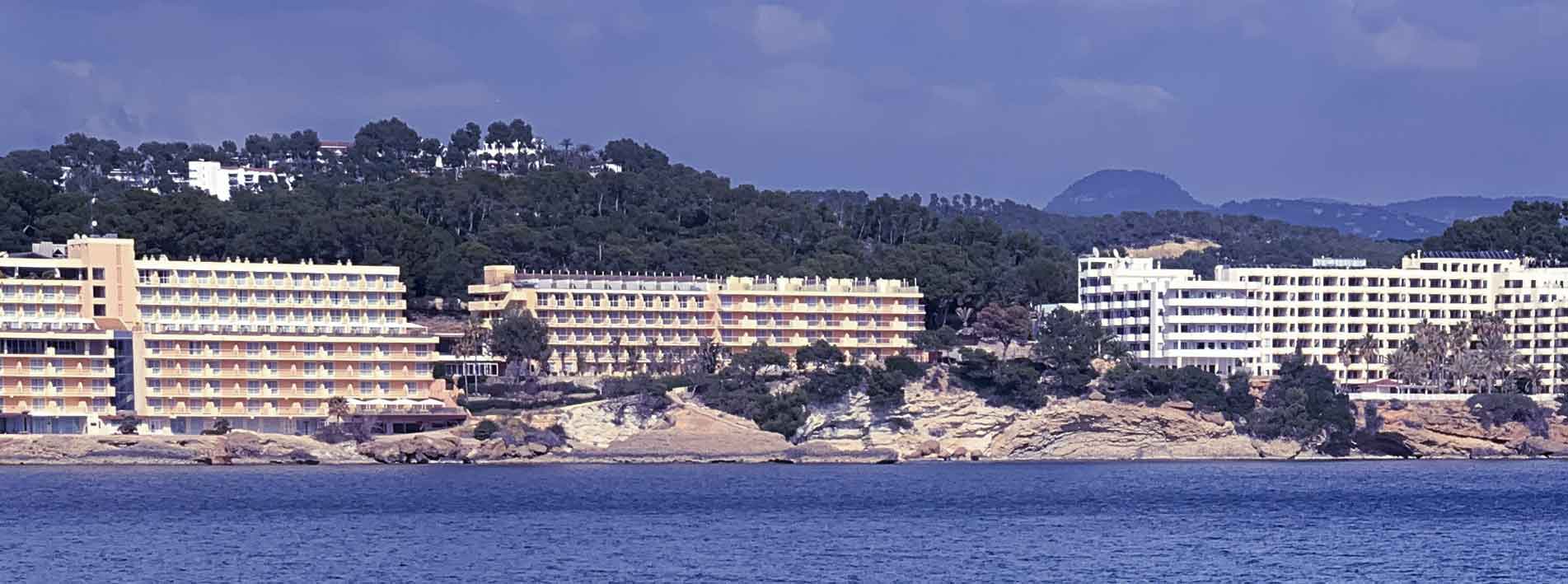
The Calvià coast concentrates the largest hotel offer in the south. Palmanova is the most family-friendly option, with calm-water beaches and a promenade full of restaurants and shops. Magaluf is livelier, aimed at a young audience and with an intense nightlife scene. Santa Ponsa combines a wide beach and a family atmosphere, and Portals Nous offers a more elegant atmosphere and a luxury marina. It is the most suitable area for those seeking comfort, services and not depending on a car for every trip.
 Colònia de Sant Jordi and Sa Ràpita: A Quiet Base Near Es Trenc
Colònia de Sant Jordi is a former fishing village that now combines quiet beaches, a pleasant promenade and access to the Cabrera archipelago. It is an excellent base for couples and families seeking calm without giving up proximity to Es Trenc. Sa Ràpita, somewhat further south, is even quieter, with a long beach and a residential atmosphere.
Santanyí and Cala d’Or: Charm and Sheltered Coves
Santanyí is one of the most charming villages in the south, with golden-stone streets, art galleries and a weekly market that is an institution. Staying here allows you to combine the tranquillity of the village with proximity to coves such as Cala Llombards or Caló des Moro. Cala d’Or is more touristy, with a wide hotel offer and small, well-kept coves. It is a good option for families and couples looking for services and atmosphere.
 Campos and Ses Salines: Interior and Nature
The interior of the south, around Campos and Ses Salines, is the realm of agrotourism estates and rural houses. It is the ideal option for those seeking disconnection, hiking and nature, with the advantage of being just a few minutes from Es Trenc and the salt flats. It is a quiet area with fewer services, but with an authentic charm that attracts travellers fleeing the crowds.
Llucmajor and s’Arenal: Long Beach and Atmosphere
Llucmajor offers an interesting combination: an old town with heritage and a coast with long beaches such as s’Arenal, as well as wilder coves such as Cala Pi. s’Arenal is the liveliest option, with a wide hotel offer and an extensive beach. It is suitable for families and young people looking for services and atmosphere.
 Itineraries for the South of Mallorca: 1, 2 or 3 Days
The south has plenty to offer. These itineraries are designed to combine beaches, villages and nature, adapting to the time available.
South of Mallorca in 1 Day
Recommended route: Es Trenc – Colònia de Sant Jordi – Santanyí.
Start early at Es Trenc to enjoy the beach before the crowds arrive. Mid-morning, head to Colònia de Sant Jordi to stroll along the promenade and, if you fancy it, take a short boat trip. Have lunch in Santanyí and spend the afternoon wandering its golden-stone streets and visiting an art gallery. It is an intense day but perfect for a first taste of the south.
South of Mallorca in 2 Days
Day 1: Calvià (Palmanova or Santa Ponsa) – s’Arenal. Spend the morning at the beach and the afternoon strolling the promenade. If travelling with children, an option is to spend the afternoon at Aqualand.
Day 2: Llucmajor (Cala Pi) – Campos – Es Trenc. Start at Cala Pi to see the cove and the tower, continue to Campos to visit the village and have lunch, and end the day at Es Trenc for sunset.
South of Mallorca in 3 Days
Day 1: Calvià – s’Arenal.
Day 2: Llucmajor – Campos – Colònia de Sant Jordi. Combine Llucmajor’s heritage, Campos’s nature and the seafaring atmosphere of the Colònia.
Day 3: Santanyí – Cala Figuera – Caló des Moro or Cala Llombards. Round off the trip with the most photogenic villages and coves of the south.
 Frequently Asked Questions about the South of Mallorca
Can you visit the south of Mallorca without a car?
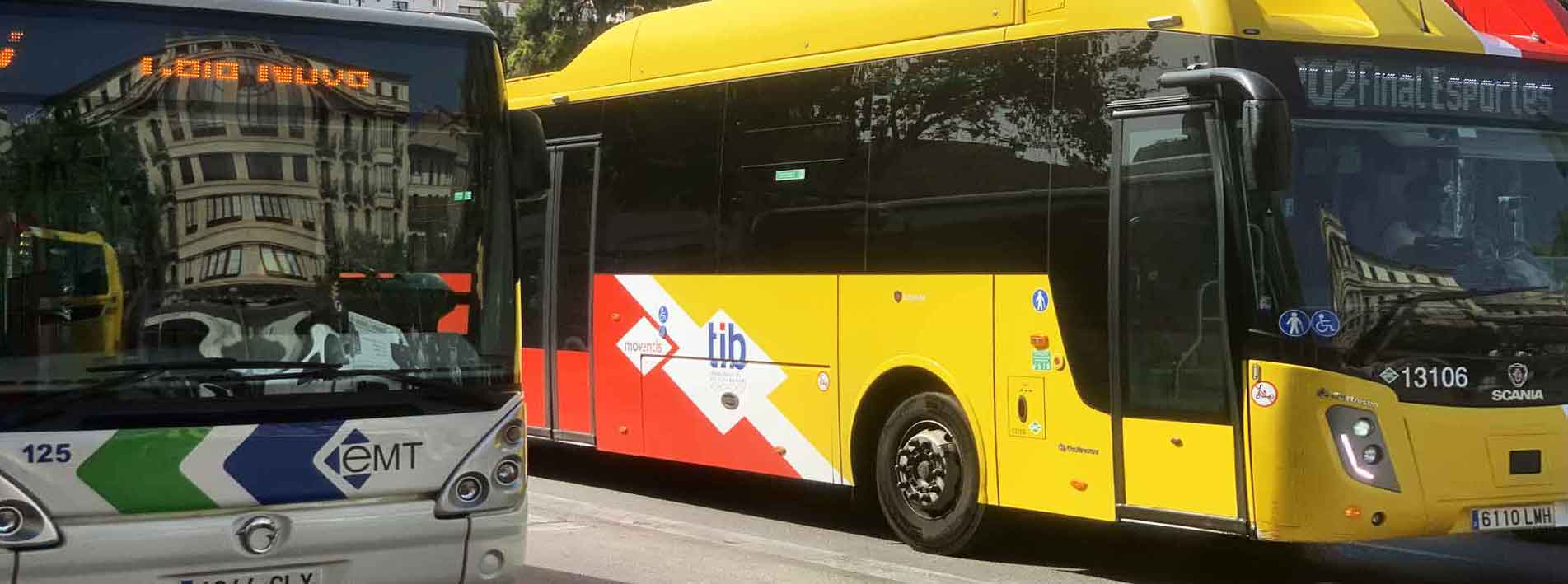
Yes, but with limitations. TIB lines connect Palma with Llucmajor, Campos, Santanyí and Colònia de Sant Jordi, and there are local connections to the busiest beaches. However, to reach coves such as Caló des Moro or Cala Llombards, a car or taxi is more practical. If you don’t want to drive, one option is to stay in a well-connected base such as Llucmajor or Colònia de Sant Jordi and use the bus for short outings.
What is the best time to explore the south?
Late May, June and September are the ideal months: pleasant temperatures, fewer people than in July and August, and the sea in good condition. October is also highly recommended, with the advantage that crowds drop and the water is still warm. In winter, the south is quiet and authentic, but some establishments close and the atmosphere is more limited.
Where are the best sunsets in the south?
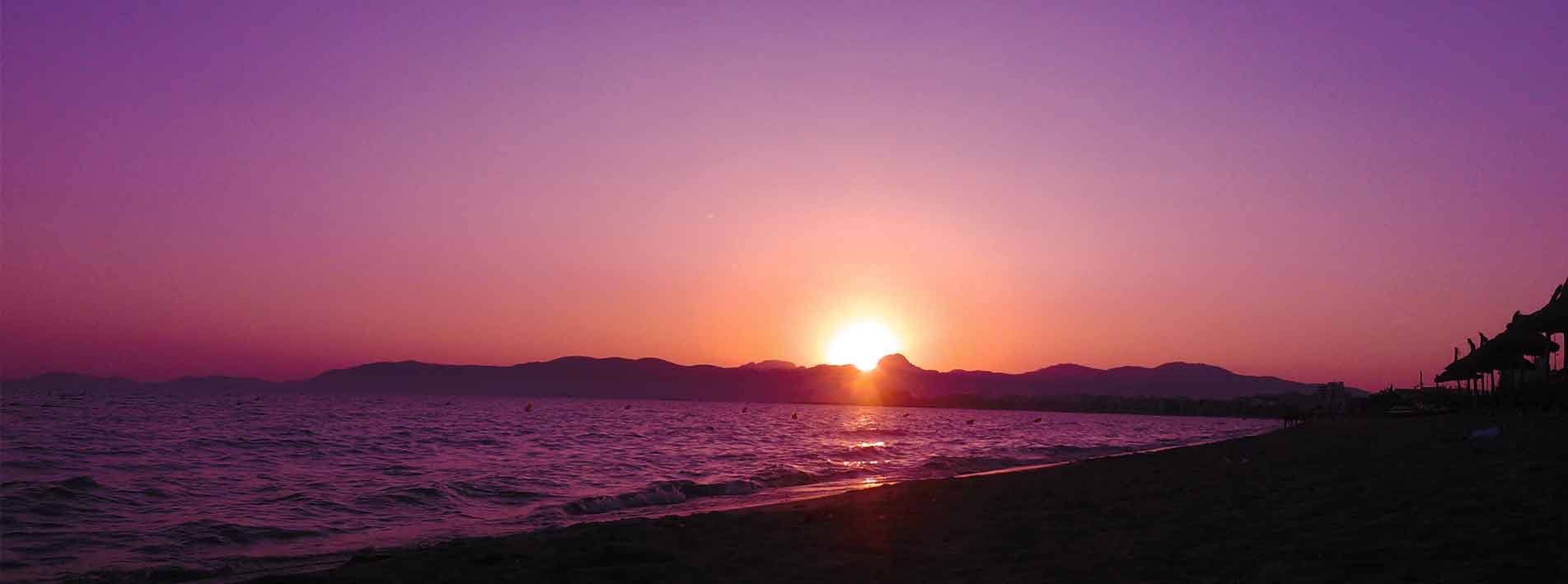
The Es Trenc salt flats are one of the best places to watch the sunset, with the salt ponds turning pink and orange. The Es Pontàs viewpoint in Santanyí, the Cap Blanc coast in Llucmajor and the west-facing terraces of Colònia de Sant Jordi are also highlights. Any elevated point with sea views works well in the last hours of the day.
Is it easy to park at Es Trenc in summer?
No. Parking at Es Trenc is limited and fills up early in July and August. The most practical approach is to arrive before 10:00, use the designated paid car parks or walk in from Ses Covetes. There are also public transport and shuttle options in high season.
Which coves in the south are suitable for families with children?
Cala Santanyí and Cala Mondragó are the most suitable: calm waters, fine sand and services. Cala Llombards also works well for families, although access requires descending stairs. Caló des Moro and Cala Pi are more difficult with small children due to access and the lack of services.
Is it worth visiting the Salobrar de Campos?
Yes, especially if you are interested in nature and birdwatching. It is one of the most important wetlands in Spain and an ideal place for a quiet visit, with observatories and trails. It is not a beach visit, but it is a highly recommended experience for those seeking the most authentic side of the south.
Should you book restaurants in the south of Mallorca?
Highly recommended, especially in Santanyí, Colònia de Sant Jordi and Cala d’Or. The offer is good, but demand is high in season. If you want to dine at a restaurant with a view or at a specific establishment, book one or two days in advance, or more at weekends.
[/vc_column_text]