
East Coast of Mallorca
The east coast of Mallorca is the island’s best-kept secret in plain sight. While the south draws crowds to Es Trenc and the west captivates with the Tramuntana, the east coast of Mallorca moves to a different rhythm: slower, quieter, more agricultural. This is the Mallorca of the Llevant, a region of gentle hills, dry-stone walls, caves carved by water over millennia and fishing villages that still smell of salt and diesel. It is not a destination of mass tourism, although it has its busy pockets. It is a destination for those who want to understand how the island really works.
The east: Caves, Coves and the Quiet Llevant
The east coast of Mallorca stretches roughly from Cala Ratjada in the north to Cala Figuera in the south, encompassing the municipalities of Capdepera, Artà, Sant Llorenç des Cardassar, Son Servera and Manacor. Along the way, it alternates dramatic caves, long family beaches, hidden coves reached only on foot and a hinterland of stone villages and vineyards that few visitors ever see.
 Characteristics of the East Coast of Mallorca
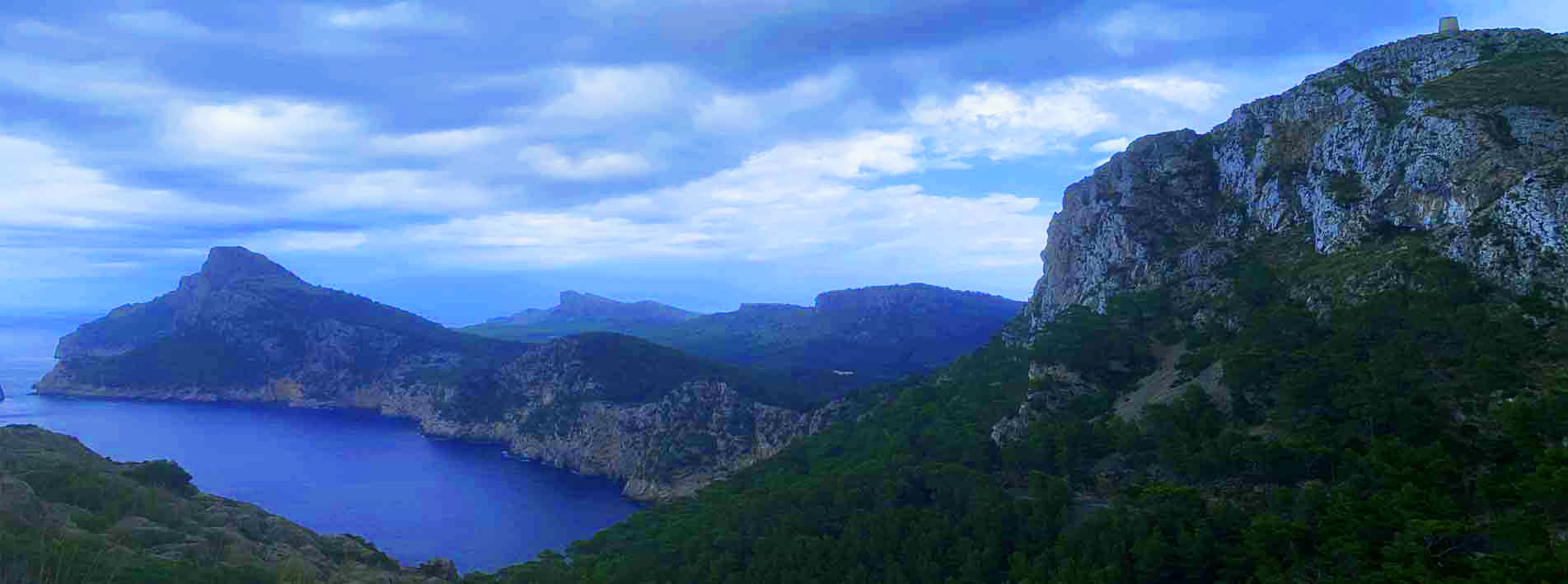
The east coast of Mallorca is defined by three elements: caves, coves and the Llevant plain. Unlike the west, there are no great mountains falling into the sea here. The landscape is gentler, with low cliffs, rolling hills and a coastline that hides its treasures: small calas between rocks, caves that open onto the sea and beaches that stretch for kilometres.
The climate is Mediterranean, with hot, dry summers and mild winters. The east receives slightly less rainfall than the Tramuntana, and the sea stays warm well into October. The light here is different too: softer in the morning, golden in the afternoon, perfect for the photographers who have been coming to this coast for decades.
The east coast of Mallorca is also the most authentically rural of the island’s coastal regions. The interior is still farmed, the villages still have their weekly markets and the fishing ports still function as fishing ports, not just as tourist backdrops. This is the Mallorca that exists beyond the postcards.
 The East Coast: Beaches and Coves
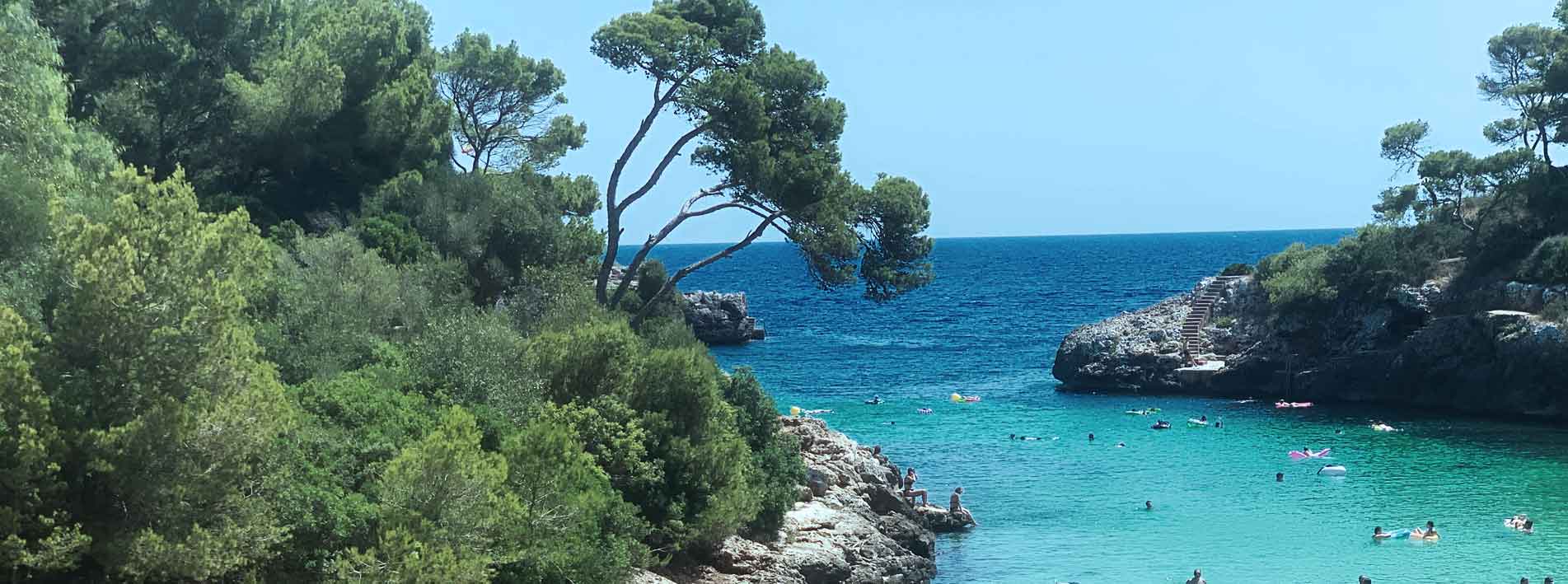
The east coast of Mallorca concentrates some of the island’s most varied beaches and coves. Cala Ratjada is the northern gateway, a former fishing port that has grown into a lively resort while keeping its harbour atmosphere. Nearby, Cala Agulla offers a long stretch of fine sand backed by pine trees, and Cala Mesquida, a little further south, is a protected natural beach with dunes and a wilder feel.
Continuing south, Cala Millor and Sa Coma are the family heartland of the east coast: wide, shallow beaches with every service imaginable. S’Illot, just next door, is quieter and has a Talayotic site right by the sand. Porto Cristo marks the transition to the more rugged south-east, with its harbour, its caves and a small urban beach.
South of Porto Cristo, the coast becomes more dramatic. Cala Romántica and Cala Anguila are sheltered coves with turquoise water, while Cala Varques is the great reward for those willing to walk: a virgin cove with no services, reached by a path from the main road, where the only sound is the sea. Further south still, Cala Murada, Cales de Mallorca and Portocolom close the eastern coastline before it merges into the south.
Each of these beaches and coves has its own detailed post on Allmallorca. Here we only mention them so you have the complete map of the east coast of Mallorca.
 Villages of the East Coast: The Essentials
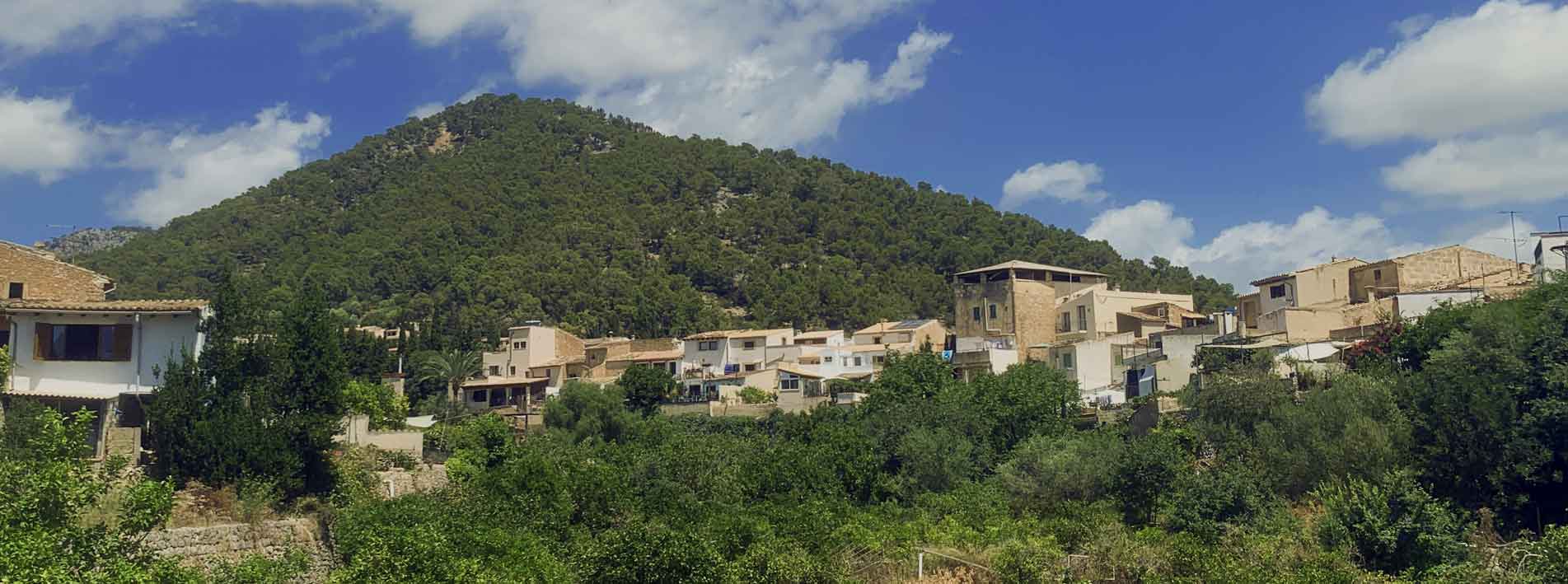
The villages of the east coast of Mallorca are the soul of the region. Artà is the historic capital of the Llevant, a town of golden stone dominated by the Sant Salvador sanctuary on the hill above. Its Tuesday market is one of the best on the island, and its streets have resisted the worst excesses of tourism.
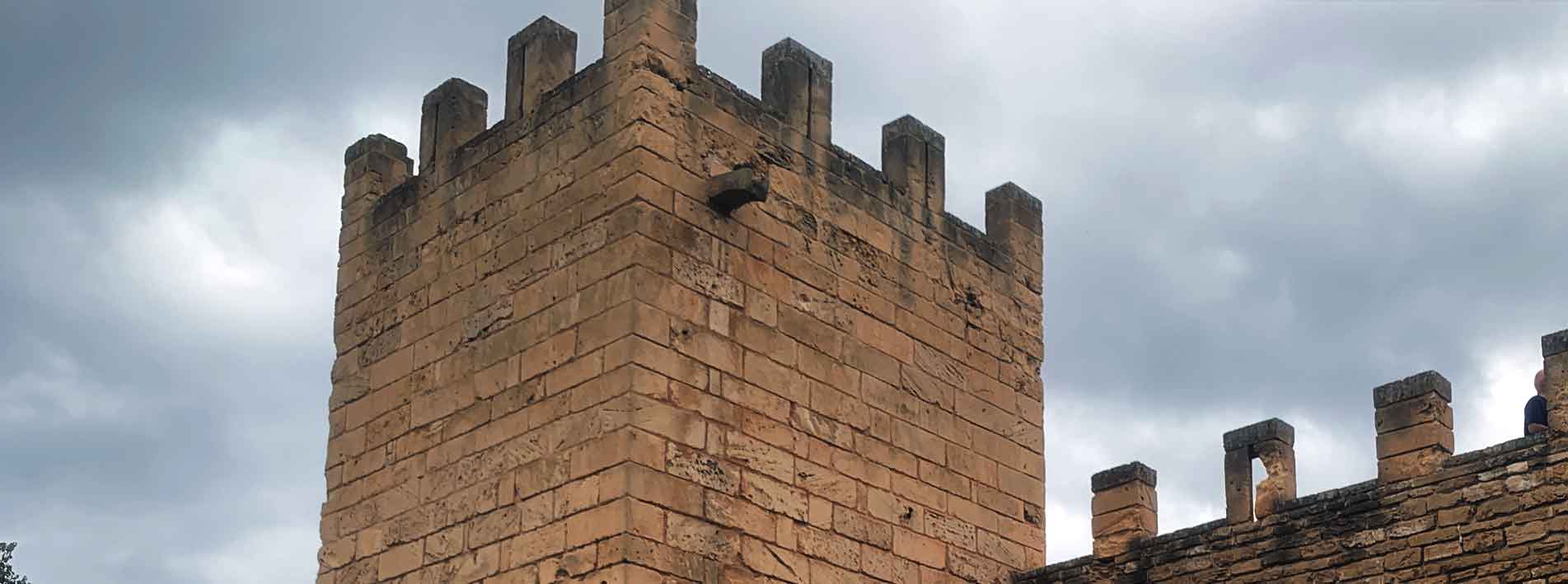
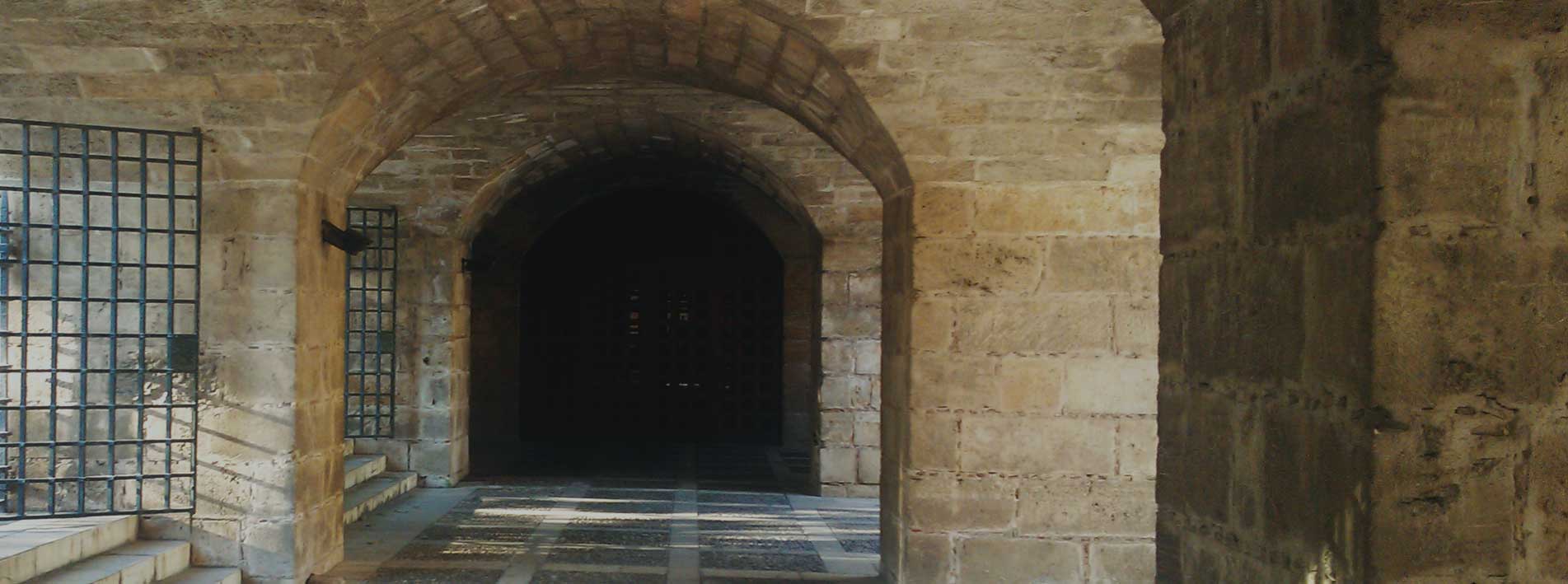
Capdepera is smaller but equally compelling, with a medieval castle that once guarded the coast against pirates and views that stretch to Menorca on clear days. Son Servera, inland from Cala Millor, is a working town with a market and a church that dominates the plain. Sant Llorenç des Cardassar is rural Mallorca at its most authentic, with stone houses and a pace of life that has barely changed in decades.
Manacor is the largest town in the east and the economic engine of the Llevant. It is not a pretty village, but it is a real city, with a museum, a pearl factory, a modernist market and a history that goes back to Roman times. Porto Cristo and Portocolom are its harbours, two fishing ports that have become two of the most attractive coastal villages on the east coast of Mallorca.
 What to Do on the East Coast of Mallorca
The east coast of Mallorca is not just about lying on the sand. The range of activities is wide and varied, allowing you to combine days at the sea with nature, culture and sport.
Hiking and Cycling
The east is a paradise for walkers and cyclists. The new GR 226 East Mallorca route, inaugurated in 2026, crosses the Llevant over 100 kilometres in four stages, connecting Calas de Mallorca with Manacor, Son Carrió, Artà and Cala Mesquida, with low difficulty and designed for both hikers and cyclists [citation:5]. It is the best way to discover the interior of the east coast of Mallorca on foot.
For cyclists, the secondary roads of the Llevant are a joy: little traffic, good surfaces and a landscape that alternates vineyards, almond groves and dry-stone walls. The area around Manacor, Sant Llorenç and Artà is particularly popular with road cyclists and gravel riders looking for quiet routes.
 Water Sports
The east coast of Mallorca offers excellent conditions for water sports. The caves and rocky seabeds of the east are a magnet for divers, especially around Porto Cristo and the Coves d’Artà. Snorkelling is rewarding in the clearer coves of the south-east, such as Cala Varques or Cala Anguila. Kayaking and paddle surfing are popular in Cala Ratjada, Cala Millor and Portocolom, and boat trips with glass bottoms depart from Sa Coma and Cala Millor to explore the coast and its sea caves [citation:10].
Cultural Activities
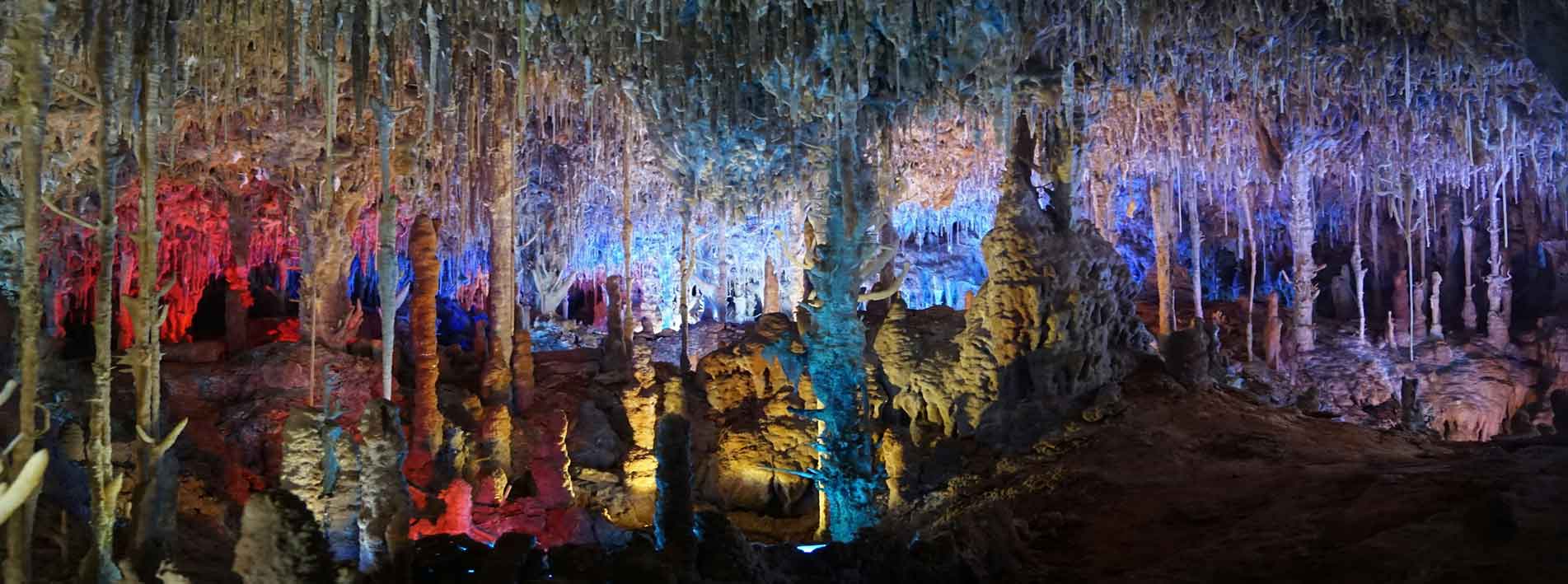
Culture on the east coast of Mallorca is inseparable from its history. The Coves del Drach and Coves dels Hams in Porto Cristo are the region’s most famous natural monuments, with underground lakes and classical music concerts. The Sant Salvador sanctuary in Artà and the Castell de Capdepera are the two great historical landmarks of the Llevant. The Majorica pearl factory in Manacor offers guided visits, and the town’s Museum of History covers everything from prehistory to the present. And the weekly markets of Artà (Tuesdays), Manacor (Mondays) and Porto Cristo (Thursdays and Sundays) are the best way to see the real life of the region.
 Other Activities
Golf has a presence in the east, with courses such as Canyamel and Pula, which attract players from across Europe. Wellness is also well served, with several country hotels and agrotourism estates offering spas and treatments. And for birdwatching, the wetlands of the Llevant and the coast around Cala Mesquida are rewarding, especially during migration seasons.
 Theme Parks and Leisure on the East Coast
The east coast of Mallorca has a good range of leisure options, especially for families.
Aqualand El Arenal is technically in the south, but it is easily accessible from the east and is the largest water park in Mallorca, with slides, wave pools and a children’s area. Hidropark Alcúdia is further north, but also an option for a day out. On the east coast itself, the Coves del Drach and Coves dels Hams are the most popular paid attractions, combining nature, music and history in a way that works for all ages. And for a different kind of adventure, the glass-bottom boat trips from Sa Coma and Cala Millor offer a family-friendly way to see the coast and its sea caves from the water.
 Climate on the East Coast of Mallorca
The east coast of Mallorca has a Mediterranean climate, with hot, dry summers and mild winters. The average annual temperature is around 17-18 °C, with highs in July and August exceeding 30 °C and winter lows rarely dropping below 5-8 °C.
Rainfall is concentrated in autumn, especially in October and November, and is slightly lower than in the Tramuntana. Summer is practically dry, with July being the month of lowest rainfall. Sunshine hours are high, and the sea reaches its most pleasant temperature between June and October, peaking in August and September at around 26 °C.
The best time to visit the east coast of Mallorca depends on what you are looking for. Late May, June and September are the perfect combination: good weather, pleasant water and fewer people than in high summer. July and August are the busiest months, especially on the family beaches of Cala Millor and Sa Coma. October is still excellent for swimming and exploring the interior. And winter, although cooler, offers a quiet, authentic east coast, with empty villages and a light that is perfect for walking.
 Where to Stay on the East Coast of Mallorca: Accommodation Types and Who They Suit
Accommodation on the east coast of Mallorca is varied and clearly conditioned by the area. The choice depends on the kind of trip you are looking for.
Cala Millor, Sa Coma and Cala Ratjada: Family Beaches and Services
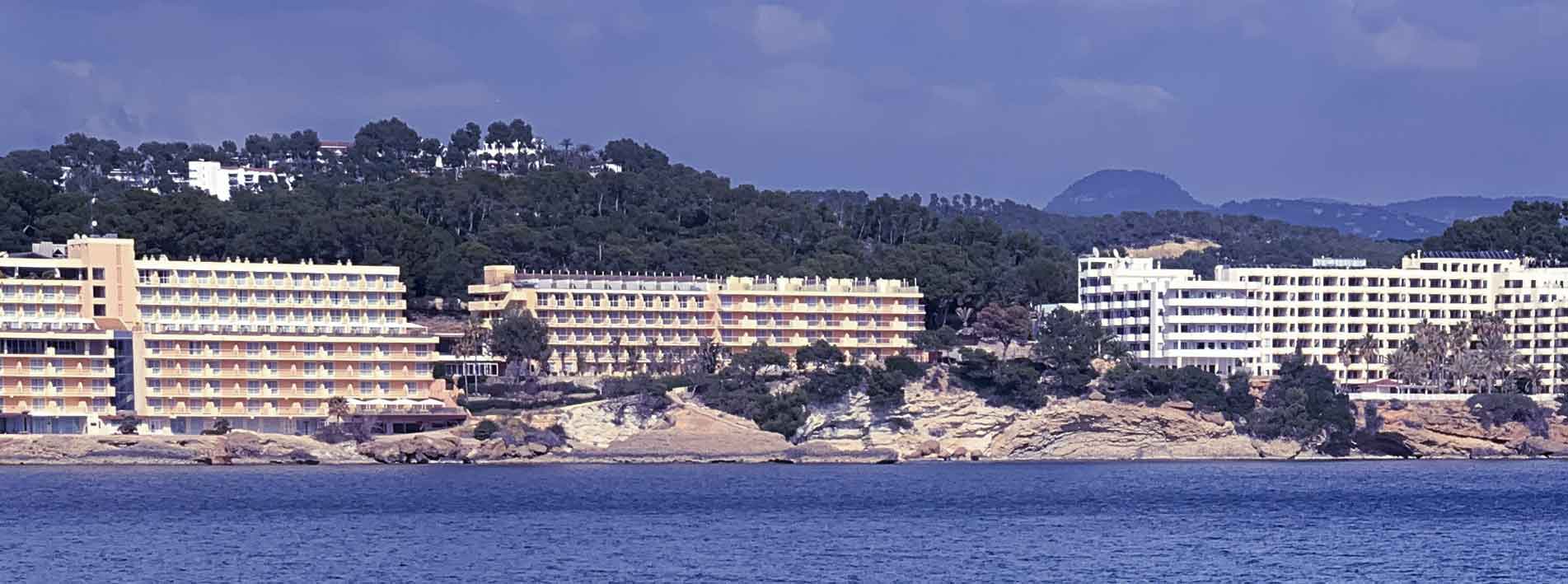
These are the most popular coastal resorts on the east coast, with a wide range of hotels, apartments and services. Cala Millor and Sa Coma are ideal for families with small children, with shallow waters and every service imaginable. Cala Ratjada is livelier, with a harbour, a promenade and a good mix of restaurants and bars. It is the most suitable area for those who want comfort, services and not depending on a car for every trip.
 Porto Cristo and Portocolom: Harbour Charm
Porto Cristo and Portocolom offer a more authentic base, with fishing harbours, seafront restaurants and a pace that is slower than the big resorts. Porto Cristo is ideal for exploring the caves and the south-east coast, while Portocolom is perfect for those who want a quieter, more residential atmosphere with easy access to the beaches of the south-east.
Artà and Capdepera: Interior and Heritage
Staying in Artà or Capdepera means waking up in a stone village, with a market, a castle and a sense of history that the coast cannot offer. It is the ideal option for couples and travellers who value authenticity and are happy to drive to the beach. The interior of the Llevant is also home to some of the best agrotourism estates on the island.
Cala d’Or and the South-East Coves: Shelter and Style
Cala d’Or is a small resort with a distinctive whitewashed, Mediterranean style, built around a series of sheltered coves. It is a good option for couples and families looking for a quieter base with services, and for those who want to explore the coves of the south-east, such as Cala Mondragó or Cala Llombards.
 Itineraries for the East Coast of Mallorca: 1, 2 or 3 Days
The east coast of Mallorca is easy to explore, with short distances between villages and beaches. These itineraries are designed to make the most of your time.
East Coast of Mallorca in 1 Day
Recommended route: Porto Cristo – Coves del Drach – Cala Millor – Artà.
Start early at the Coves del Drach in Porto Cristo, one of the most impressive natural monuments on the island. Then take a short stroll around the harbour before driving north to Cala Millor for lunch and a swim. In the afternoon, head inland to Artà, climb to the Sant Salvador sanctuary for the views and wander its stone streets before the sun goes down.
East Coast of Mallorca in 2 Days
Day 1: Cala Ratjada – Cala Agulla – Cala Mesquida. Spend the morning at Cala Agulla, have lunch in Cala Ratjada and spend the afternoon at the wilder Cala Mesquida.
Day 2: Porto Cristo – Coves dels Hams – Cala Varques or Cala Romántica – Portocolom. Visit the caves in the morning, swim in one of the south-east coves in the afternoon and finish with a stroll around Portocolom’s harbour.
East Coast of Mallorca in 3 Days
Day 1: Cala Ratjada – Cala Agulla – Cala Mesquida.
Day 2: Artà – Capdepera – Cala Millor. Combine the heritage of the two inland villages with an afternoon on the beach.
Day 3: Porto Cristo – Coves del Drach – Cala Varques – Portocolom. The caves, a virgin cove and a fishing harbour: the essence of the east coast in one day.
 Frequently Asked Questions about the East Coast of Mallorca
Can you visit the east coast of Mallorca without a car?
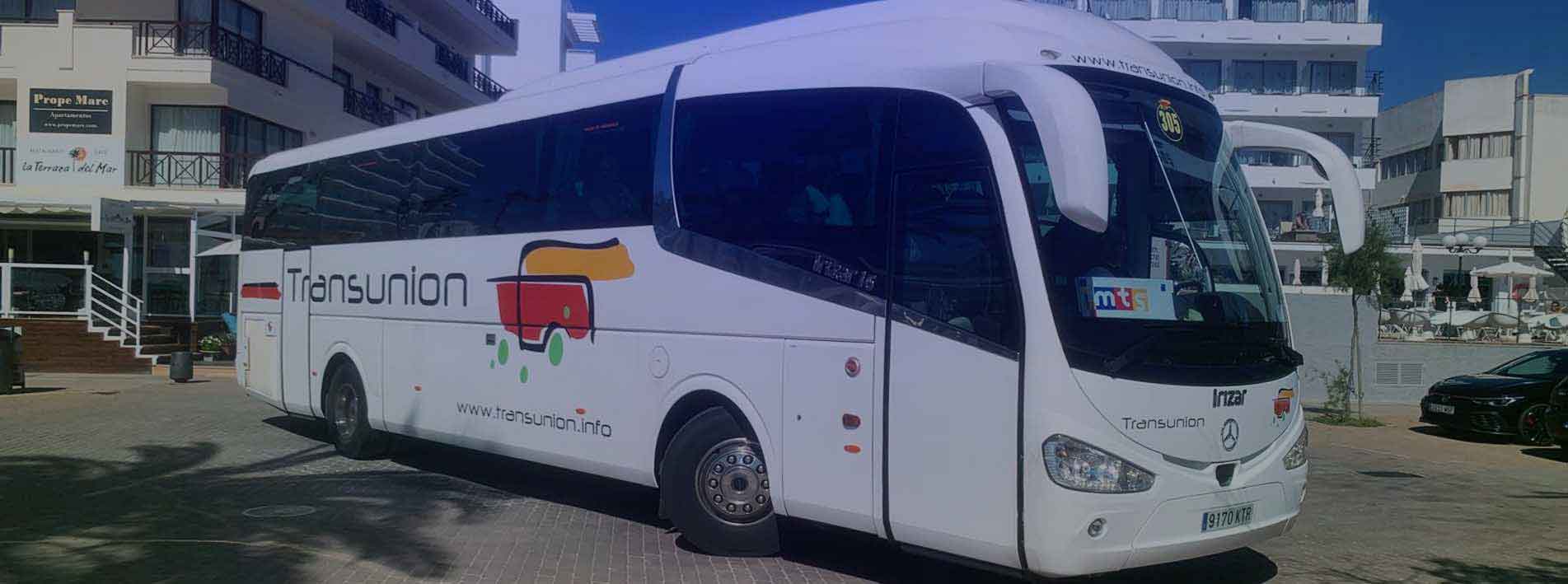
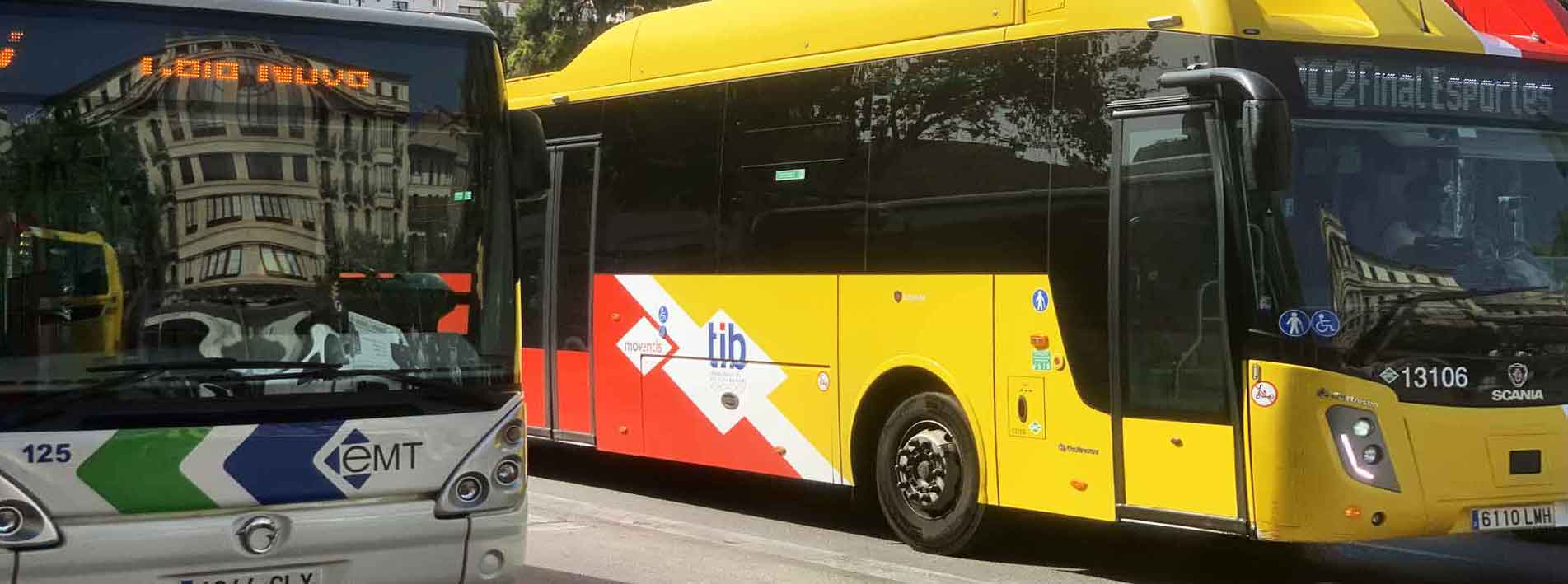
Yes, but with limitations. TIB lines connect Palma with Manacor, Artà, Cala Ratjada, Cala Millor and Porto Cristo, and there are local connections between the main resorts. However, to reach coves such as Cala Varques or Cala Mesquida, a car or taxi is more practical. If you don’t want to drive, one option is to base yourself in Cala Millor or Porto Cristo and use the bus for short outings.
What is the best time to explore the east coast?
Late May, June and September are the ideal months: pleasant temperatures, fewer people than in July and August, and the sea in good condition. October is also highly recommended, with the advantage that crowds drop and the water is still warm. In winter, the east coast is quiet and authentic, but some establishments close.
Where are the best sunsets on the east coast?
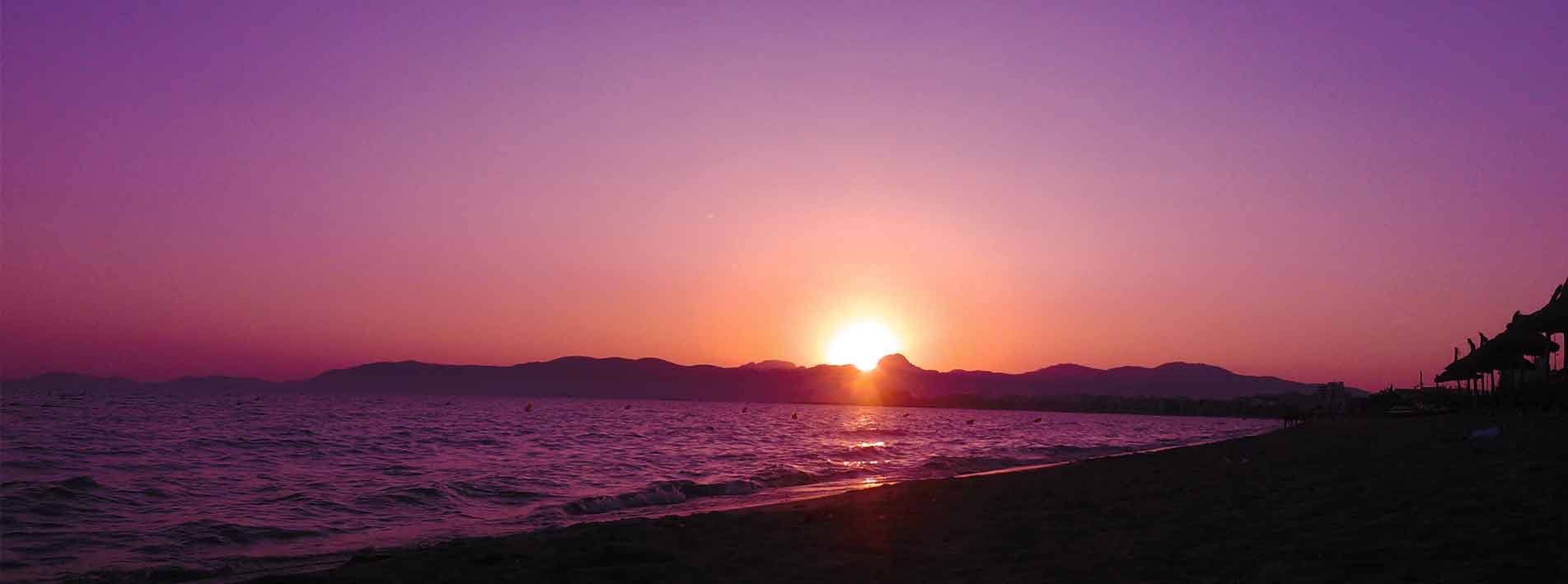
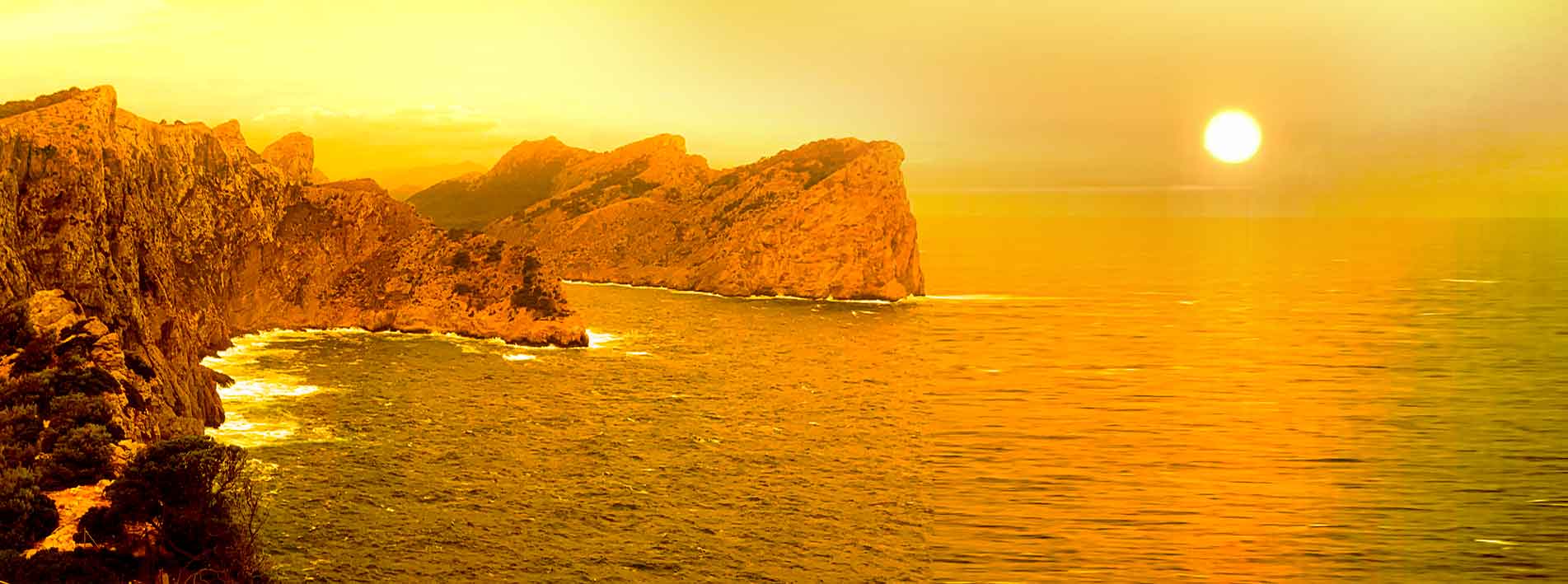
The east coast faces east, so the sunsets are behind the land, not over the sea. That said, the light at the end of the day is beautiful from the Sant Salvador sanctuary in Artà, from the castle of Capdepera and from the harbours of Porto Cristo and Portocolom. For a sunset over the water, you need to head to the west coast.
Is it easy to park at the beaches of the east coast in summer?
No. The most popular beaches, such as Cala Agulla, Cala Mesquida and Cala Millor, have limited parking and fill up early in July and August. The most practical approach is to arrive before 10:00, use the designated car parks or take the bus where available. For Cala Varques, parking is on the main road and the rest is on foot.
Which beaches on the east coast are suitable for families with children?
Cala Millor and Sa Coma are the most suitable: shallow waters, fine sand and full services. Cala Agulla and Cala Romántica are also good options, with calm waters and services nearby. Cala Varques and Cala Mesquida are more difficult with small children due to access and the lack of services.
Is it worth visiting the Coves del Drach and Coves dels Hams?
Yes, both are unique natural monuments. The Coves del Drach are larger and include a classical music concert on the underground lake, while the Coves dels Hams are smaller but have very distinctive formations. They are among the most visited attractions on the island, so booking in advance is recommended.
Should you book restaurants on the east coast of Mallorca?
Highly recommended, especially in Porto Cristo, Portocolom, Artà and Cala Ratjada. The offer is good, but demand is high in season. If you want to dine at a restaurant with a view or at a specific establishment, book one or two days in advance, or more at weekends.