
The northeast of Mallorca is the part of the island that still takes its time. While the south fills up with sunbeds and the west becomes a constant trickle of hikers, the northeast of Mallorca offers something increasingly hard to find in the Mediterranean: space, silence and the feeling that the landscape isn’t there for the visitor, it’s simply there. This is the Mallorca of the Llevant, a peninsula of gentle mountains, coves that can only be reached on foot and stone villages where the weekly market is still the event of the week.
Northeast: The Wild Llevant, Virgin Coves and Stone Villages
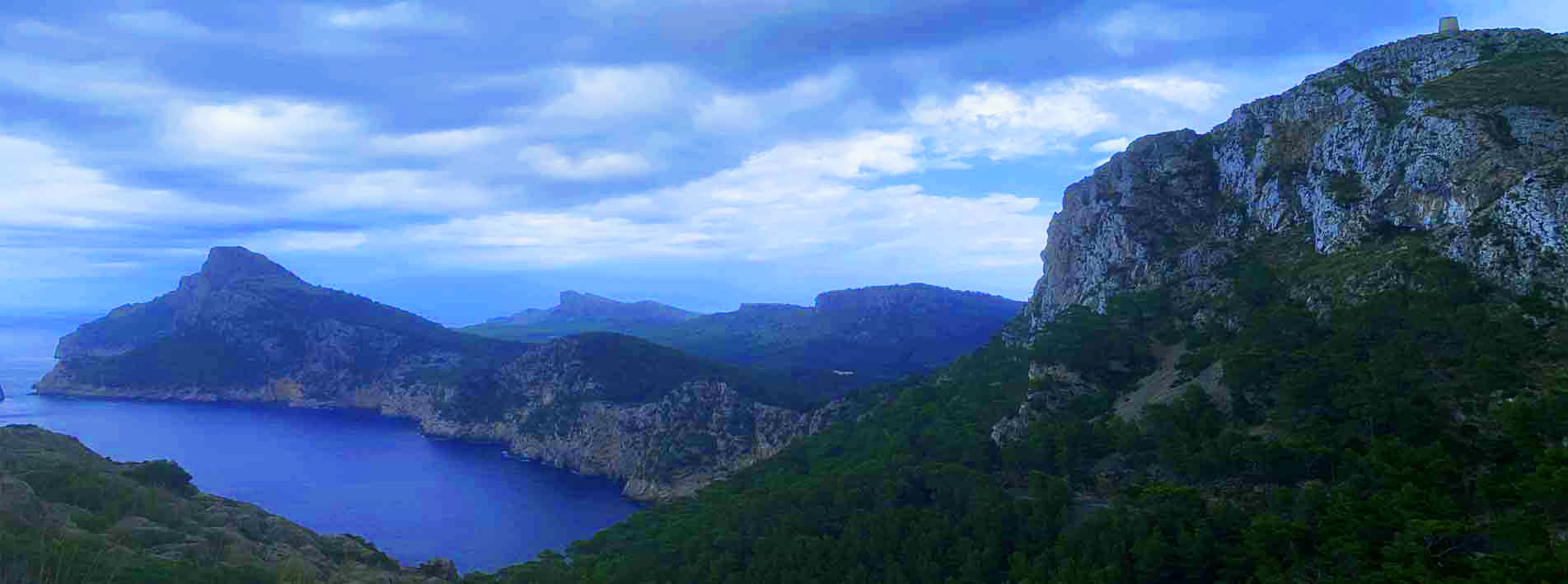
The northeast of Mallorca covers the municipalities of Artà, Capdepera, Sant Llorenç des Cardassar and part of Santa Margalida. Its heart is the Llevant Peninsula Natural Park, one of the most valuable protected areas in the Balearics, with over 17,000 hectares of land and sea that preserve some of the least altered stretches of coastline on the island. There are no large resorts on the seafront here, no promenades packed with souvenir shops. There are trails, cliffs, dunes and coves where the only sound is the wind through the pines.
 Characteristics of the Northeast of Mallorca
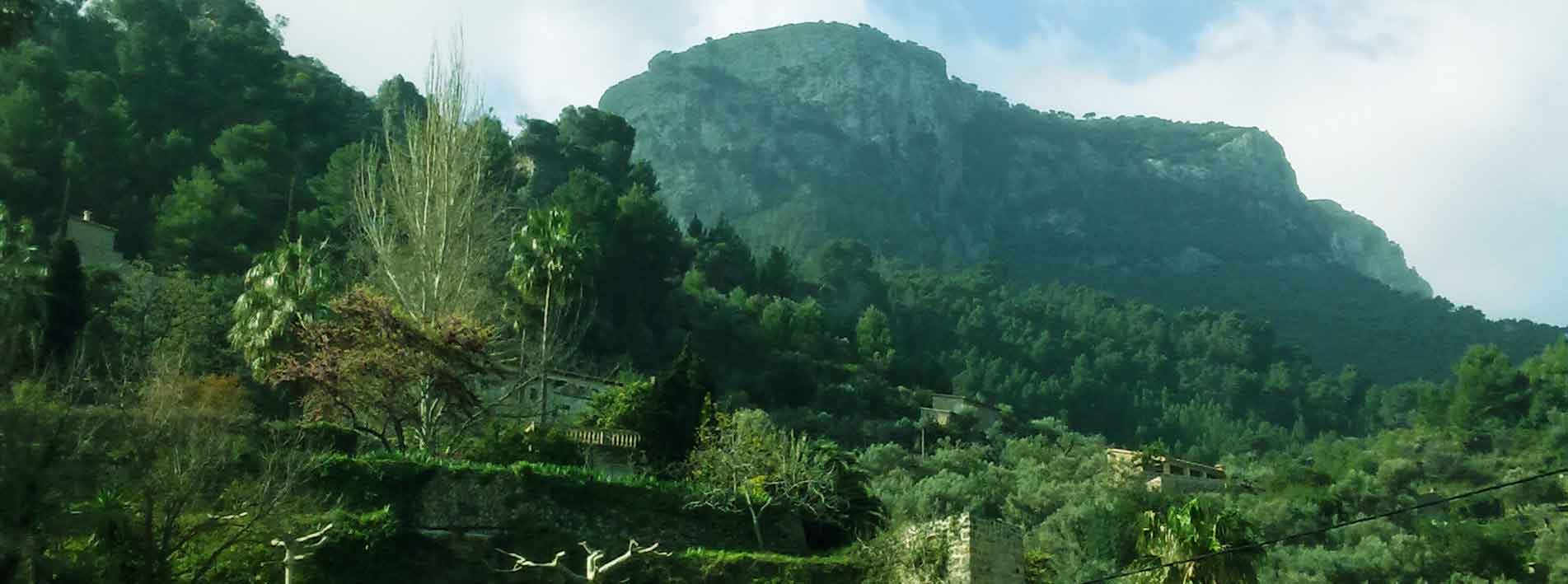
The northeast of Mallorca is defined by three elements: gentle mountains, unspoilt coast and a discreet human footprint. Unlike the Tramuntana, the mountains of the Llevant are neither vertical nor dramatic. They are limestone hills, covered with holm oaks, wild olives and pines, rising to 564 metres at Talaia Freda, from where you can see, on clear days, the silhouette of Menorca on the horizon.
The coast is the great treasure of this region. The Natural Park protects cliffs of over 200 metres, sea caves and coves with no road access. Many of them can only be reached on foot or by boat, and that limited access is precisely what has kept them intact. Cala Mesquida, with its dunes and long open beach, is the accessible exception; Cala Torta, Cala Mitjana and Arenalet d’Aubarca are the reward for those willing to walk.
The human footprint in the northeast of Mallorca is ancient and discreet. The talayots of Ses Païsses, near Artà, are one of the most important prehistoric sites on the island, over 3,000 years old. The villages of Artà and Capdepera preserve their medieval layout, their walls and a craft tradition, the llata, which is still alive in the hands of a group of artisans who weave palm leaves to make bags and hats.
 The Northeast Coast: Beaches and Coves
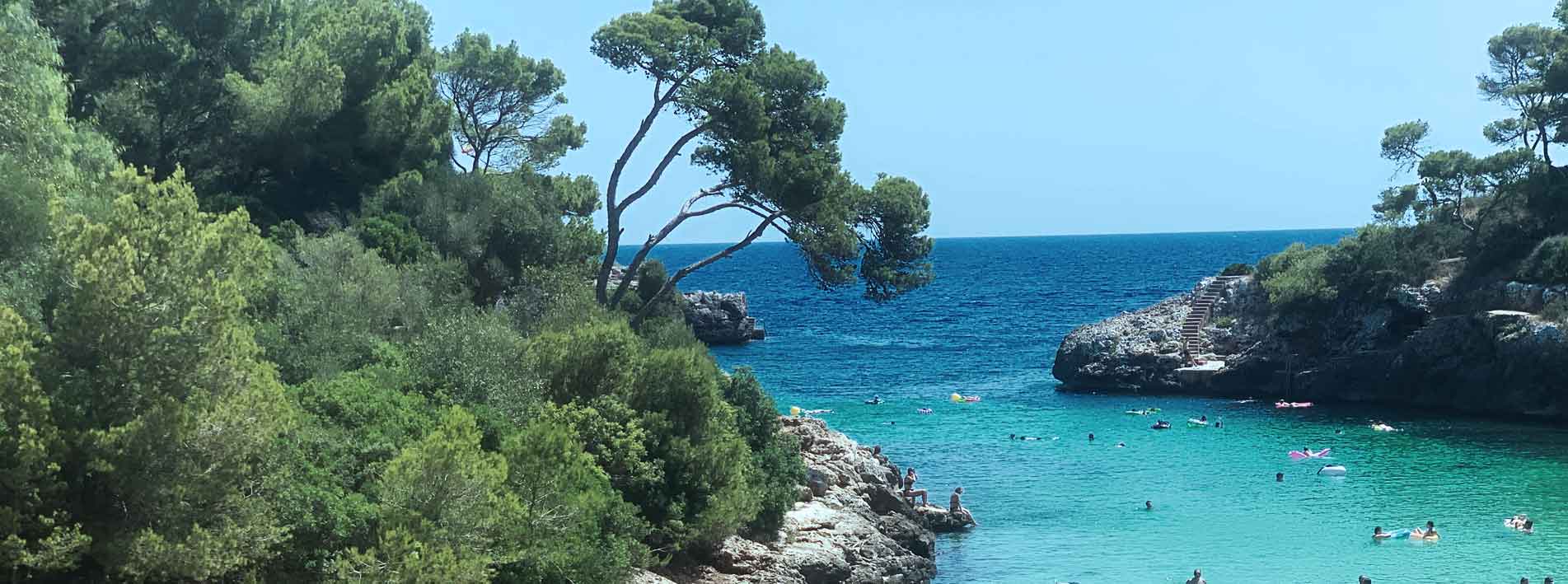
The coast of the northeast of Mallorca is a succession of coves that change character within a few kilometres. Cala Agulla, near Cala Ratjada, is the most accessible and one of the most beautiful: white sand, turquoise waters and a strip of pine trees that gives it shade and personality. It is a Blue Flag beach, wide and with services, but it retains a natural air that many others have lost.
A few minutes’ walk away, Cala Moltó is a small, sheltered cove with especially clear water, perfect for those seeking calm without giving up proximity to Cala Agulla. And a little further north, Cala Mesquida is something else: a long, open beach backed by protected dunes, with a wooden walkway that crosses the dune system and allows you to reach the sand without damaging it. It is a beach exposed to the northerly wind, which makes it a paradise for windsurfing and a place where you have to respect the currents.
Further south, within the natural park, the coves become wilder. Cala Torta, Cala Mitjana and Cala Estreta are among the best known, but they all share the same characteristic: no services, no beach bars, no lifeguard. Just sand, rock and water. Access is on foot, along signposted trails, and the reward is a swim in a setting that seems from another era.
Each of these beaches and coves has its own detailed post on Allmallorca. Here we only mention them so you have the complete map of the northeast of Mallorca.
 Villages of the Northeast: The Essentials
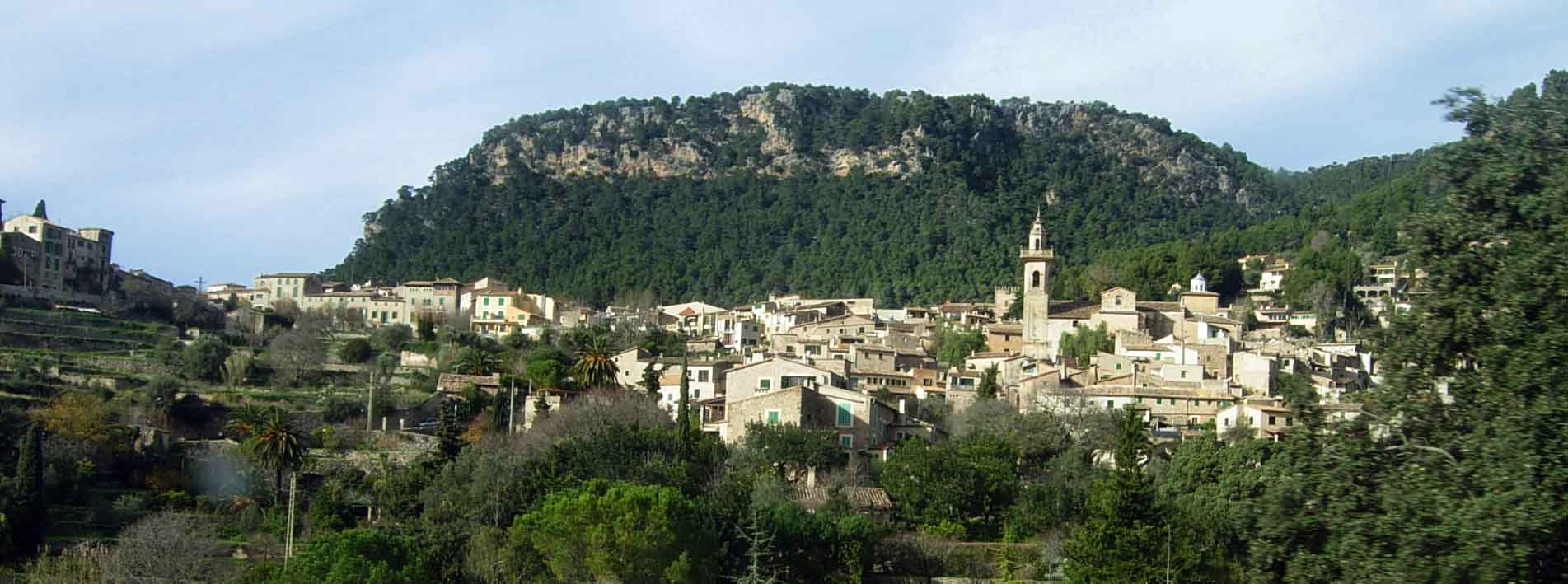
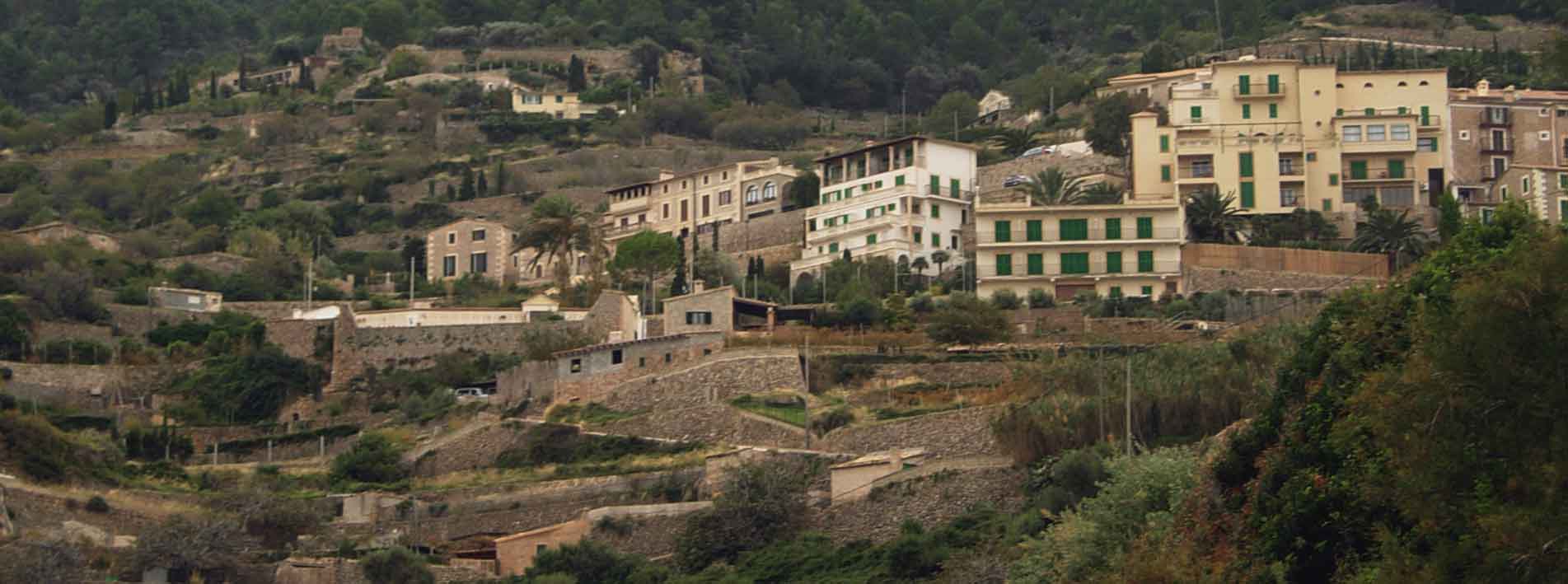
The villages of the northeast of Mallorca are the necessary counterpoint to so much nature. Artà is the historic capital of the Llevant, a golden-stone town organised around the hill of the Sant Salvador sanctuary. Its Tuesday market is one of the liveliest and most authentic on the island, with stalls selling local produce, crafts and an atmosphere that blends rural and tourist without losing its balance.
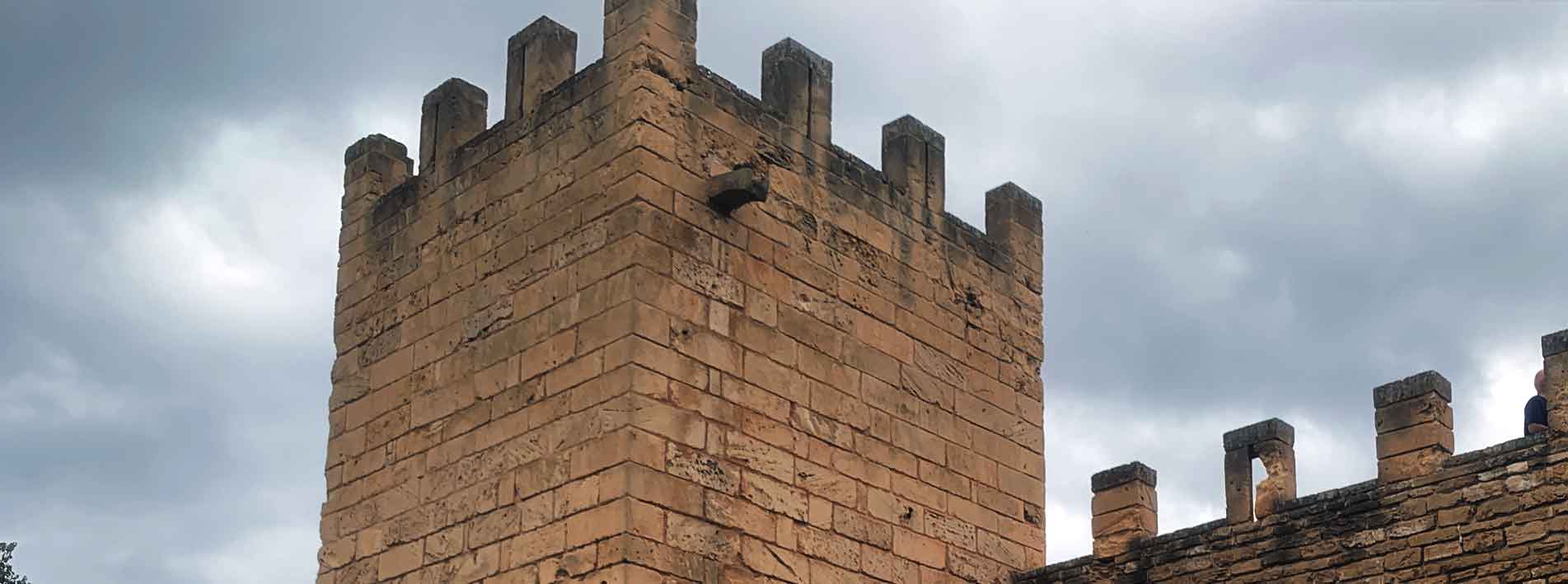
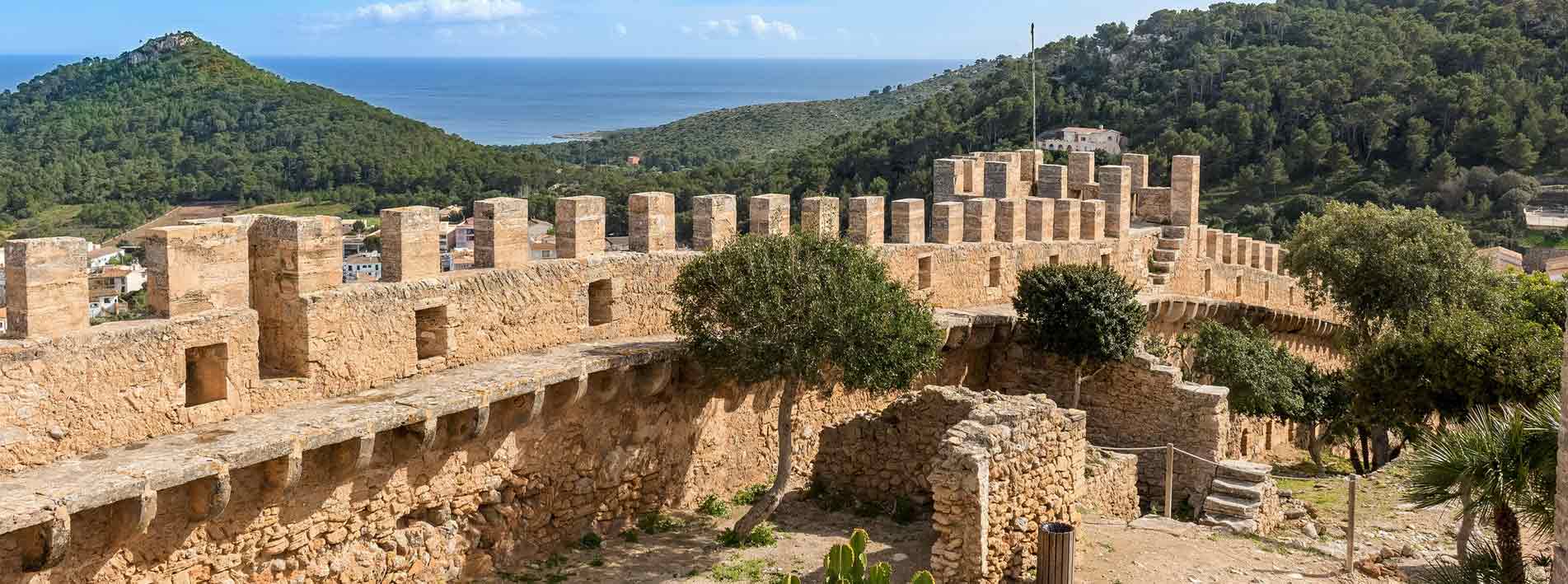
Capdepera is smaller but has one of the most photogenic elements of the region: its medieval castle, built in the 14th century to protect the coast from pirate attacks. From the top of its walls, the views reach the sea and, on clear days, the island of Menorca. The village also preserves the llata tradition, and it is possible to see the artisans at work in their workshops.
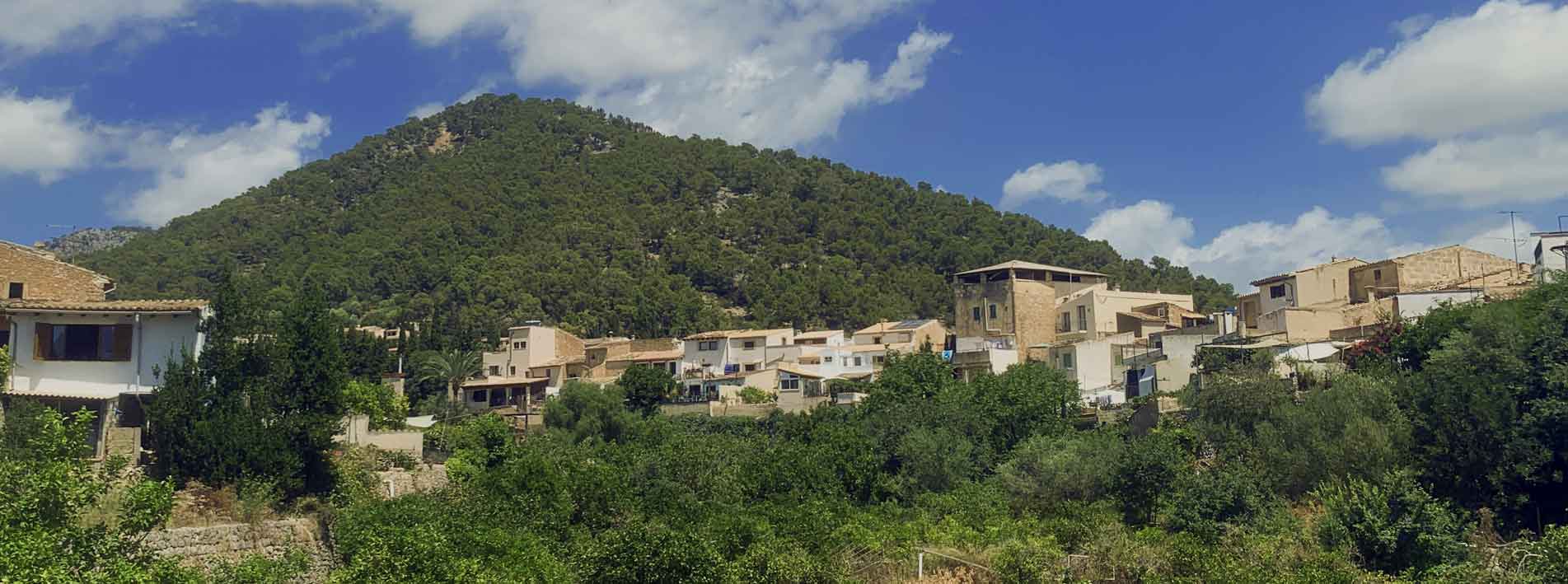
Cala Ratjada is the urban exception of the northeast. A former fishing port that has become a lively resort, with a promenade, restaurants and a wide hotel offer. Even so, it retains its 19th-century lighthouse and some corners that recall its seafaring past. Sant Llorenç des Cardassar and Son Servera complete the map of inland villages, with a pace of life that hasn’t changed in decades.
 What to Do in the Northeast of Mallorca
The northeast of Mallorca is, above all, a destination for walking. But not only. The range of activities combines hiking, beach, culture and a cuisine that relies on local produce.
Hiking and Cycling
The northeast is a paradise for hiking in Mallorca. The Llevant Peninsula Natural Park has 13 signposted itineraries, ranging from 1 to 6.5 kilometres, designed for all levels. The short routes are ideal for families or for combining with a swim; the medium ones allow you to climb to viewpoints such as Talaia Freda or Puig des Porrasser and finish at a cove.
The most emblematic route is the one connecting Cala Agulla with Cala Mesquida, a 3-4 kilometre path each way that crosses the Coll de Marina pine forest, skirts the coast and ends at the wooden walkway that crosses the dunes of Cala Mesquida. It is an easy walk, suitable for families, that allows you to enjoy two of the best beaches in the northeast without moving the car.
For the more ambitious, the GR 226 East Mallorca, inaugurated in 2026, crosses the Llevant in four stages of about 22-25 kilometres each, connecting Cales de Mallorca with Manacor, Son Carrió, Artà and Cala Mesquida. With low difficulty and complete signposting, it is one of the best ways to discover the interior of the region on foot.
For cyclists, the secondary roads of the Llevant offer quiet routes between vineyards, almond groves and stone villages. The Artà and Capdepera area is especially popular with road and gravel cyclists looking for little traffic and open landscapes.
 Water Sports
The coast of the northeast of Mallorca is ideal for snorkelling and diving, especially in the coves of the natural park, where Posidonia meadows keep the water clean and full of life. Cala Mesquida, with its exposure to the wind, is a reference point for windsurfing and kitesurfing, while Cala Agulla and Cala Moltó are more suitable for calm swimming and paddle surfing.
Boat trips from Cala Ratjada or Porto Cristo allow you to discover the cliffs and sea caves of the park from a perspective you can’t get from land. It is one of the best ways to see coves that would otherwise be out of reach.
 Cultural Activities
Culture in the northeast of Mallorca has two axes: history and craftsmanship. The Sant Salvador sanctuary, in Artà, is a 19th-century fortress-monastery built on an earlier church that served as a hospital during the Black Death. The climb of 180 steps between cypresses is a rite of passage for any visitor. The Castell de Capdepera offers medieval history and views, and the Talayotic site of Ses Païsses, on the outskirts of Artà, is a window into the Mallorca of 3,000 years ago.
The llata craft is the other great cultural heritage. In Capdepera and Artà, several generations of artisans have kept alive the weaving of palm leaves, a technique that produces bags, hats and baskets that are now sold in design shops around the world.
 Other Activities
Golf has a presence in the area, with courses such as Canyamel and Pula, which attract players from all over Europe. Wellness also has its place, with country hotels and agrotourism estates offering spas and treatments in an environment of absolute calm. And for food lovers, the region has an offer ranging from simple seafront restaurants to fine dining proposals such as Attik, at the Sentits Son Moll hotel in Cala Ratjada.
Theme Parks and Leisure in the Northeast
The northeast of Mallorca is not an area of large theme parks, but it has leisure options for families and for those looking for more than the beach.
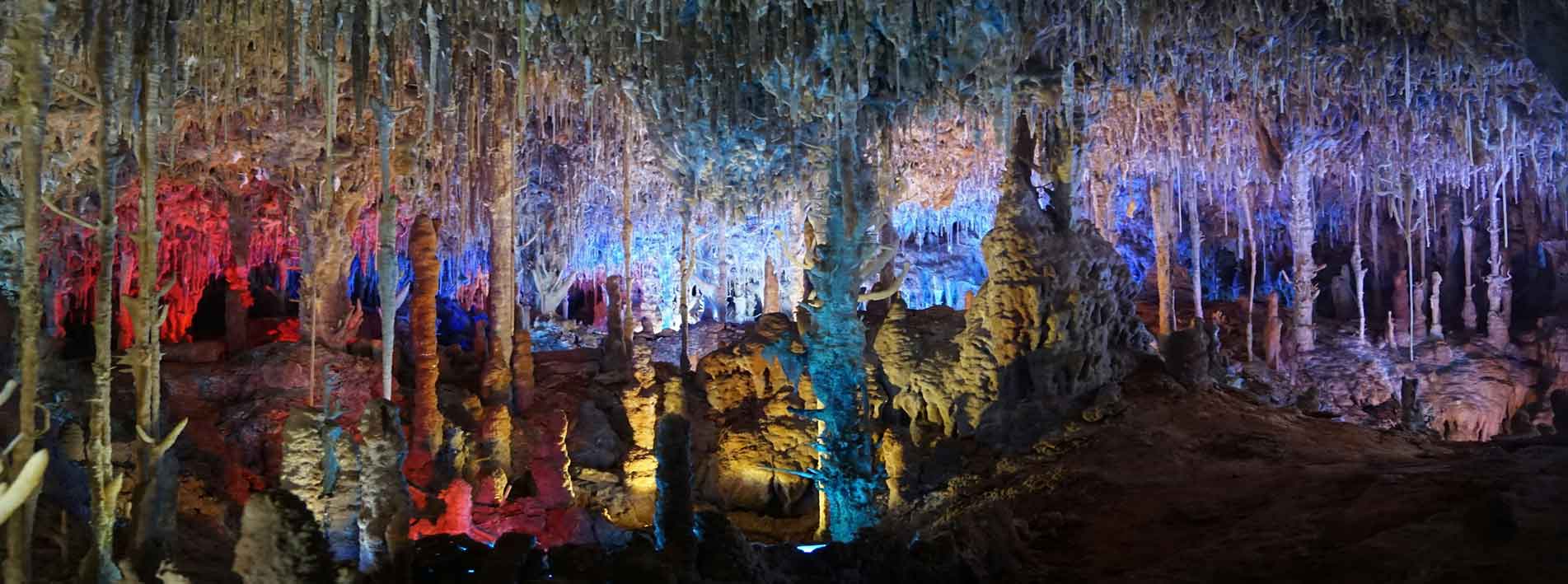
The Coves del Drach and Coves dels Hams, although technically in Porto Cristo (on the edge of the northeast), are the most popular paid attractions in the area, with underground lakes and classical music concerts. The Castell de Capdepera is a mini adventure for children, with towers to climb and space to explore. And for nature lovers, the hiking routes of the natural park are the best adventure park possible, with hidden coves, viewpoints and Mediterranean forests.
 Climate in the Northeast of Mallorca
The northeast of Mallorca has a Mediterranean climate, with hot, dry summers and mild winters. The average annual temperature is around 17-18 °C, with highs in July and August exceeding 30 °C and winter lows rarely dropping below 5-8 °C.
Rainfall is concentrated in autumn, especially in October and November, and is somewhat more abundant than in the south, due to the influence of the Llevant mountains. Summer is practically dry, and sunshine hours are high, with more than 2,800 hours of sun a year. The sea reaches its most pleasant temperature between June and October, peaking in August and September at around 26 °C.
The best time to visit the northeast of Mallorca depends on what you are looking for. Late May, June and September are the perfect combination: good weather, pleasant water and fewer people than in high summer. July and August are the busiest months, especially in Cala Agulla and Cala Mesquida. October is still excellent for swimming and hiking, with the advantage that crowds drop considerably. And winter, although cooler, offers a quiet, authentic northeast, with almost empty villages and a light that is perfect for walking.
 Where to Stay in the Northeast of Mallorca: Accommodation Types and Who They Suit
Accommodation in the northeast of Mallorca is varied and clearly conditioned by the area. The choice depends on the kind of trip you are looking for.
Cala Ratjada and Cala Agulla: Beaches and Services
Cala Ratjada is the most touristy centre in the northeast, with a wide offer of hotels, apartments and services. It is the most comfortable option for those seeking beach, restaurants and not depending on a car for every trip. Cala Agulla, on the outskirts, offers a quieter atmosphere and an exceptional beach, with hotels and apartments a short distance from the sand.
Artà and Capdepera: Interior and Heritage
Staying in Artà or Capdepera means waking up in a stone village, with a market, a castle and a sense of history that the coast cannot offer. It is the ideal option for couples and travellers who value authenticity and don’t mind driving to the beach. The interior of the Llevant is also home to some of the best agrotourism estates on the island, many in estates surrounded by olive trees and vineyards.
Cala Mesquida: Nature and Dunes
Cala Mesquida offers a different experience: a natural beach backed by dunes, with a small, quiet development around it. It is ideal for families looking for beach and nature without giving up basic services, and for those who want to be close to the natural park without straying too far from civilisation.
Porto Cristo and the Southern Edge of the Northeast: Harbour and Caves
Porto Cristo, on the southern edge of the northeast, offers a base with a harbour, fish restaurants and access to the caves. It is a practical option for exploring both the northeast and the east coast, and has a mid-scale hotel offer that works well for families and couples.
 Itineraries for the Northeast of Mallorca: 1, 2 or 3 Days
The northeast of Mallorca is easy to explore, with short distances between villages, beaches and trails. These itineraries are designed to make the most of your time.
Northeast of Mallorca in 1 Day
Recommended route: Cala Agulla – hike to Cala Mesquida – Artà.
Start early at Cala Agulla to enjoy the beach before the crowds arrive. Mid-morning, take the path to Cala Mesquida (3-4 km, easy) and enjoy the walk through pine trees and dunes. Have lunch in Cala Mesquida or back at Cala Agulla, and in the afternoon head to Artà to climb to the Sant Salvador sanctuary and wander its streets before sunset.
Northeast of Mallorca in 2 Days
Day 1: Cala Agulla – Cala Moltó – Cala Mesquida. Spend the day on the beaches and hiking between them.
Day 2: Artà – Capdepera – Cala Ratjada. Visit Artà’s market if it’s Tuesday, climb to the sanctuary, have lunch in Capdepera and end the day in Cala Ratjada, strolling around the harbour and the lighthouse.
Northeast of Mallorca in 3 Days
Day 1: Cala Agulla – Cala Mesquida.
Day 2: Artà – Capdepera – Cala Ratjada.
Day 3: Llevant Natural Park. Spend the day on a longer route, such as the one to Arenalet d’Aubarca or Cala Torta, and finish with a swim in a virgin cove.
 Frequently Asked Questions about the Northeast of Mallorca
Can you visit the northeast of Mallorca without a car?
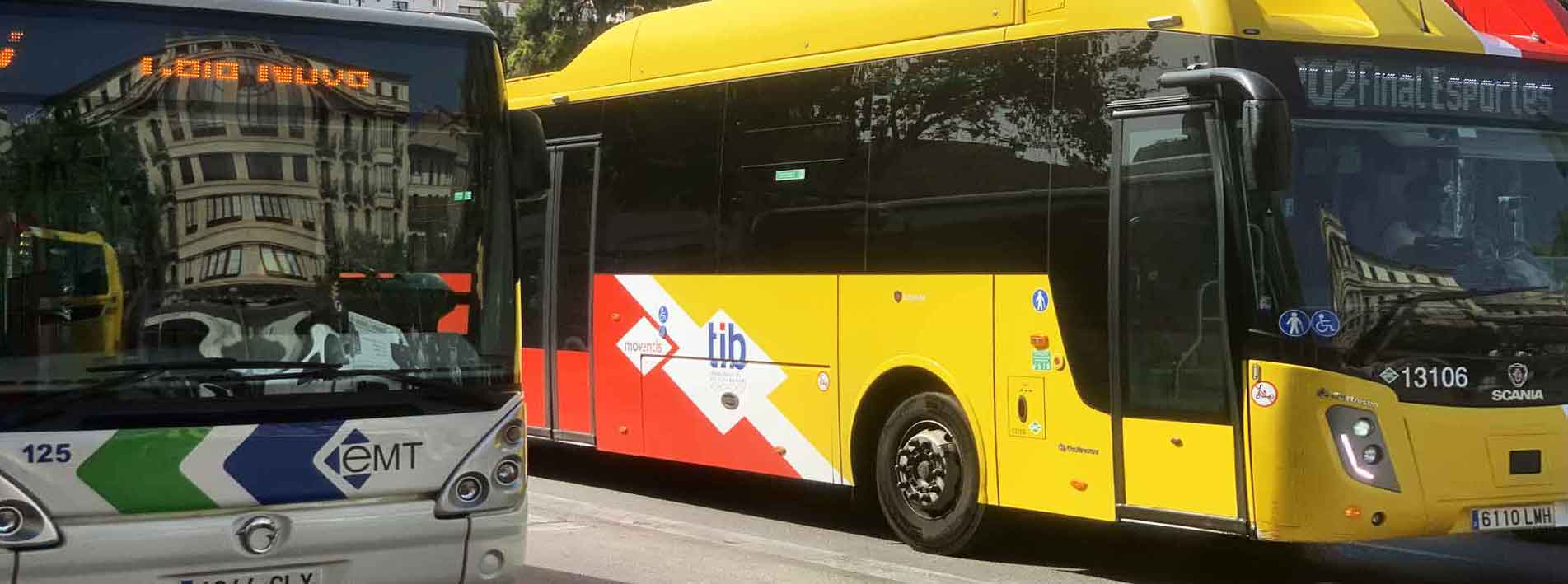
Yes, but with limitations. TIB lines connect Palma with Artà, Capdepera and Cala Ratjada, and there are local connections between the main centres. However, to reach coves such as Cala Torta or Cala Mitjana, a car or taxi is more practical, as the access trails are not served by public transport. If you don’t want to drive, one option is to stay in Cala Ratjada or Artà and use the bus for short outings.
What is the best time to explore the northeast?
Late May, June and September are the ideal months: pleasant temperatures, fewer people than in July and August, and the sea in good condition. October is also highly recommended, with the advantage that crowds drop and the water is still warm. In winter, the northeast is quiet and authentic, but some establishments close and the wind can be more intense.
Where are the best sunsets in the northeast?
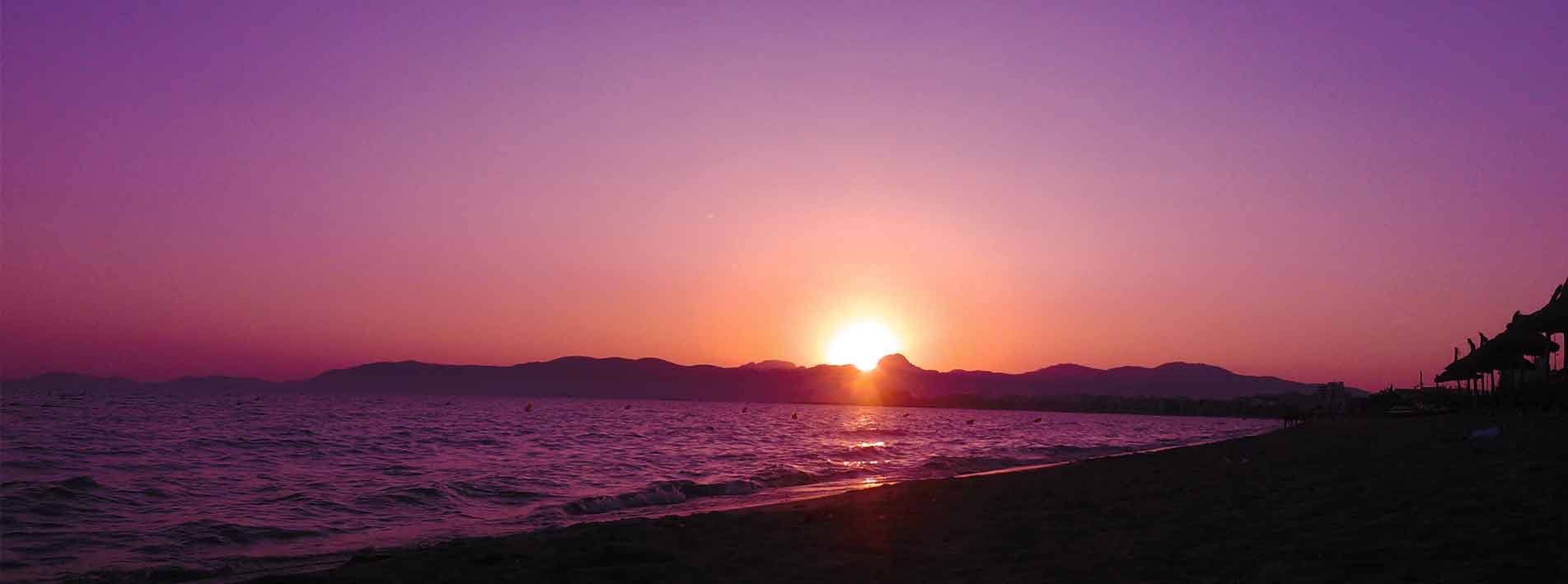
The northeast faces east, so the sunsets are behind the land. That said, the light at the end of the day is beautiful from the Sant Salvador sanctuary in Artà, from the Castell de Capdepera and from the lighthouse in Cala Ratjada. For a sunset over the water, you need to head to the west coast.
Is it easy to park at the beaches of the northeast in summer?
No. Cala Agulla and Cala Mesquida have limited parking and fill up early in July and August. The most practical approach is to arrive before 10:00, use the designated car parks or take the bus where available. For the coves of the natural park, parking is at the main access points and the rest is on foot.
Which beaches in the northeast are suitable for families with children?
Cala Agulla and Cala Mesquida are the most suitable: fine sand, clear waters and services nearby. Cala Mesquida can have currents on windy days, so it is worth respecting the signs. The coves of the natural park, such as Cala Torta or Cala Mitjana, are more difficult with small children due to the walk in and the lack of services.
Is it worth visiting the Llevant Peninsula Natural Park?
Yes, especially if you like walking and are looking for unspoilt coast. It is one of the most valuable protected areas in the Balearics, with cliffs, undeveloped coves and exceptional biodiversity. That said, you need to go prepared: water, suitable footwear and sun protection, because there are no services in most of the coves.
Should you book restaurants in the northeast of Mallorca?
Highly recommended, especially in Cala Ratjada, Artà and Capdepera. The offer is good, but demand is high in season. If you want to dine at a restaurant with a view or at a specific establishment, book one or two days in advance, or more at weekends.