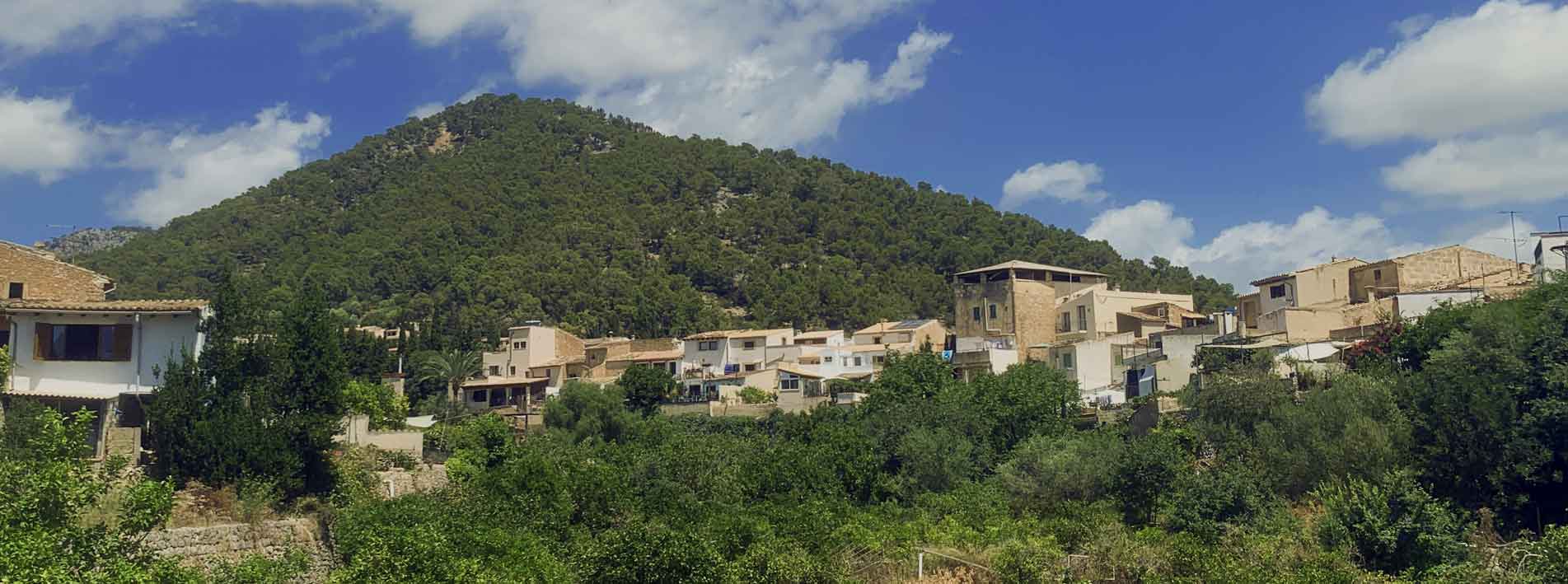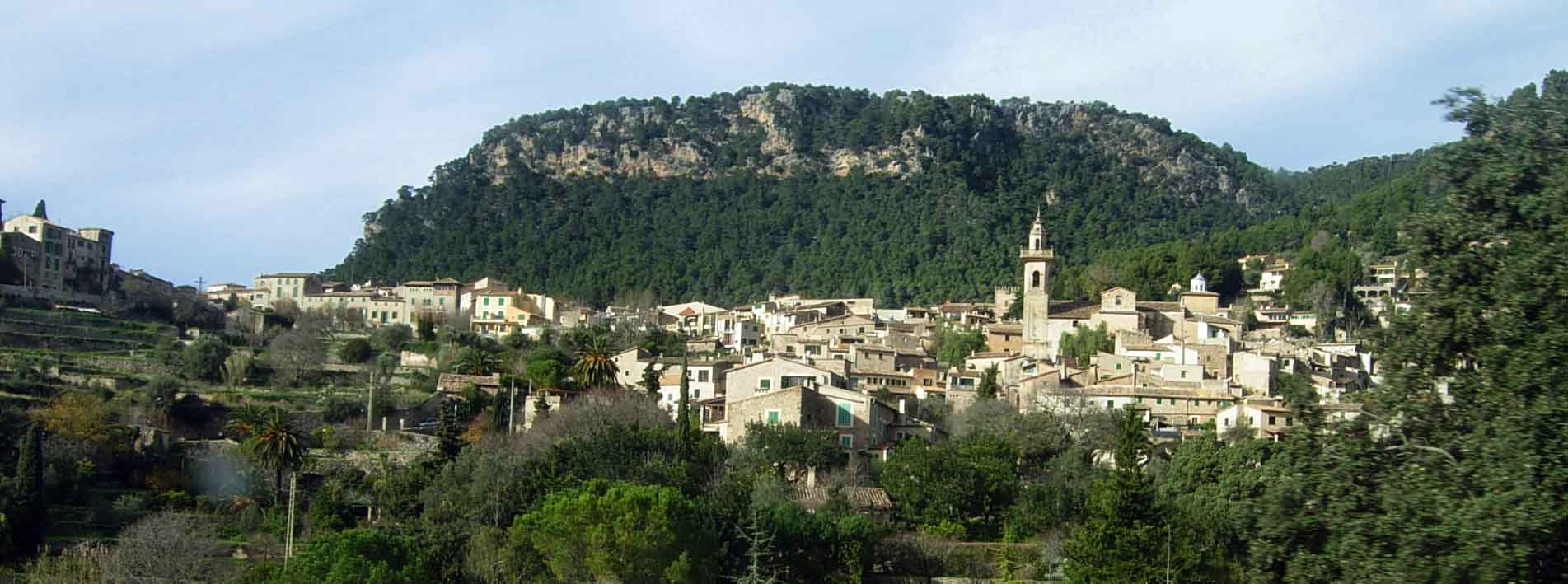
Santanyí is a town, a municipality and a picturesque village in Mallorca located in the southeast of the island. Known for its authentic charm, golden sandstone architecture and proximity to important beaches, coves and the Mondragó Natural Park. The old town preserves the remains of medieval walls and has the Plaza Mayor as its central point. Although it is a tourist destination, it offers a peaceful atmosphere with a vibrant cultural life, weekly markets (Wednesdays and Saturdays) that attract both visitors and locals in search of a quiet lifestyle and a mix of shops, galleries and restaurants.
Santanyí vila, municipal capital
Its town, which is the municipal capital, belongs to the Migjorn comarque and is located approximately 60 km away from Palma, the capital of Mallorca. Santanyí has a rustic charm with cobbled streets and the Plaza Mayor as the center of life. The area also stands out for its walled past (the Porta Murada is preserved) and its artistic atmosphere.
Santanyí: Population centers
The Mallorcan municipality of Santanyí includes thirteen population centers, among them the town of Santanyí itself (inland) and other coastal towns. Among the inland villages are: Santanyí (main town), S’Alquería Blanca, Calonge, Es Llombards, Son Moja, El Cap des Moro. Among the coastal towns are: Cala Figuera, Cala Santanyí, Portopetro, Cala Llombards, Cala d’Or, as well as other towns: La Costa and Son Moger.
 Main characteristics
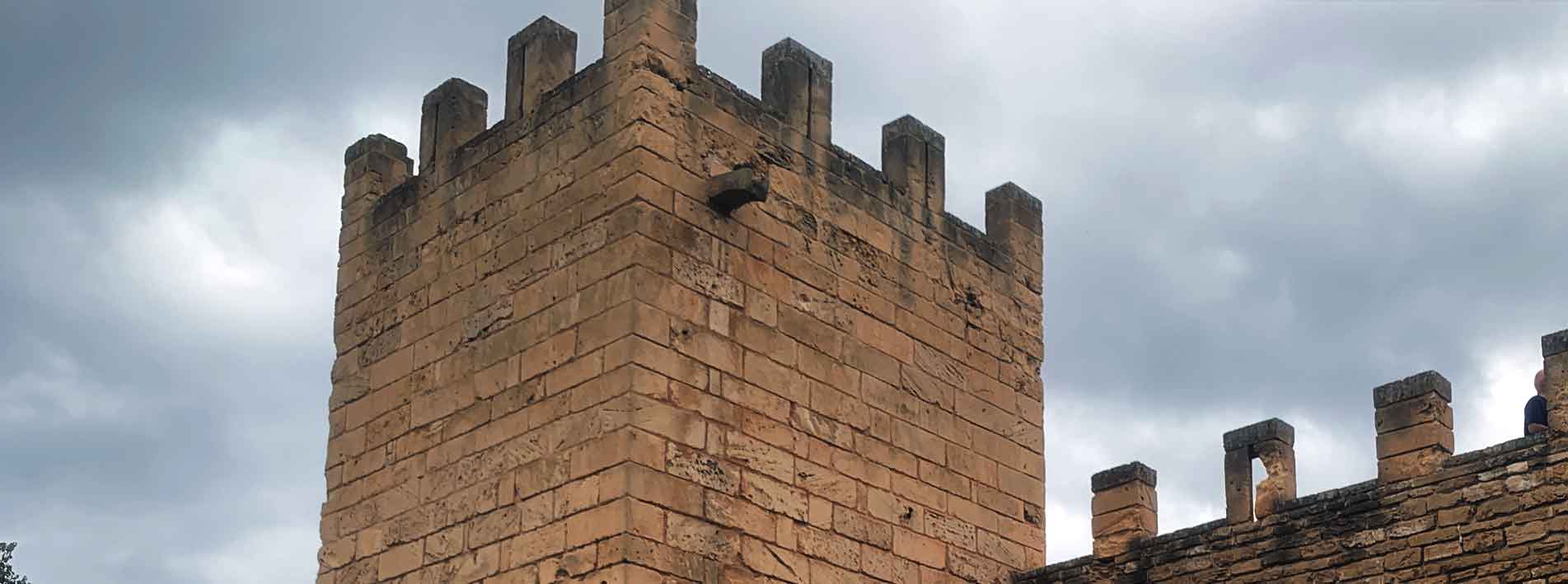
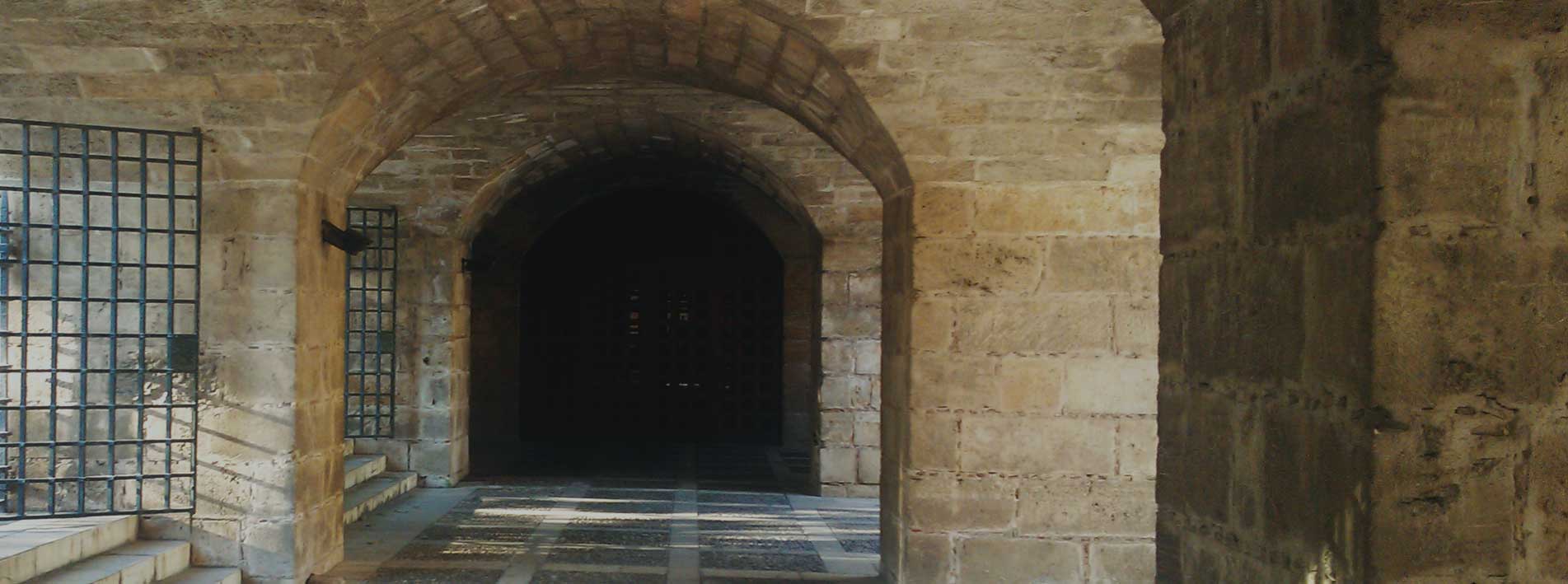
Architecture: The town is predominantly built with golden sandstone from local quarries, giving it a very characteristic appearance and a distinctive uniformity. The historic center is full of buildings made from this material. Remains of the old medieval wall and the Porta Murada gate can still be seen.
Location: Located inland, but a short distance from the coast, with easy access to numerous coves and the Mondragó Natural Park.
Economy: The economy has shifted from being based mainly on agriculture and fishing to being largely driven by tourism, although it retains a strong local identity.
Local life: It is a place with an active community, combining lifelong residents with a growing international population. The Plaza Mayor is the social center, where events and weekly markets are held.
Services: It offers good infrastructure and services, including schools, medical centers and a wide range of shops, restaurants and cafés.
Tourism: It is a popular starting point for exploring the southeast coast of Mallorca, visiting the natural park and enjoying activities such as hiking and cycling.
Culture and art: Santanyí has become an important artistic center, with numerous galleries and artists’ studios.
 Historical summary
Santanyí has a history marked by its settlement since prehistoric times. Prehistoric finds have been discovered that suggest that the area was already inhabited long before it was first mentioned.
During Muslim rule, Santanyí was known as Adia and there were settlements such as s’Almunia, Albocora and Benilassar. The first written mention of the place dates back to 1236, under the name Sancti Aini. It was not until 1300 that Santanyí was officially granted the title of town.
From the 14th to the 18th century, Santanyí suffered repeated attacks by Barbary pirates, who used the nearby island of Cabrera as a refuge. To protect itself, defensive walls and watchtowers were built. The Porta Murada is one of the most important vestiges of this defensive period.
Starting in the 1960s, the arrival of tourism in Mallorca revitalized the local economy. Tourism development created new jobs and attracted residents, changing the demographic and economic situation of the town. The coast also developed for tourism. Cala Santanyí went from being a small fishing village to a tourist destination with hotels and accommodations built in the 1950s and 1960s.
 Location and access to Santanyí
Santanyí is located in the southeast of Mallorca and is easily reached from Palma via the Ma-19 motorway. It can be reached by car, taxi, or bus.
Getting to Santanyí by car
From Palma: Drive east on the main road. Take the Ma-19 highway and then the Ma-6100. The journey takes approximately 40-50 minutes.
From the airport: Follow the same route. Take the Ma-19 highway and then the Ma-6100. The journey time is just over 40 minutes.
Getting to Santanyí by bus
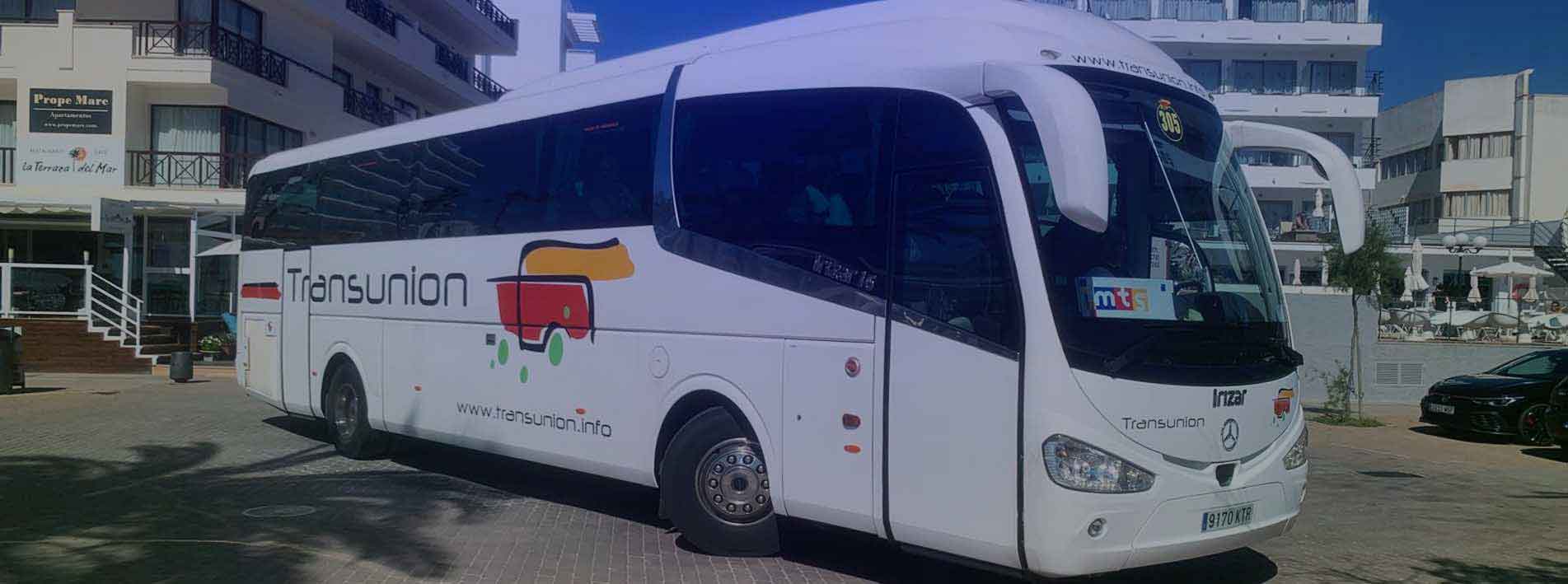
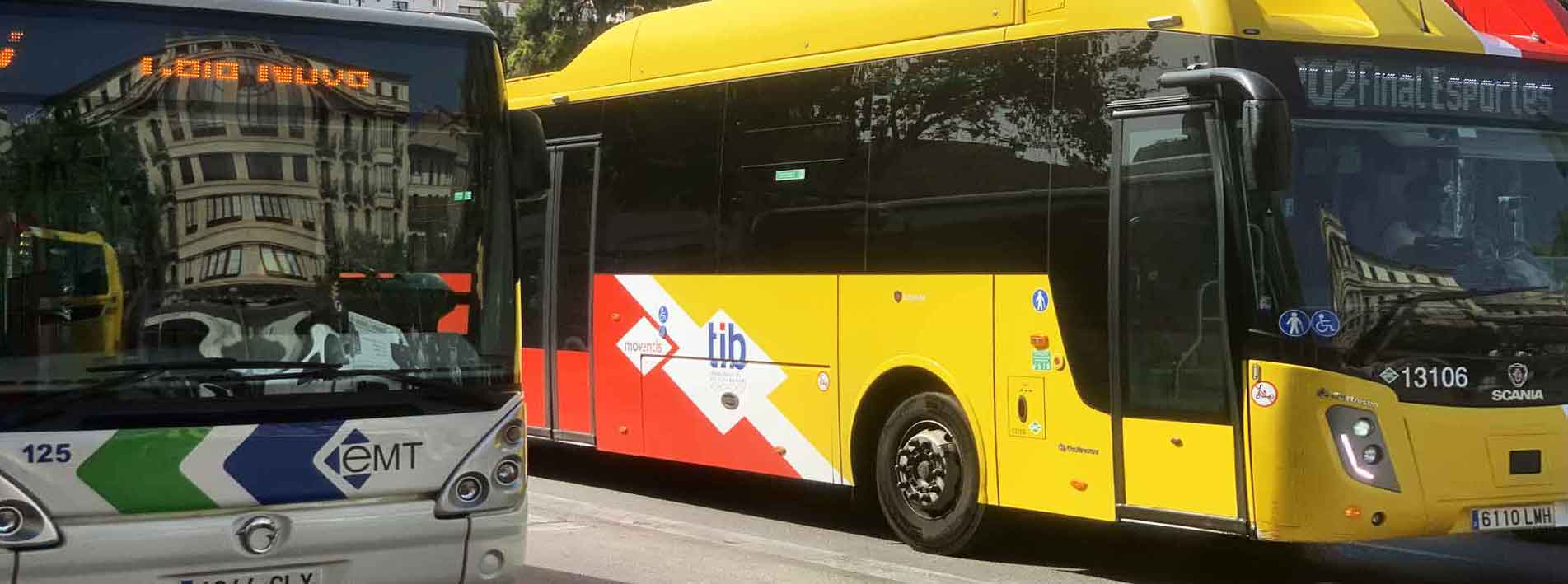
From Palma: You can take bus lines 501 or 502 from Palma station. The journey is slower, taking around 2 hours. Line 515 from Estació Intermodal is also an option, with transfers and takes around 1 hour and 15 minutes.
From Cala d’Or: There is a local bus line that connects to the Cala Santanyí area.
 How to get to Santanyí? Getting there by car
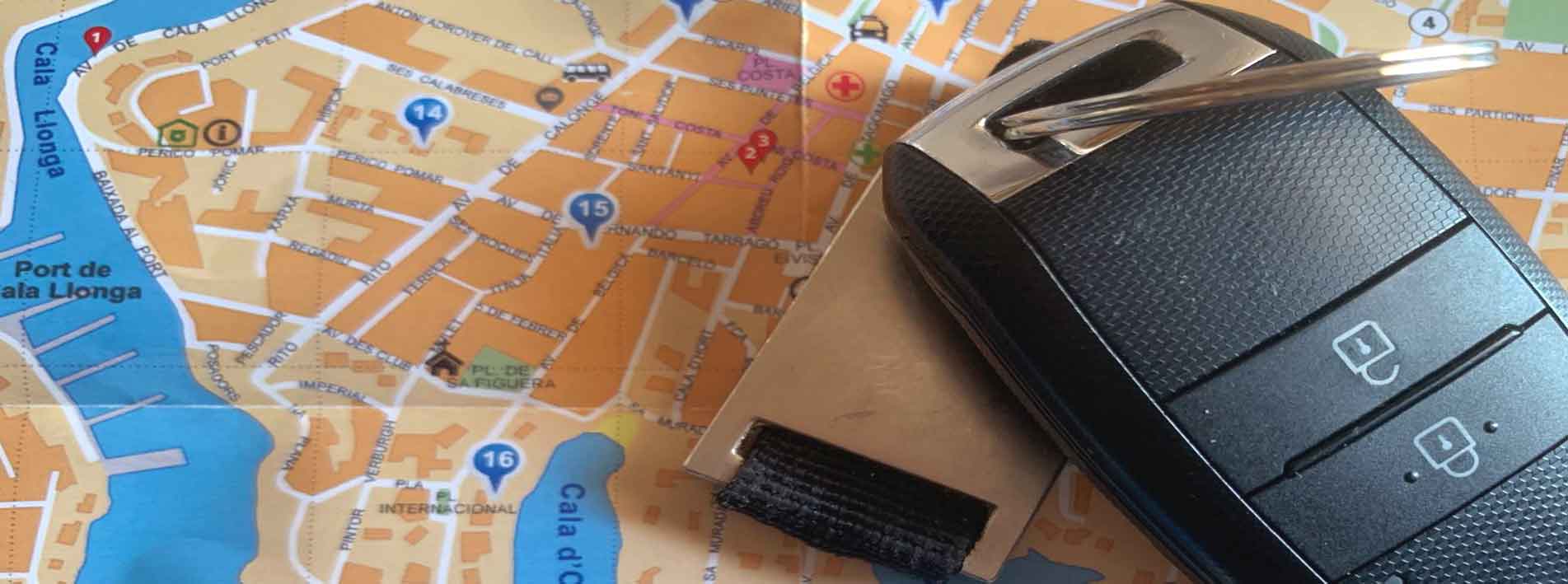
Renting a car is the most flexible option. From the airport, take the Ma-19 highway and then the Ma-6100. The journey takes approximately 50-60 minutes.
To get to Santanyí by car from Palma, take the Ma-19 highway and then the Ma-6100, which will take you approximately one hour. For coves such as Cala Llombards or Caló des Moro, it is advisable to go to the village of Santanyí and follow the signs from there, as some of the streets leading to the coves are restricted to local traffic and can only be reached on foot after parking in the designated area.
How to get to Santanyí? Getting there by bus
There are bus lines (501 and 502) from Palma, but the journey is longer, taking approximately 2 hours.
To get to Santanyí by bus, you can take line 515 from Estació Intermodal de Palma, which will take you approximately 1 hour and 15 minutes, although you may need to change buses. If you are coming from Cala Santanyí, you can use line 516, which is the fastest option, taking about 16 minutes. The closest station to the center of Santanyí is Av. Calonge 2 (57050).
From Palma de Mallorca
Line: 515
Departure station: Palma Intermodal Station
Duration: Approximately 1 hour and 15 minutes (may vary depending on transfers)
Information: There may be transfers along the way.
From Cala Santanyí
Line: 516
Departure station: Cala Santanyí (57028)
Duration: Approximately 16 minutes
Information: This is a quick and direct option for getting from the beach to the town.
 Additional information
Nearest station in Santanyí: The nearest station is Av. Calonge 2 (57050), about a 5-10 minute walk from the center.
Timetable: Line 515 is the one that starts service to Santanyí around 6:35 a.m. and the last departure is around 11:25 p.m.
Ticket purchase: You can buy your ticket directly from the driver on board the bus, but it is important to know that only tickets up to 10 euros in cash are accepted. Another option is to purchase a prepaid card in advance at authorized points of sale. Payment can also be made directly with a contactless bank card and up to five people can travel with the same card, benefiting from discounts per user. In this case, it is essential to validate your card both when boarding and alighting from the bus so that the system can calculate the cost of the journey correctly.
How to get to Santanyí? Arriving by taxi
You can also arrive by taxi to Santanyí if you are looking for a faster option. A taxi ride from Palma to Santanyí takes approximately 45 to 60 minutes and the price is usually around €80 during the day and €90 at night or on weekends, although it may vary depending on the fare and the pick-up point. You can request a taxi through well-known mobile app services.
 Information on how to get to nearby places
Cala Santanyí: Located 6 km from the town of Santanyí. It is very easy to get to by car, with paid parking right at the entrance to the beach. There is also parking on the nearby streets.
Mondragó Natural Park (Cala Mondragó, Cala s’Amarador): Accessible via the Portopetro road. The parking lot and information center are located on the Portopetro – Cala Mondragó road, s/n. From the parking lot, it is a 5-minute walk to the beach.
Other coves (Caló des Moro, Cala s’Almunia): These usually have limited parking, so it is essential to arrive early. Access often requires walking along trails.
Cala Llombards: Access is easy and there is free parking near the beach.
Caló des Moro and Cala s’Almunia: Follow the signs to Cala Llombards. There is a paid parking lot near a roundabout and from there it is a 15-20 minute walk. The last part of the route involves a steep descent and is not suitable for everyone.
Cala Mondragó: Take the Palma-Portopetro road to s’Alquería Blanca and then follow the signs to Mondragó Natural Park, where there is a car park.
Other coves: Some, such as Cala d’en Borgit or Es Caragol, require walking part of the way. It is recommended not to rely on Google Maps alone for access to all of them.
 Points of interest What to see and do in Santanyí?
Santanyí has many points of interest, as it combines a charming and culturally rich historic center with stunning natural landscapes and idyllic beaches in the surrounding area. Among the key places to visit are:
Points of historical and cultural interest
Porta Murada: Remains of the medieval wall with a 16th-century tower.
Plaça Major: The heart of the town, surrounded by sandstone buildings and full of cafés and restaurants.
Sant Andreu Parish Church: A Gothic-style church, notable for its organ.
Historic center: Explore its sandstone streets, art galleries and local artisan workshops.
Santanyí Market: A lively weekly market offering fresh local produce and handicrafts.
 Places of natural and recreational interest
Mondragó Natural Park: A protected area of great ecological value, with beautiful beaches and coves.
Cala Figuera: A picturesque fishing port.
Cala Llombards: One of the most beautiful coves in the area.
Es Pontàs: A natural arch-shaped rock formation near Cala Santanyí.
Ses Salines Lighthouse: An iconic lighthouse on the coast.
 What to see and do in Santanyí? Architecture and history
Porta Murada: A 16th-century gate tower that is the most notable remnant of the old wall that protected the town from pirates.
Church of Sant Andreu: Built mainly in the 18th century with neoclassical and baroque elements, it is notable for housing a baroque organ by Jordi Bosch.
Capella del Roser: A 14th-century chapel with an interesting ribbed vault.
Main Square and Town Hall: The heart of the town, where the weekly market (Wednesdays and Saturdays) and local festivals are held. It is surrounded by buildings made of local sandstone and the town hall, built in 1902.
Mares Quarry: The historical exploitation of this stone has marked the landscape and architecture of the municipality, visible in the buildings of the old town and in important works on the island.
What to see and do in Santanyí? Art and festivals
Art scene: Santanyí is an art center with numerous galleries and workshops of local artists exhibiting unique works.
Canal’Art: An evening event that opens the doors of galleries and cultural spaces to celebrate local art.
Vila de Santanyí International Music Festival: A music festival held in different natural settings throughout the municipality.
Organ concerts: Concerts are held in the church of Sant Andreu to showcase the Baroque organ, one of the most important in Europe.
 What to see and do in Santanyí? Markets and gastronomy
Weekly markets: Markets are held that are a meeting point for buying local products and crafts and getting to know the atmosphere of the town.
Fira de Tardor: A fair in November dedicated to the region’s gastronomy and artisan products.
What to see and do in Santanyí? Nature and Landscape
Mondragó Natural Park: A natural paradise with trails, bird watching and the coves of S’Amarador and Mondragó Cove.
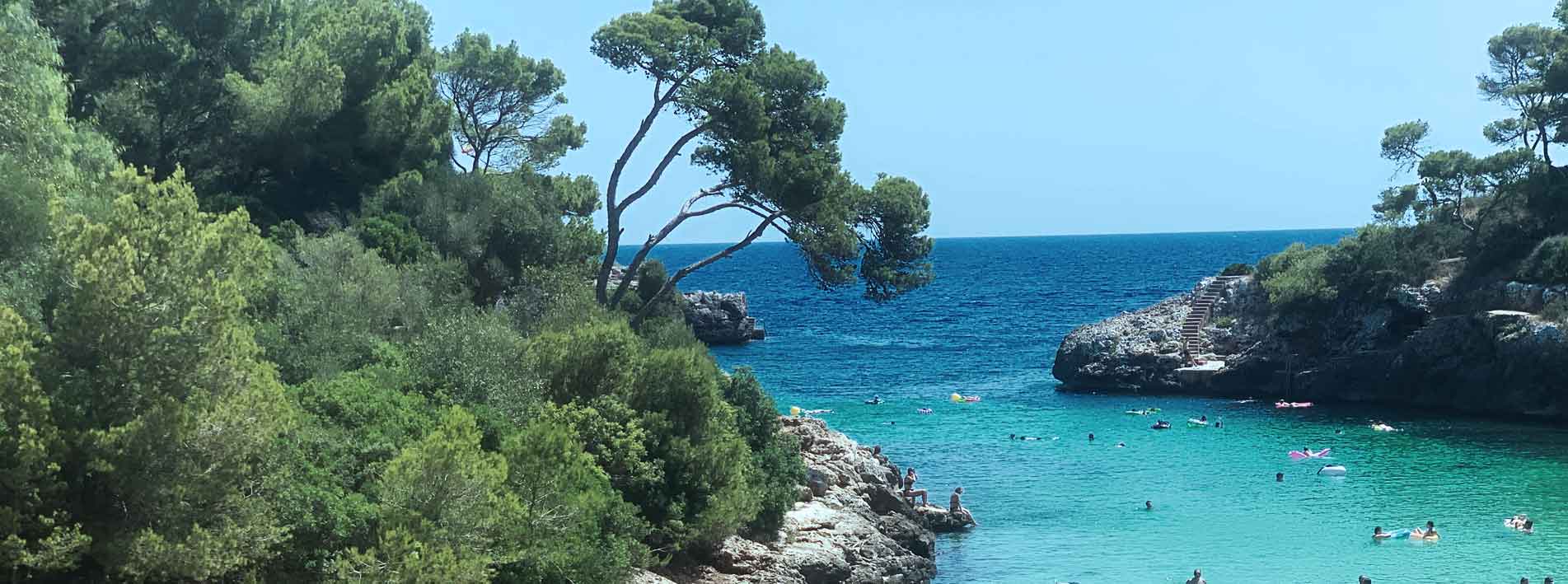
Cala Santanyí: A charming cove with fine sand and turquoise waters, surrounded by cliffs and vegetation, ideal for families as it is shallow.
Cala Llombards: Another picturesque cove with crystal clear waters, ideal for swimming and snorkeling.
Caló des Moro and Cala s’Almunia: Two spectacular coves that are very popular for their natural beauty.
Cala Figuera: A charming fishing port where you can still see the local way of life.
Es Pontàs: A spectacular natural rock arch on the coast, a point of geological interest.
Summary What to see and do in Santanyí?
What to do in Santanyí? Take a short walk around the village, as you can see it in a few hours. You can stroll through the old town, admiring the architecture and exploring the shops and galleries. Enjoy the local markets, especially on Saturdays, which offer local products and crafts. Explore the nearby beaches and coves, such as Cala Santanyí or Caló des Moro. Visit the nearby towns, including Cala d’Or and Porto Petro.
Hospitality and Tourism
Santanyí is a destination in the southeast of Mallorca that combines history, culture and nature, with its old town of golden sandstone and proximity to well-known tourist resorts and coastal towns. Santanyí offers a wide range of accommodation options and has a variety of hotels, from luxury boutique hotels and holistic retreats to vacation rentals and beachfront aparthotels. These accommodations offer a variety of amenities, from swimming pools, restaurants and free Wi-Fi to gyms, spas and activities for the whole family.
 Gastronomy and leisure
Gastronomy: Enjoy restaurants offering local dishes such as “frito mallorquín” and “tumbet.”
Crafts: The town is known for its craft shops, where you can find jewelry, ceramics and art.
Activities: You can enjoy water sports, hiking and nightlife in the nearby towns.
And that’s it for this brief guide to Santanyí, in Mallorca. We hope it helps.
By the way: Are you coming to Mallorca on a tourist trip? If you find it helpful, you can also check out our travel guide to Mallorca and more tourist information about the island