The Formentor Lighthouse
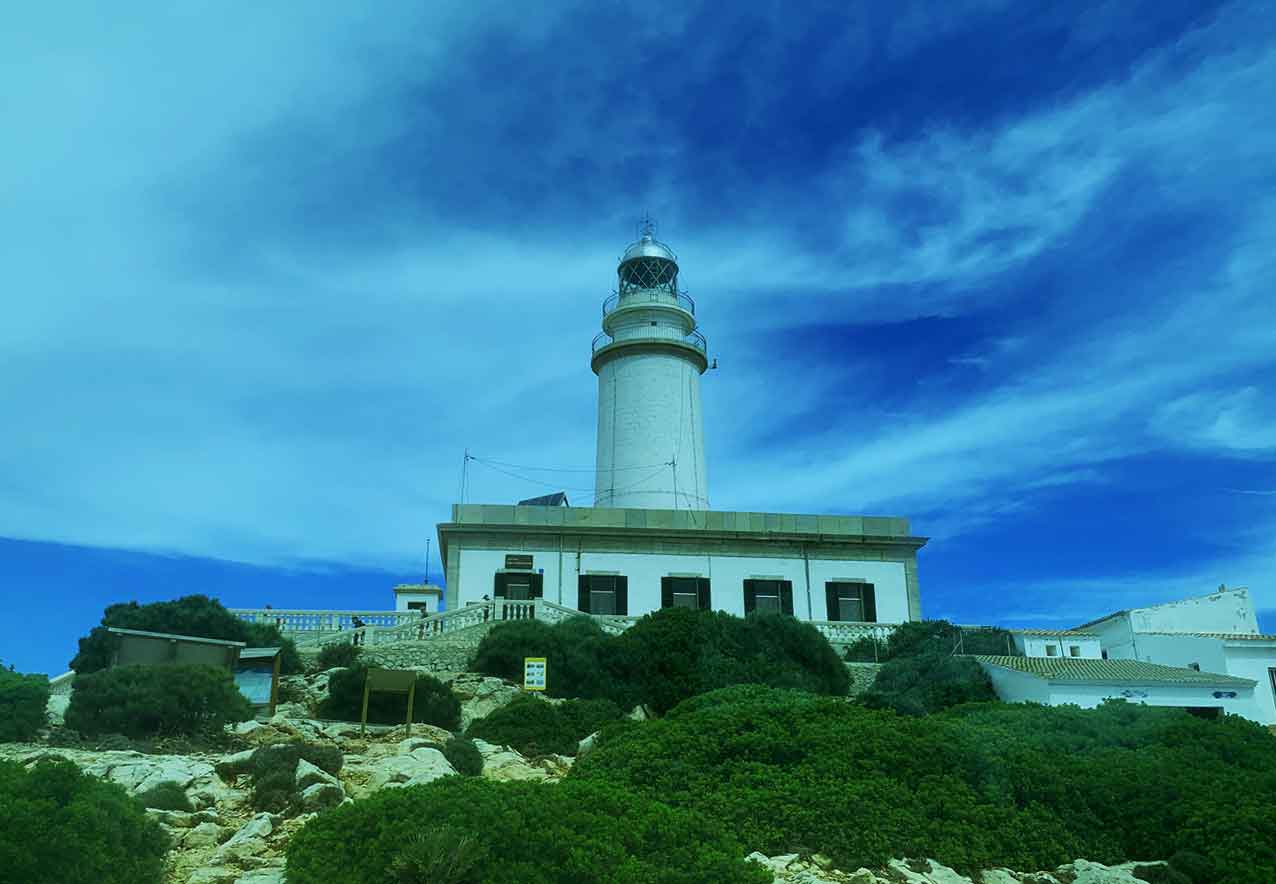
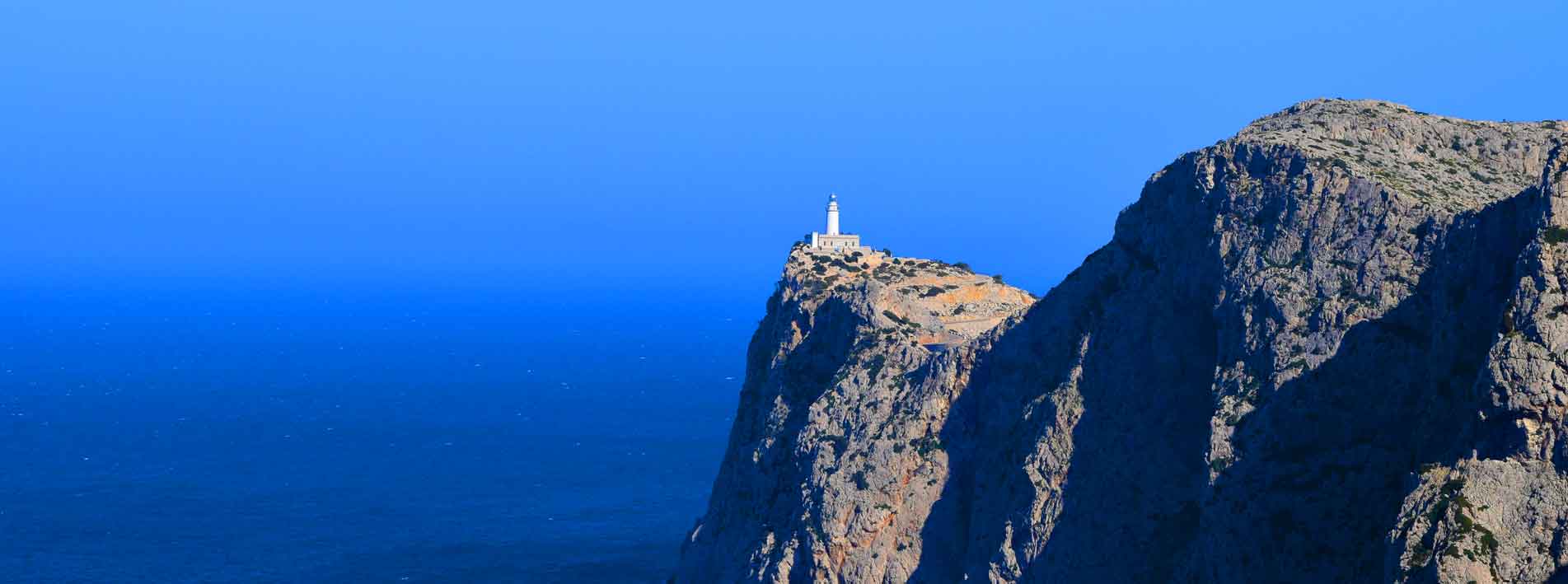
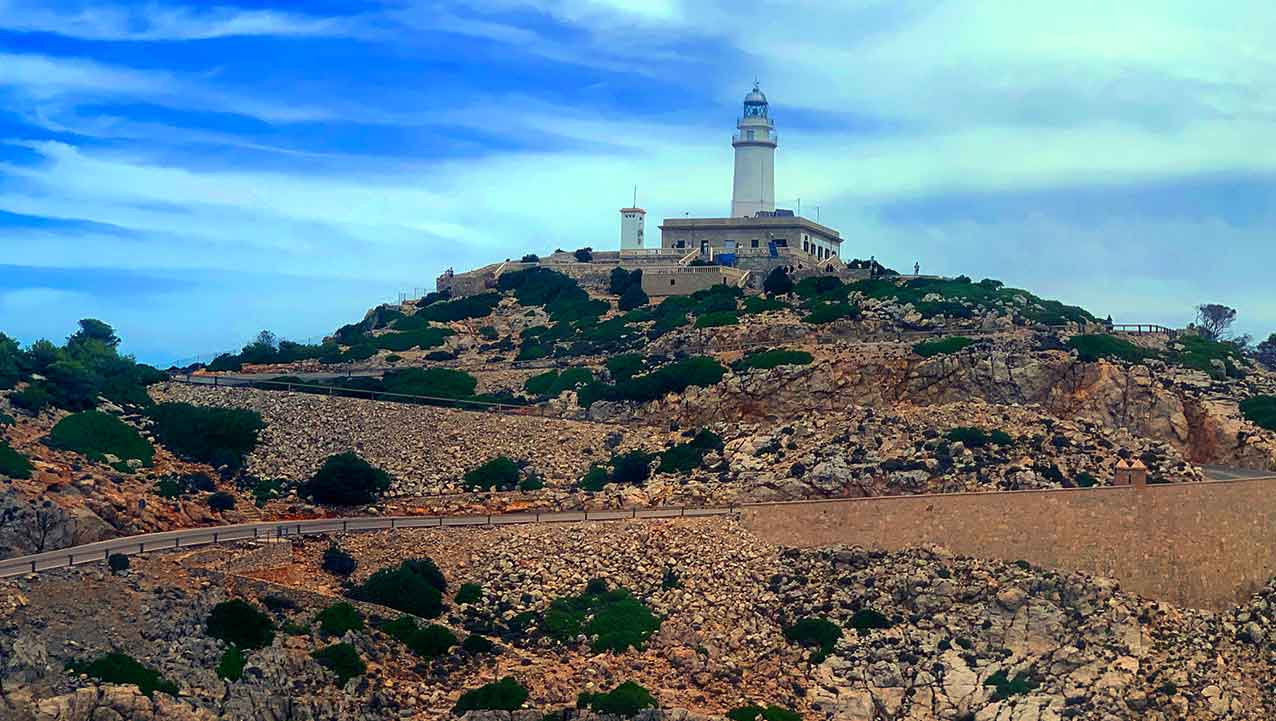
The Formentor Lighthouse is an iconic lighthouse located at the northern tip of the island of Mallorca, at Cape Formentor. It is known for its impressive location, 188 meters above sea level, and for the panoramic views it offers of the Mediterranean. Its construction, completed in 1863, was a challenge due to its isolated and rugged location atop a cliff on the Formentor peninsula.
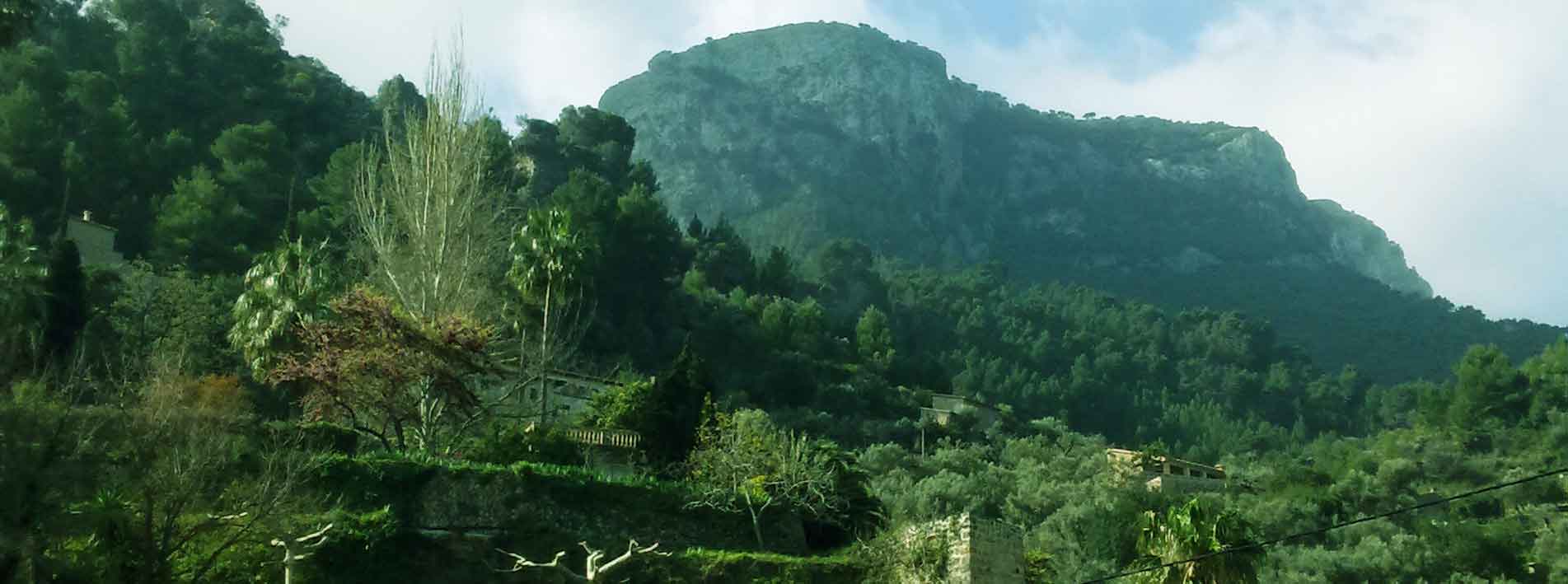
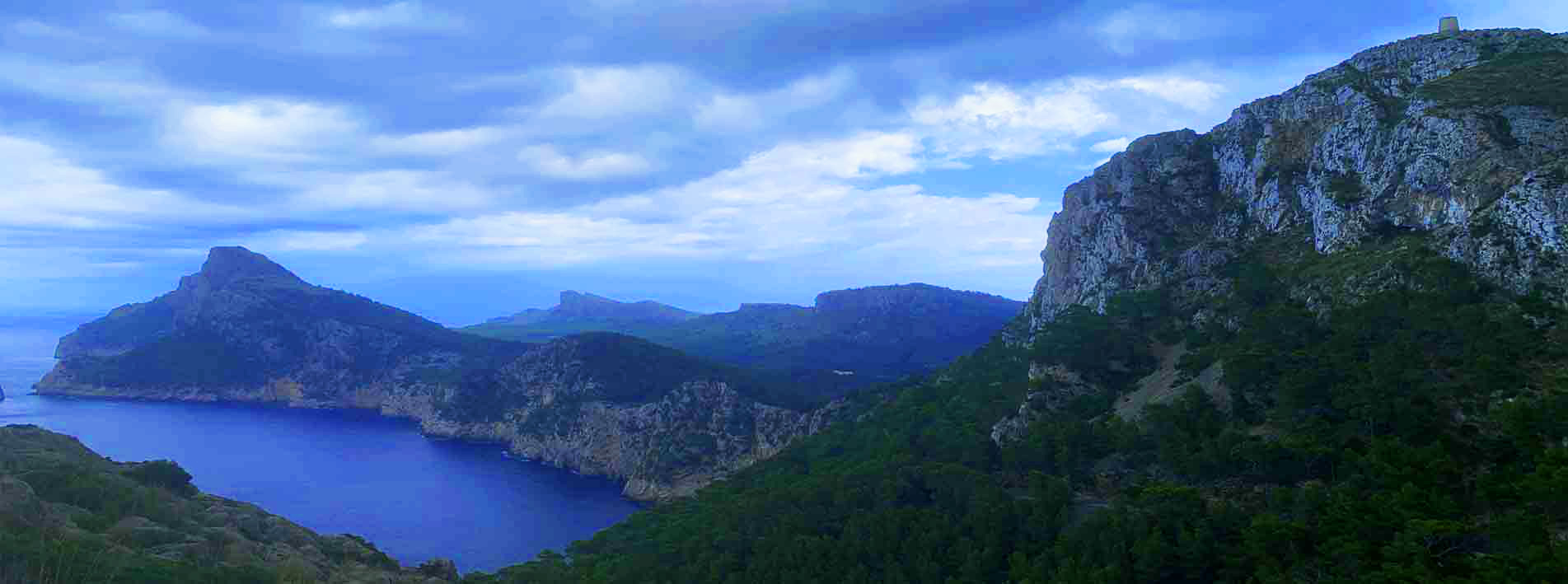
It is part of the Serra de Tramuntana mountain range, declared a World Heritage Site by UNESCO due to its scenic and natural value. In addition to its function as a lighthouse, it is an important maritime landmark and a popular tourist destination. The Formentor Lighthouse is a popular destination for excursions, both for its beauty and for the views it offers and the hiking trails available in the area.
 General information about the Formentor Lighthouse
Location: The lighthouse is located at the northernmost point of Mallorca, at the eastern end of the Sierra de Tramuntana, an area of cliffs and rugged terrain.
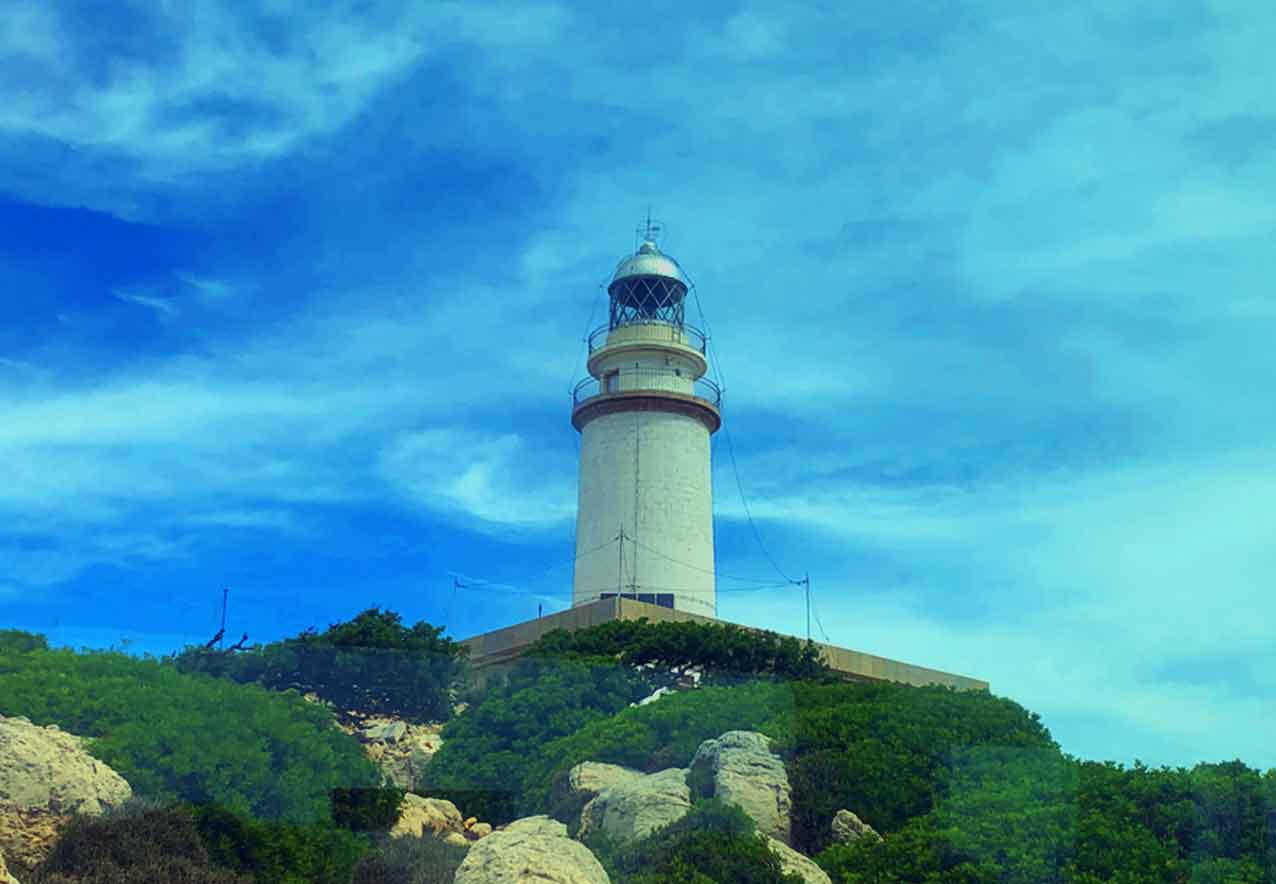
Height: The lighthouse tower is 22 meters high, and its focal plane is 210 meters above sea level, making it the highest in the Balearic Islands.
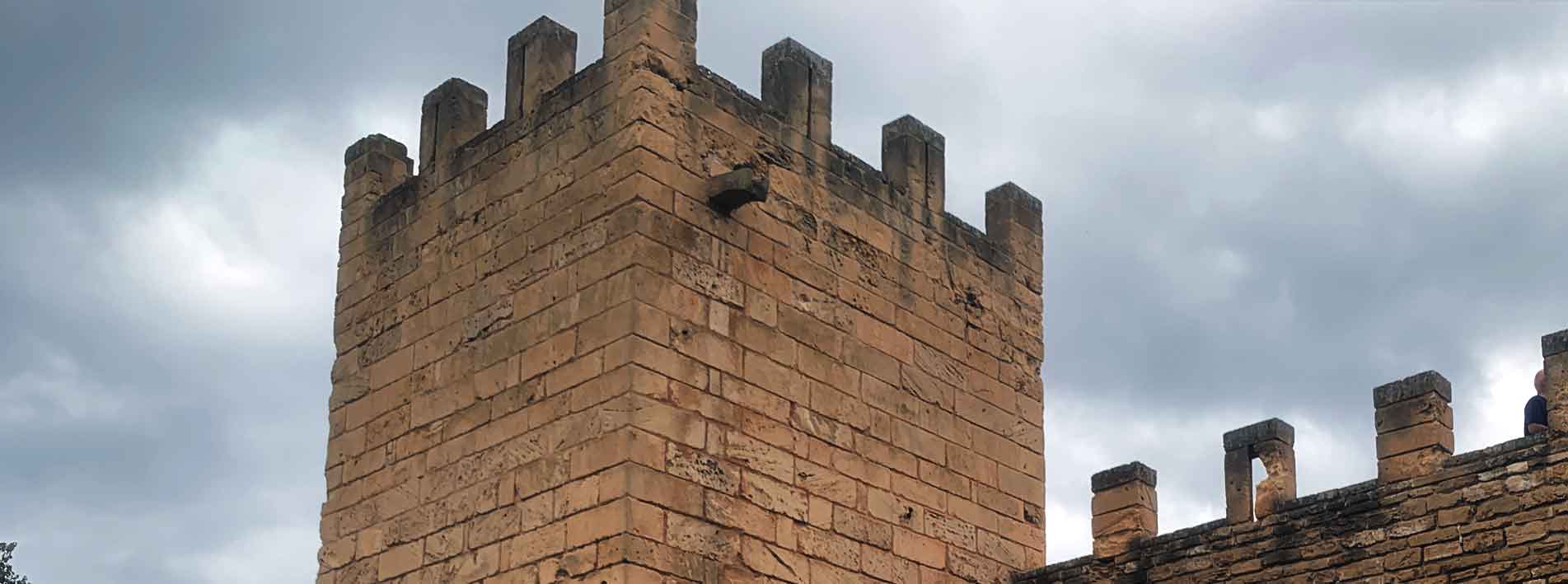
History: Construction was complicated due to the inaccessibility of the site, which required special logistics for the transport of materials. Work on its construction began in 1857, with the opening of a special road to access the site, and it was an arduous process. The construction of the lighthouse and the houses for the lighthouse keepers took several years and required the collaboration of more than 200 people. The stone used for the construction was extracted from quarries in Sa Pobla (La Puebla) and transported by boat to the area, from where it was hoisted to its final location with the help of a winch. The lighthouse was inaugurated in 1863, becoming a landmark for navigation.
Engineer: The project was led by engineer Emili Pou.
Budget: The initial cost was 662,535.91 reales de vellón, a significant amount for the time.
Difficulties: Construction faced significant challenges due to the isolated location and adverse terrain and sea conditions.
 Signaling system: Initially, the lighthouse used a rotating optic with 12 panels and flashes every 30 seconds. In 1927, a new mercury float optic was installed, which was later moved to another lighthouse.
Electrification: In 1962, a power line was installed, but frequent storms forced the use of generators. Currently, the lighthouse is powered by photovoltaic solar energy.
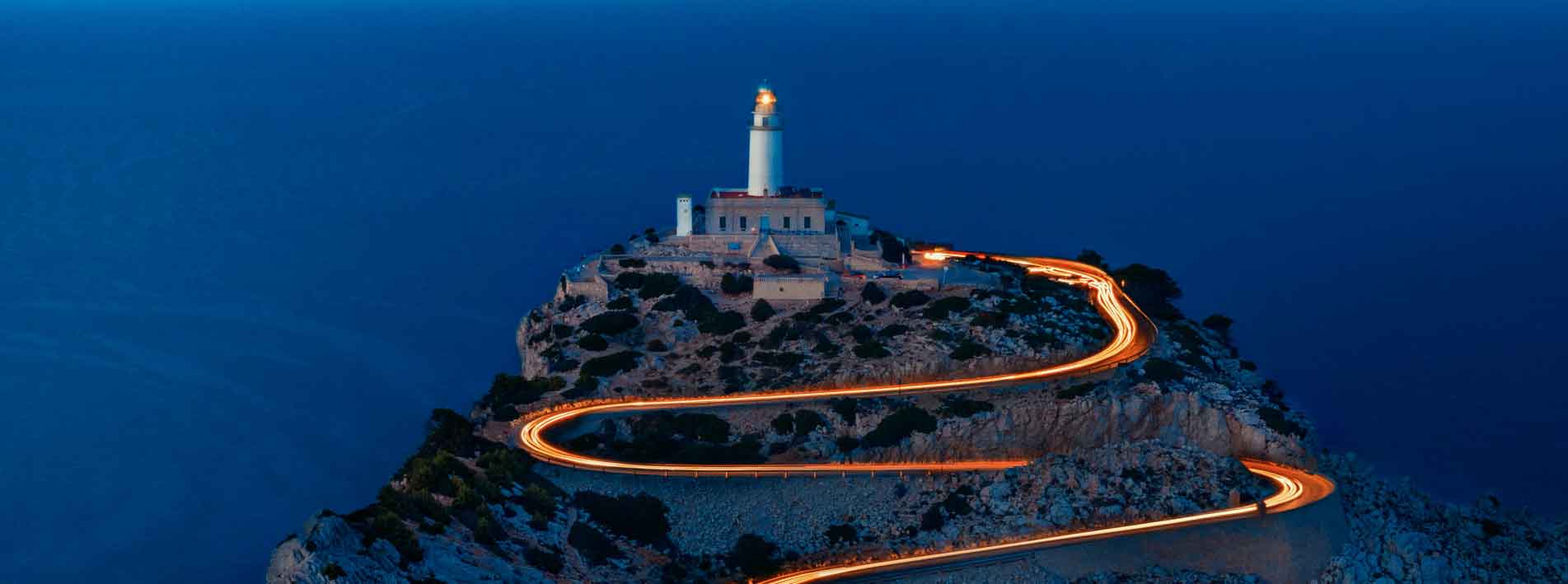
Road: The road leading to the lighthouse, known as “El Pí de la Posada” or “Cala Gentil,” was inaugurated in 1951, connecting the lighthouse with the rest of the island.
Importance: In addition to its function as a maritime signal, it is an important tourist attraction due to its scenic value and the views it offers.
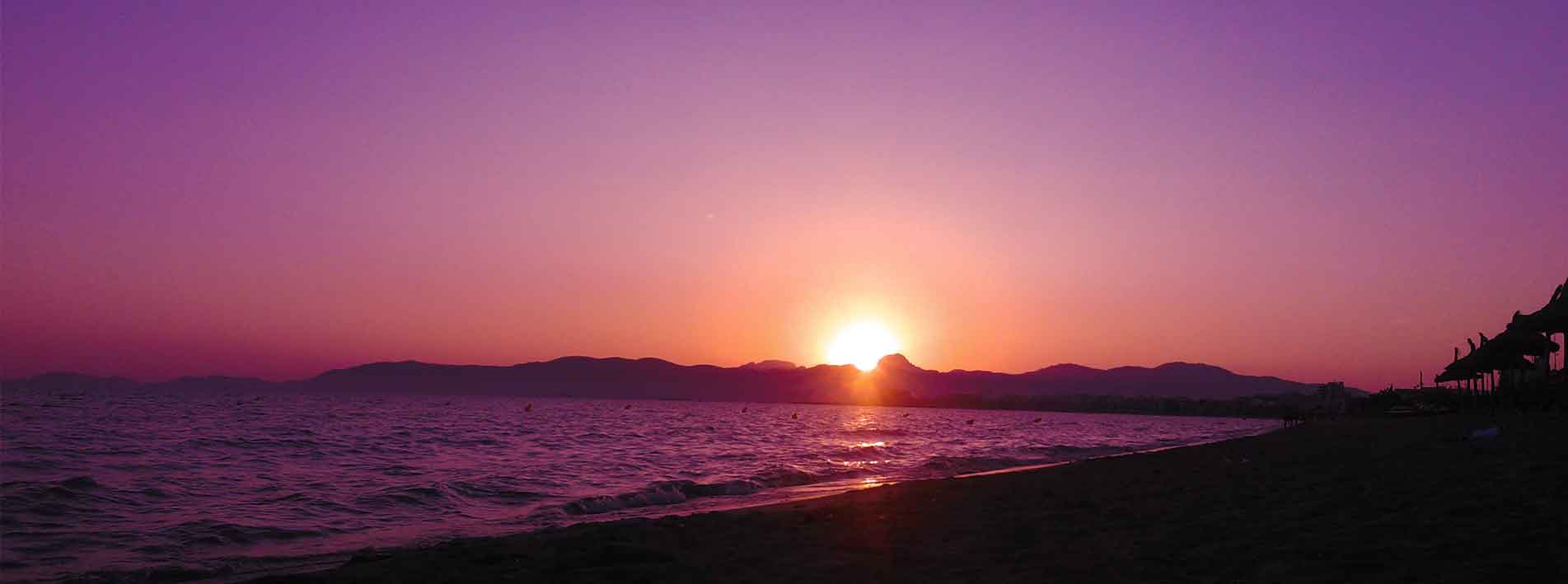
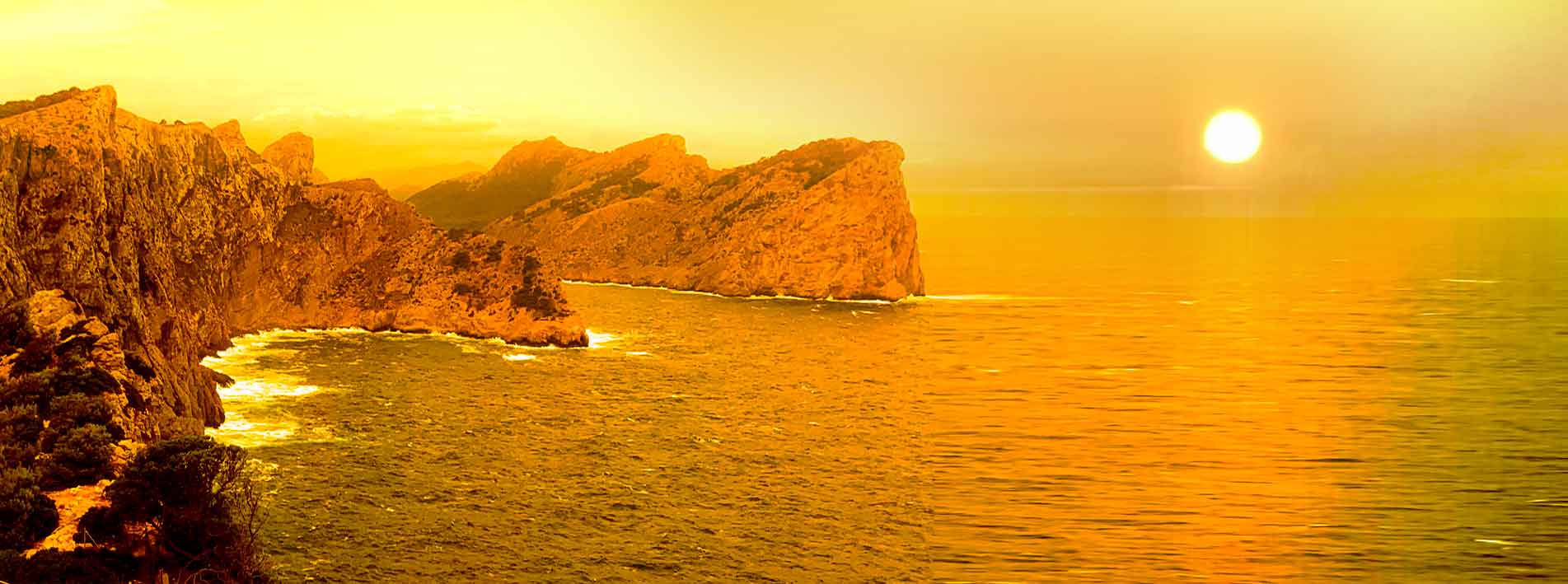
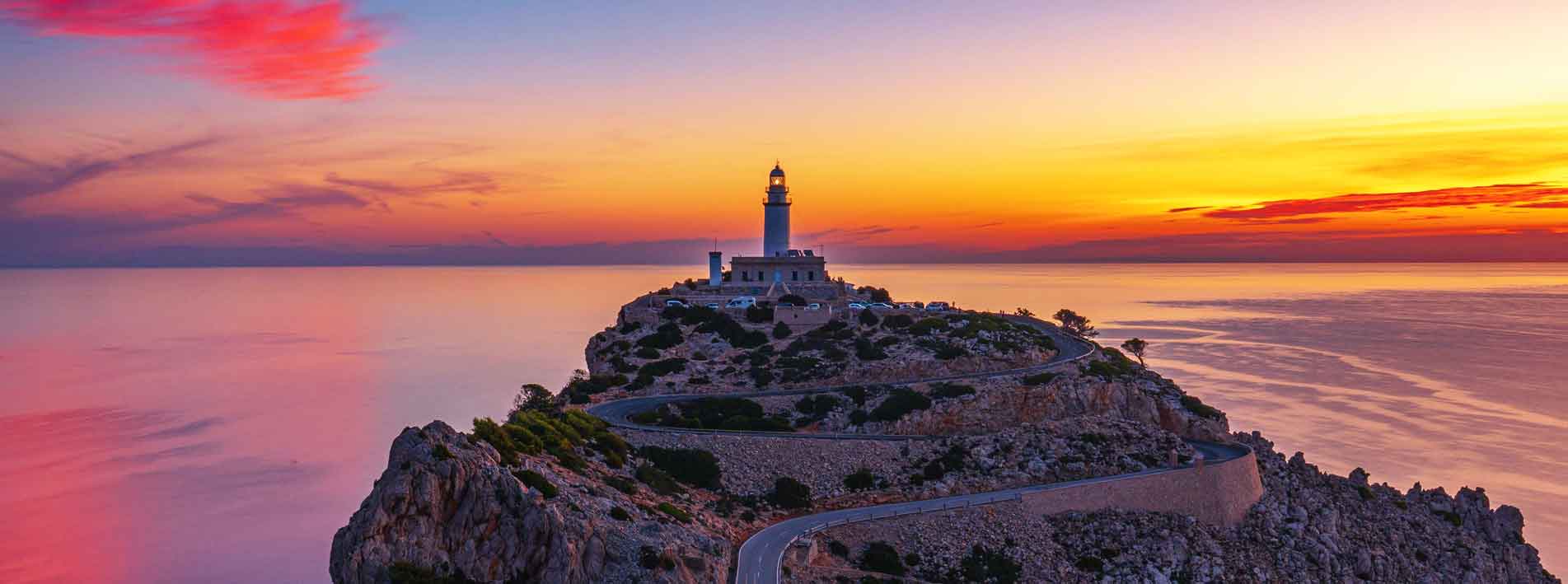
Sunsets: It is famous for being a privileged spot to watch the sunset, although some say that the mountain blocks the view of the sun sinking into the sea.
Access: The lighthouse can be reached via a winding road that crosses the Formentor peninsula.
 Traffic restrictions
Traffic restrictions at the Formentor Lighthouse are in effect from June 1 to October 31, inclusive, from 10:00 a.m. to 10:00 p.m. During this period, access to the Ma-2210 road is restricted to authorized vehicles.
Access for authorized vehicles only: Only authorized vehicles are allowed access.
Control barrier: A barrier at PK 8+700 on the Ma-2210 regulates access.
Penalties: Fines will be imposed on vehicles that enter without authorization.
Access before 10:00 a.m.: If you enter before 10:00 a.m., you must leave the restricted area before 9:59 a.m.
Parking: Parking or stopping is prohibited on any section of the road that is not marked as a parking area.
For more information, please visit the website of the Council of Mallorca or the DGT.
 Culture, geography, and history in one attraction
The Formentor lighthouse is known for its spectacular sunsets, especially on clear days, when the sun sets over the sea, painting the sky with reddish and orange colors. The lighthouse is surrounded by a beautiful landscape of mountains and forests, making it an ideal place for activities such as hiking and cycling.
Its construction was a challenge due to the remote and rugged location of the Formentor peninsula, requiring the opening of a special road to transport materials. In short, the Formentor Lighthouse is a testament to engineering and perseverance, built in a complex geographical environment and has been fundamental to navigation in the area over the years.
The Formentor Lighthouse is an important engineering landmark of great cultural significance in this beautiful Mallorcan town, which is also blessed with great scenic beauty. A visit that will allow you to enjoy nature and learn about the history of Mallorca.
And that’s it for this brief overview of the Formentor Lighthouse, in Pollença, Mallorca. We hope it helps.
By the way: Are you coming to Mallorca on a tourist trip? If you find it helpful, you can also check out our travel guide to Mallorca and more tourist information about the island
By loading this map, you agree to the privacy policy of OpenStreetMap Foundation.